

Lumes Design trend guide
Why Layered Metal Pendant Lights Are Trending Again
The Trend Is Really About Warmth and Control
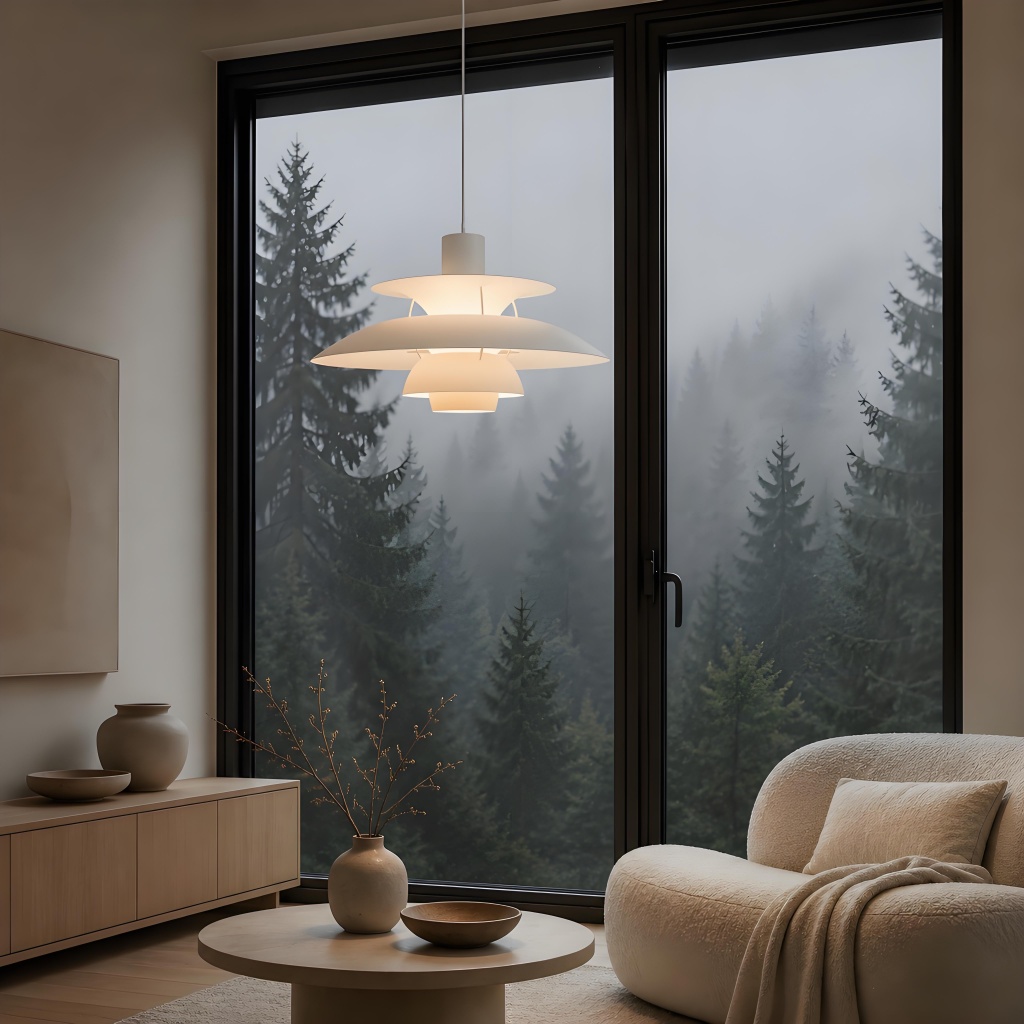
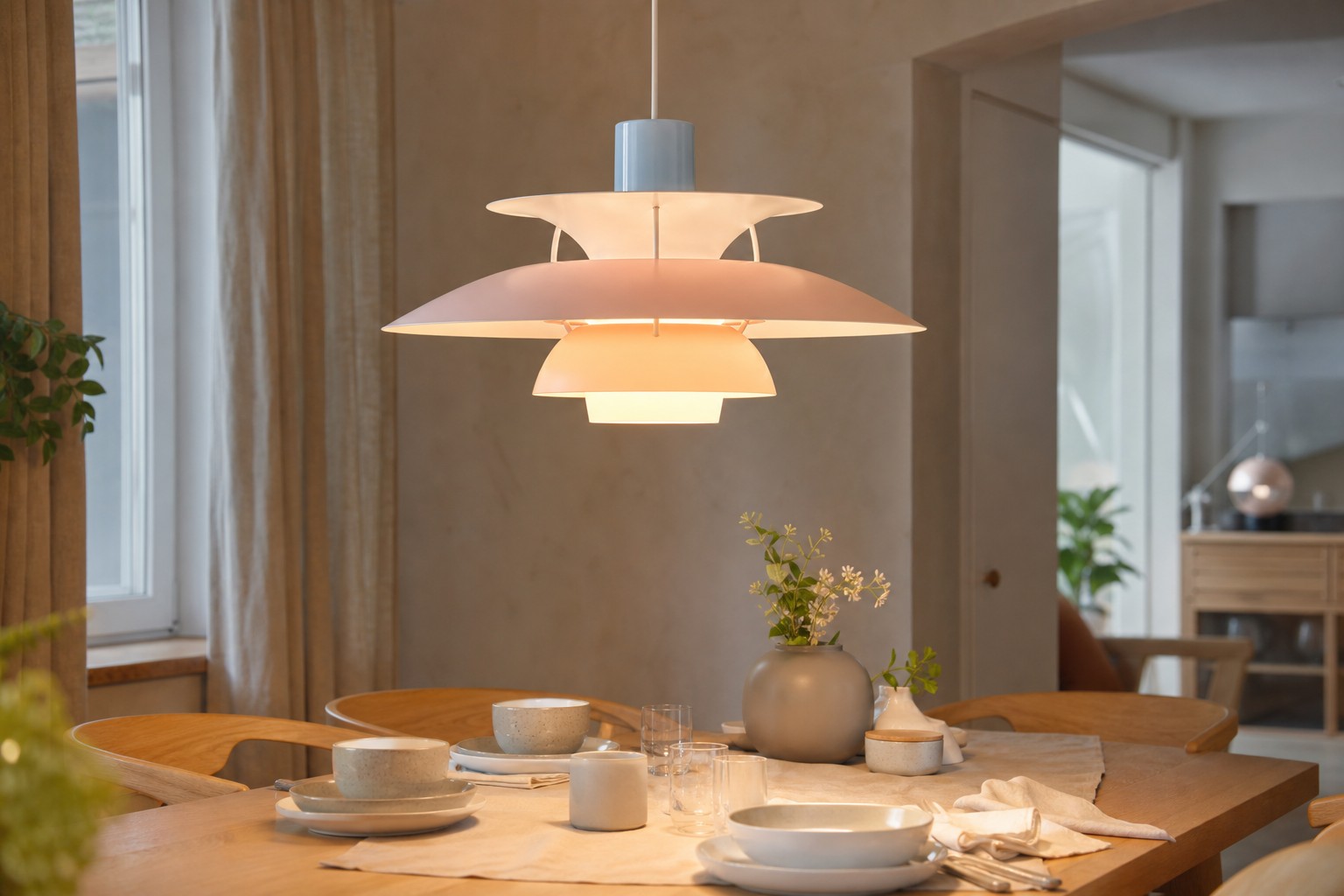
Layered metal pendant lights are returning because modern homes need more than clean lines. People want fixtures that add shape, create a softer center over the table, and make open rooms feel warmer in the evening.
This is not only nostalgia. It is a practical move away from flat ceiling lighting, exposed bulbs, and rooms that look minimal but feel cold after dark.
What a Layered Metal Pendant Adds
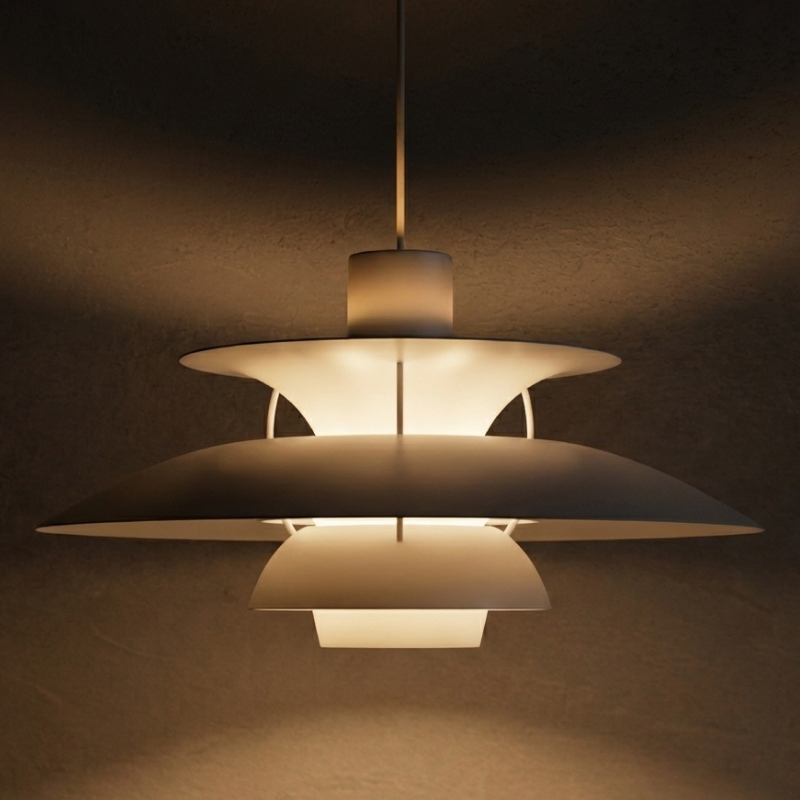
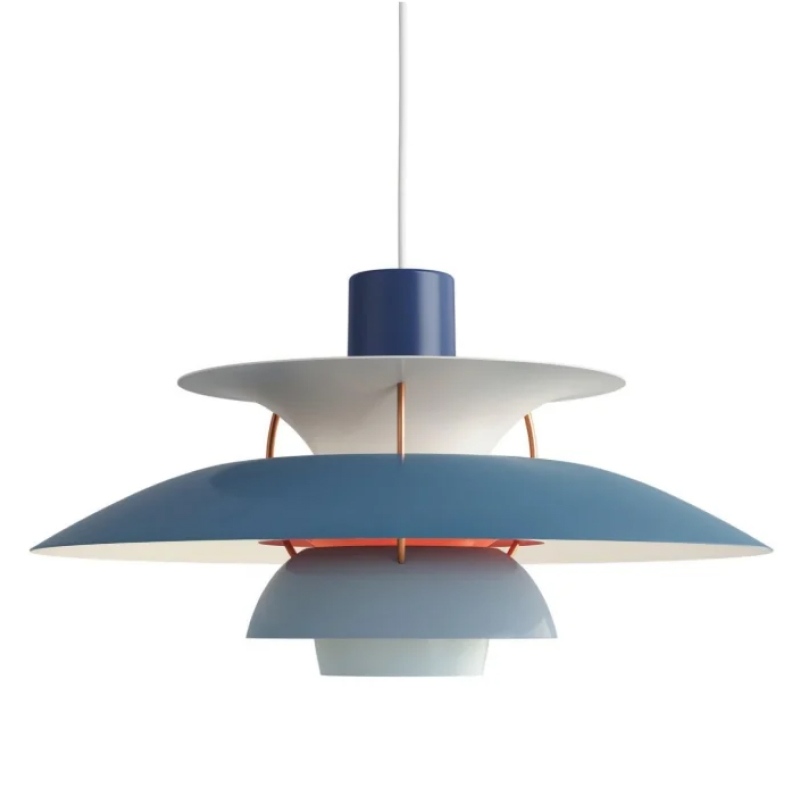
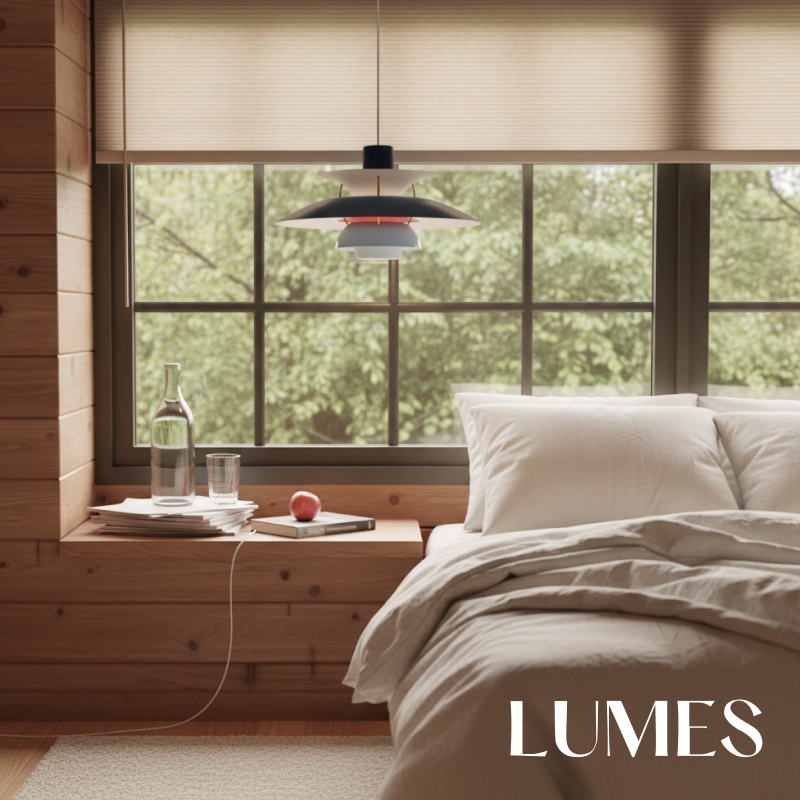
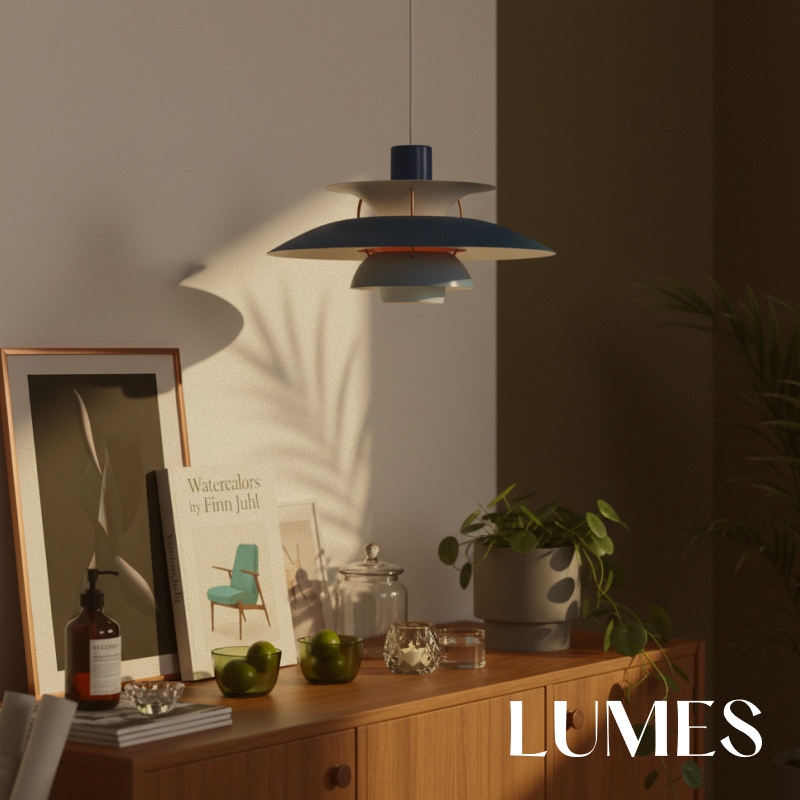
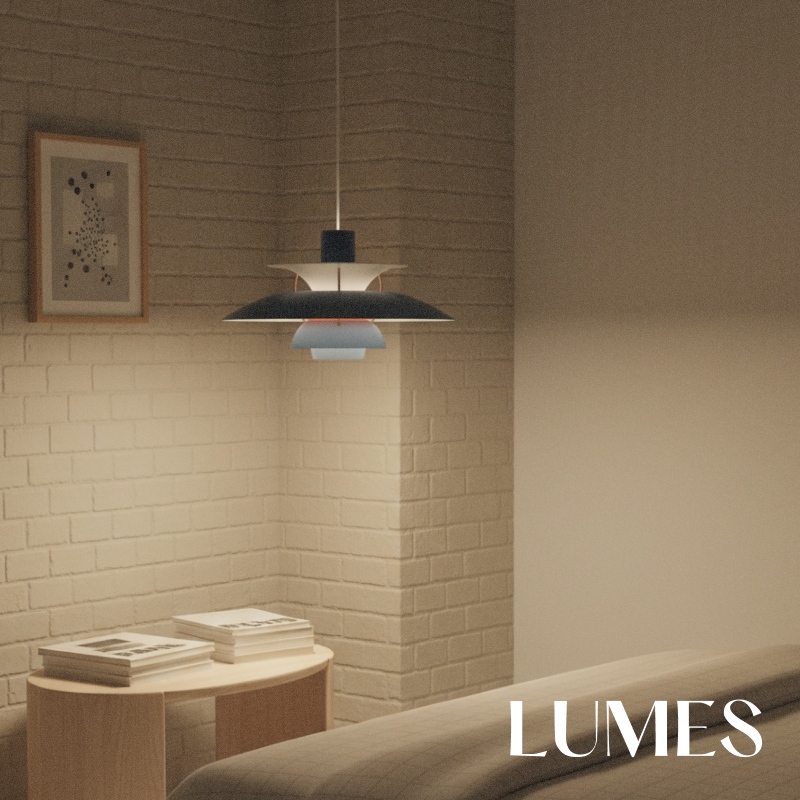
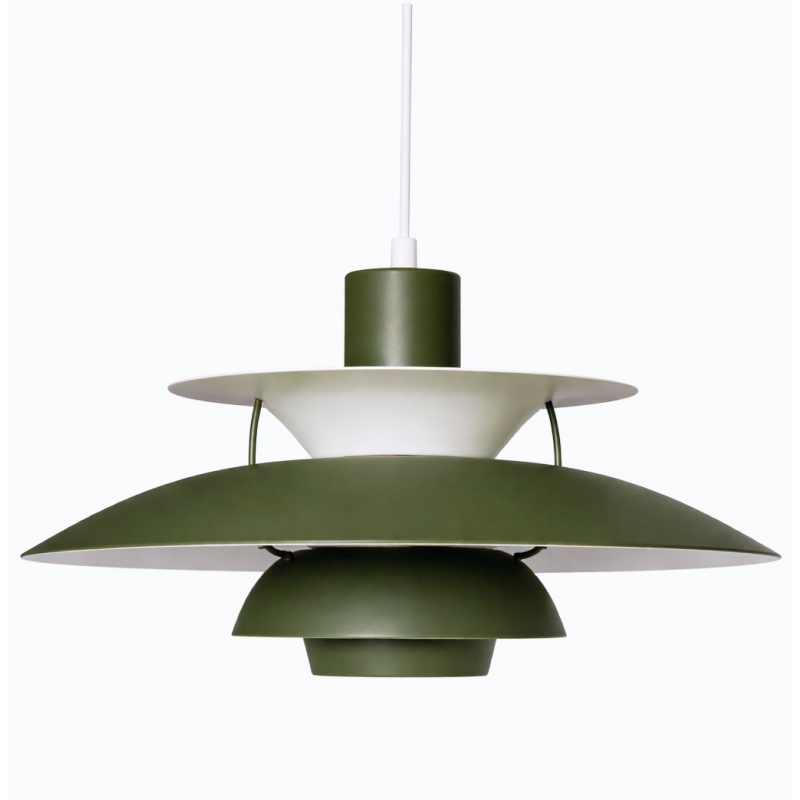
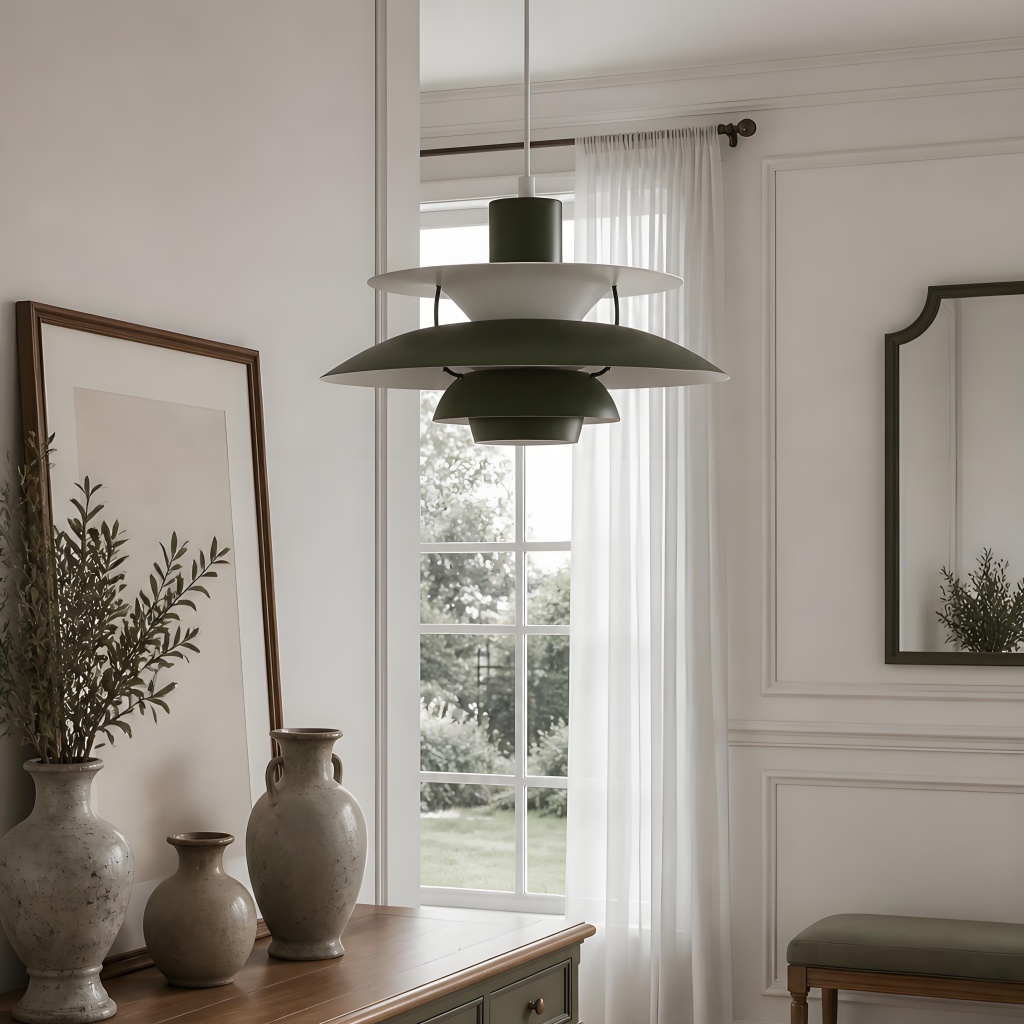
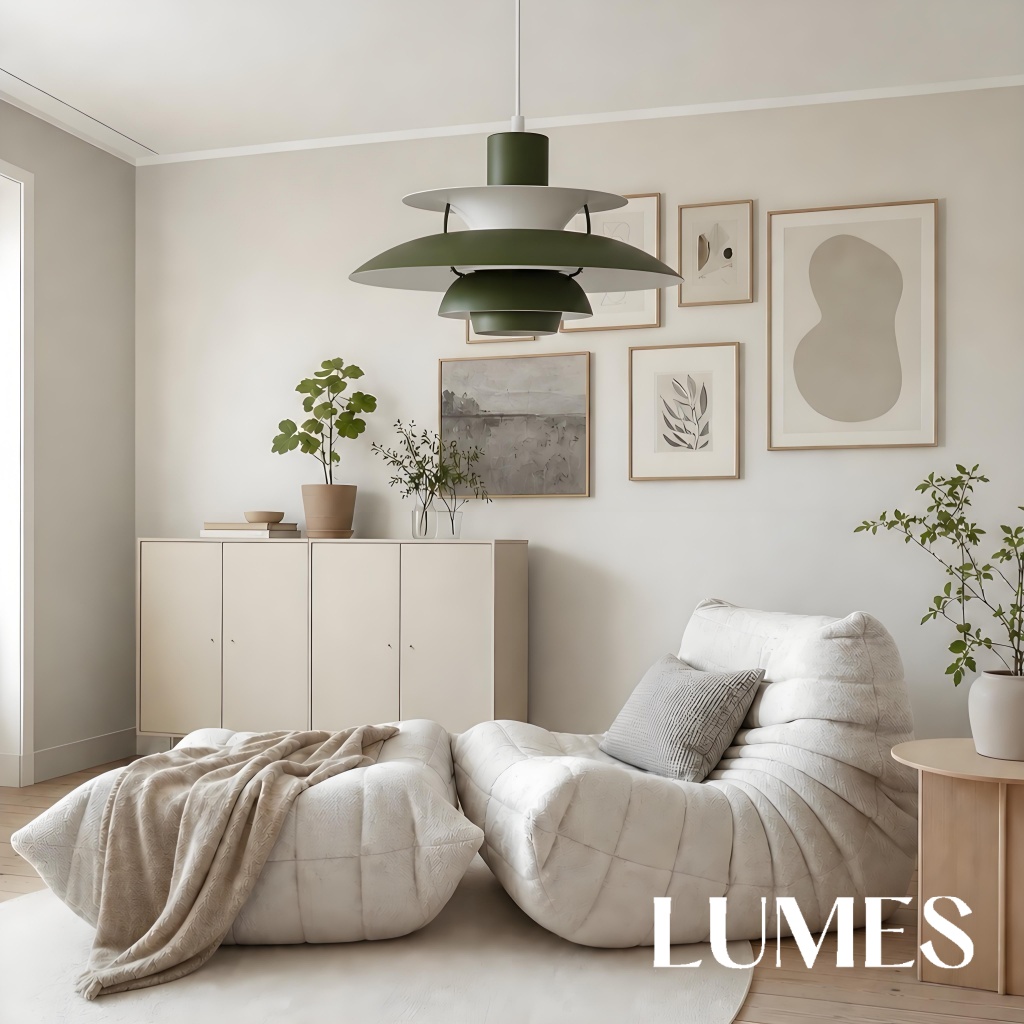
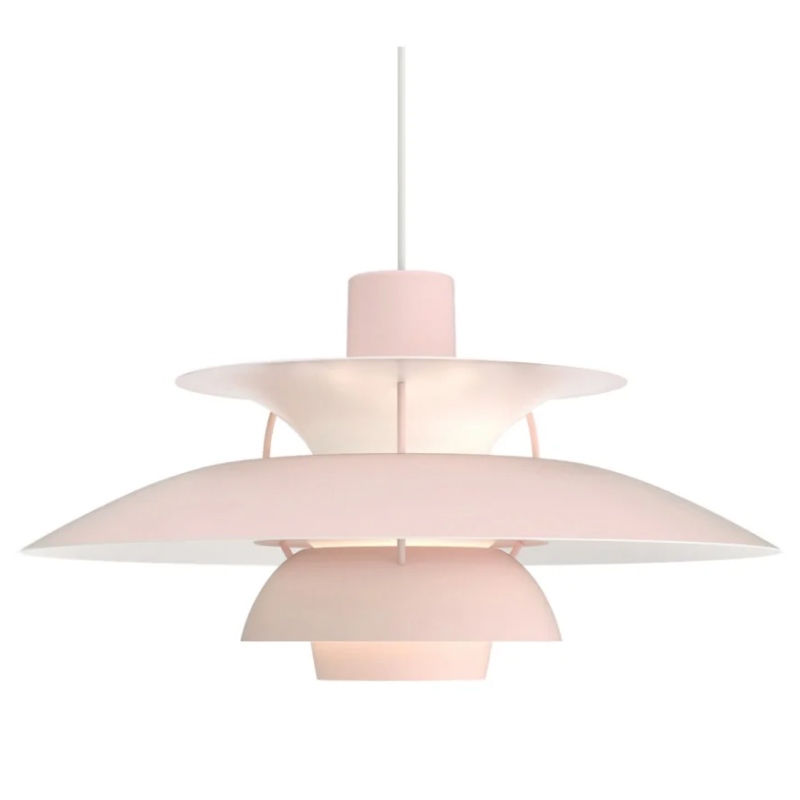
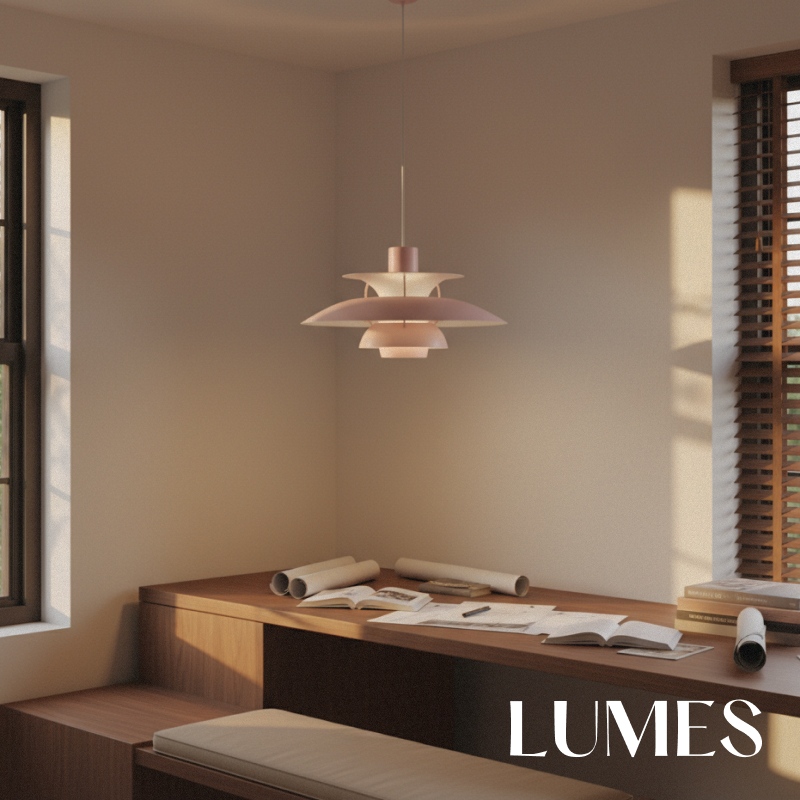
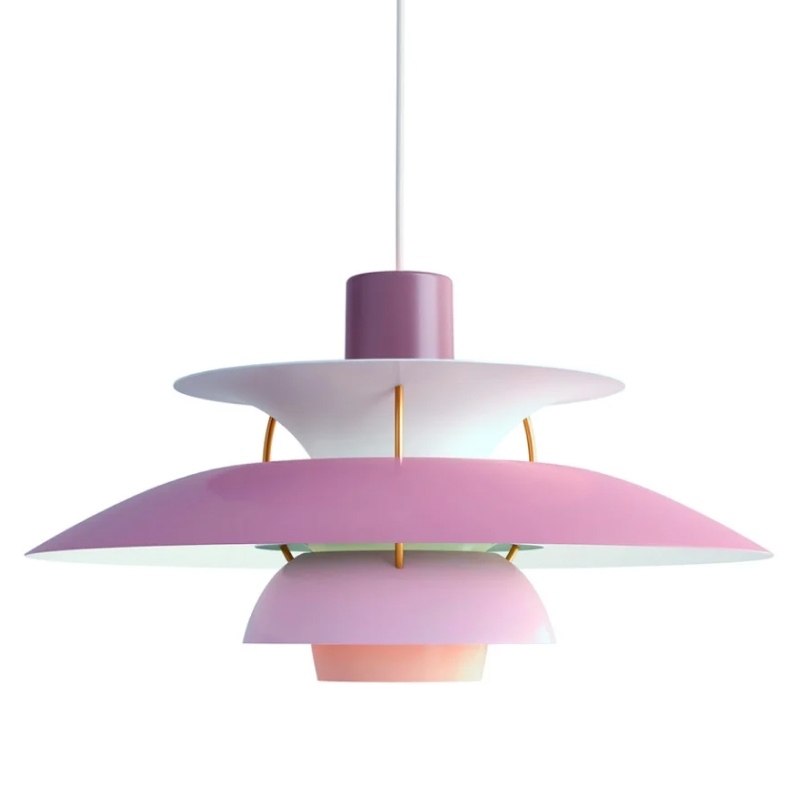
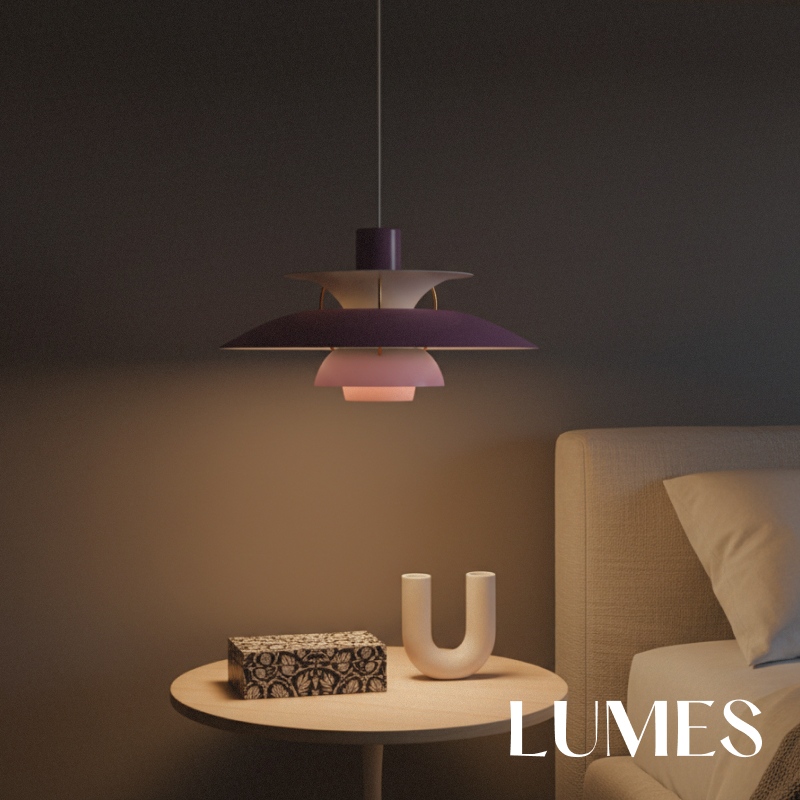
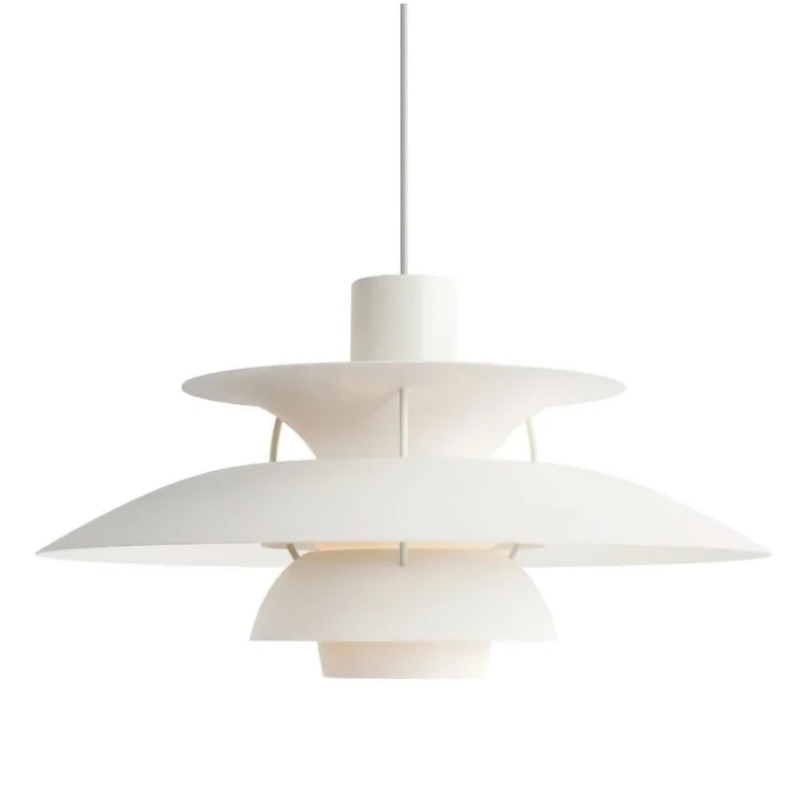
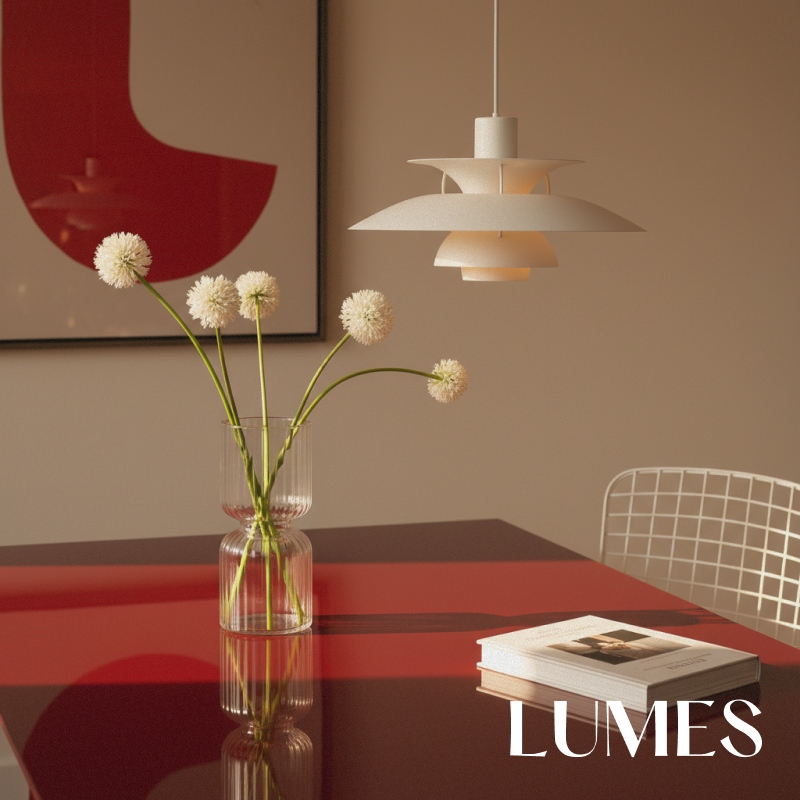
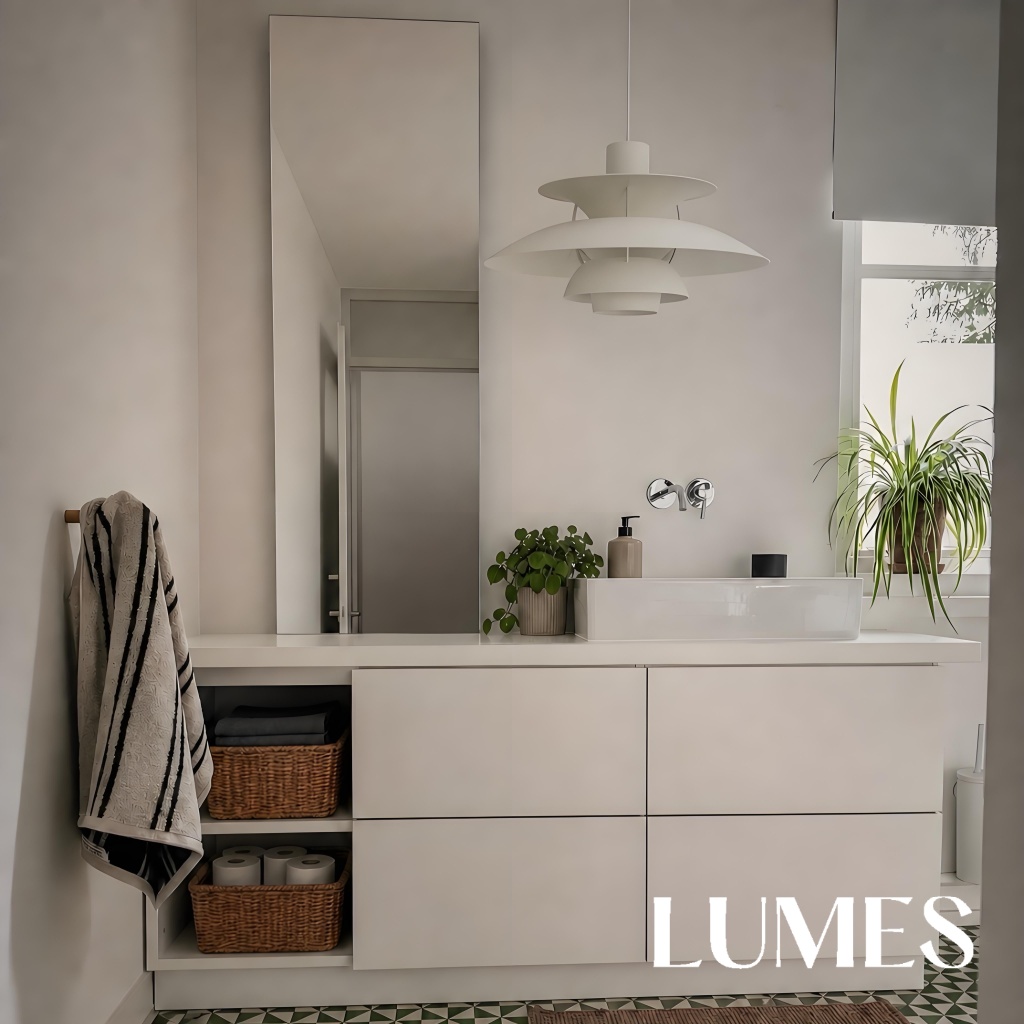
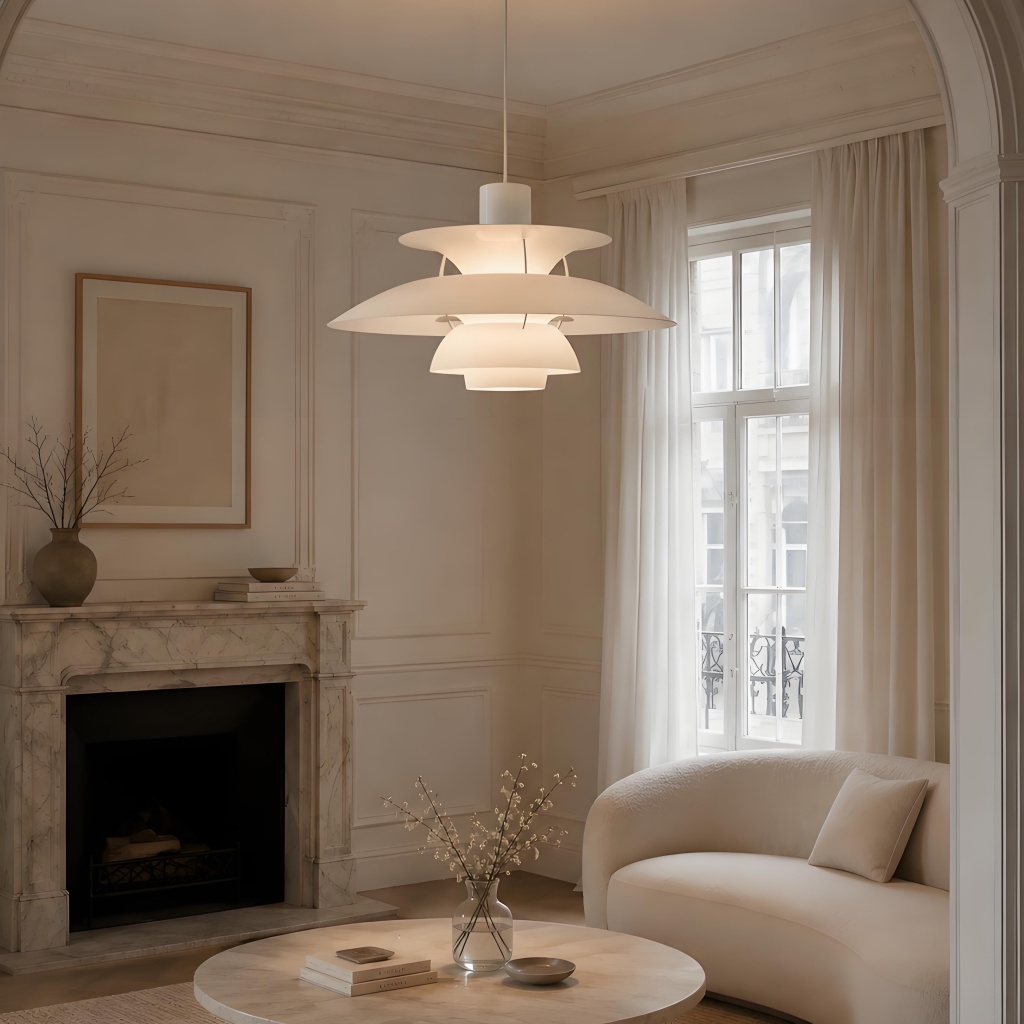
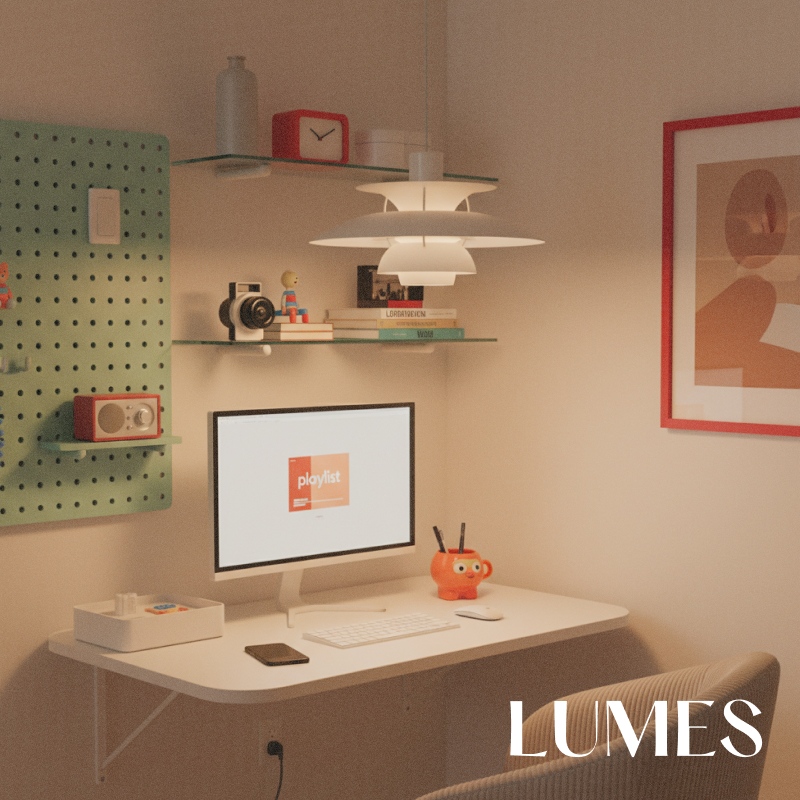
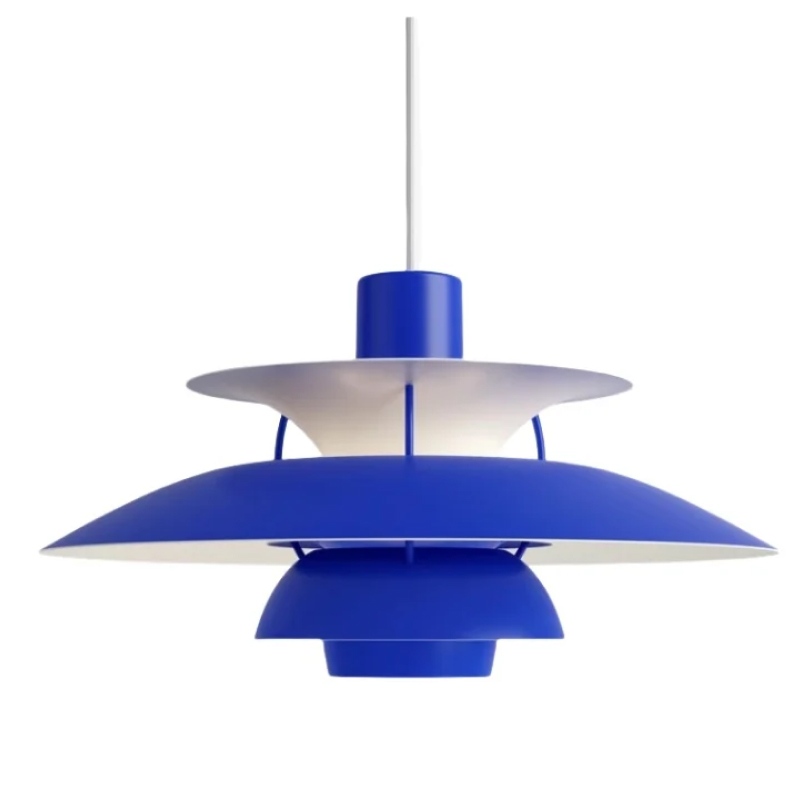
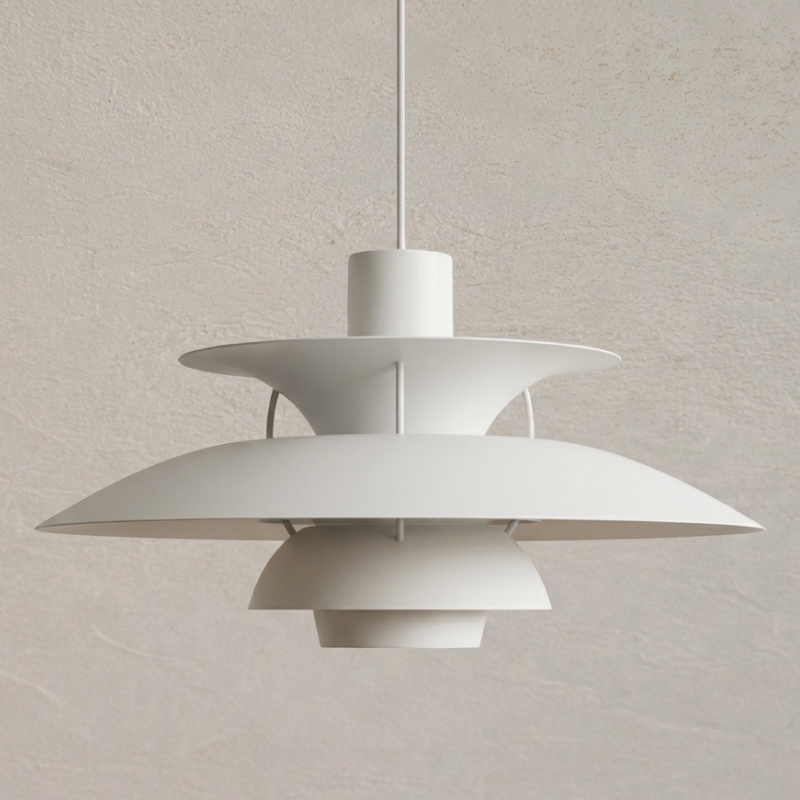
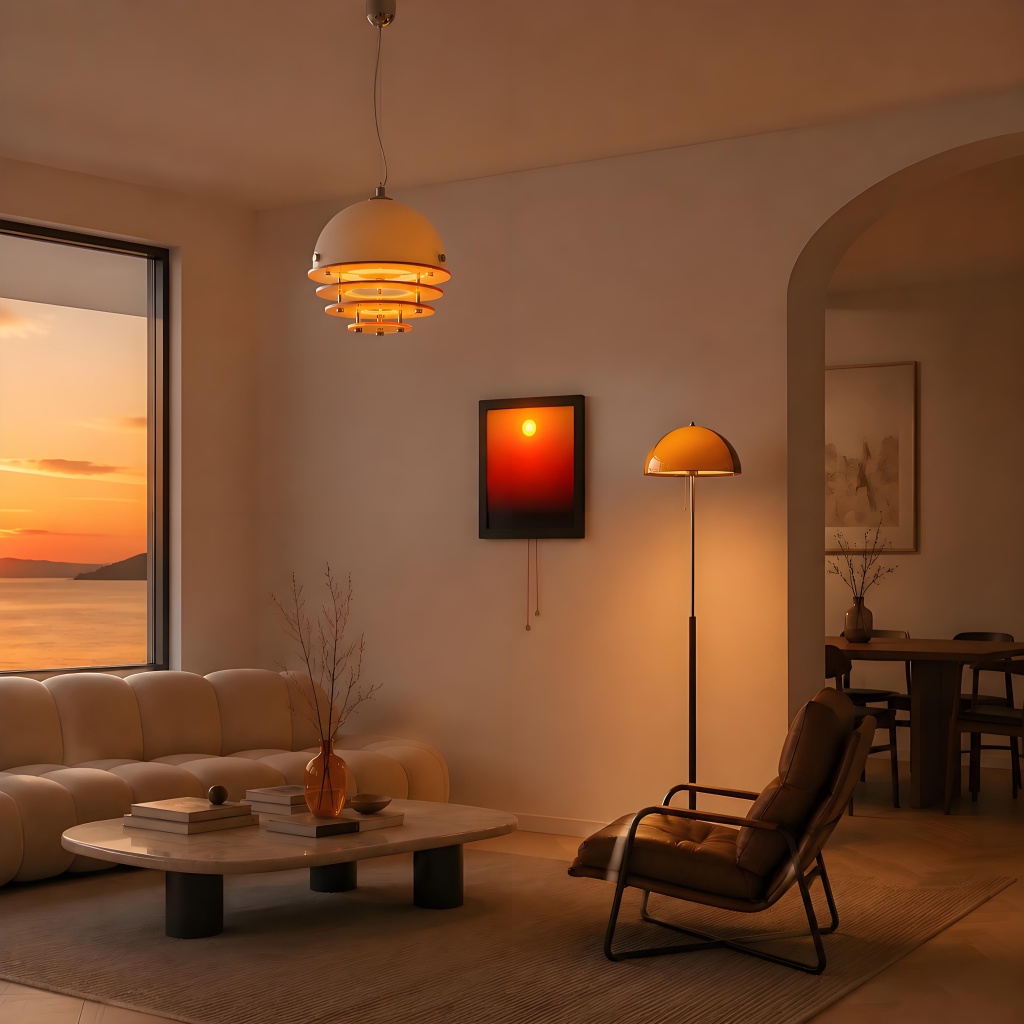
A layered pendant uses overlapping shade surfaces to shape light before it reaches the room. The stacked edges give the fixture depth, while metal keeps the silhouette crisp and durable. This style works because it gives the room several things at once: a recognizable Nordic-inspired silhouette, softer dining light, durable metal construction, and enough warmth to sit naturally with wood, plaster, linen, and ceramic.
When comparing pendant lights, focus on what the fixture will do in your own space: whether it softens glare, anchors the table, suits the ceiling height, and complements the materials you already have.
1. Dining Rooms Need a Softer Center
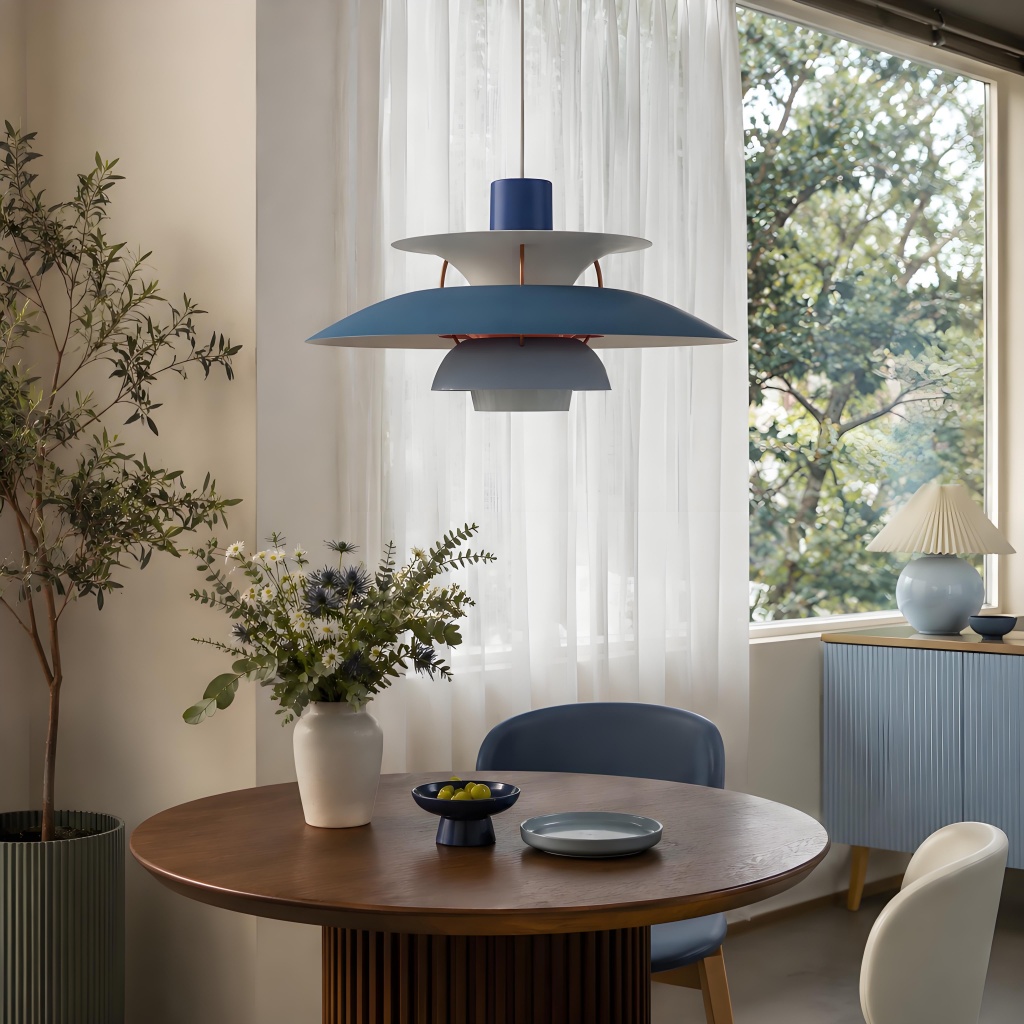
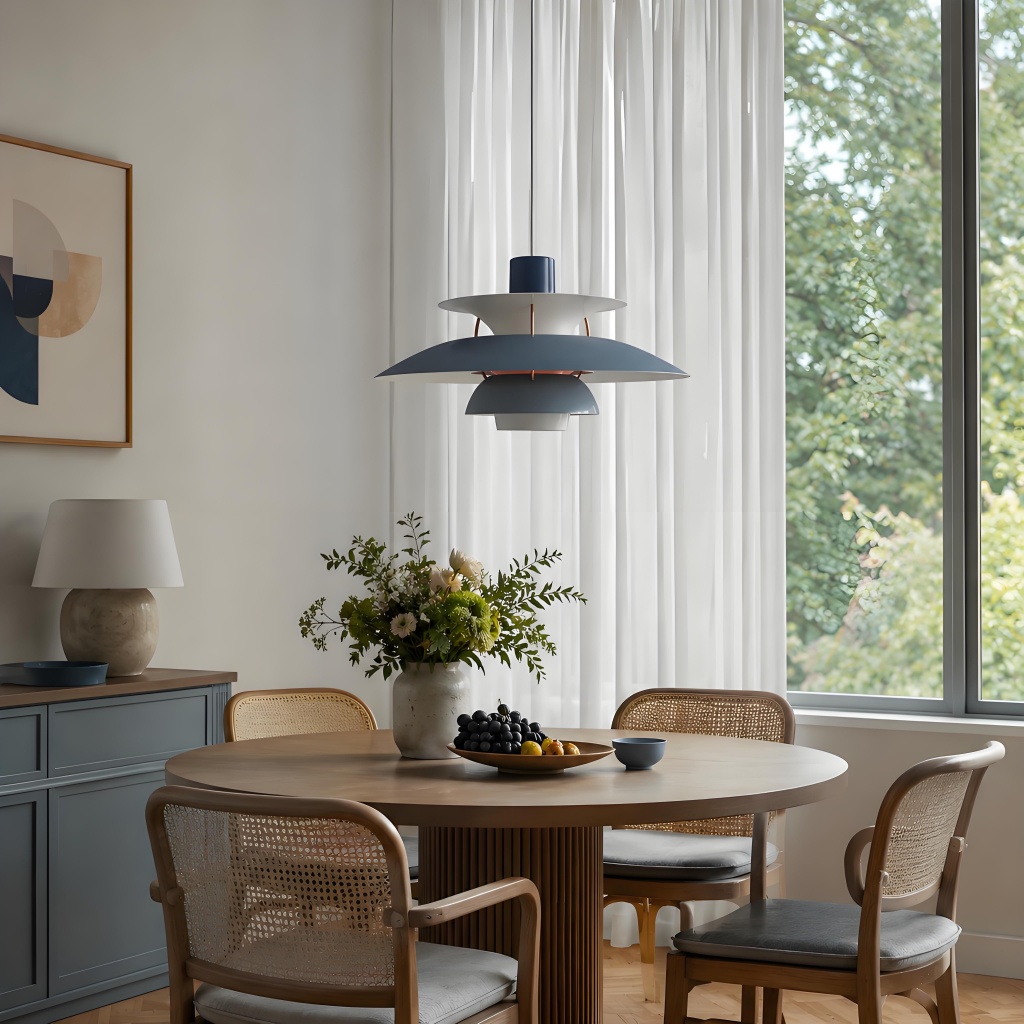
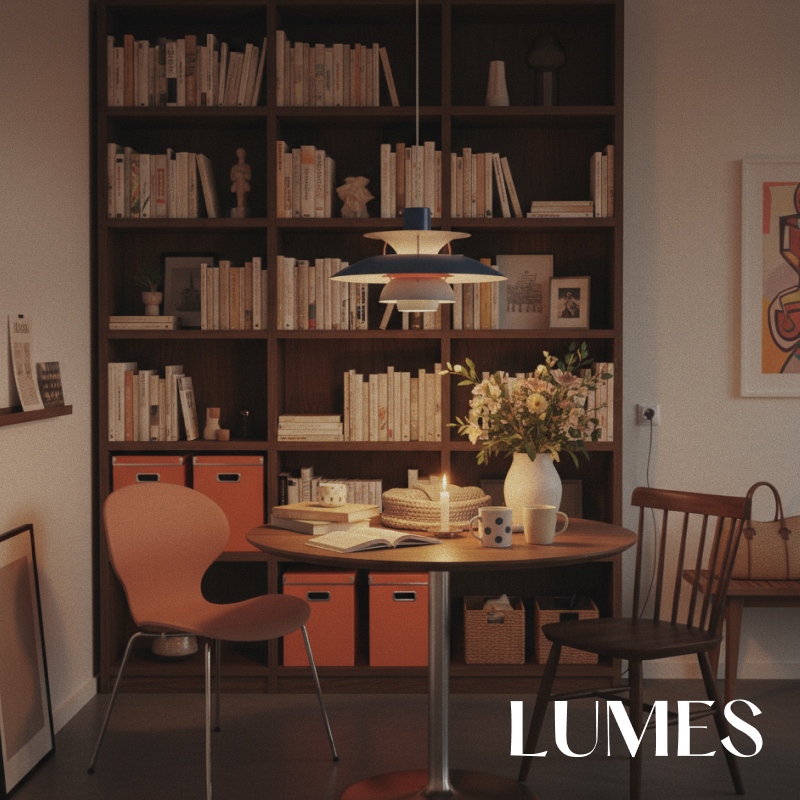
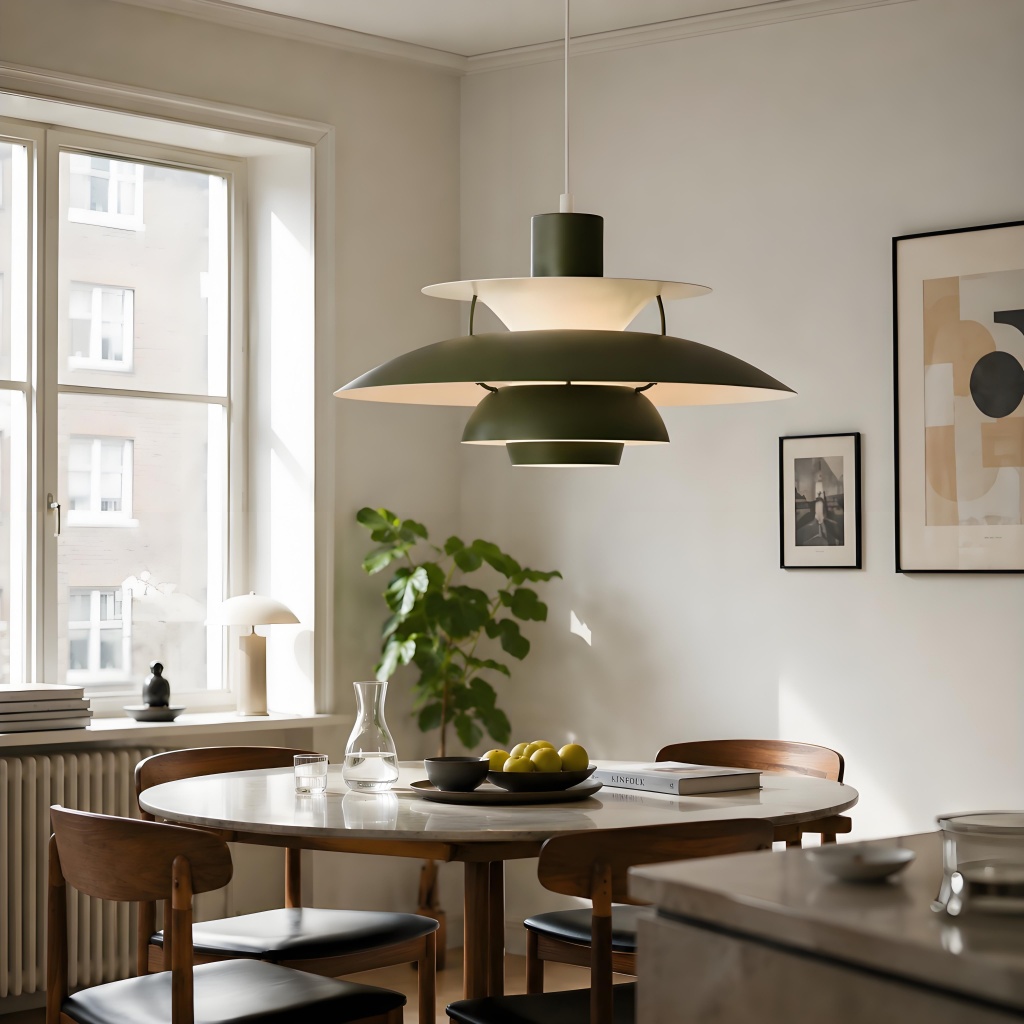
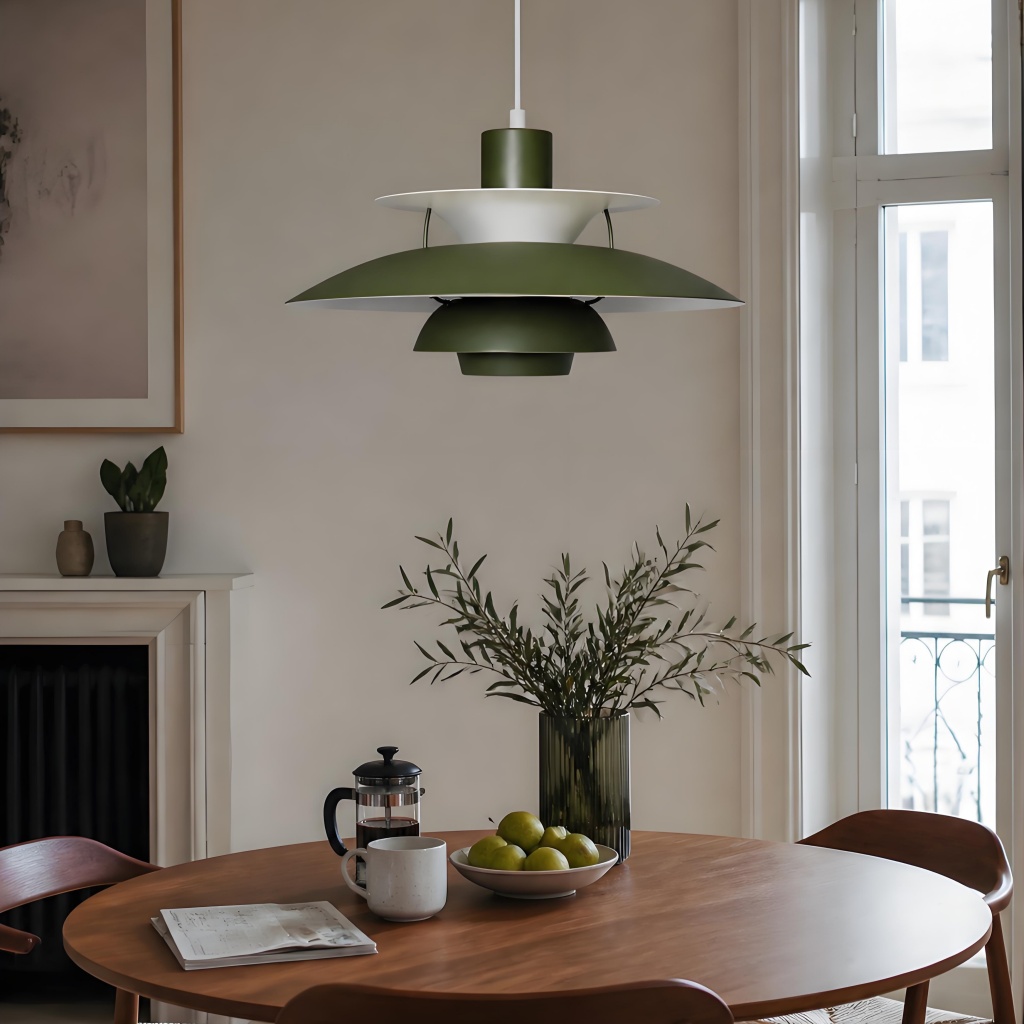
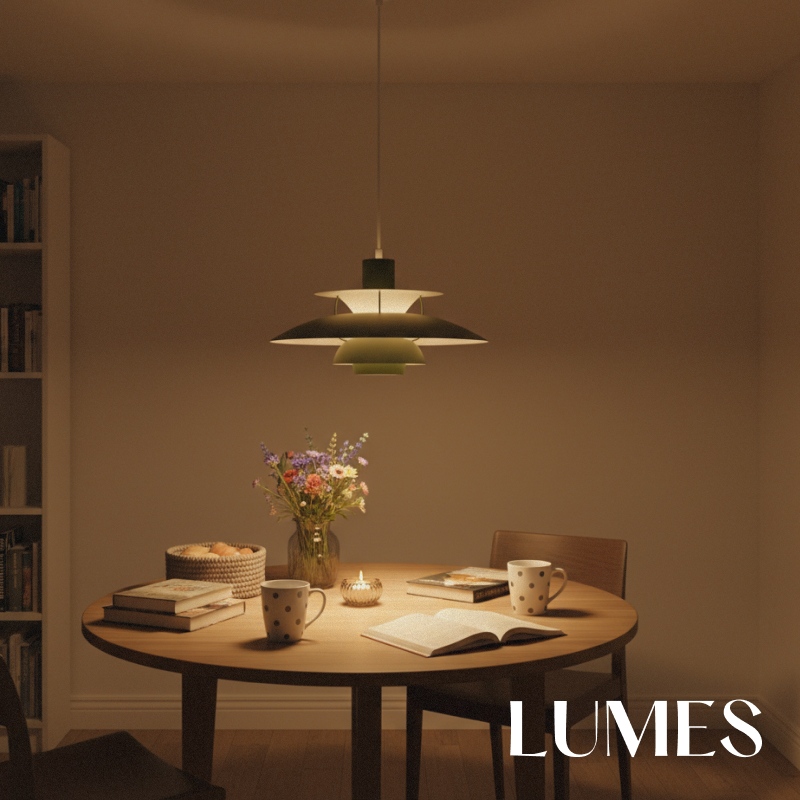
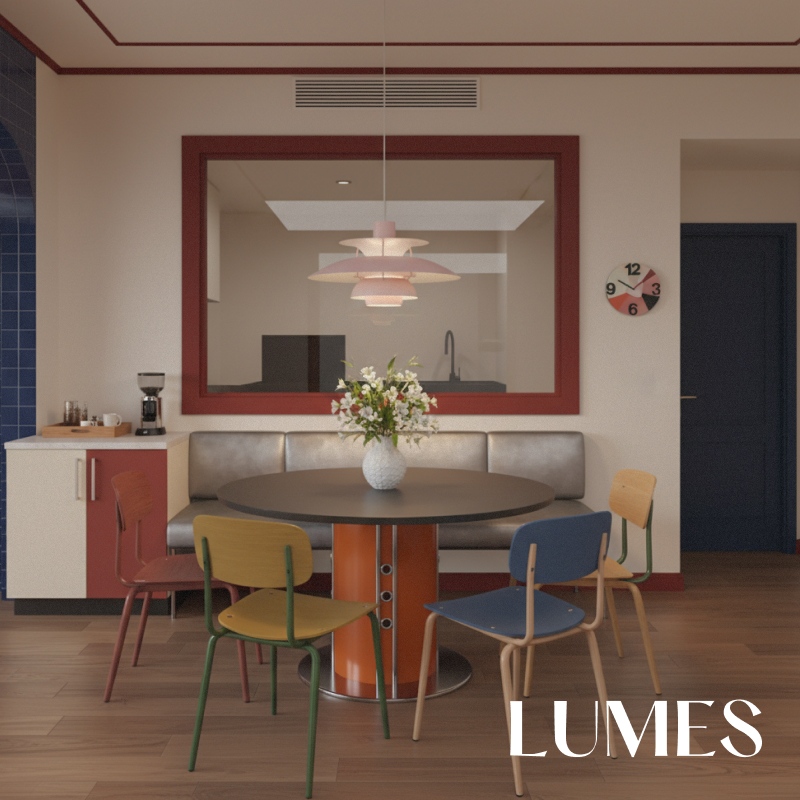
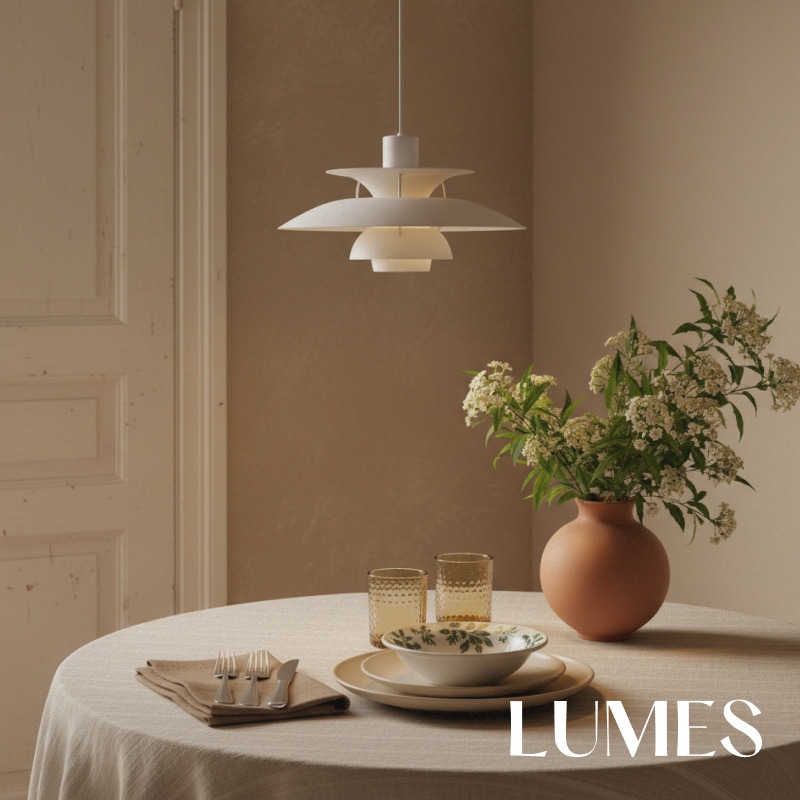
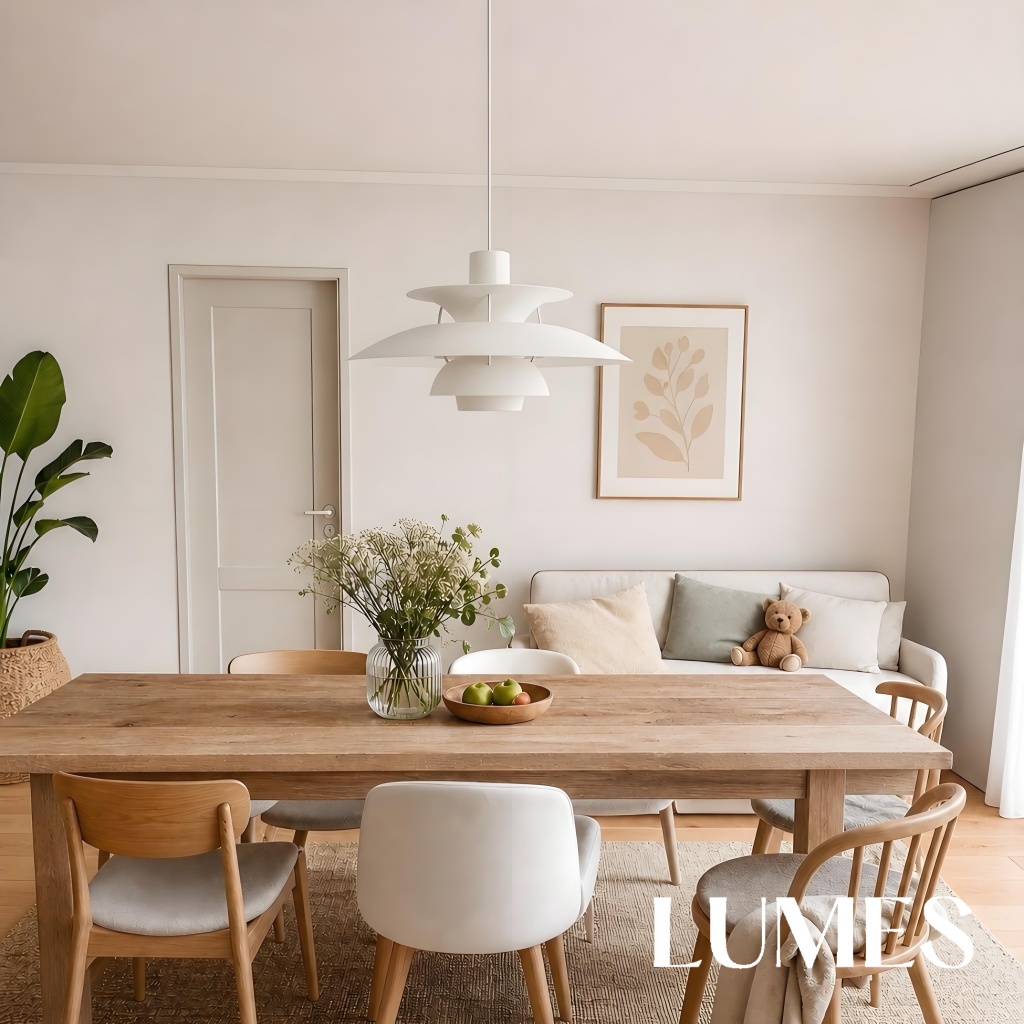
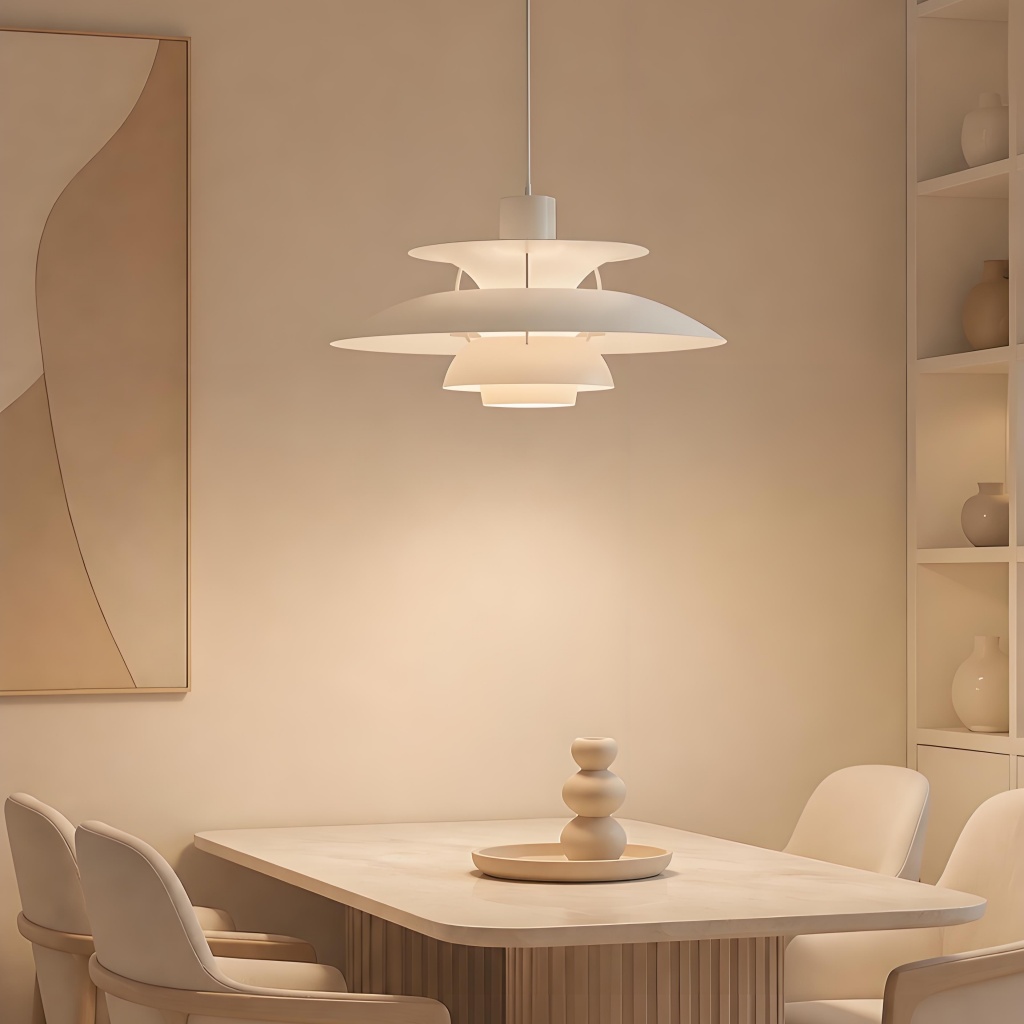
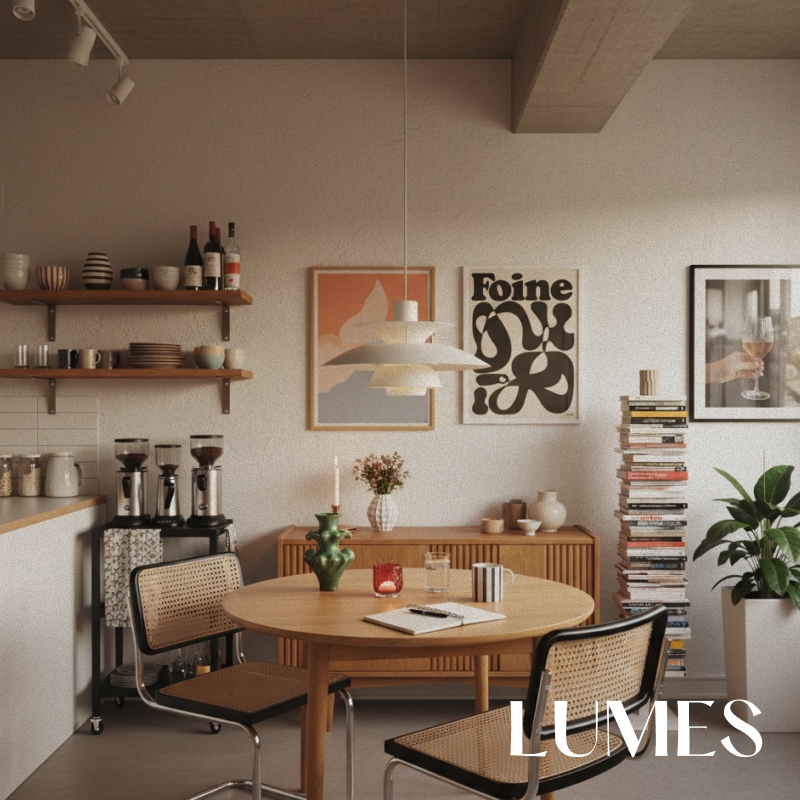
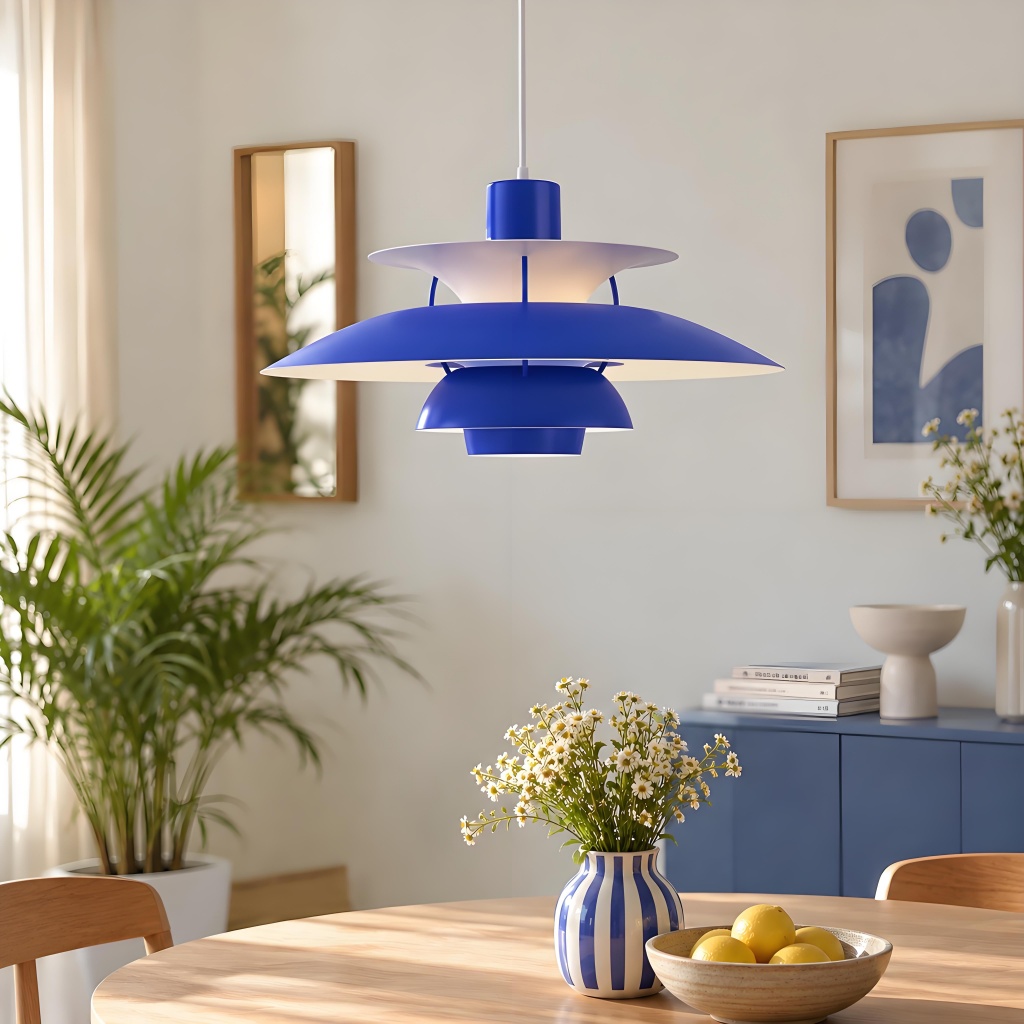
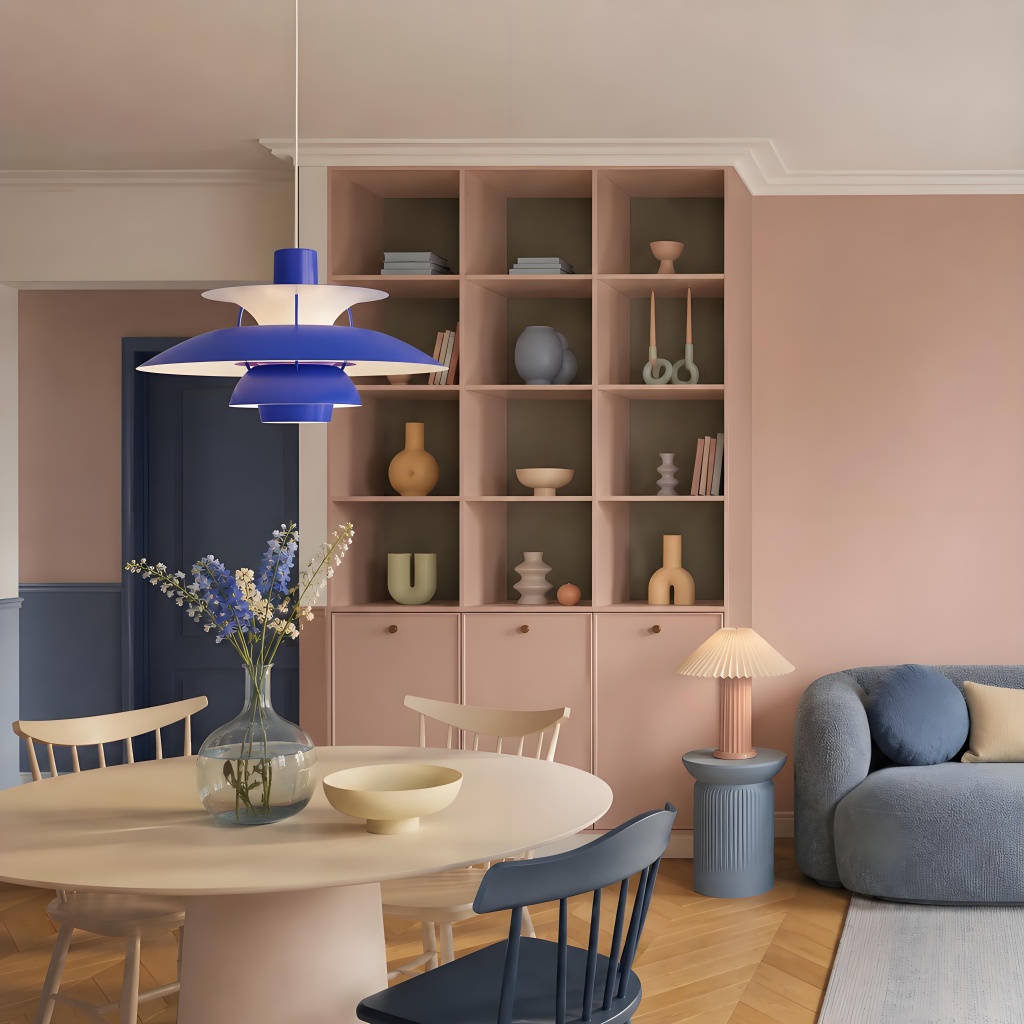
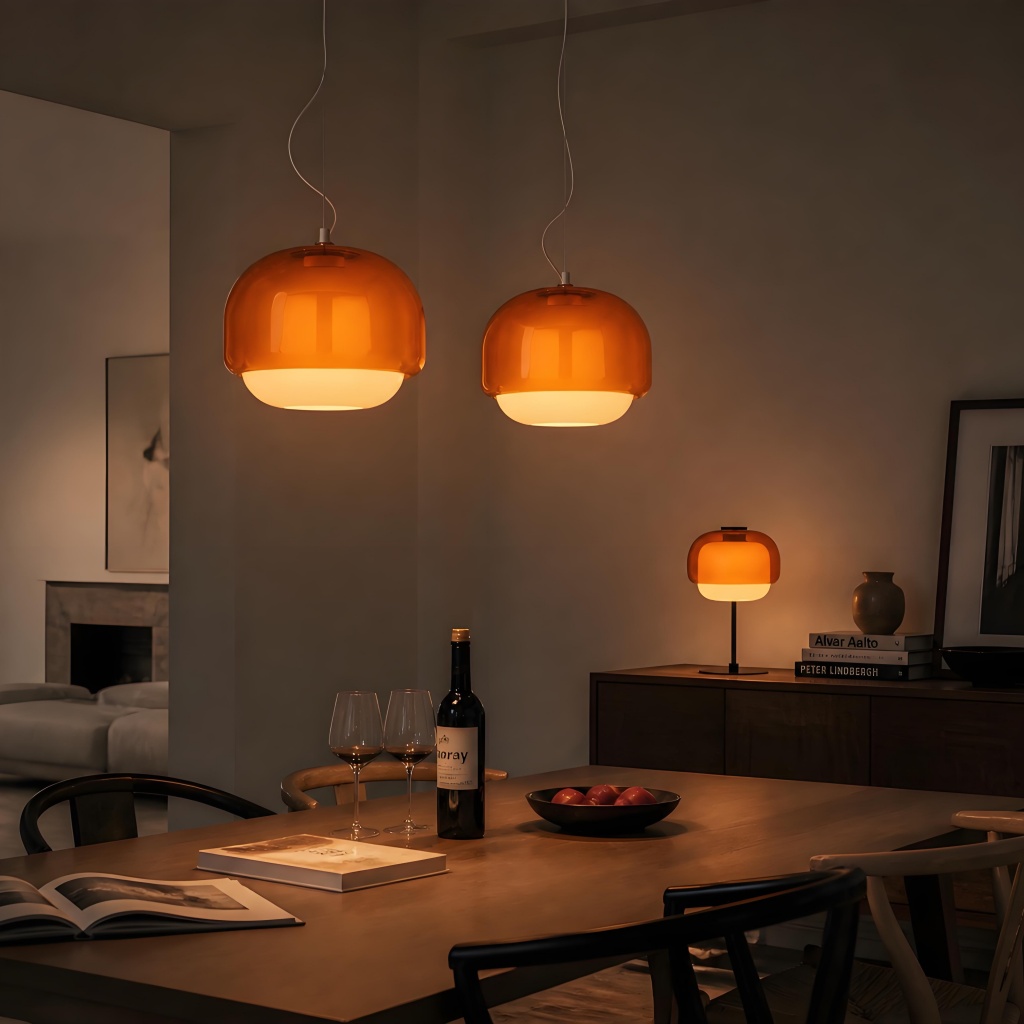
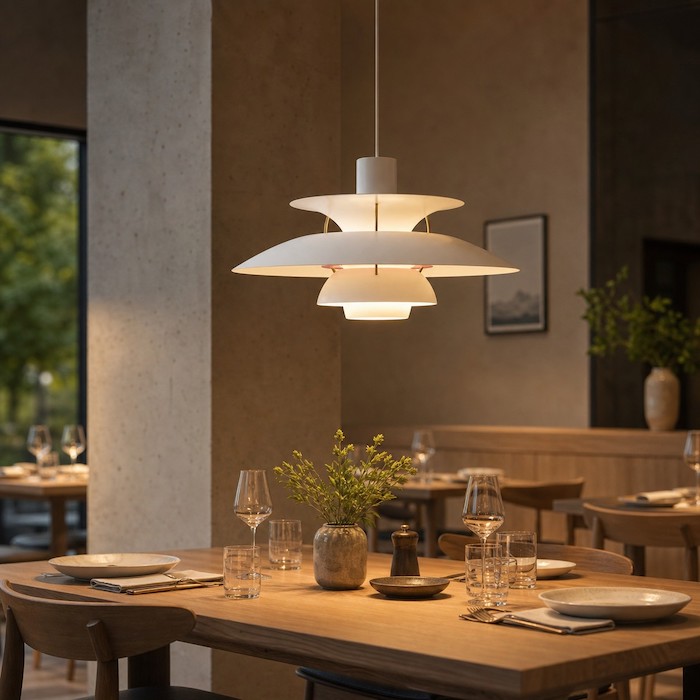
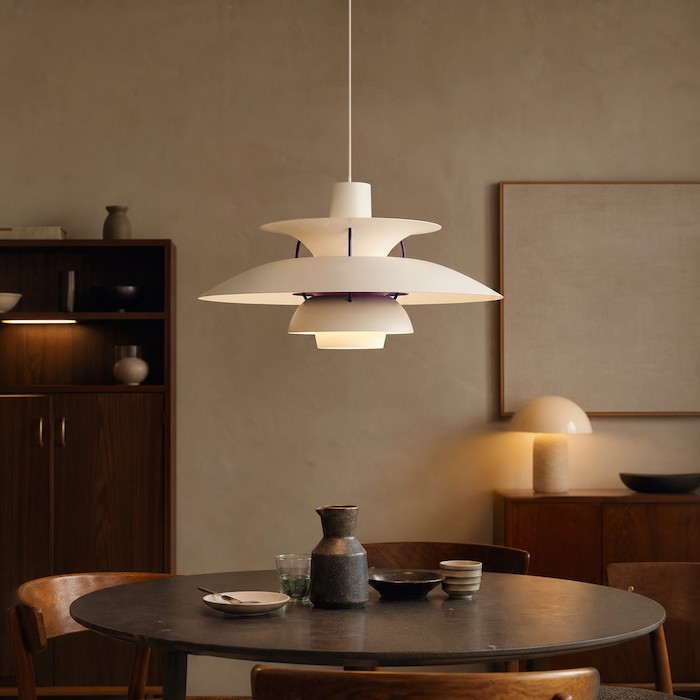
The dining table is the strongest place for this trend. A layered metal pendant gives the table a visual center, softens light above food and faces, and looks interesting from seated eye level. It works especially well with round, oval, and medium rectangular tables.
The Danish-inspired layered metal pendant light fits this direction because its multi-layer shade and metal/aluminum body create a sculptural dining focal point while staying easy to style with warm bulbs and natural materials.
2. Warm Minimalism Needs More Shape
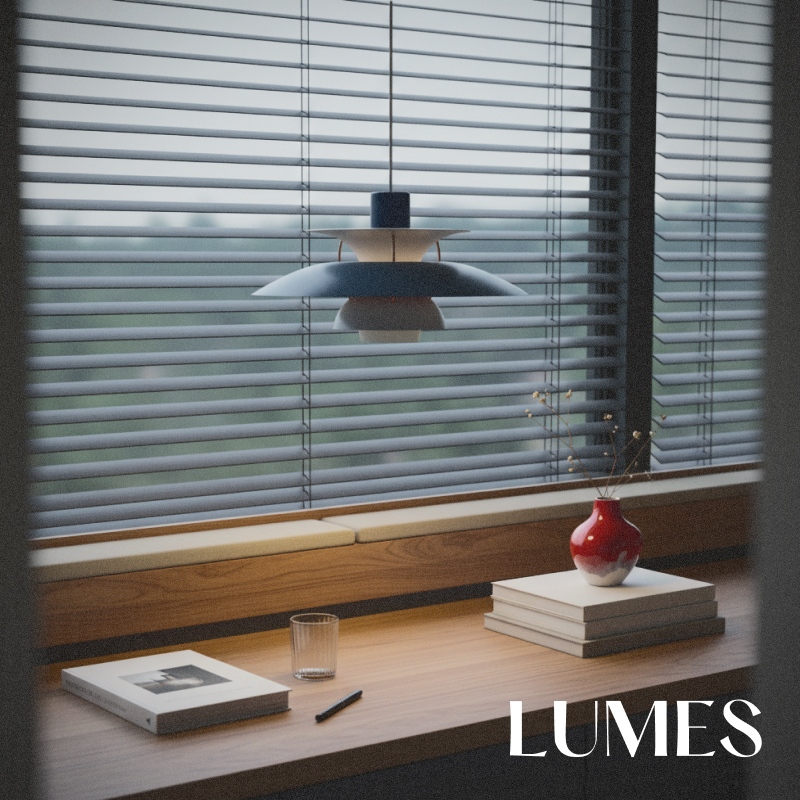
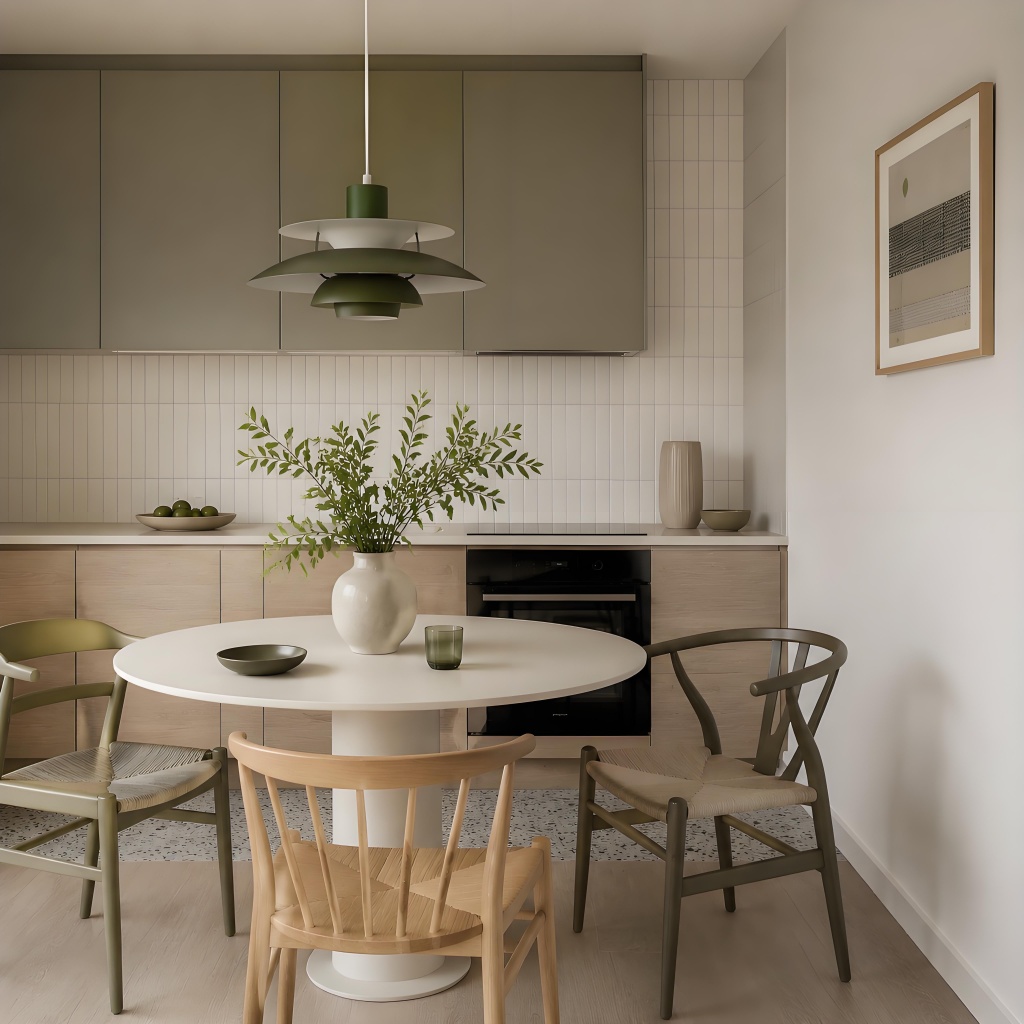
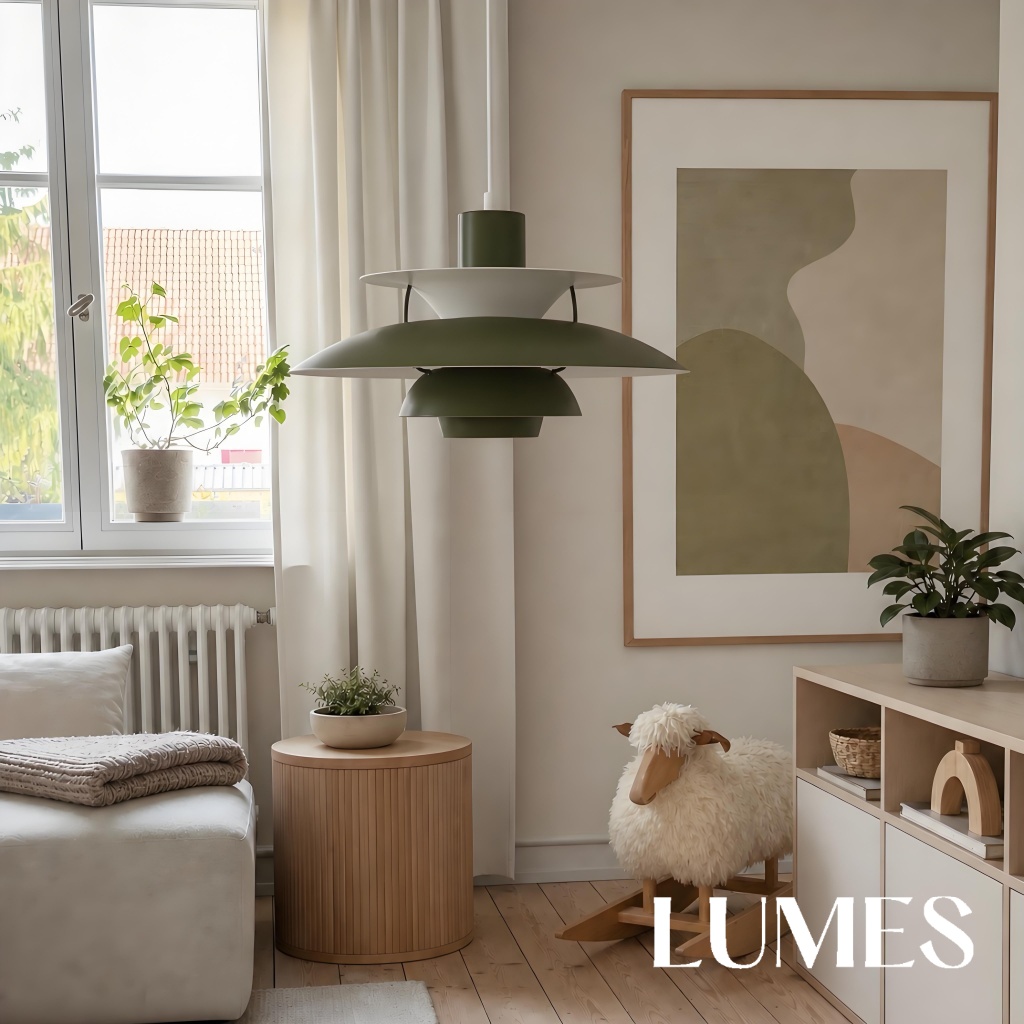
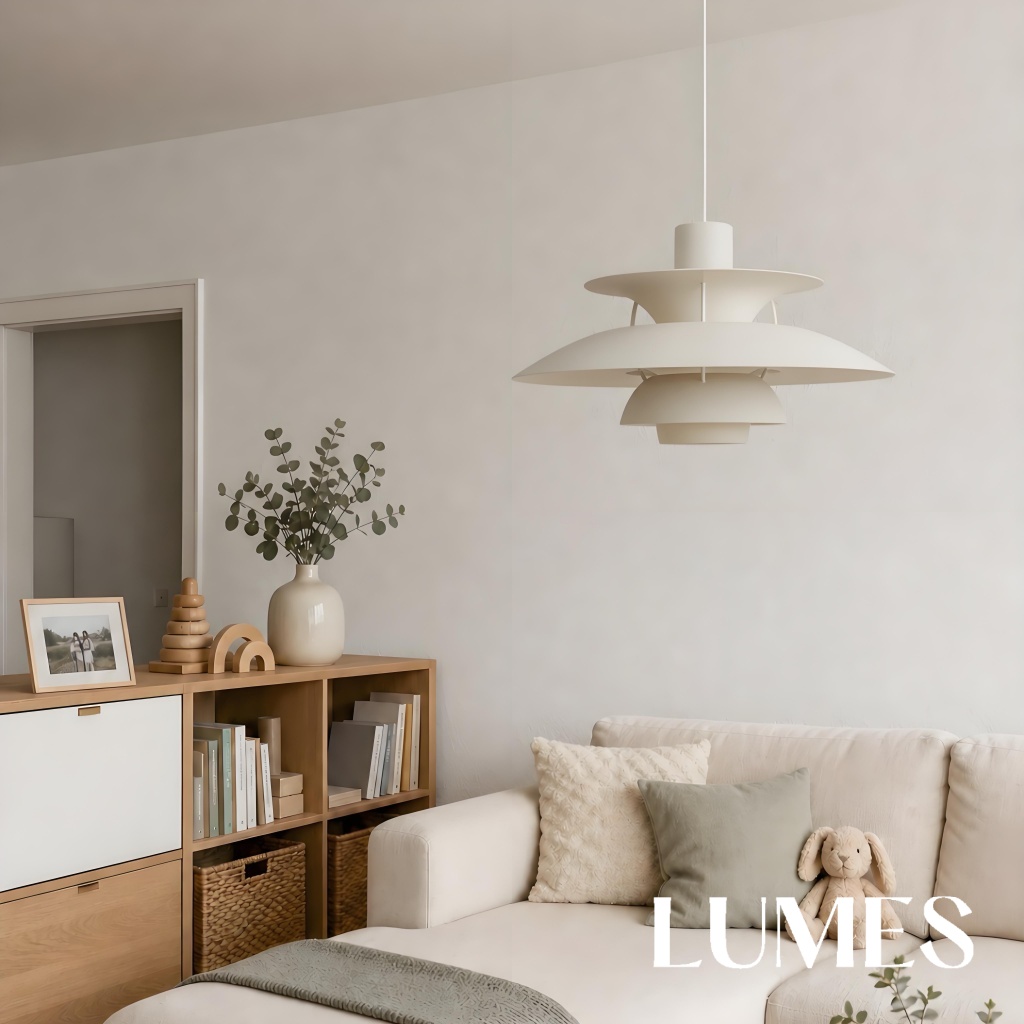
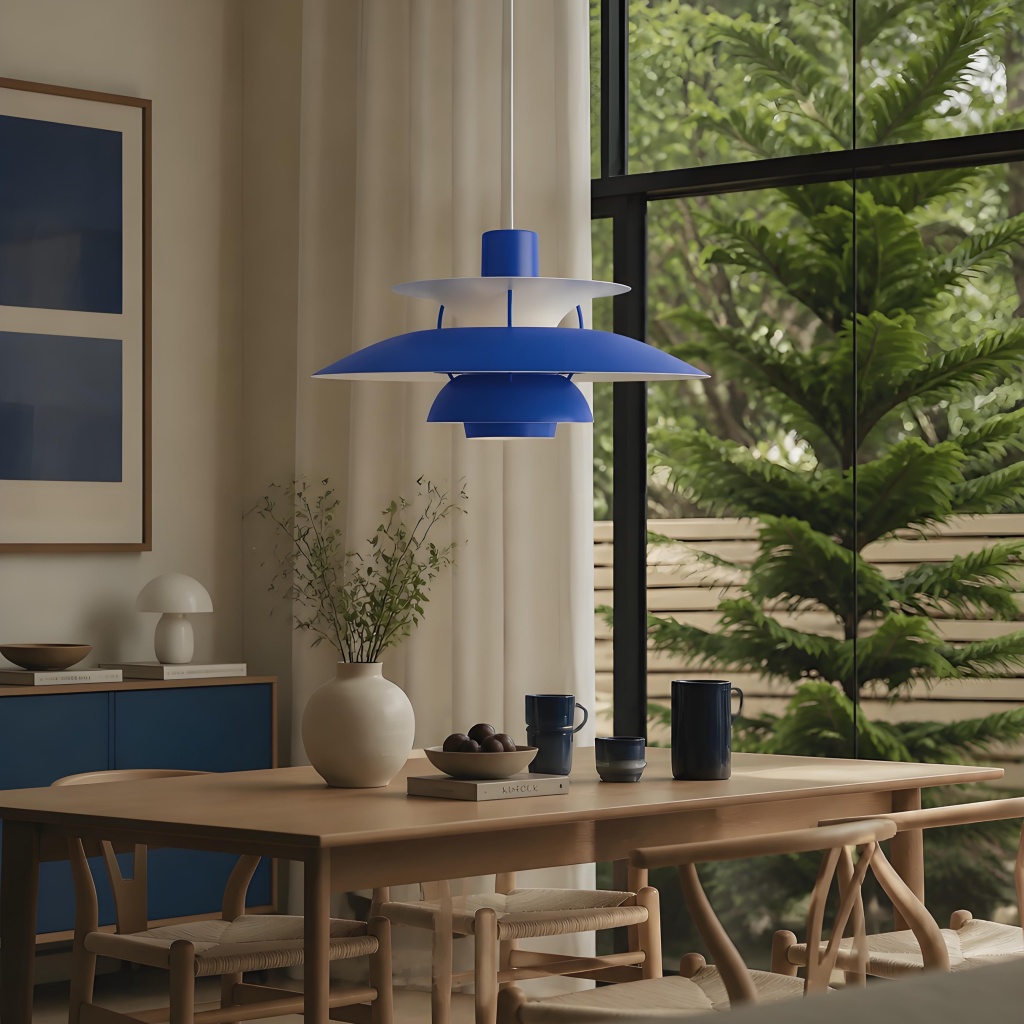
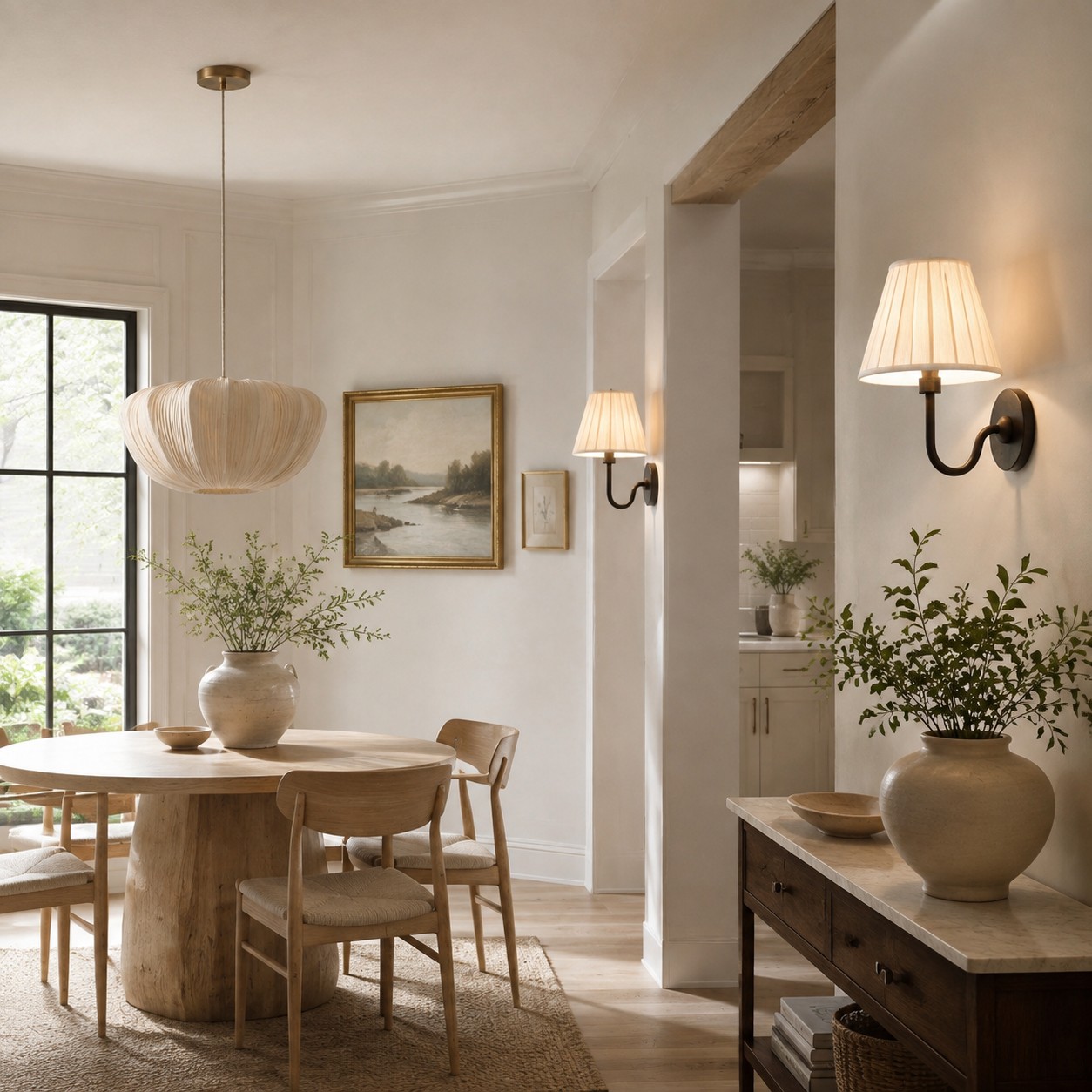
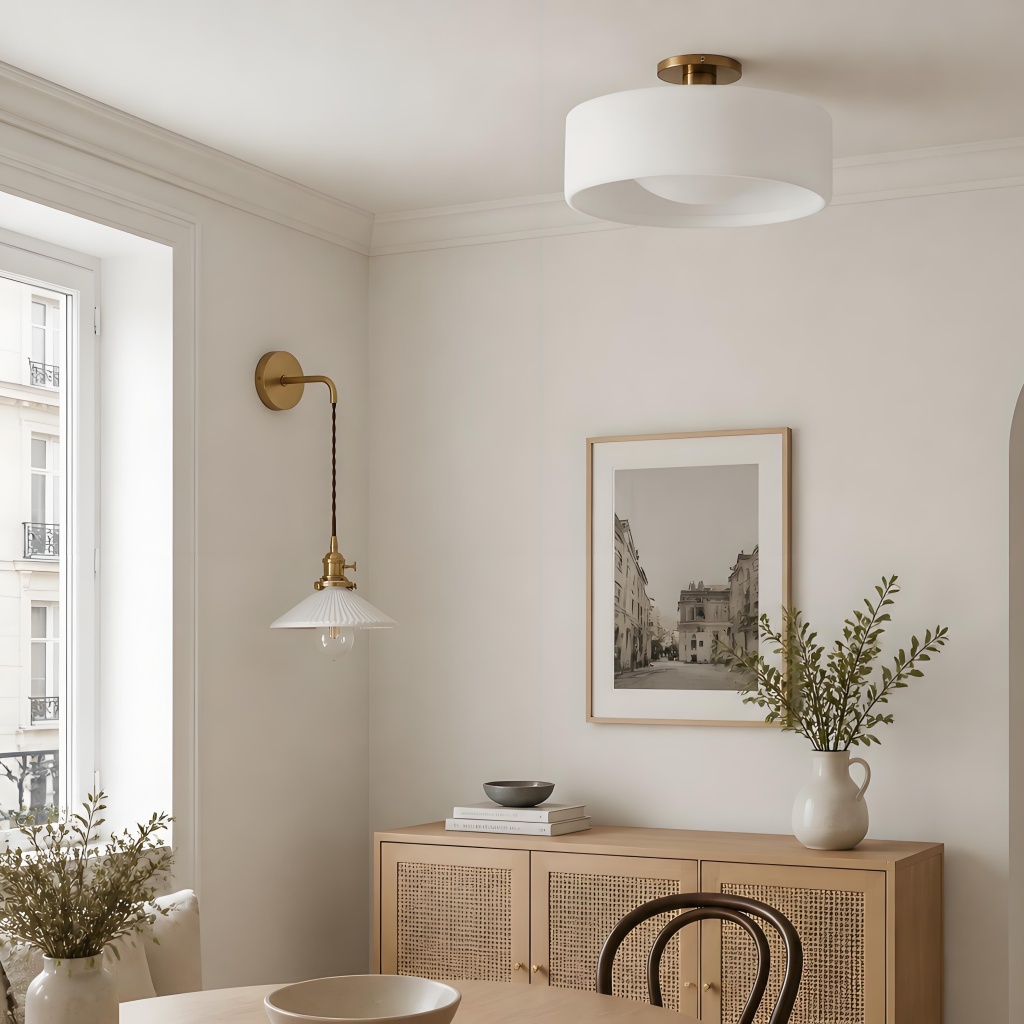
Warm minimalism is edited, not empty. Wood, plaster, linen, stone, and ceramic need a light fixture with enough form to hold the room together. A layered metal pendant adds that detail without the heaviness of ornate lighting.
Keep the table styling low and simple. Let the shade carry the overhead detail, then use chairs, texture, and wall color to support it quietly.
3. Retro-Modern Rooms Need Restraint
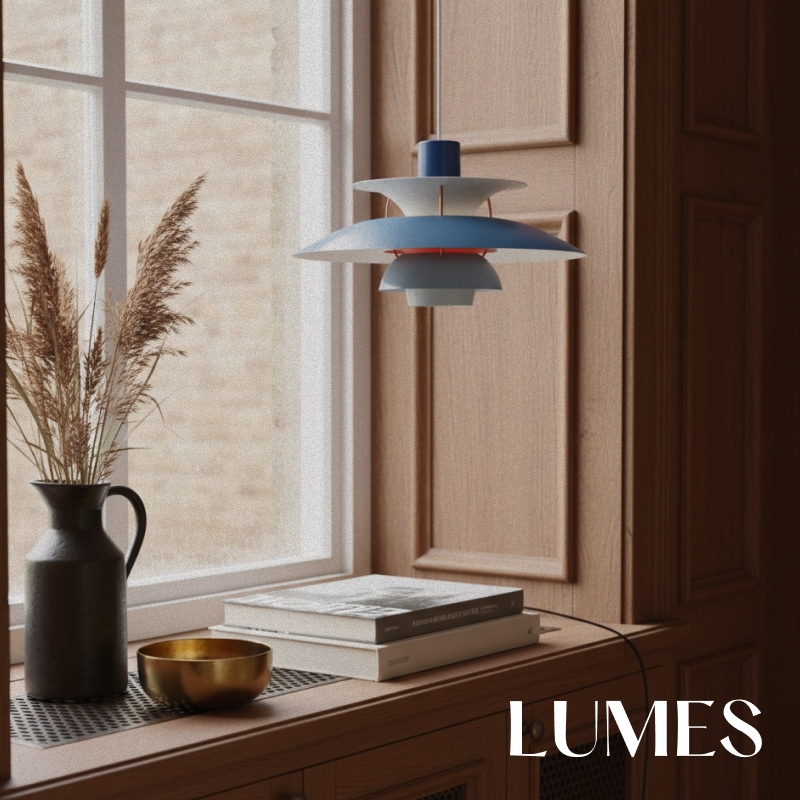
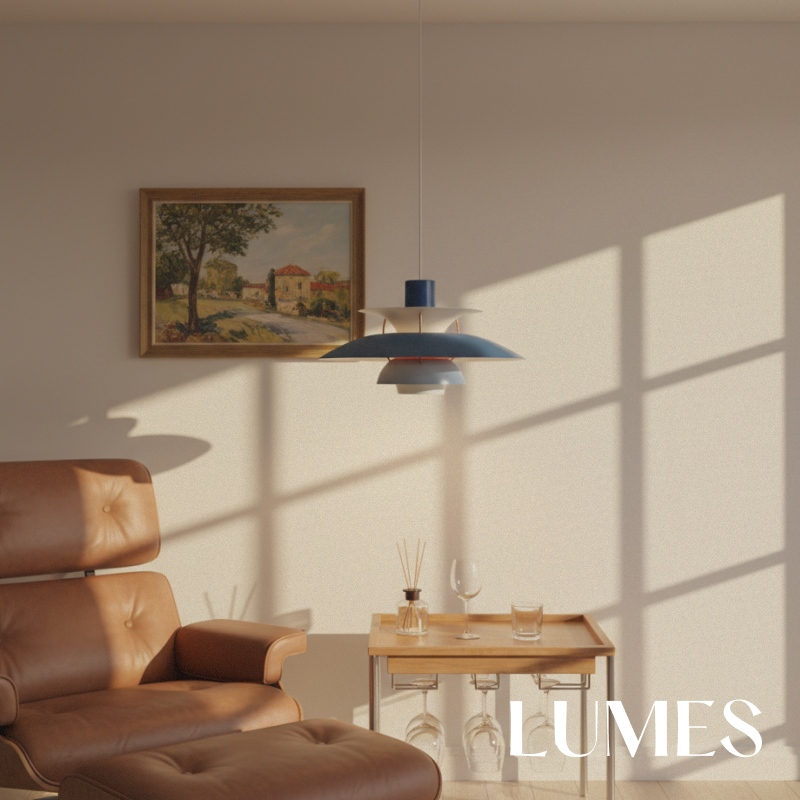
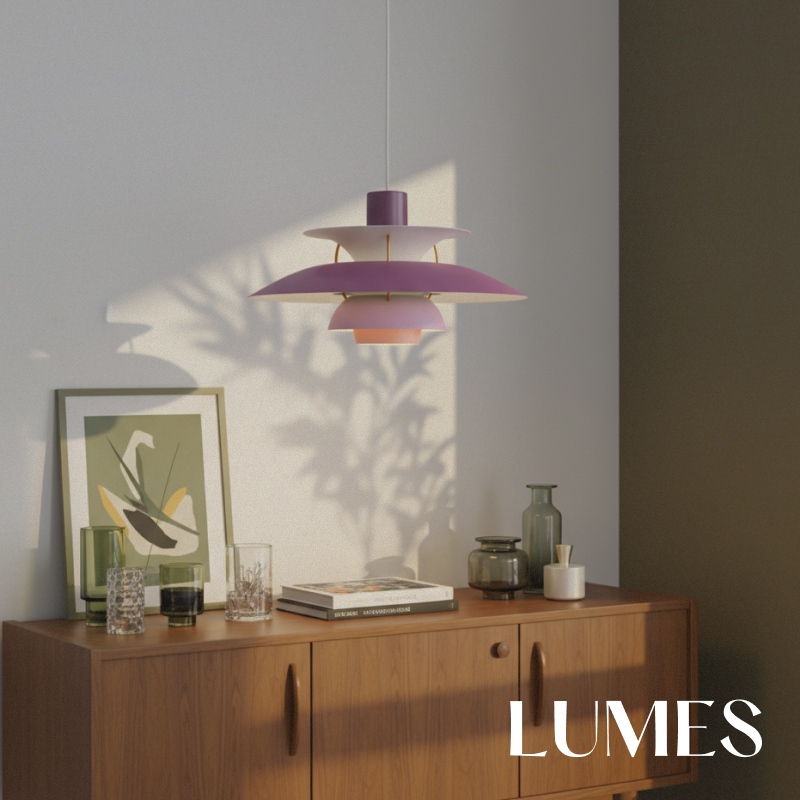
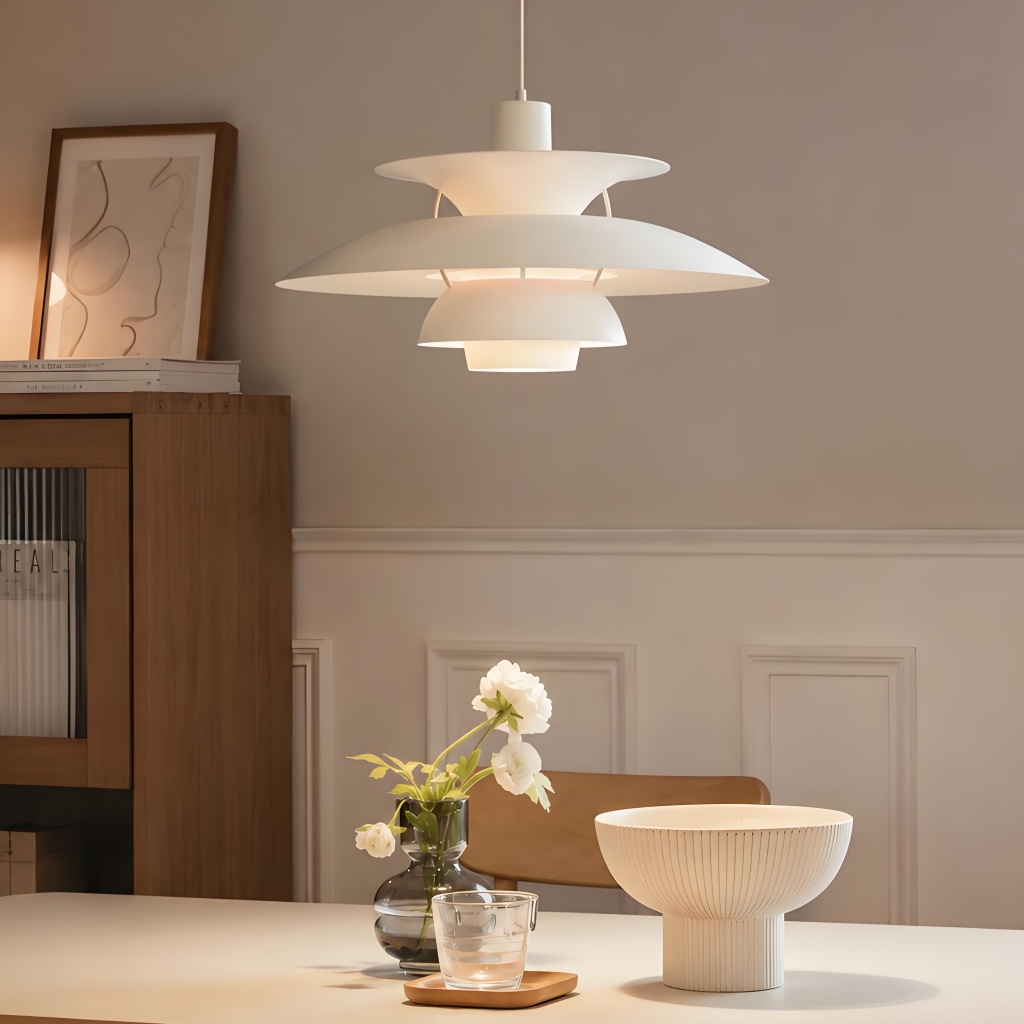
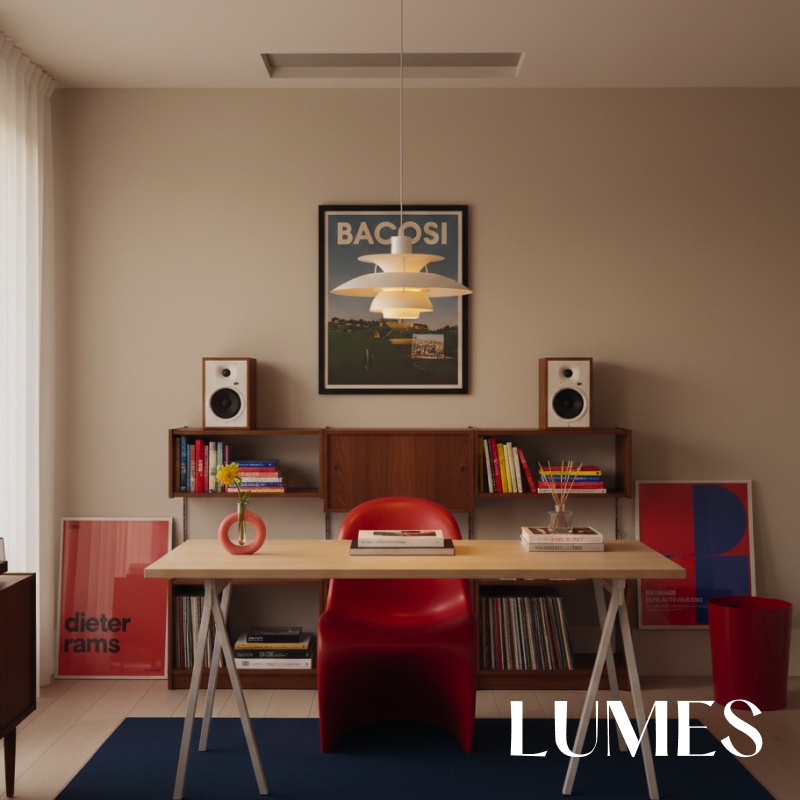
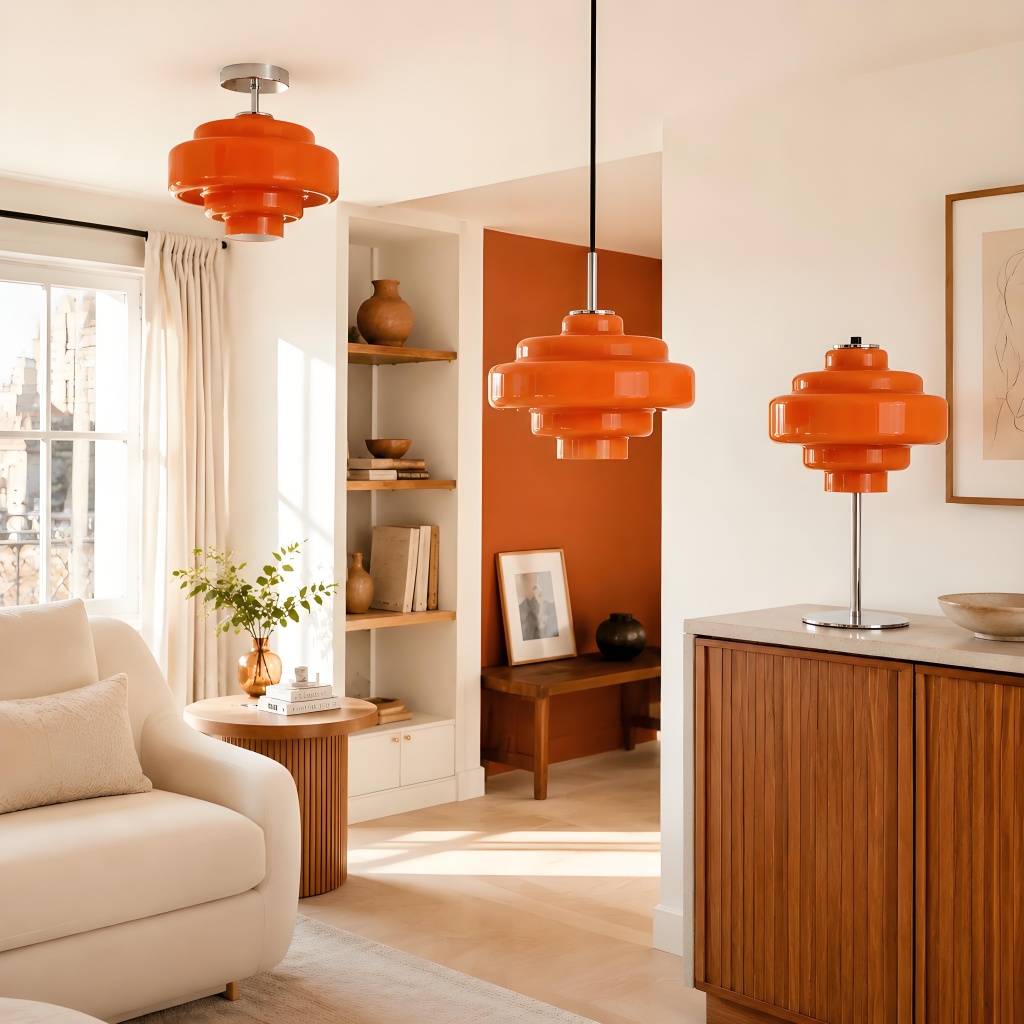
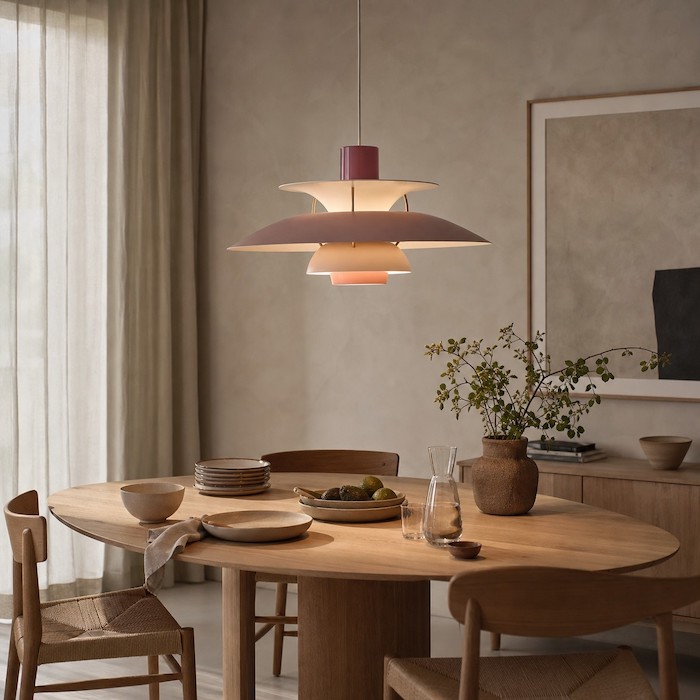
Layered metal shades can feel gently retro, but the current look is cleaner: matte or satin finishes, warm bulbs, calm walls, and fewer competing shapes. The fixture should suggest classic Nordic design rather than turn the room into a theme.
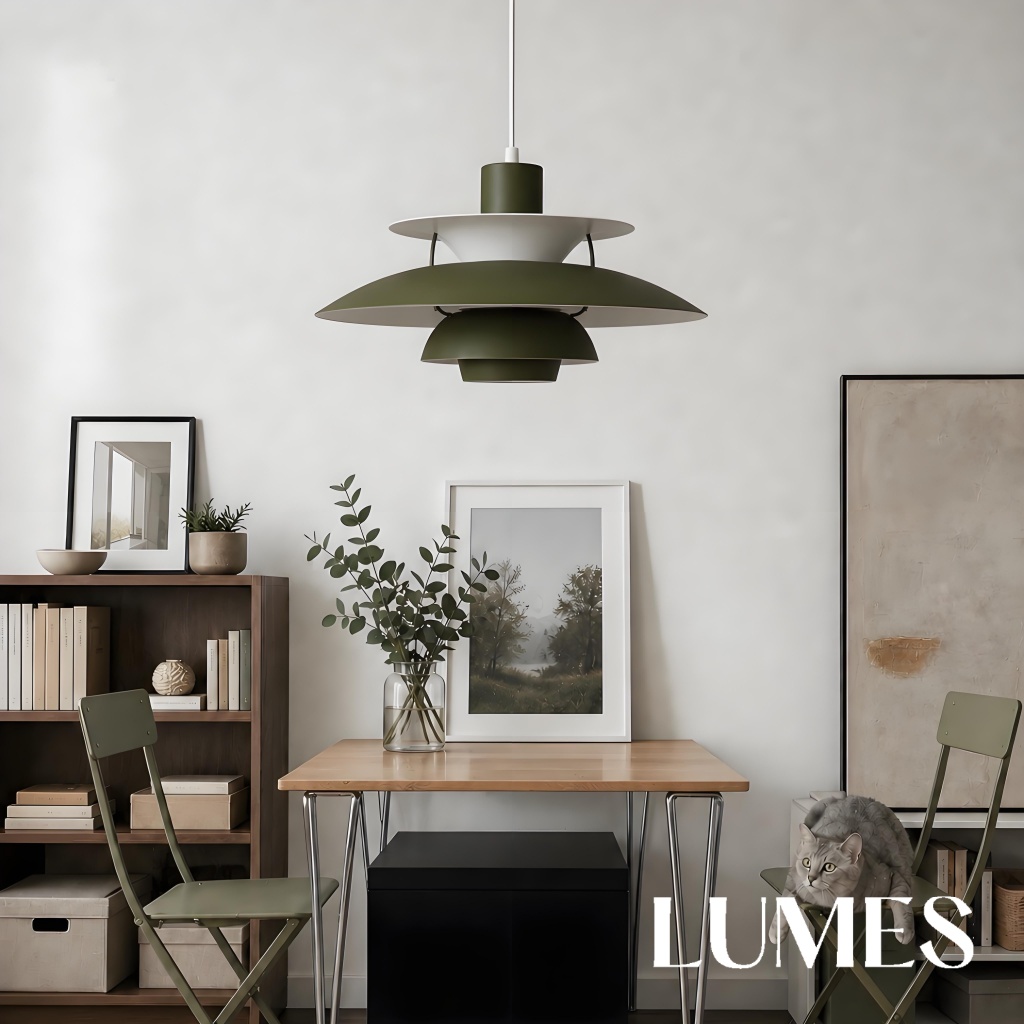
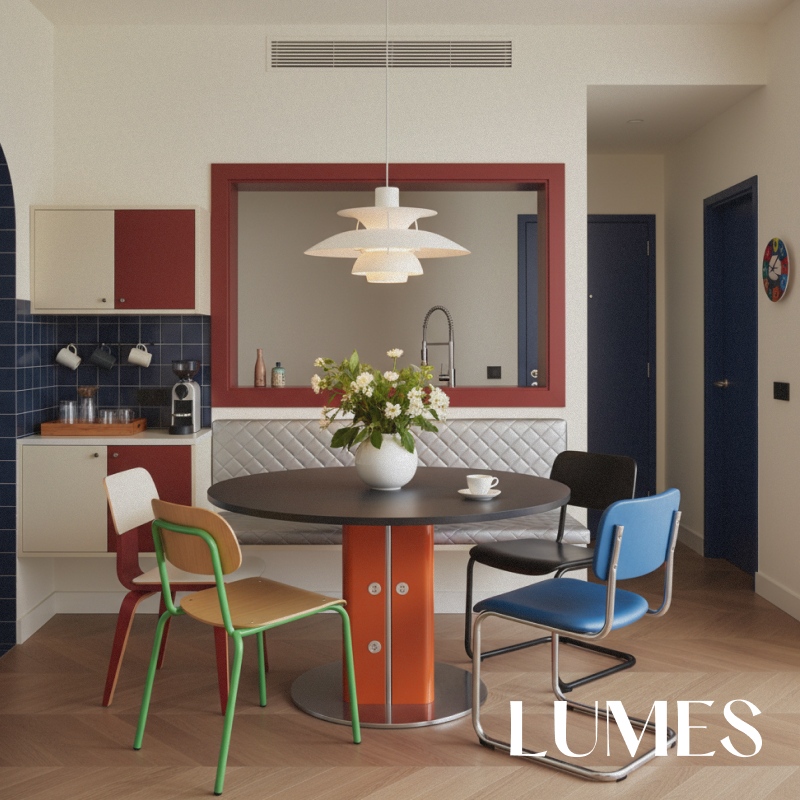
This approach works well with vintage wood chairs, contemporary cabinetry, limewash walls, and simple ceramics. One retro-modern feature is enough; let the rest of the room stay relaxed.
4. Open-Plan Homes Need Zoning
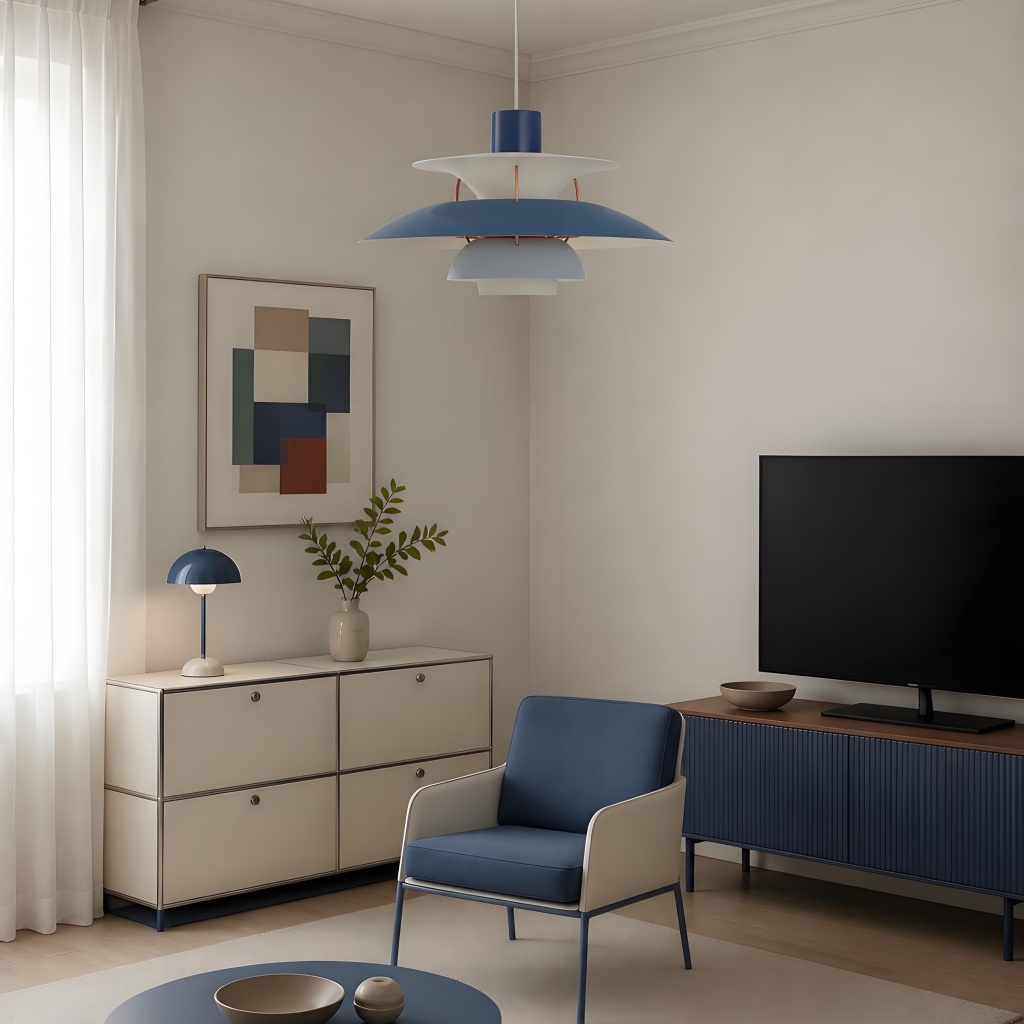
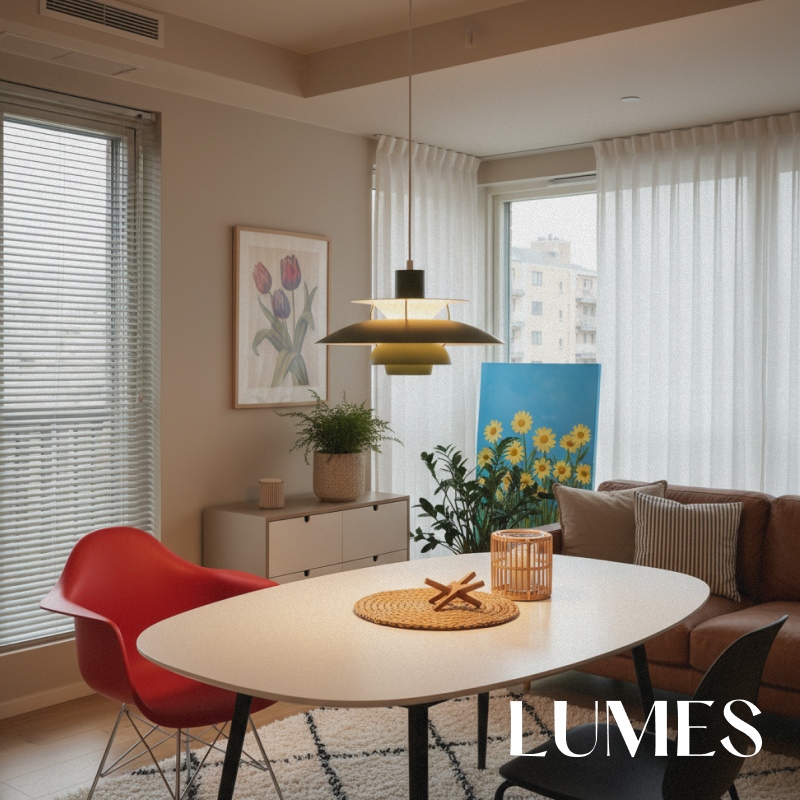
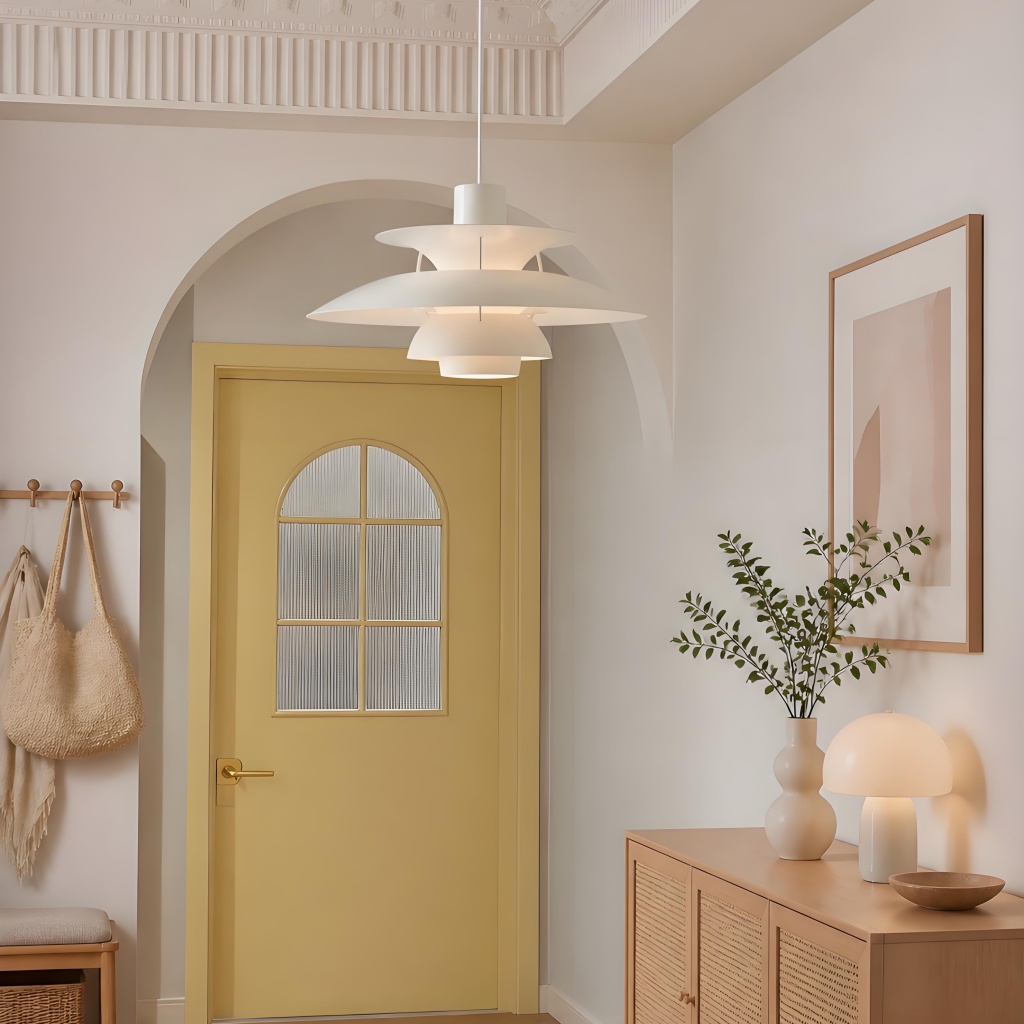
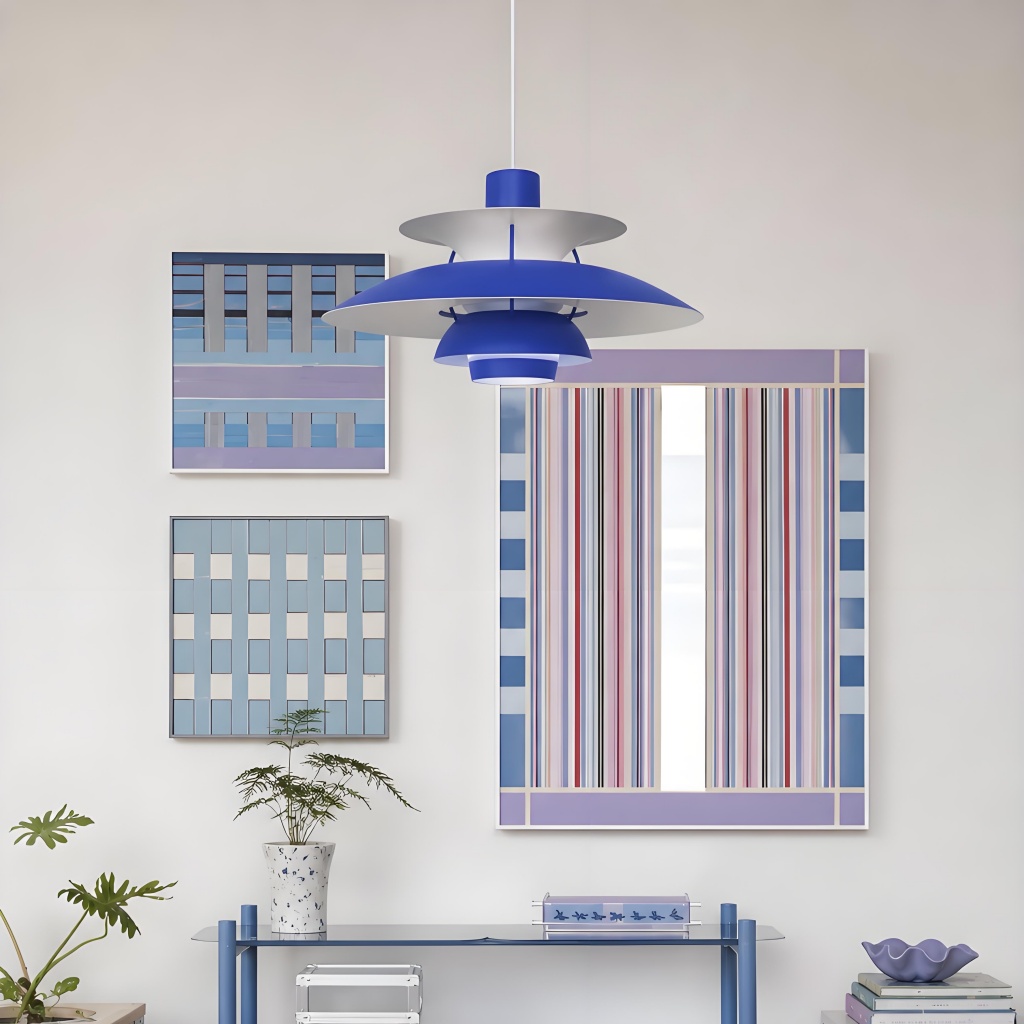
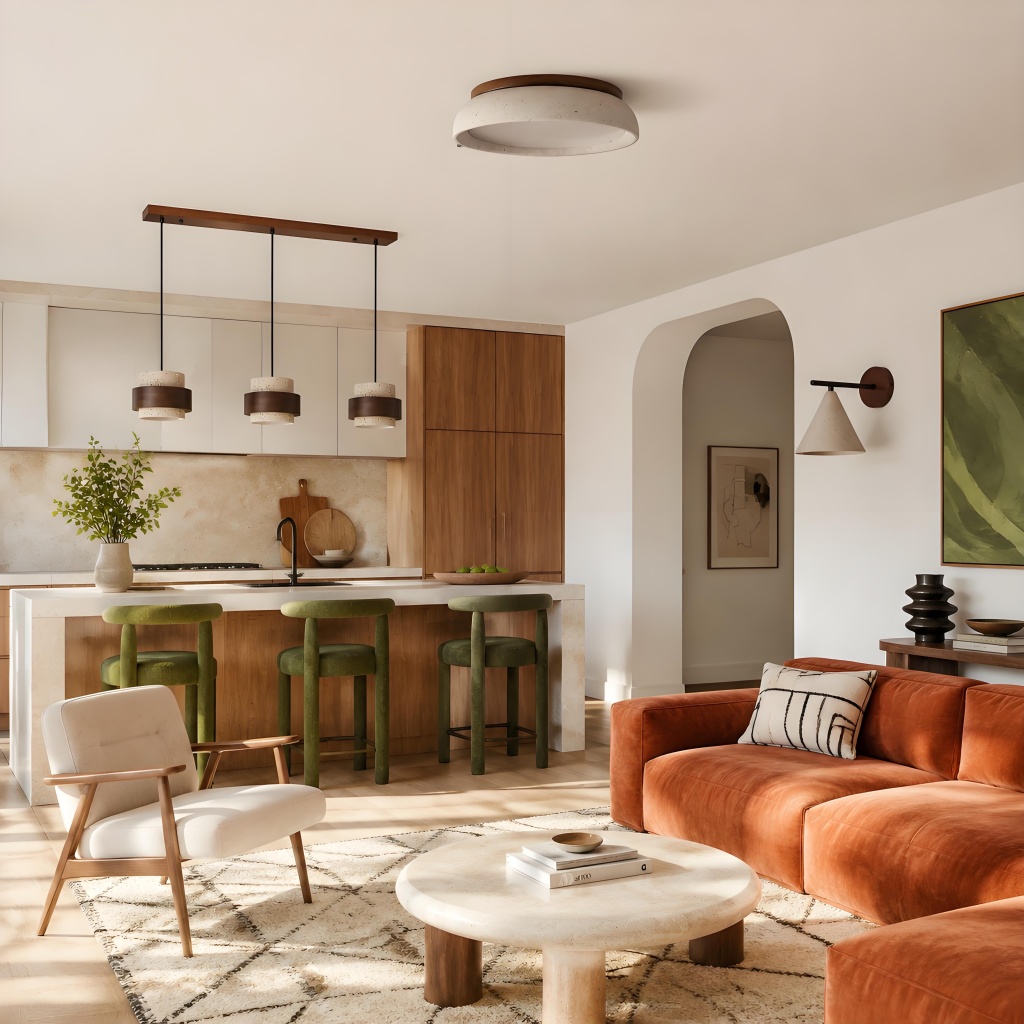
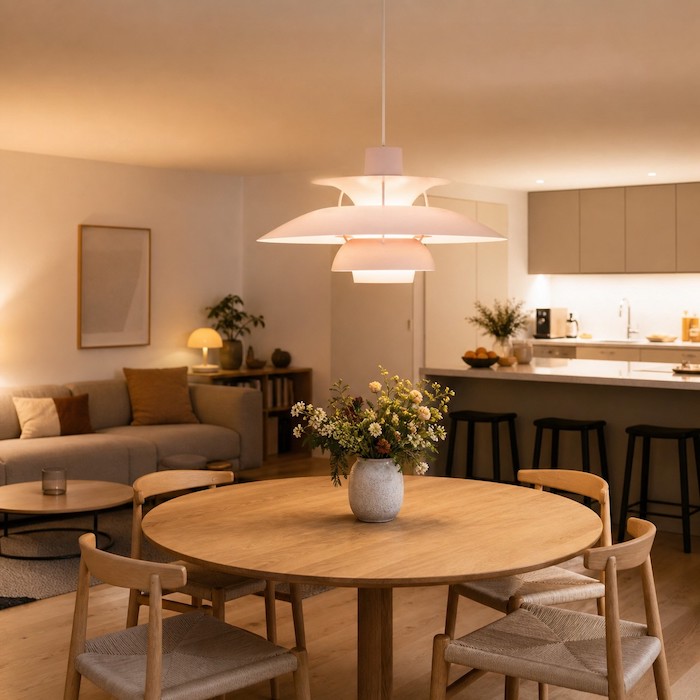
In open-plan homes, a pendant can define the dining area without adding a wall. The layered silhouette tells the eye where the gathering zone begins, especially when paired with a table, rug, or warm wall tone.
For practical styling methods, How to Style Layered Pendant Lights Like an Interior Designer explains how to balance height, table shape, finish, and supporting light.
How to Use the Trend Without Dating the Room
Use restrained colors, warm bulbs, and natural materials. Avoid copying one viral room too literally. If the pendant is expressive, keep wallpaper, table decor, and furniture lines quieter so the room still feels current in a few years.
Before buying, stand in the doorway and look for the strongest existing shape. If the room is mostly straight lines, a layered pendant can add welcome softness. If the room already has many curves, choose a calmer finish and let light quality do more of the work.
For comfort details, read Why Glare-Free Lighting Matters More Than Ever. The trend lasts longer when it improves daily use, not just the photo.
Recommended Product
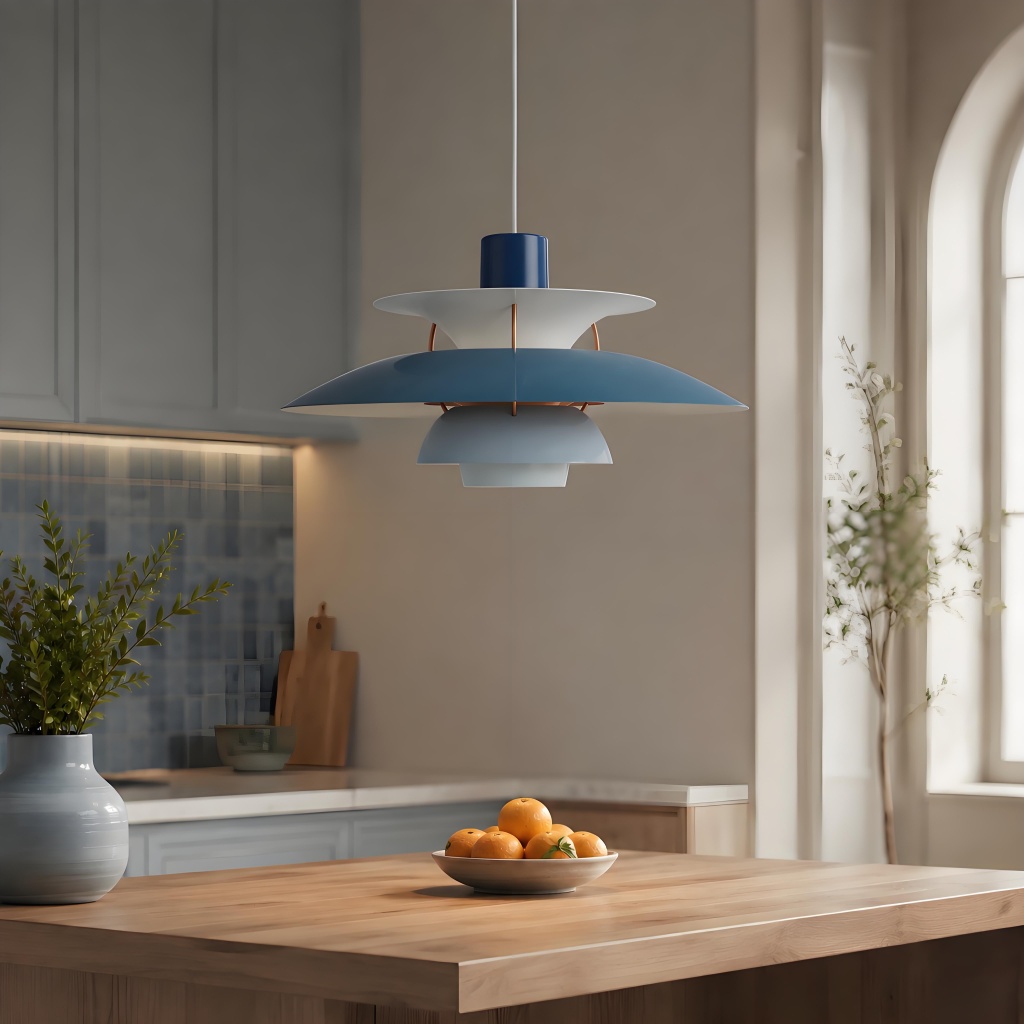
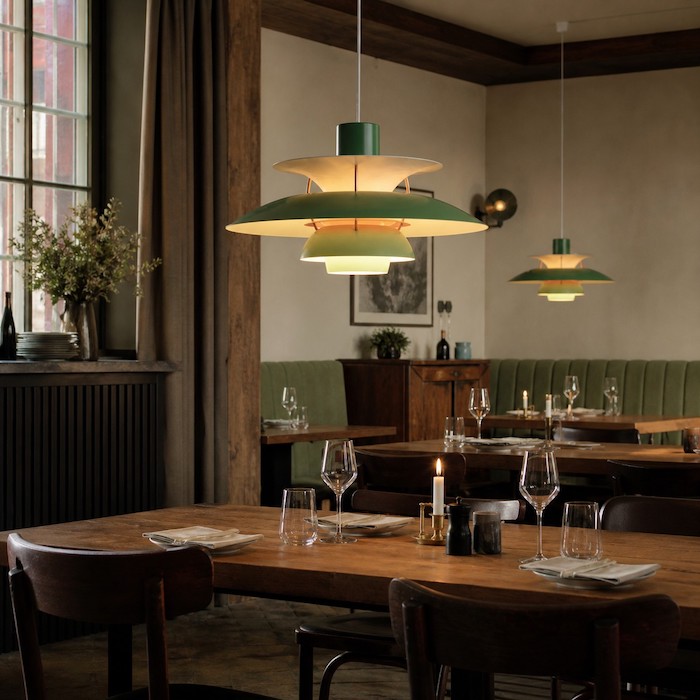
Choose the Danish-inspired layered metal pendant if you want a classic Nordic-style silhouette for dining rooms, kitchens, and warm modern living areas. It gives the room depth and controlled glow without needing highly specific brand or model wording.
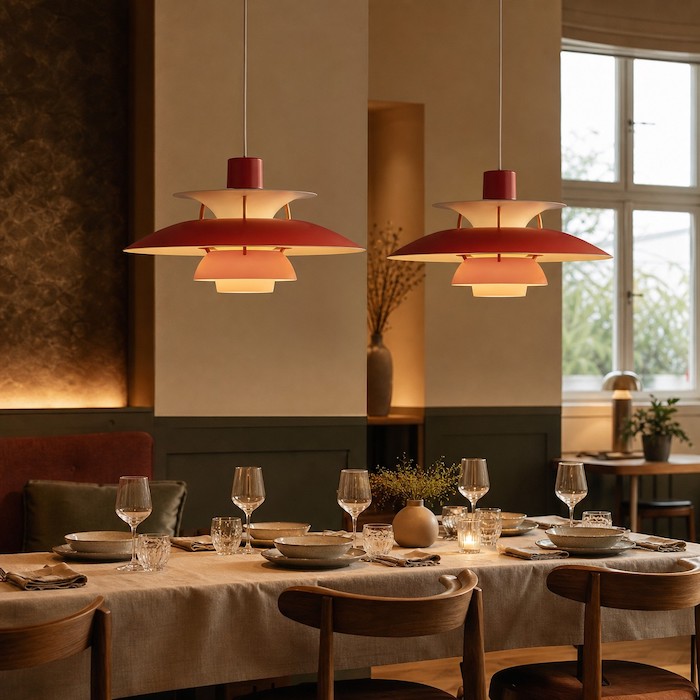
The layered metal pendant light works best with warm bulbs, clean table surfaces, matte walls, wood, linen, and a small amount of retro-modern character.
People Also Ask: Layered Metal Pendant Trend
Why are layered metal pendant lights popular again?
They add sculptural form, soften direct brightness, and suit the warmer materials used in current interiors.
Are layered metal pendants only for Scandinavian interiors?
No. They also work in warm minimalist, retro-modern, transitional, and contemporary dining rooms.
Do metal pendants make a room feel cold?
Not when they are paired with warm bulbs, wood, textiles, plaster, ceramic, and matte finishes.
Where should I use this trend first?
Start above a dining table, where the shape and glow can become a natural focal point.
How do I keep the trend from looking dated?
Keep the palette restrained, avoid too many retro references, and let one statement fixture lead.