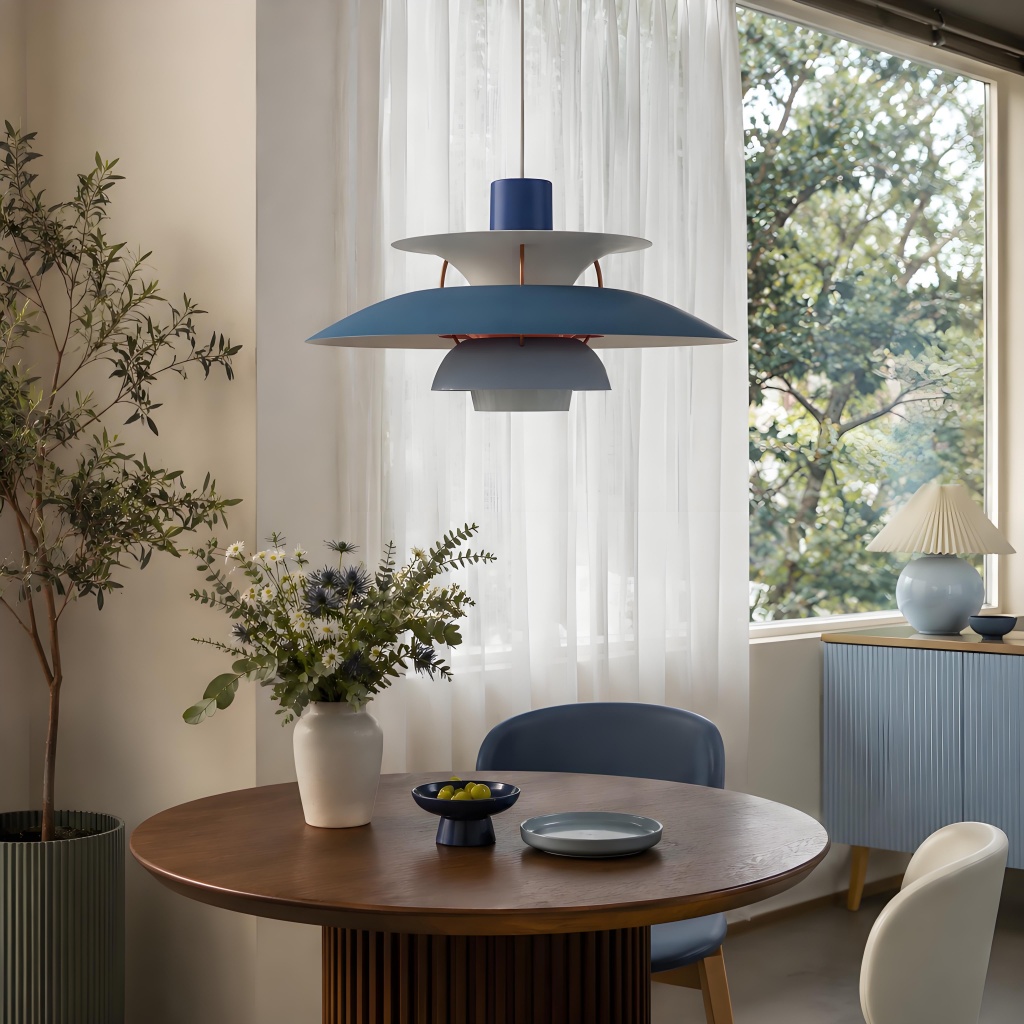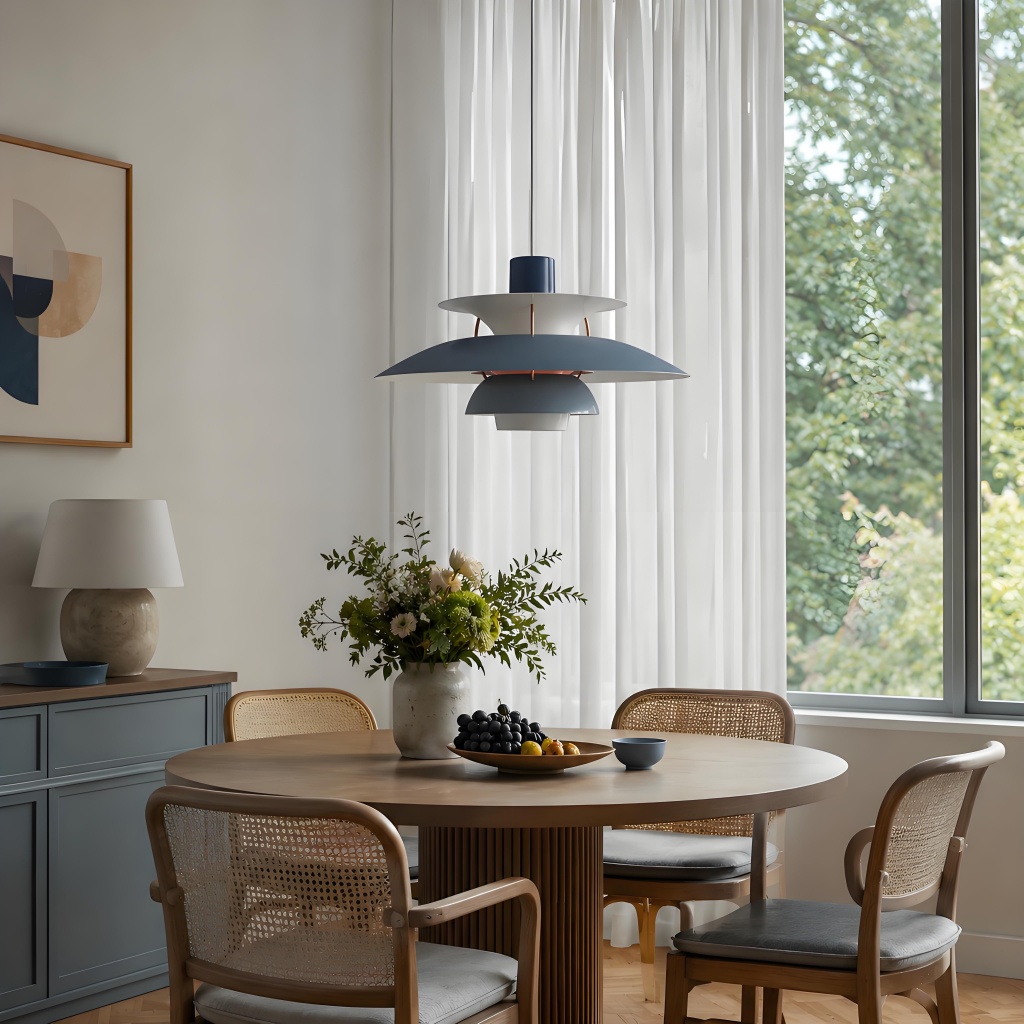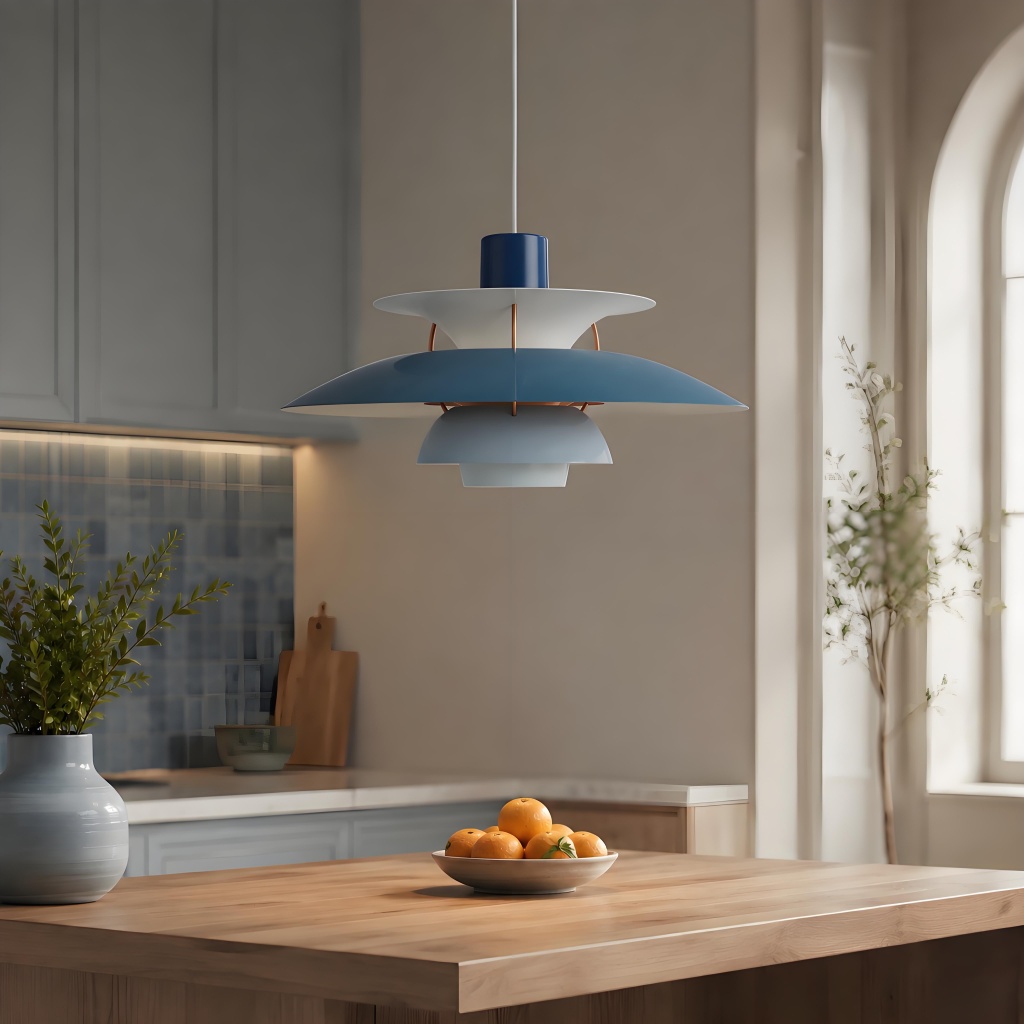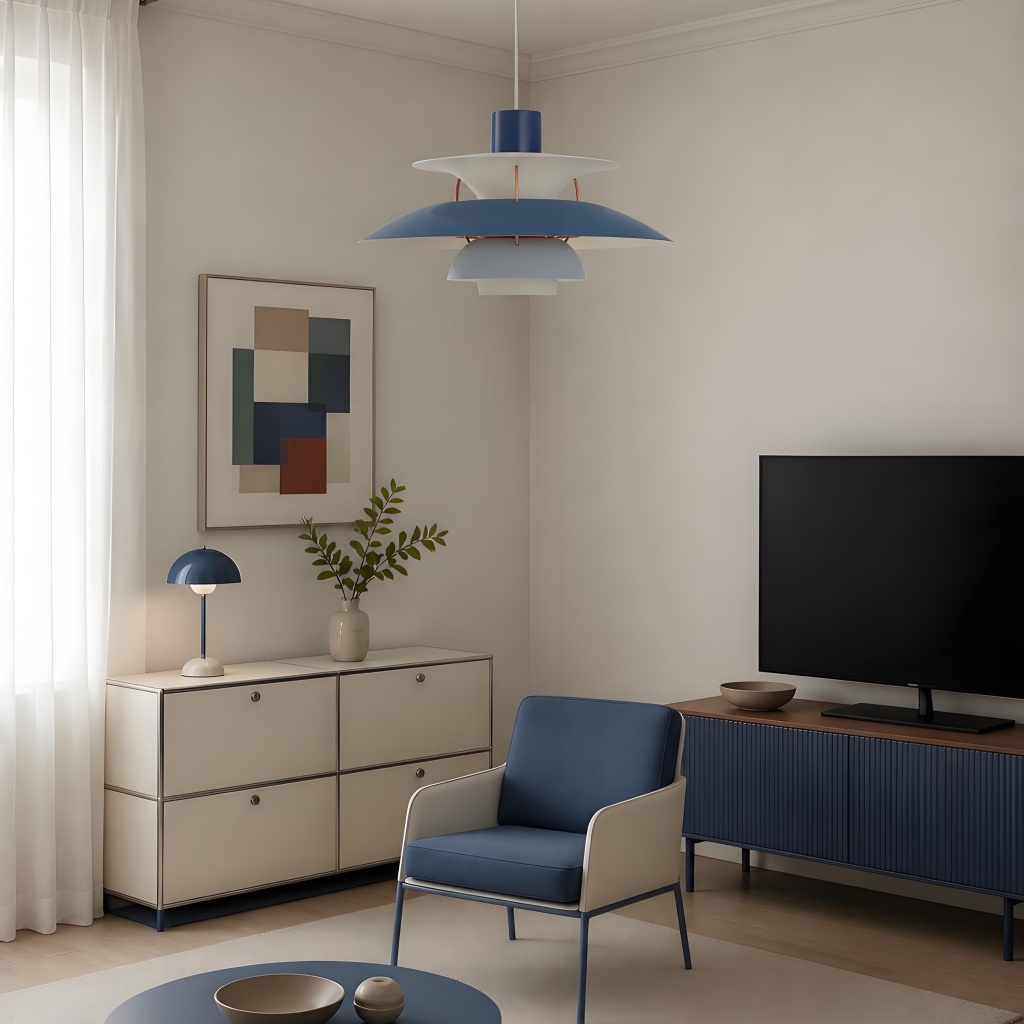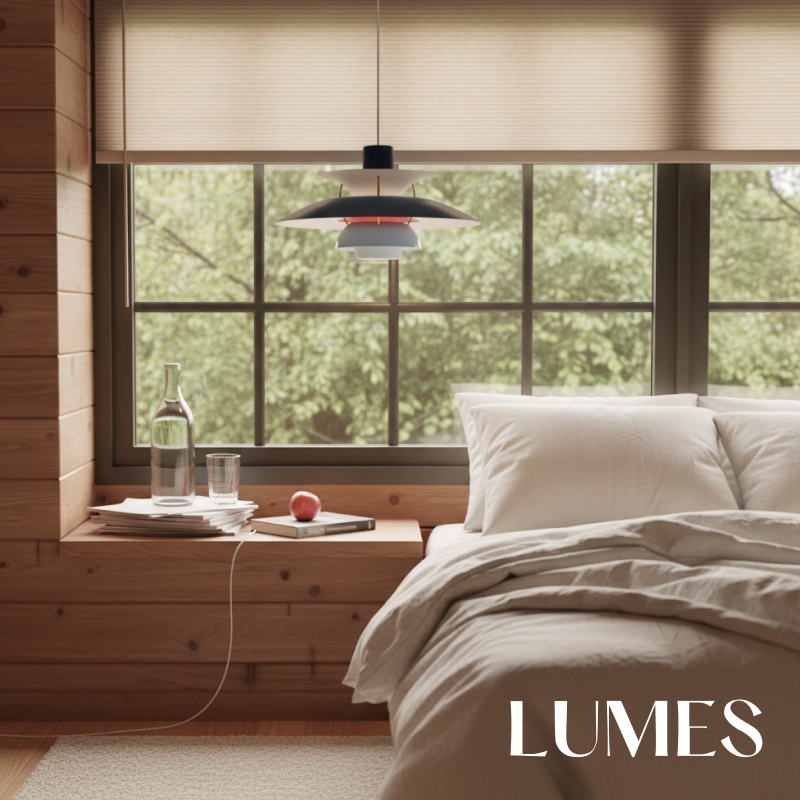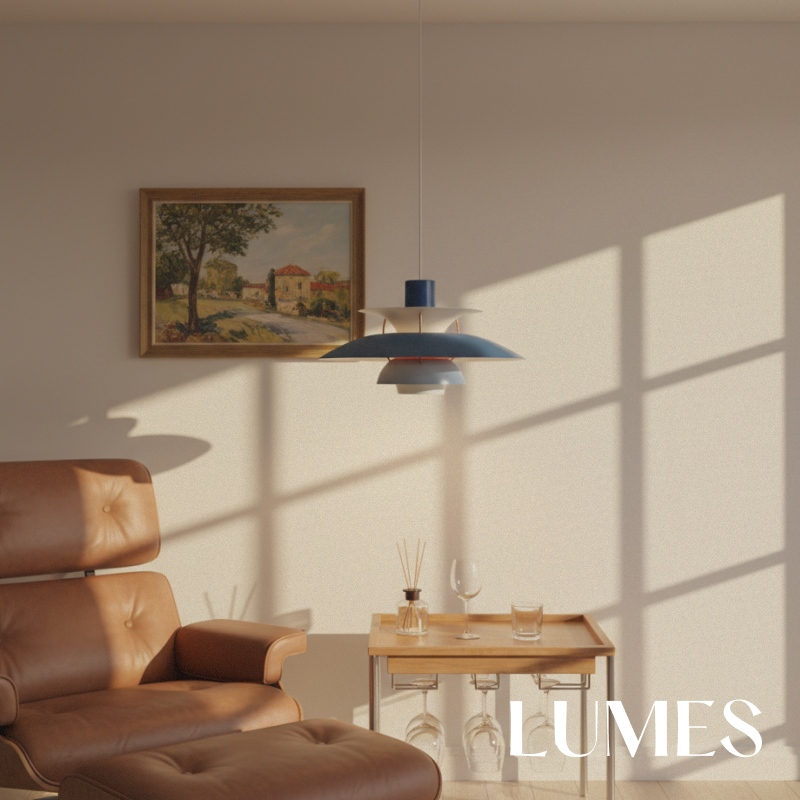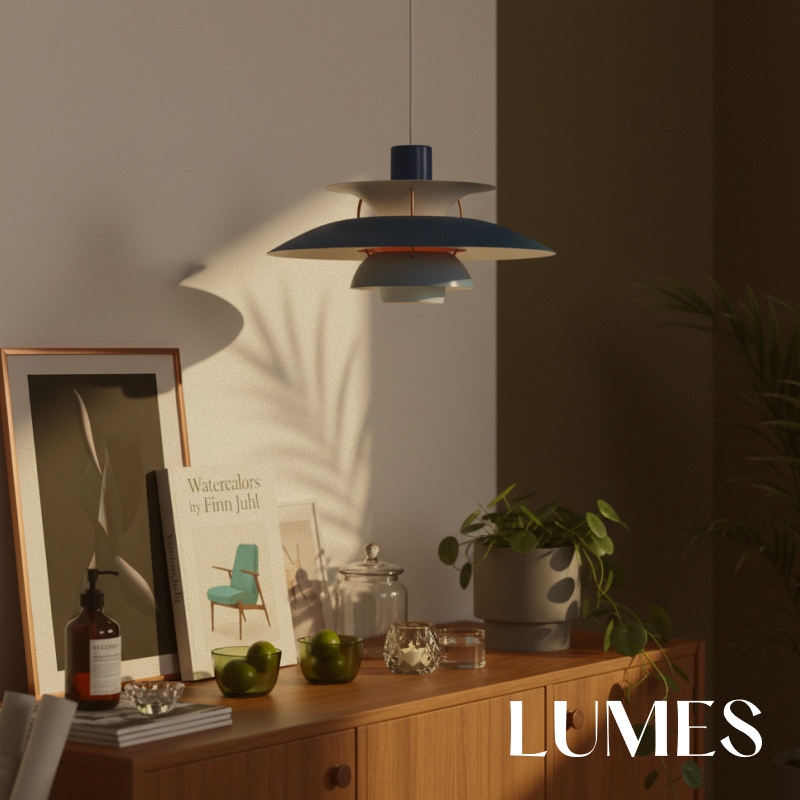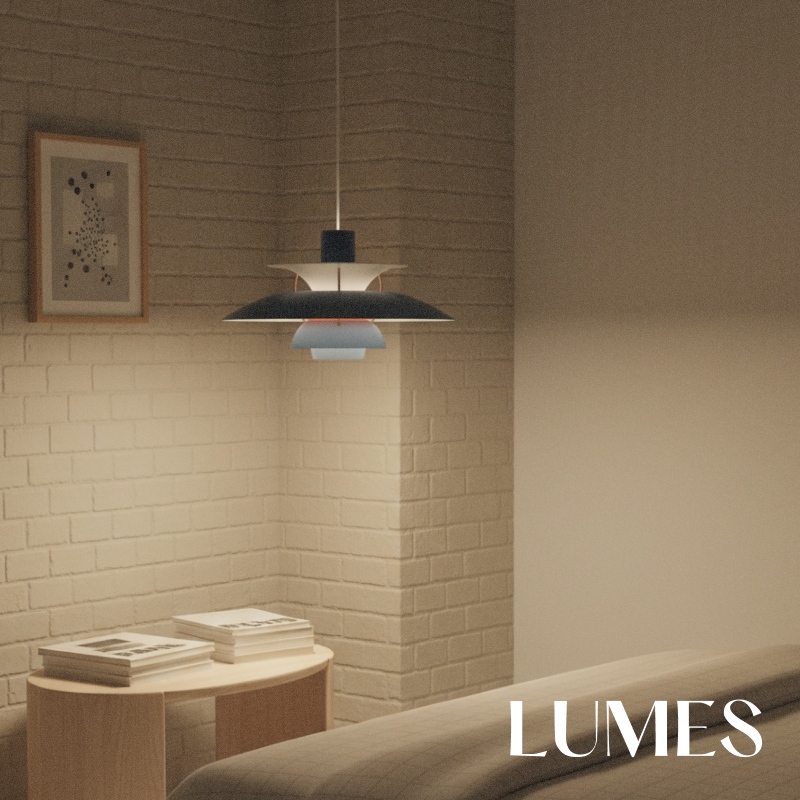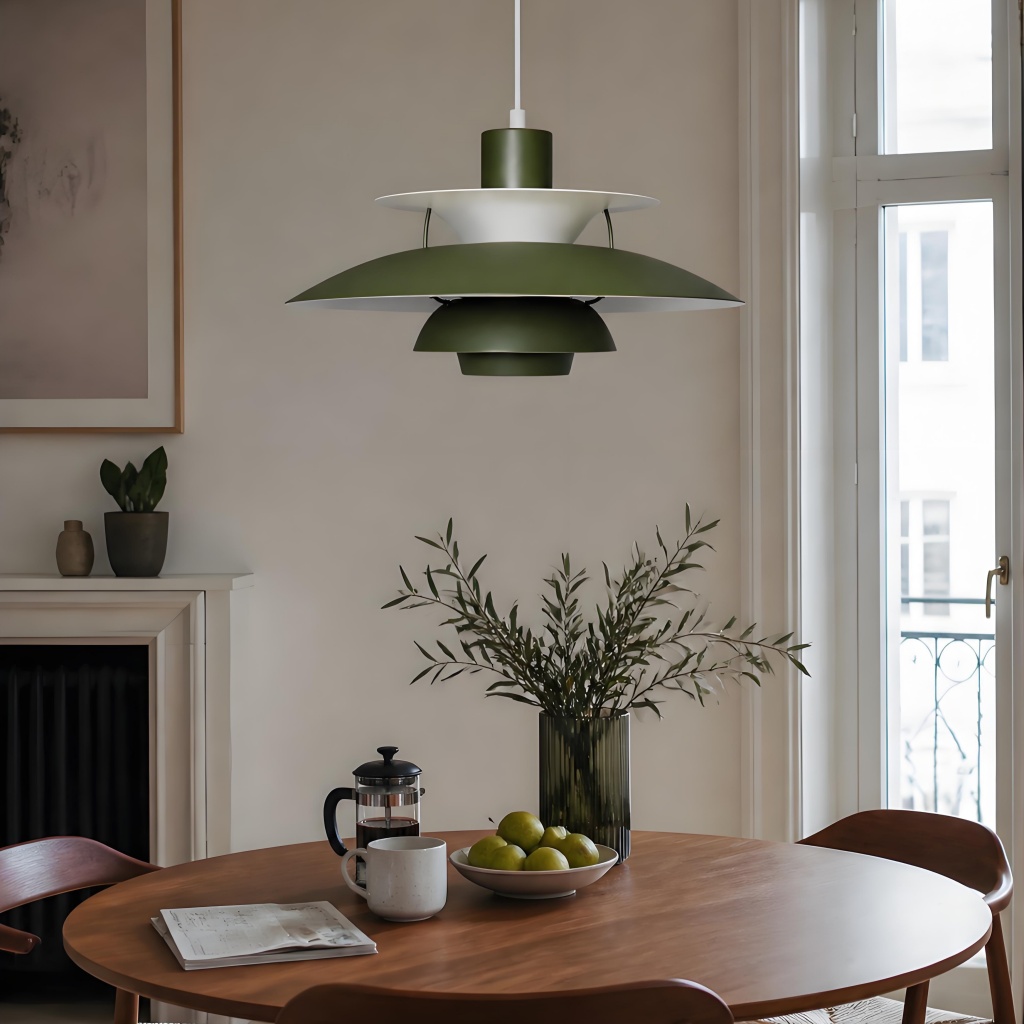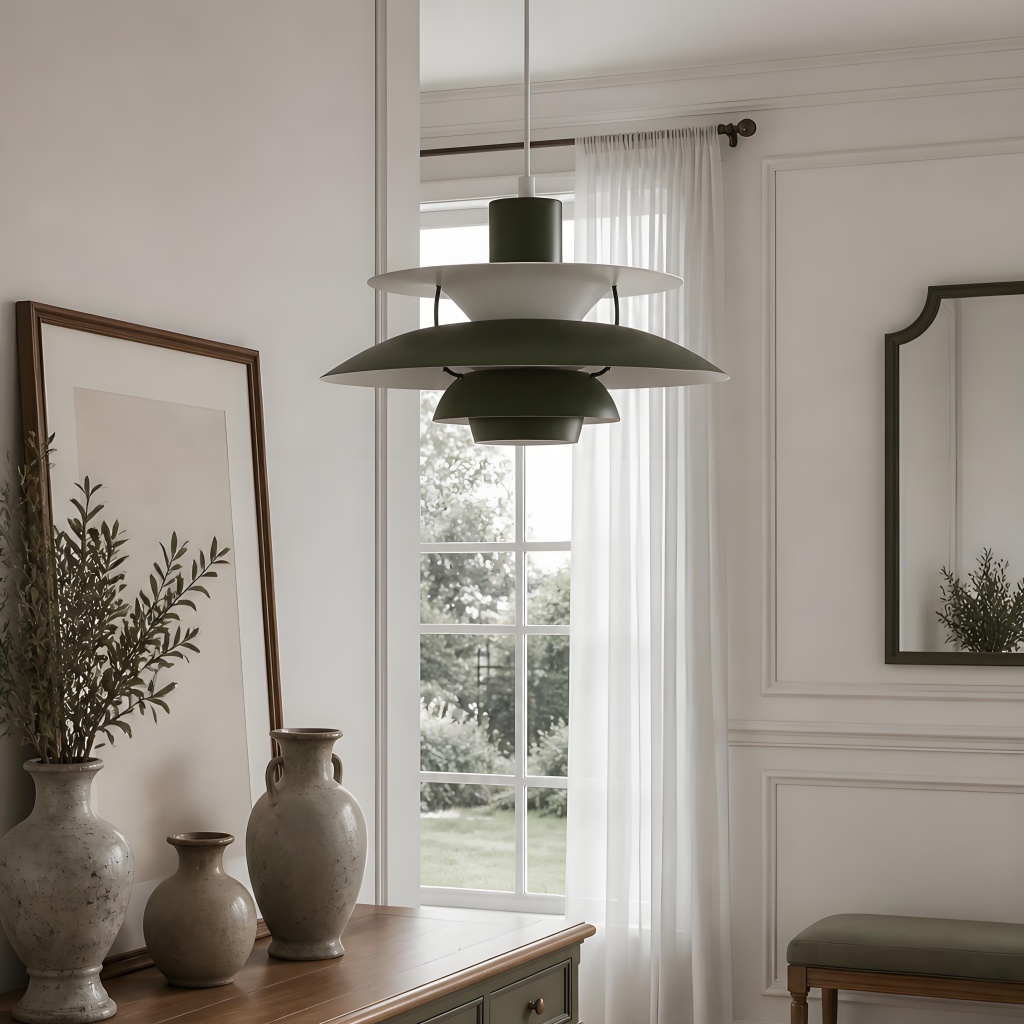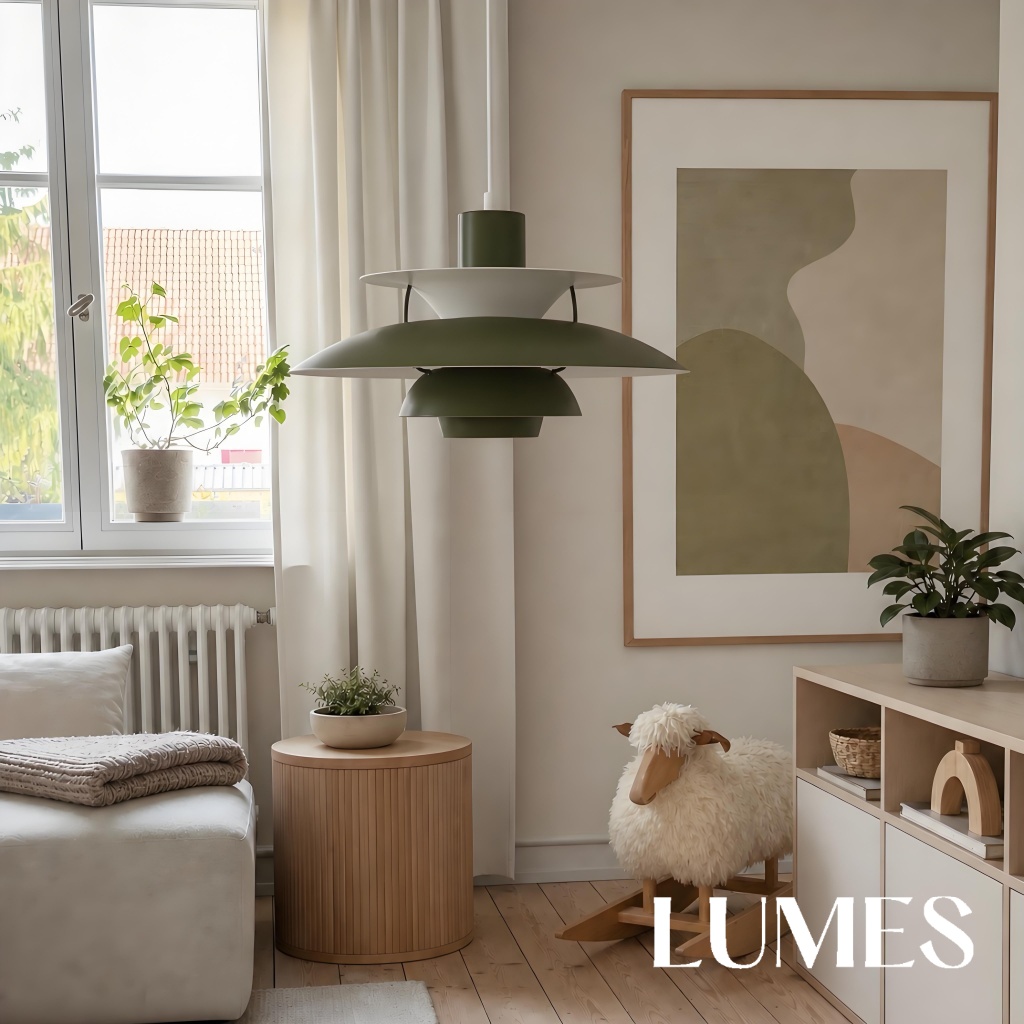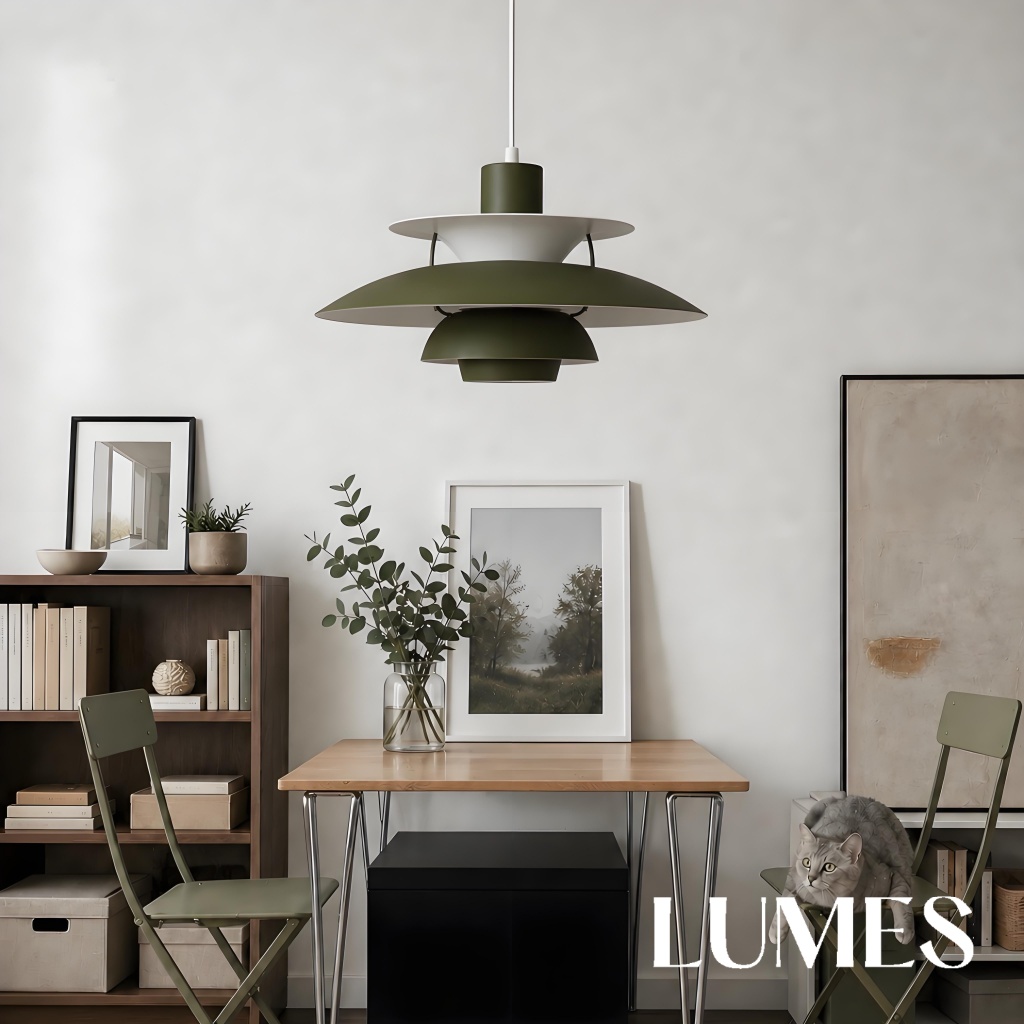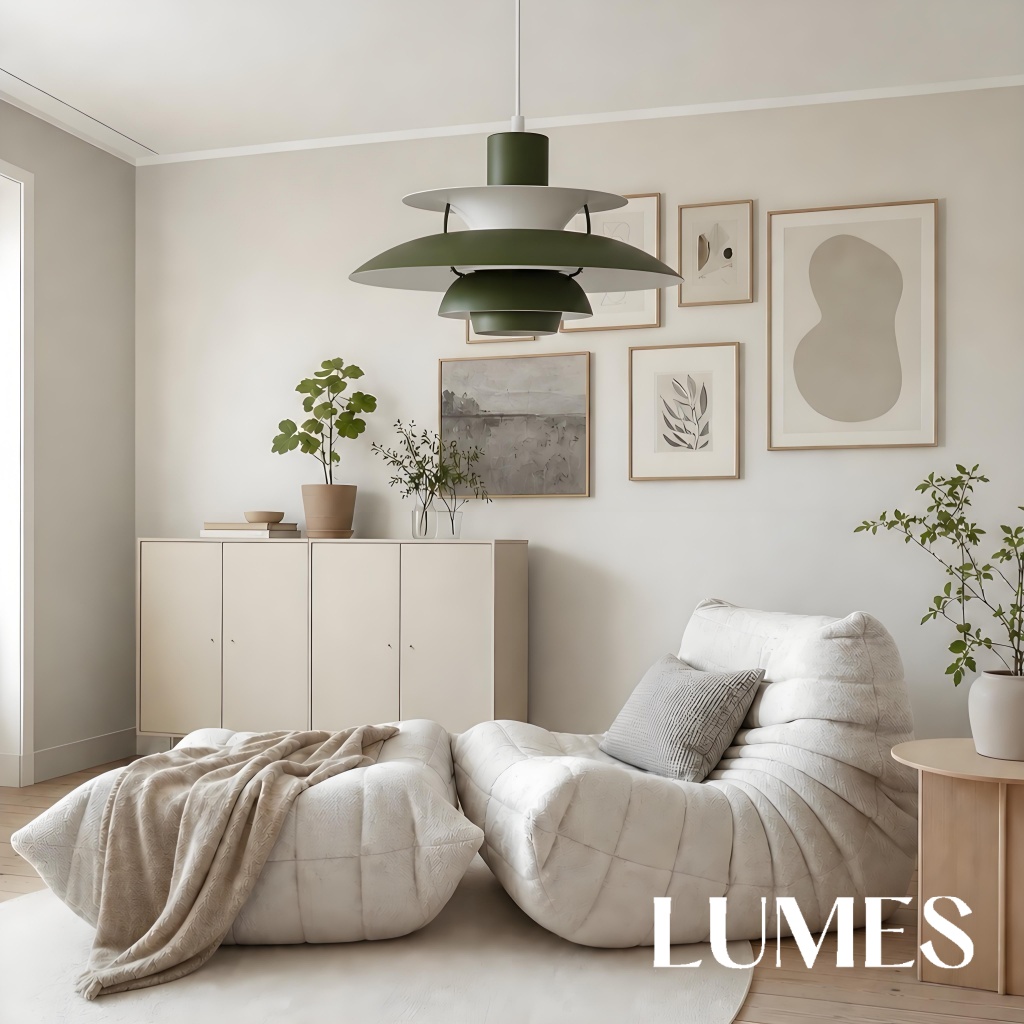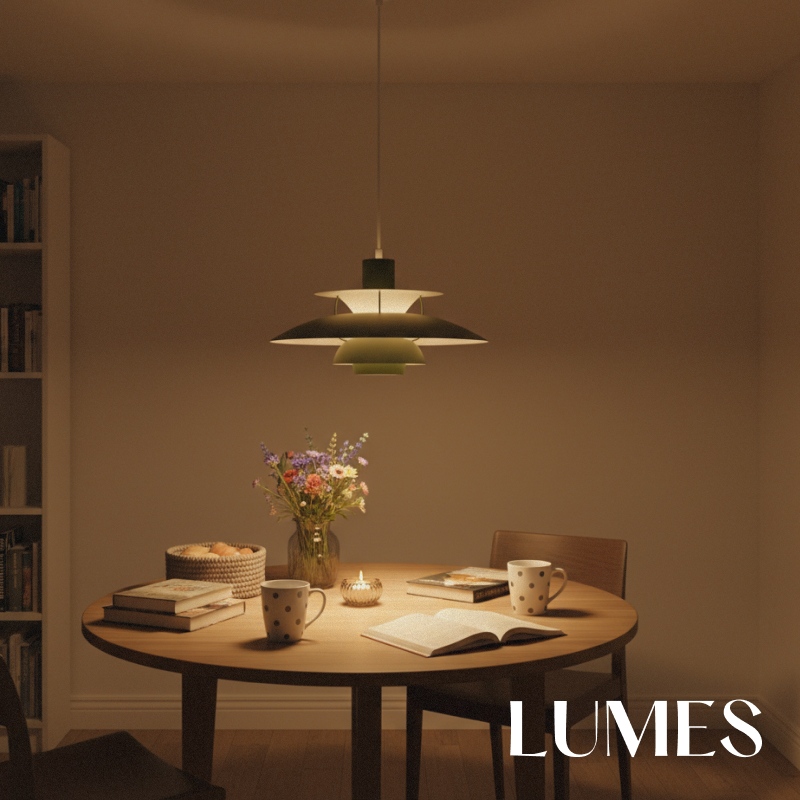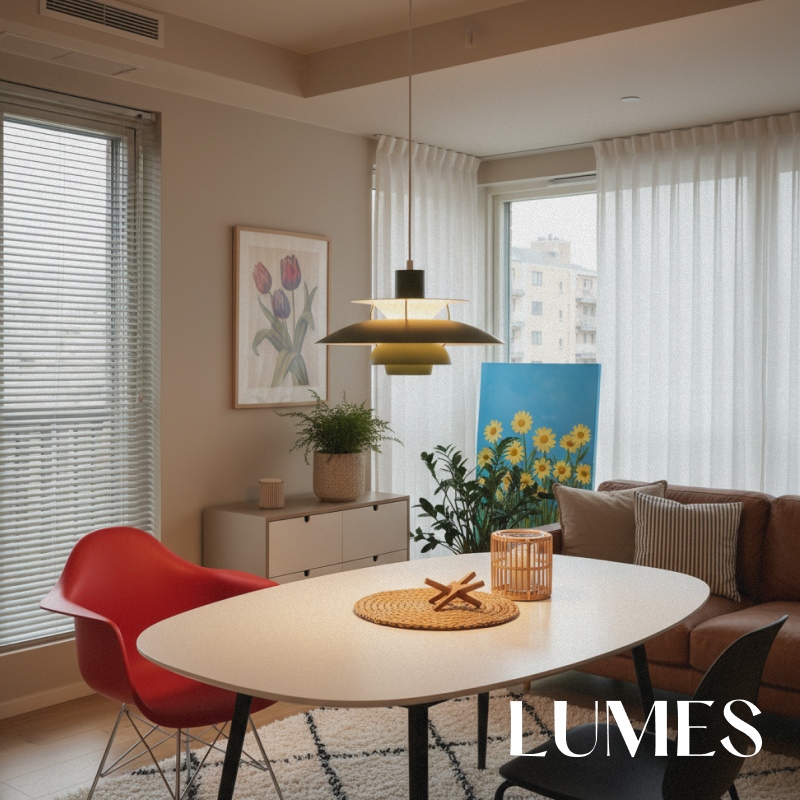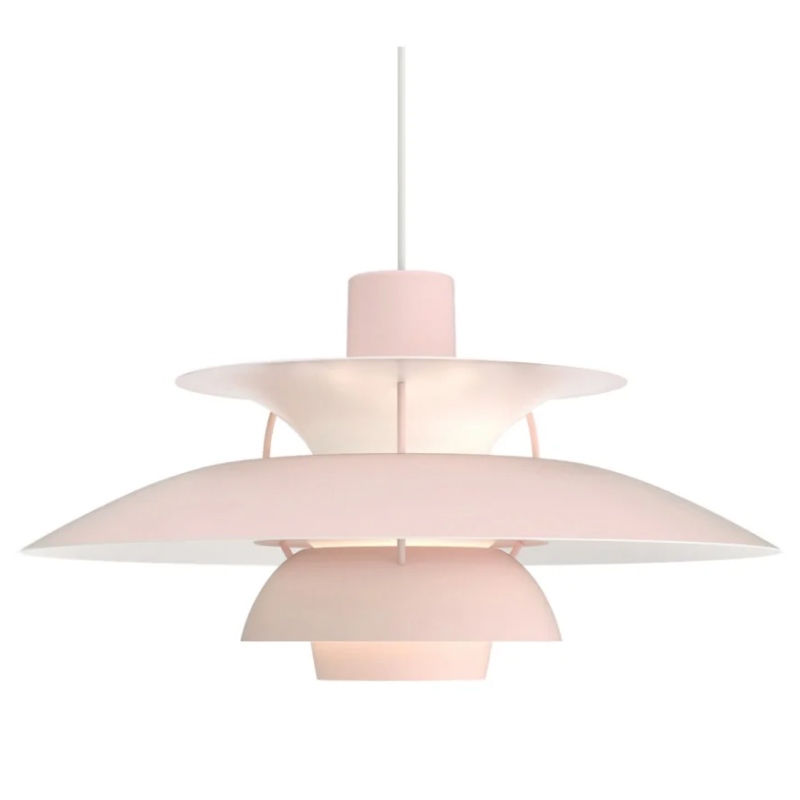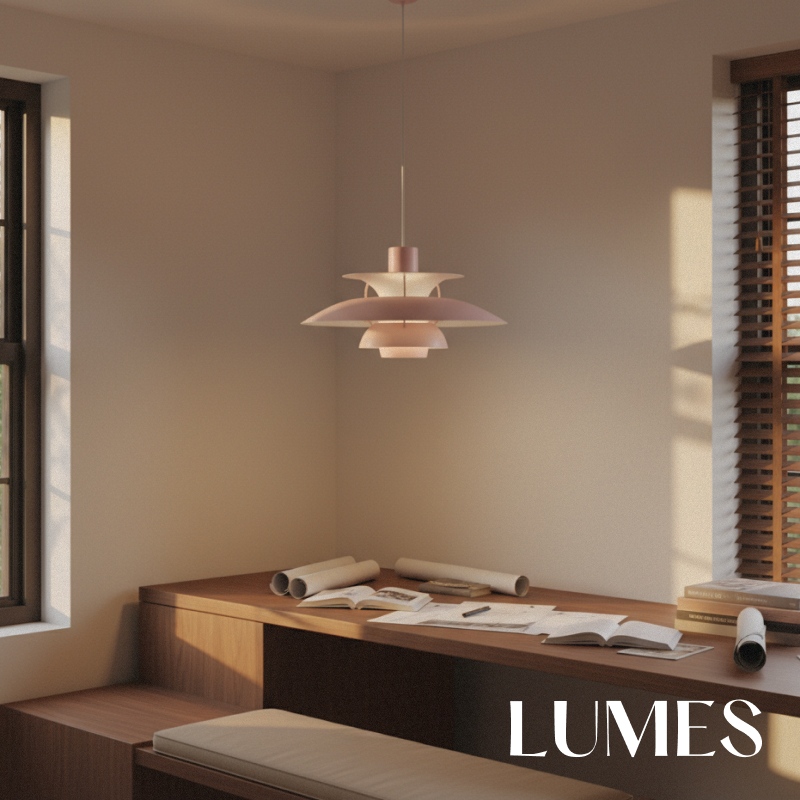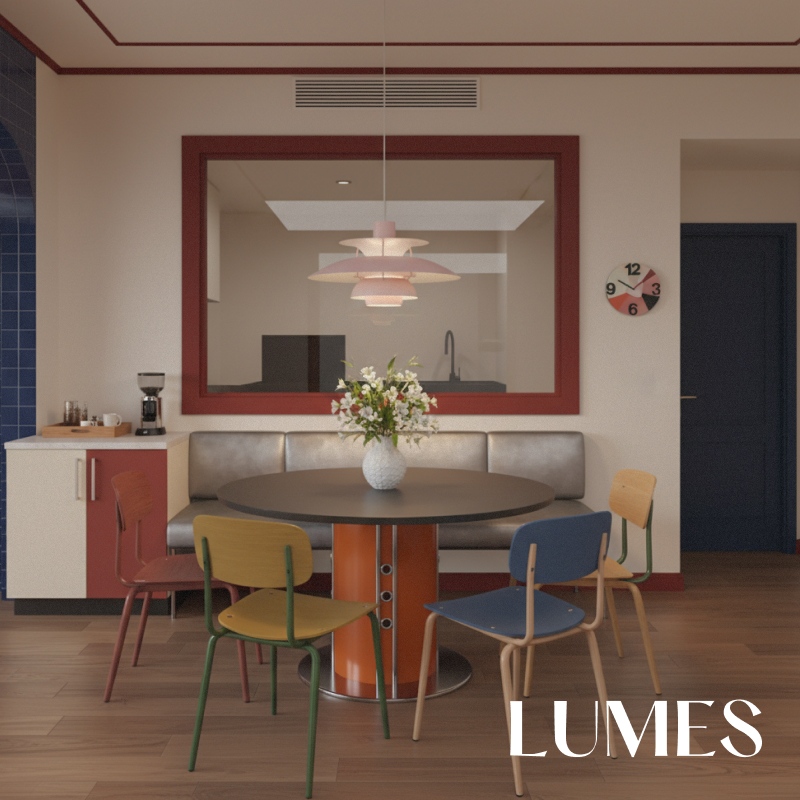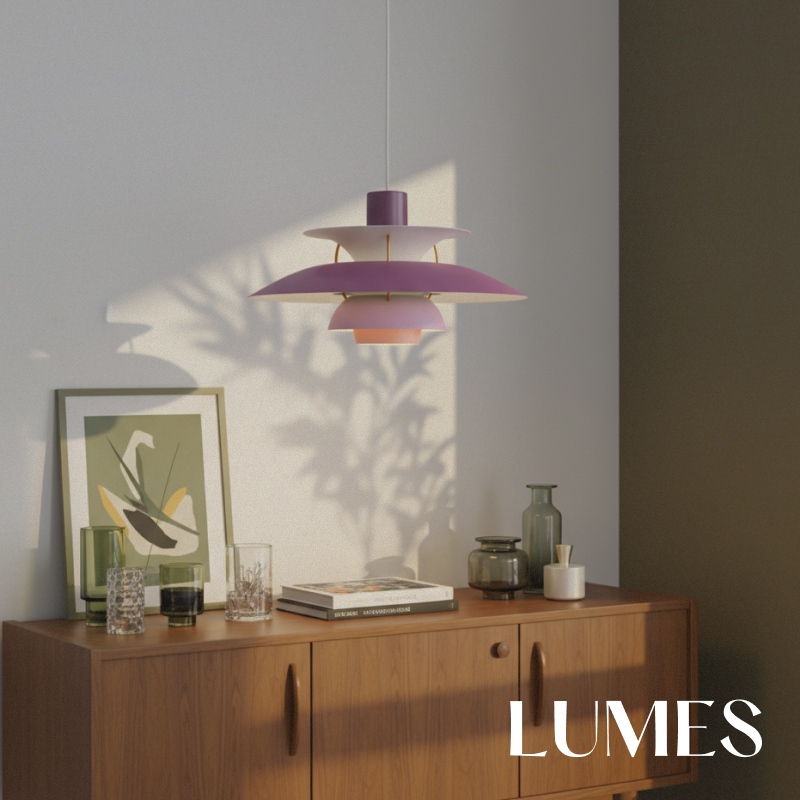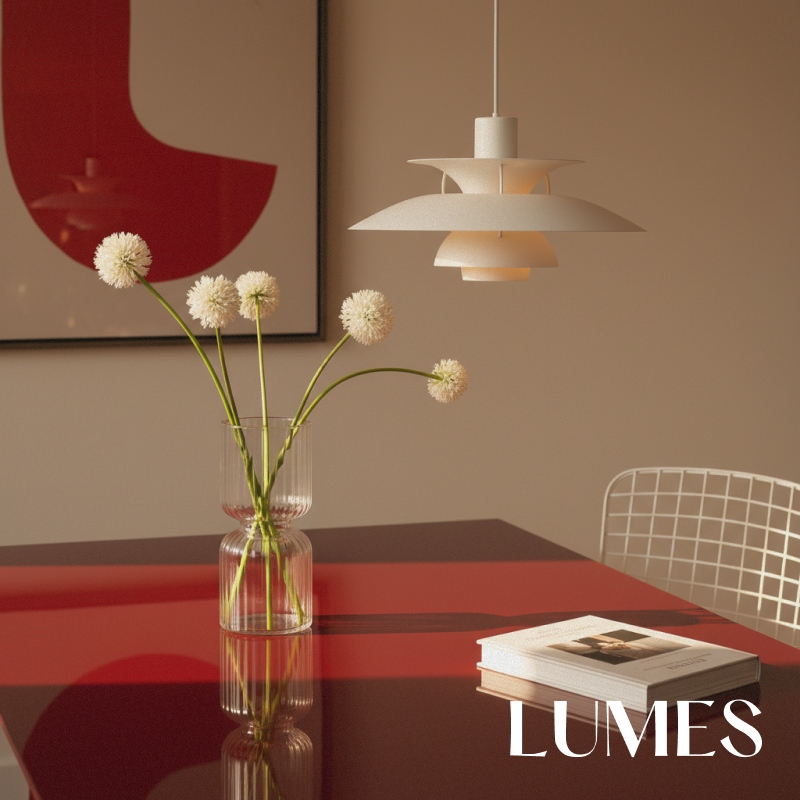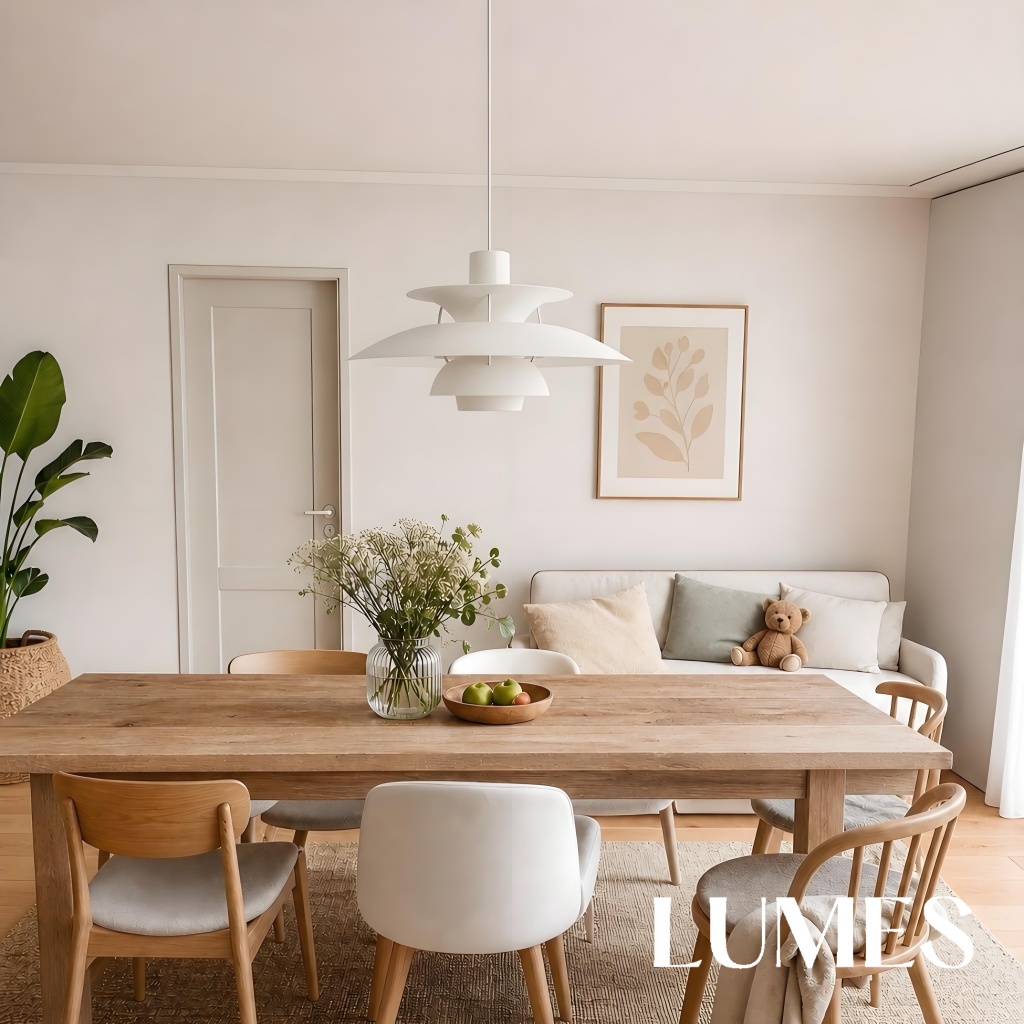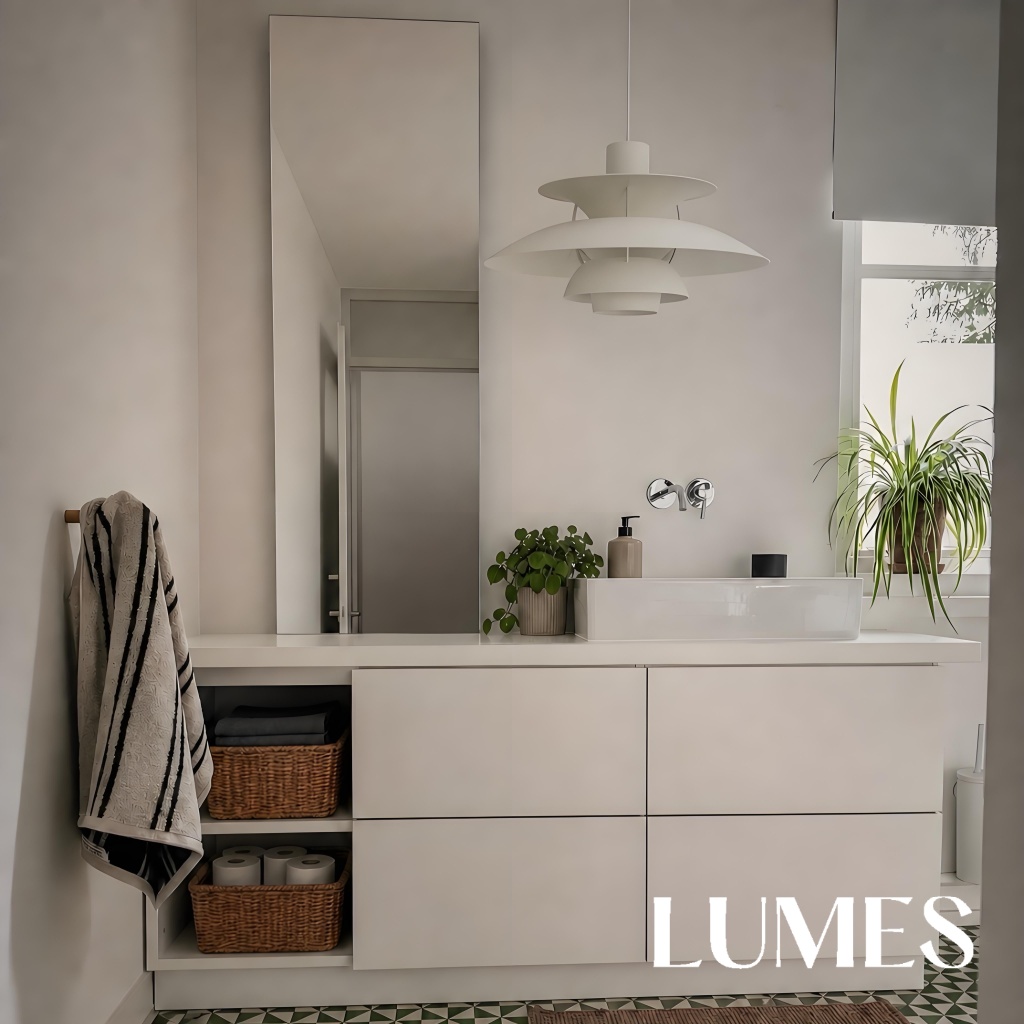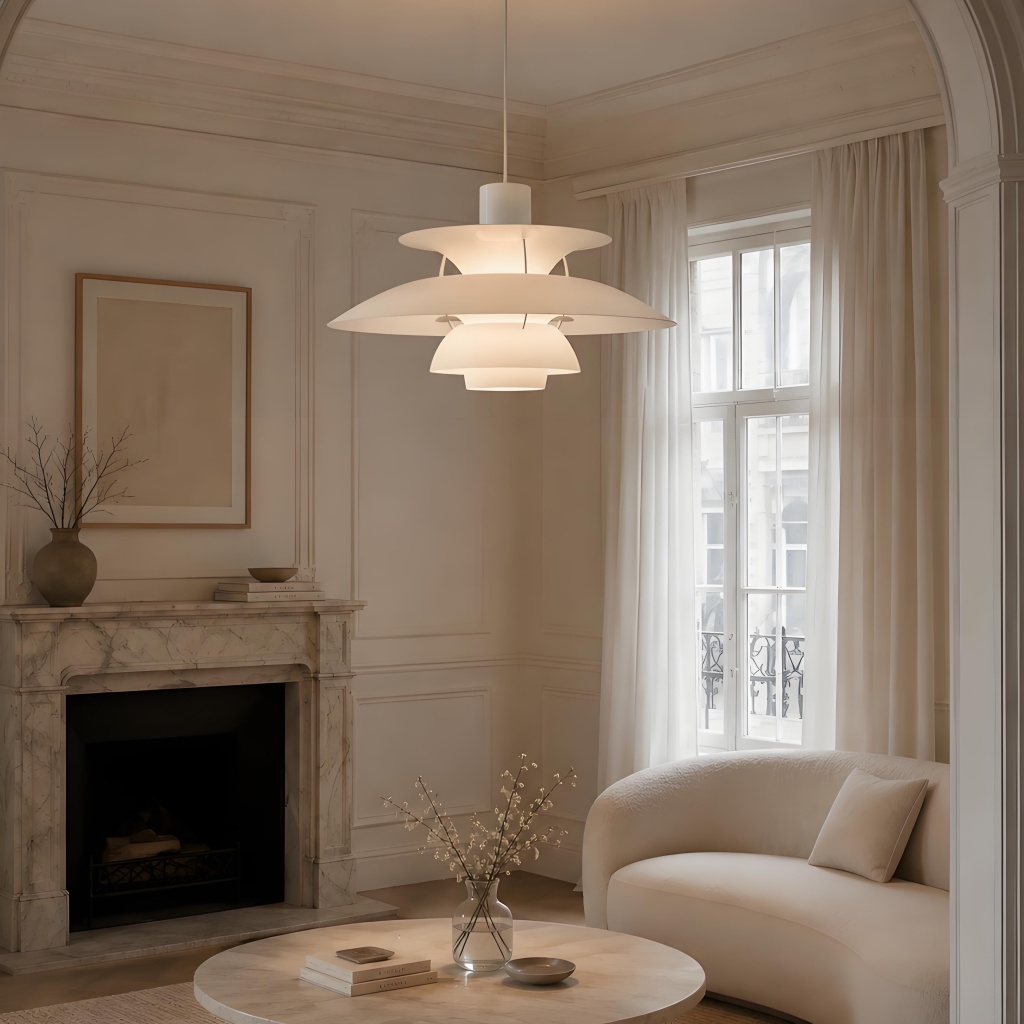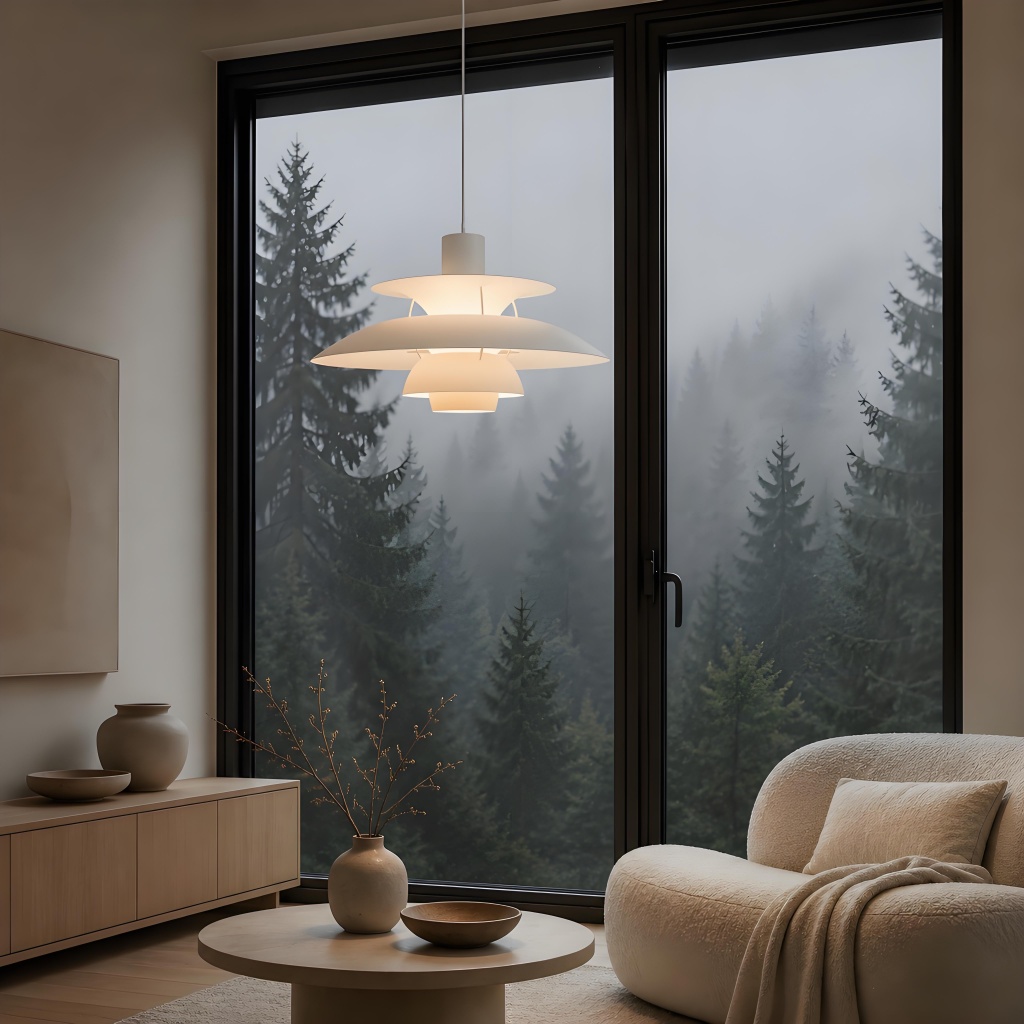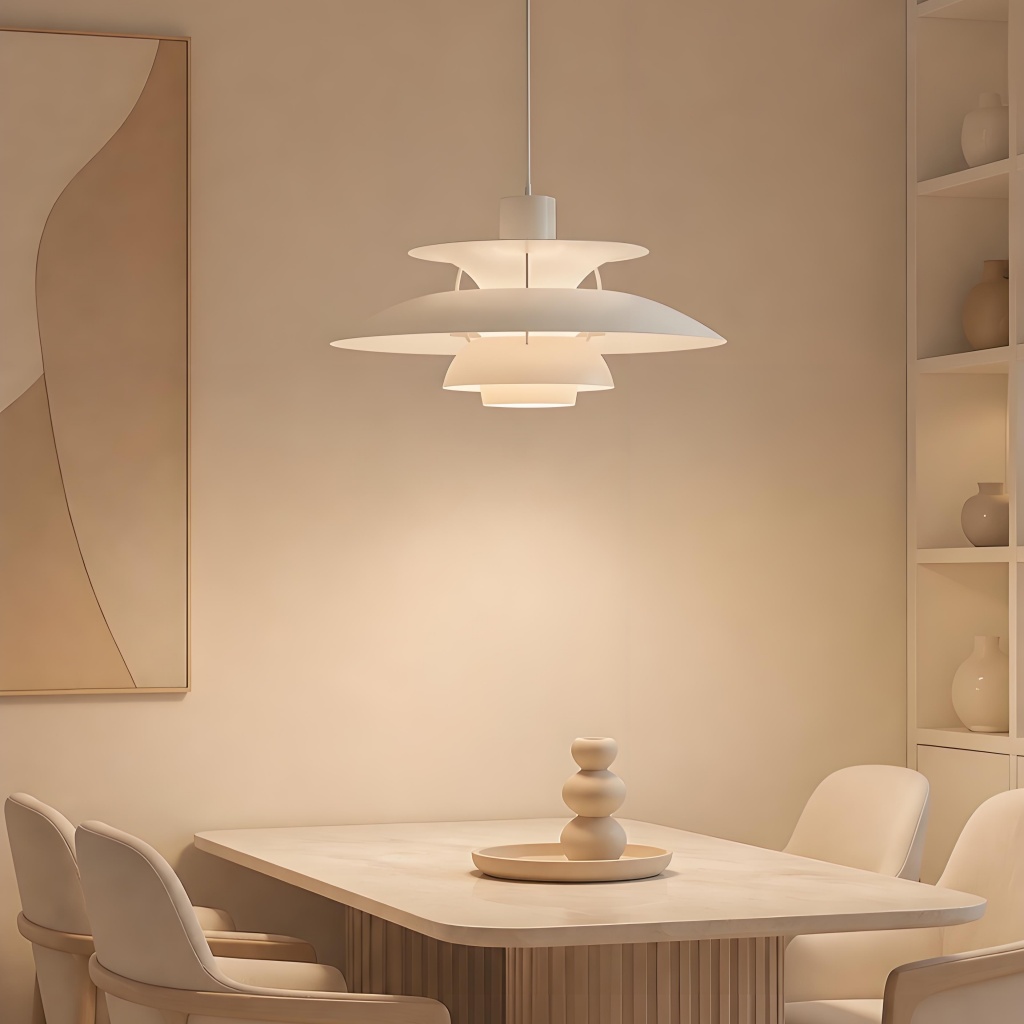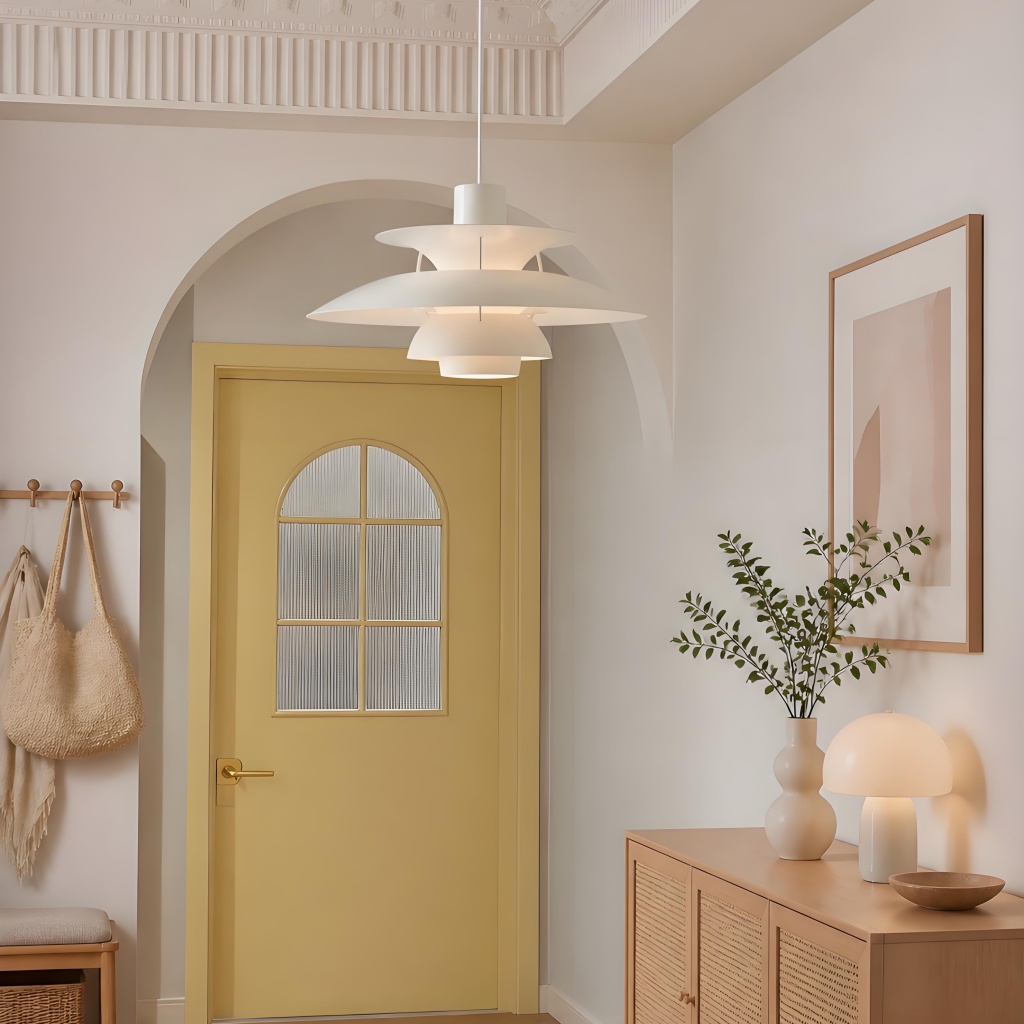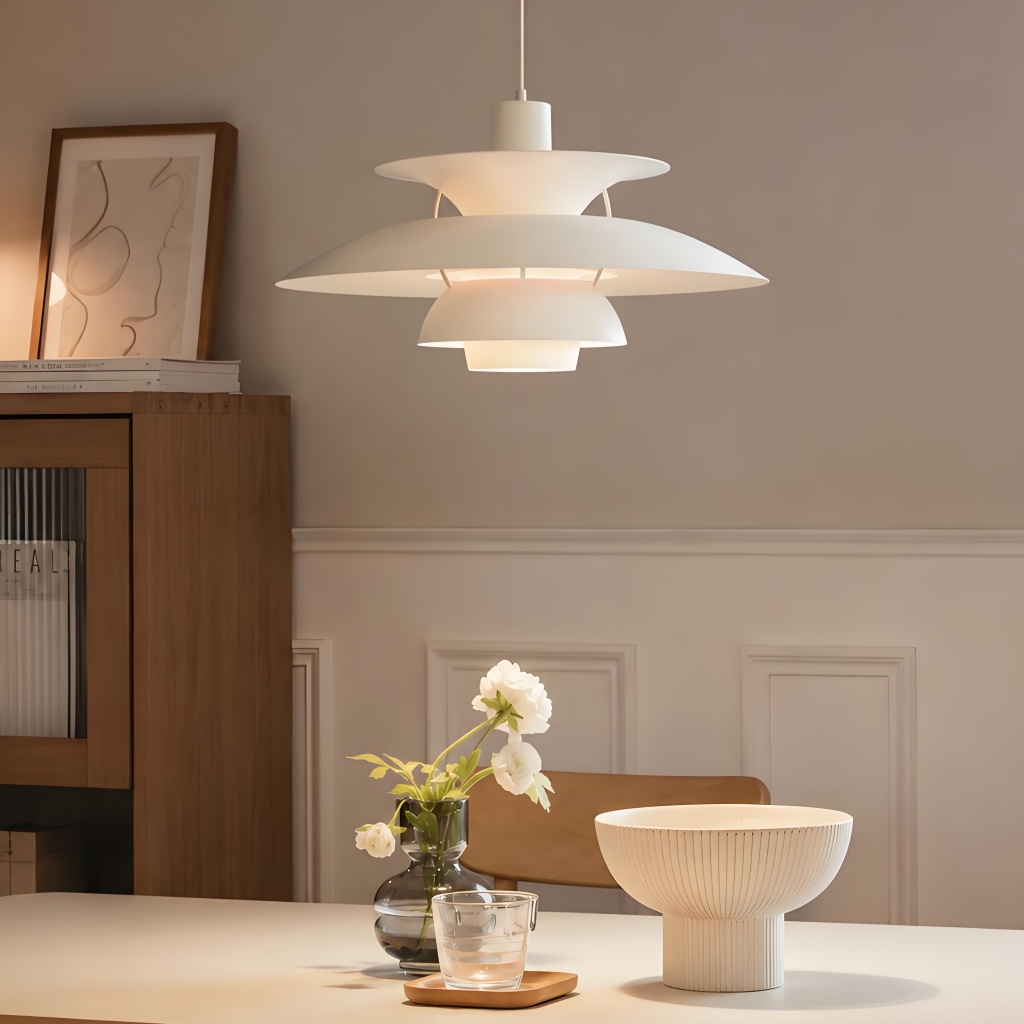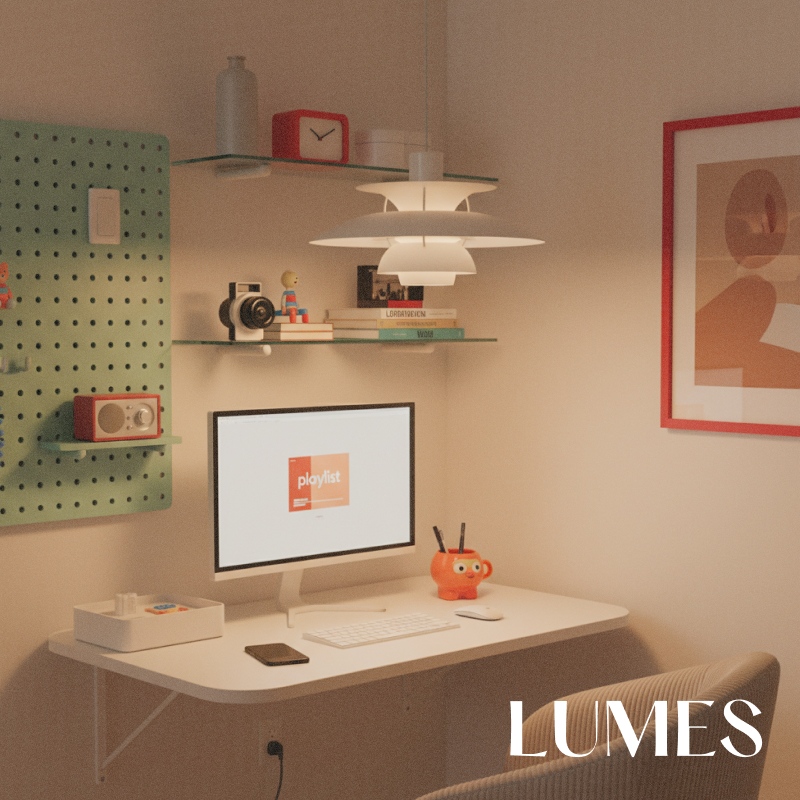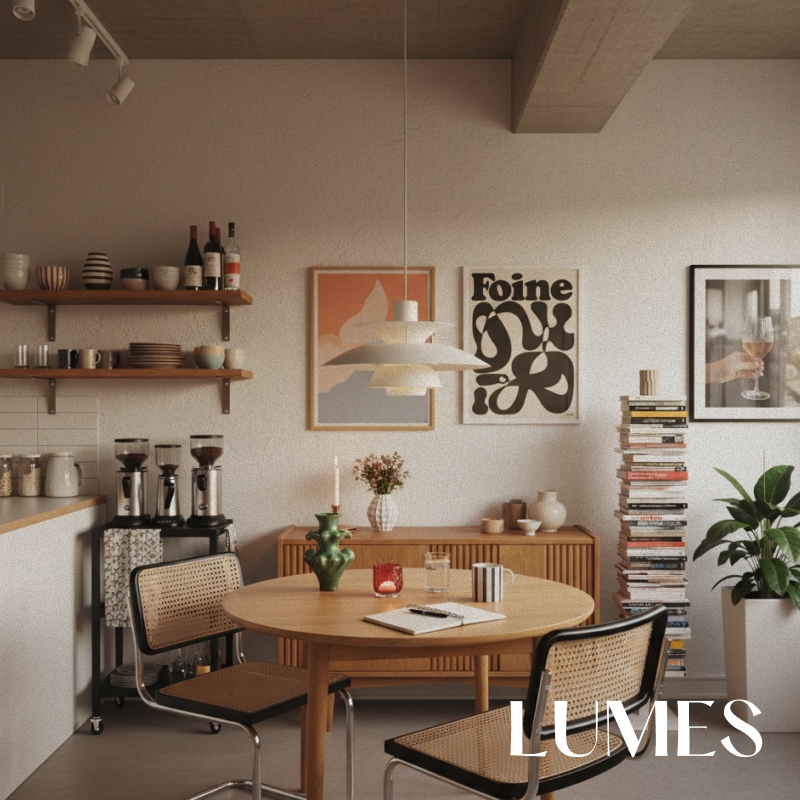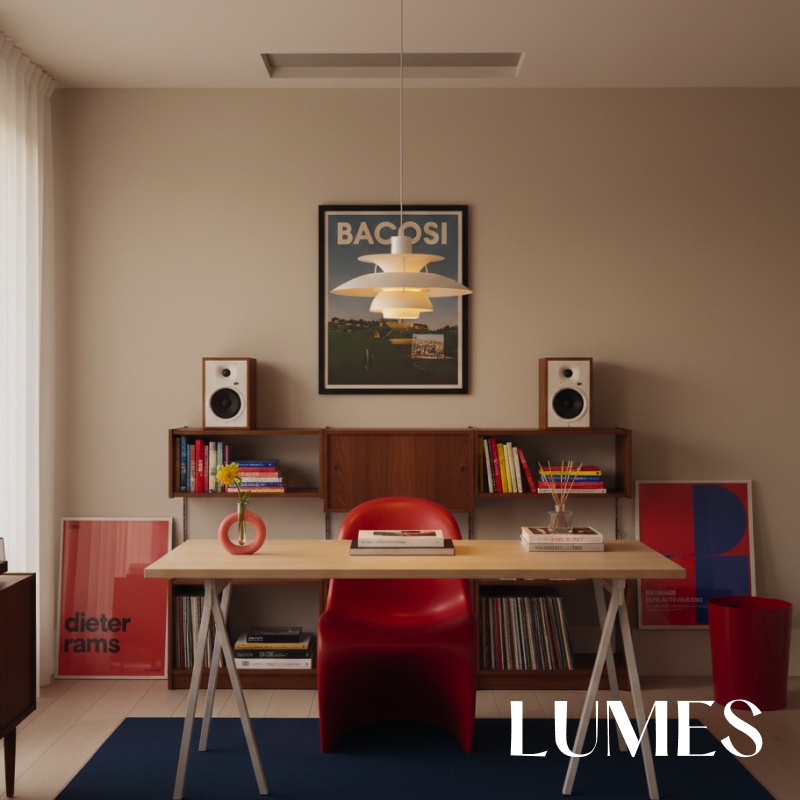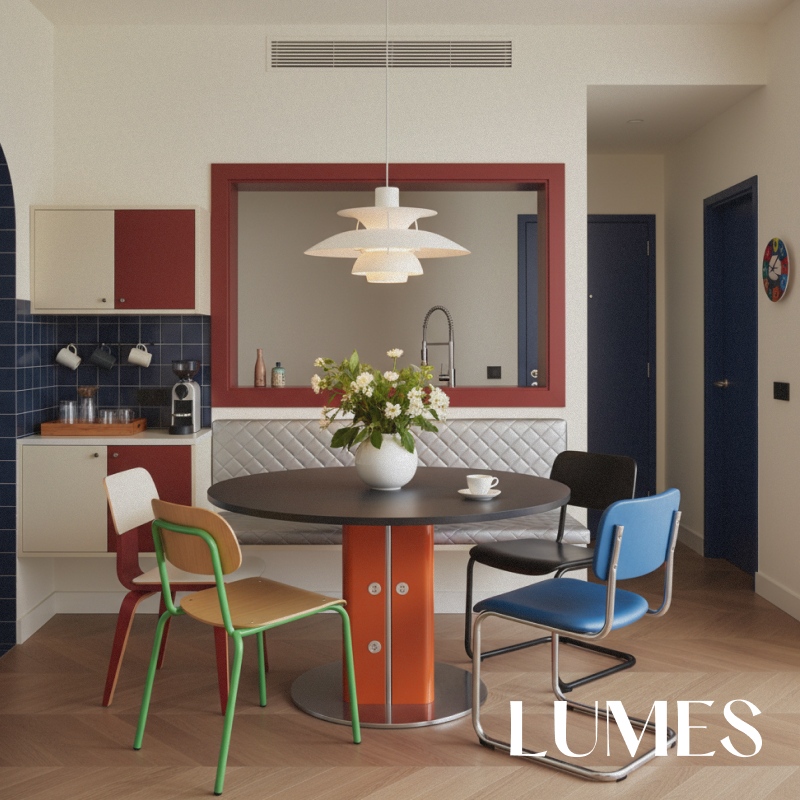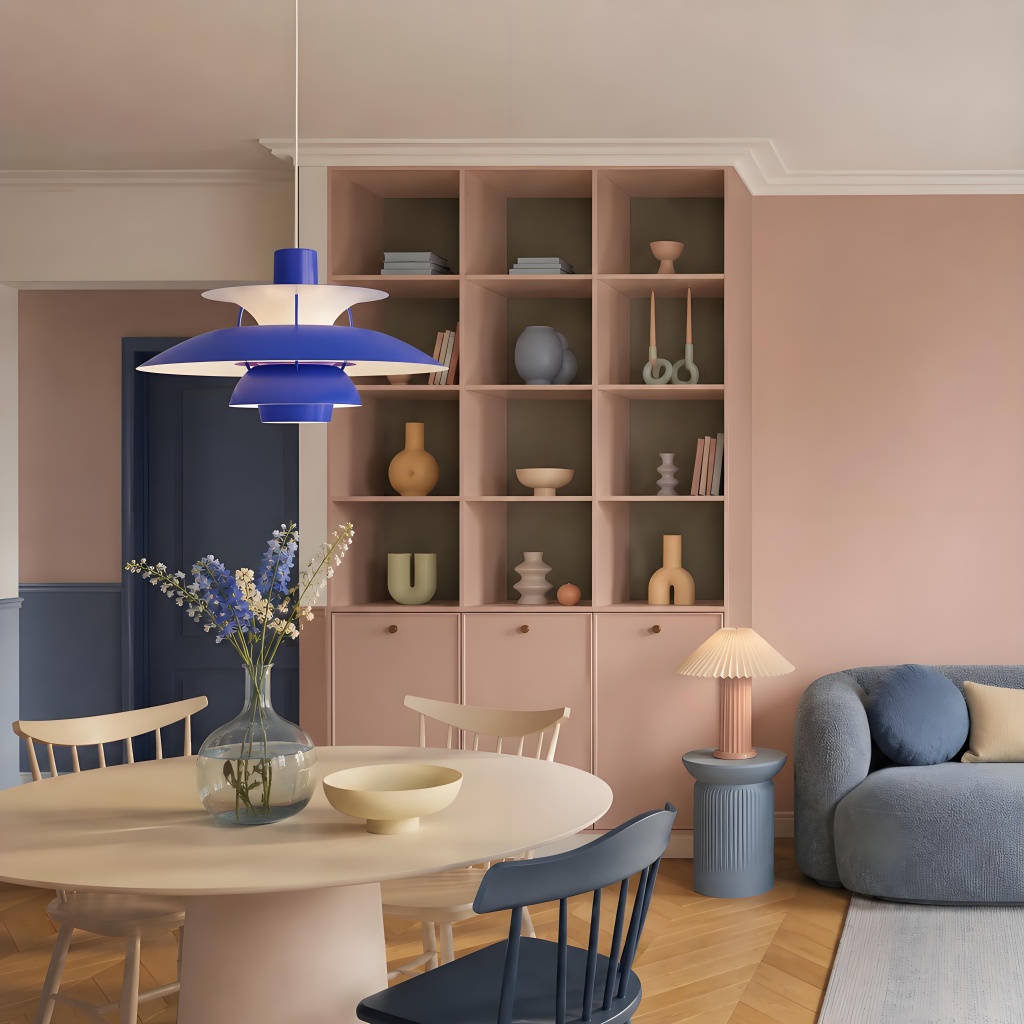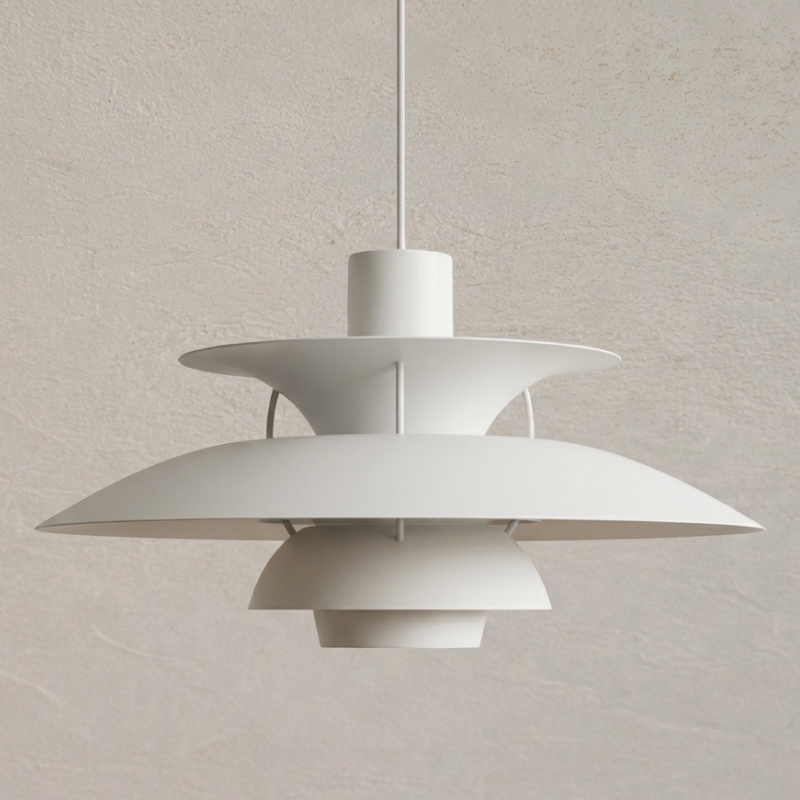
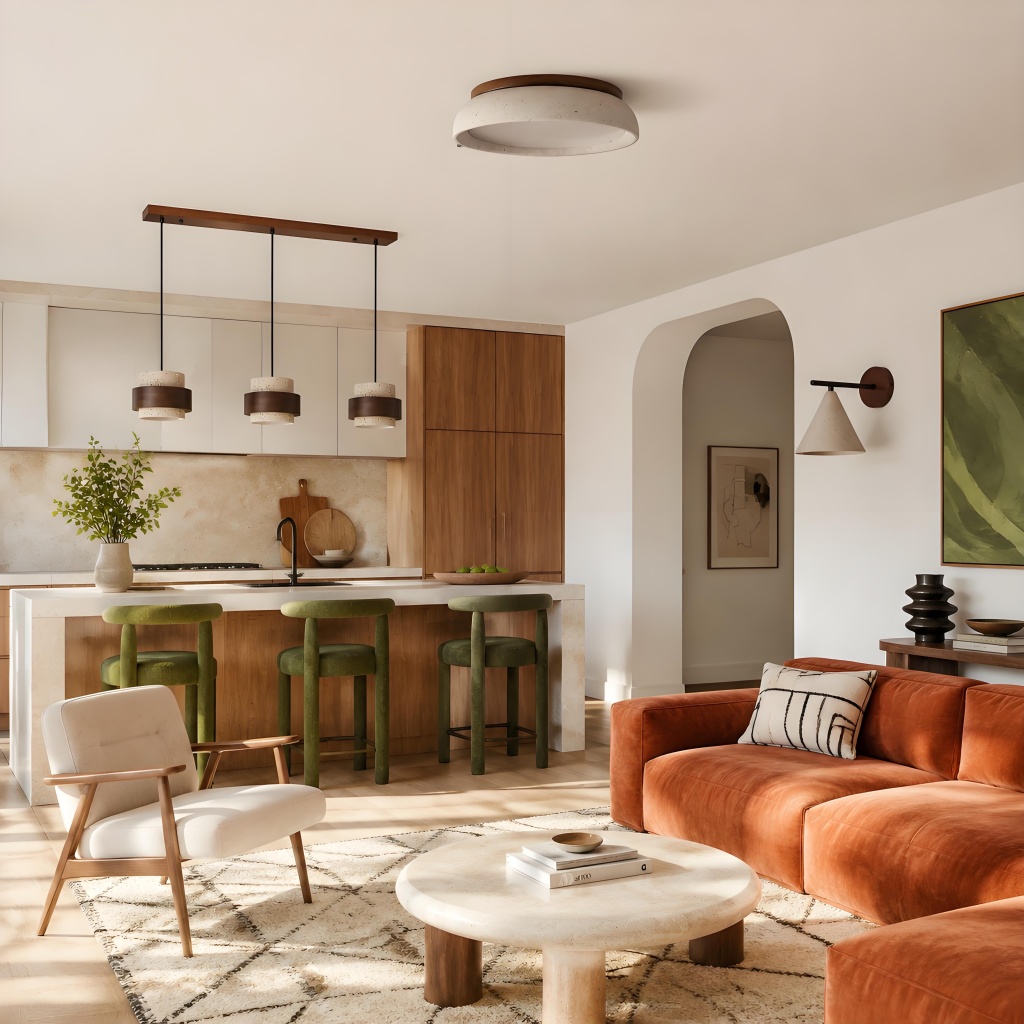
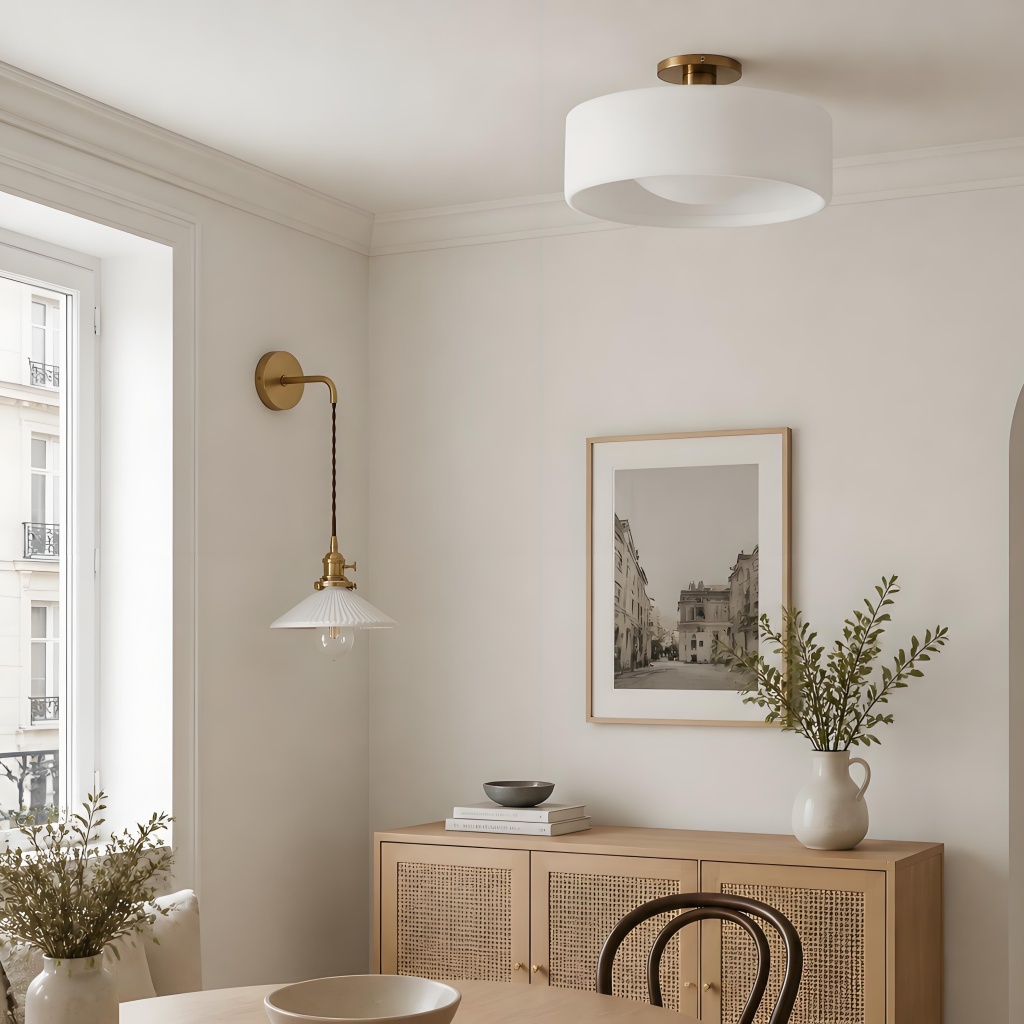
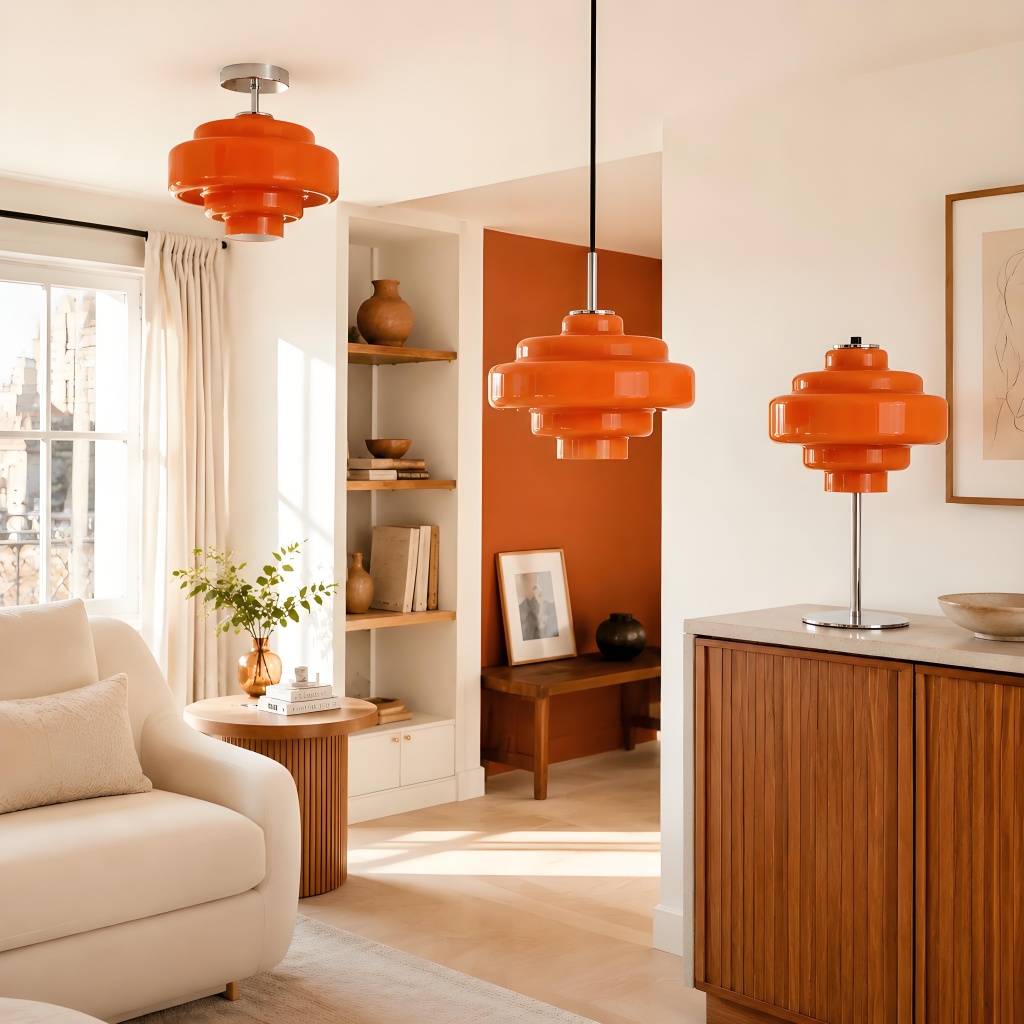
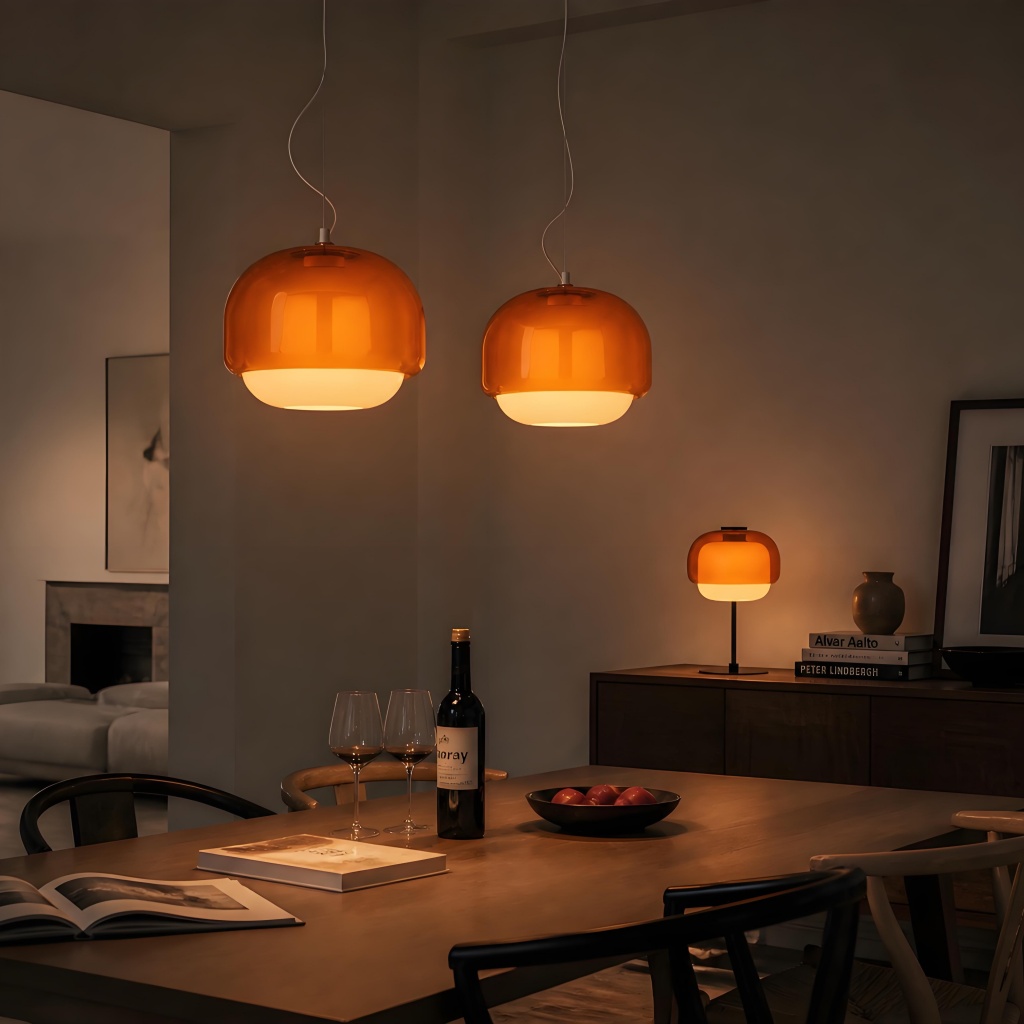
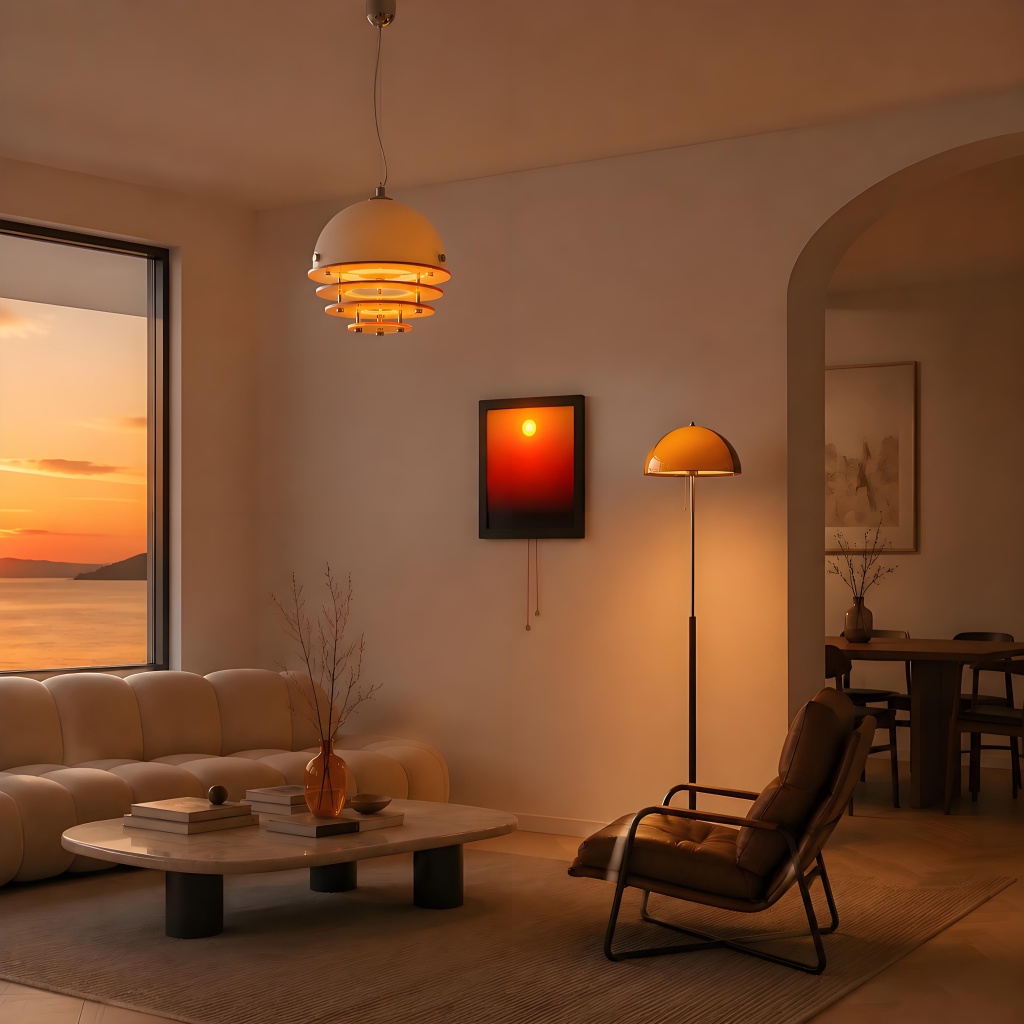


Choose a metal pendant when you want controlled light, a clear silhouette, and a finish that is easy to live with. Choose glass when you want the fixture to feel light, luminous, and a little more decorative. The best decision is less about which material is “better” and more about how much glare, visual weight, cleaning, and personality your room can handle.
The short answer
Metal is the safer all-round choice for kitchens, open-plan rooms, busy households, and modern interiors that need a little visual structure. Glass is the better fit for smaller dining areas, darker corners, and rooms where you want light to travel in every direction. If you are still undecided, start with the viewing angles: a shade that hides the brightest part of the source will usually feel more comfortable at eye level.
Metal and glass at a glance
| Decision point | Metal pendant | Glass pendant |
|---|---|---|
| Light feel | More directed and shielded | More open and sparkling |
| Visual weight | Adds a strong graphic shape | Keeps sightlines visually lighter |
| Cleaning | Usually a quick dry or damp wipe | Shows fingerprints, dust, and water marks sooner |
| Best match | Modern, Scandinavian, industrial, warm minimalist | Classic, eclectic, small-space, or glow-focused rooms |
| Main watch-out | A dark or shallow shade can feel heavy | An exposed source can create eye-level glare |
What the material changes in a real room
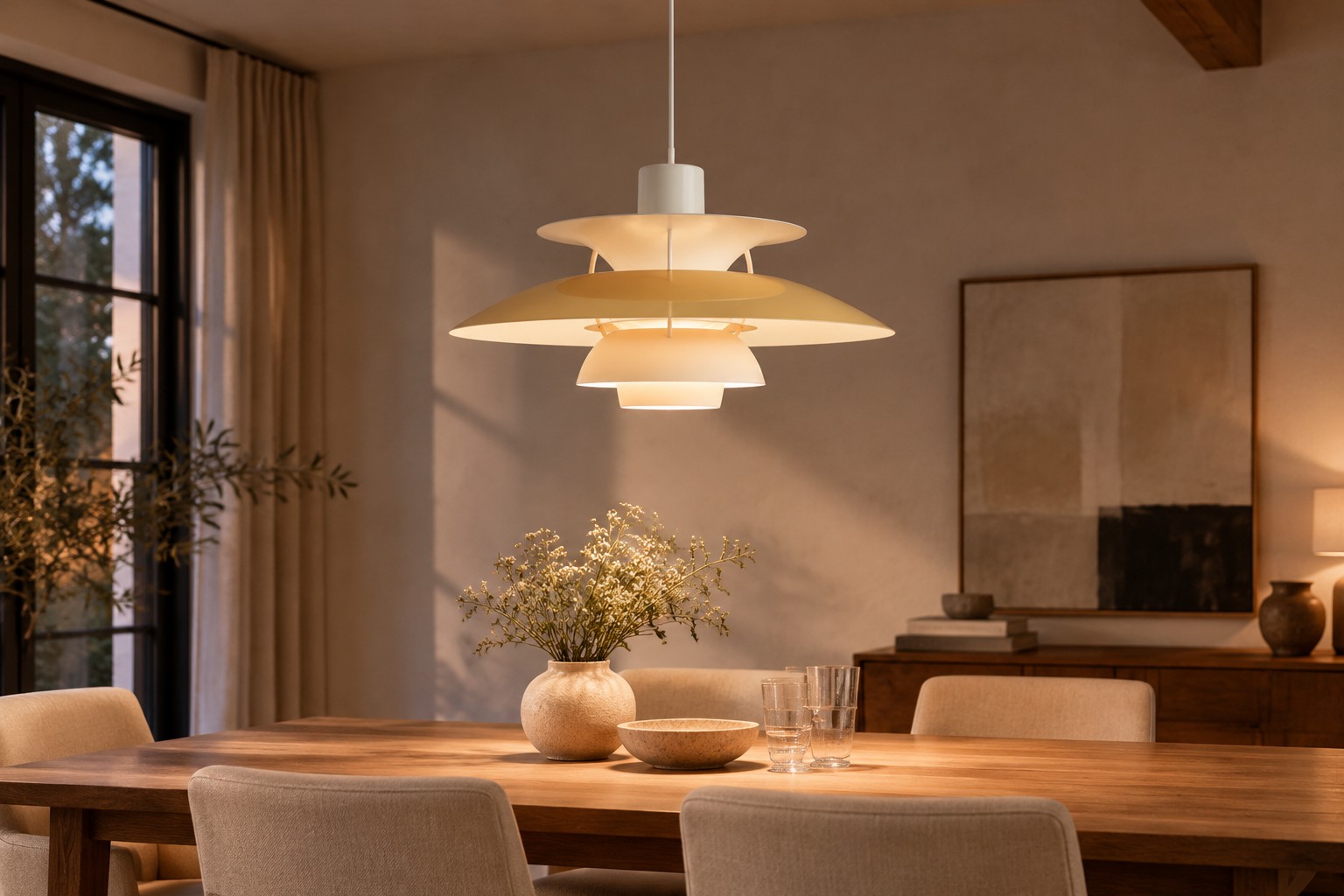
Material controls what you see before you even switch the light on. Metal gives the pendant a defined edge, so it can visually anchor a dining table or island. A painted or matte shade also hides the source from more angles. That does not automatically make every metal fixture glare-free, but it gives the designer more control over where the brightest light lands.
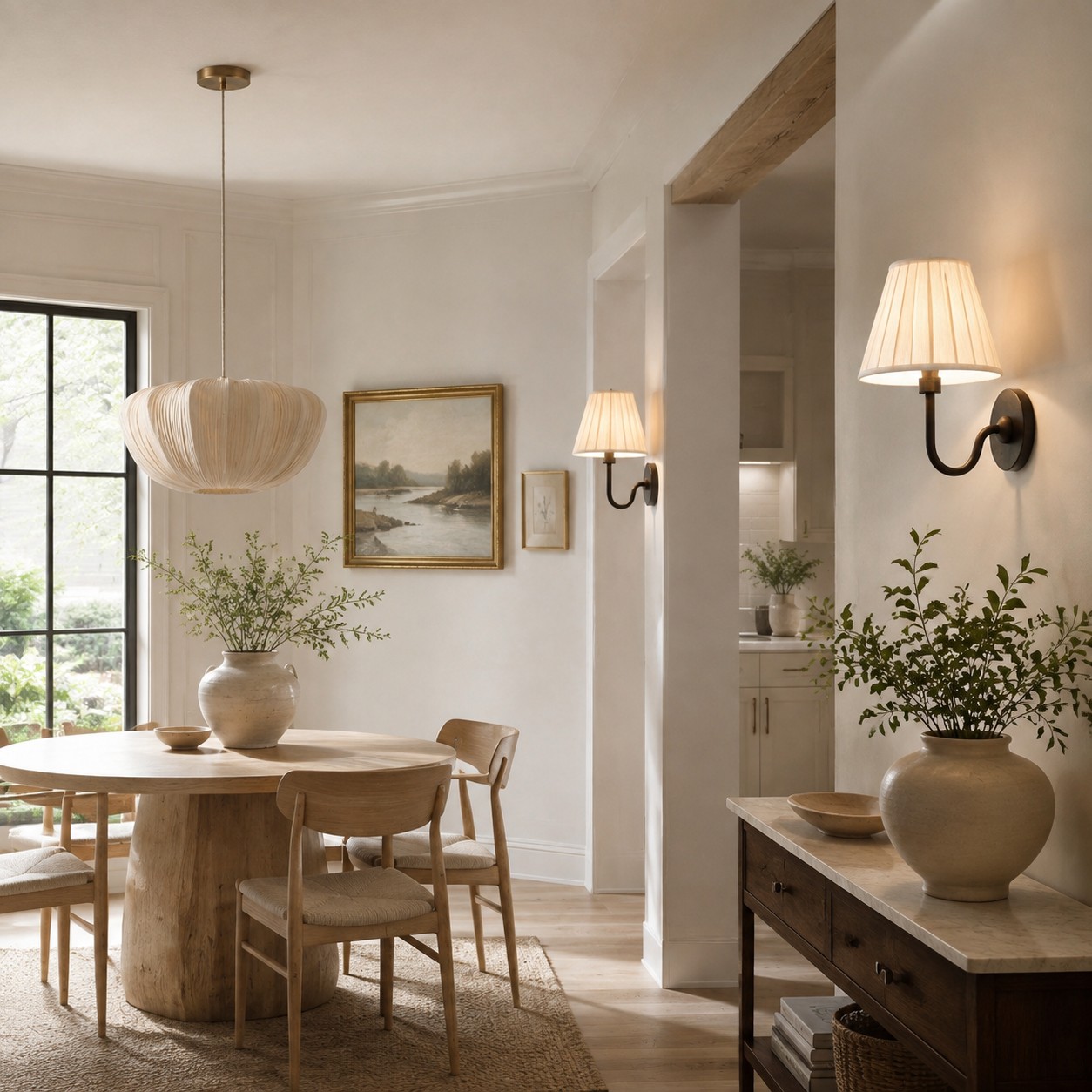
Glass does the opposite. A clear, opal, or ribbed shade lets the room see more of the light source and often sends light farther sideways. That can be useful in a compact room that feels flat after sunset. It can also make a clear bulb visible from a sofa, a standing eye line, or the seat at the end of a table. Before buying, sit where you normally read, eat, or work and imagine the shade at that height.
Think of the choice as a balance between atmosphere and editing. Glass adds glow quickly. Metal edits the glow so the rest of the room can stay calmer.
Choose metal when your room needs control
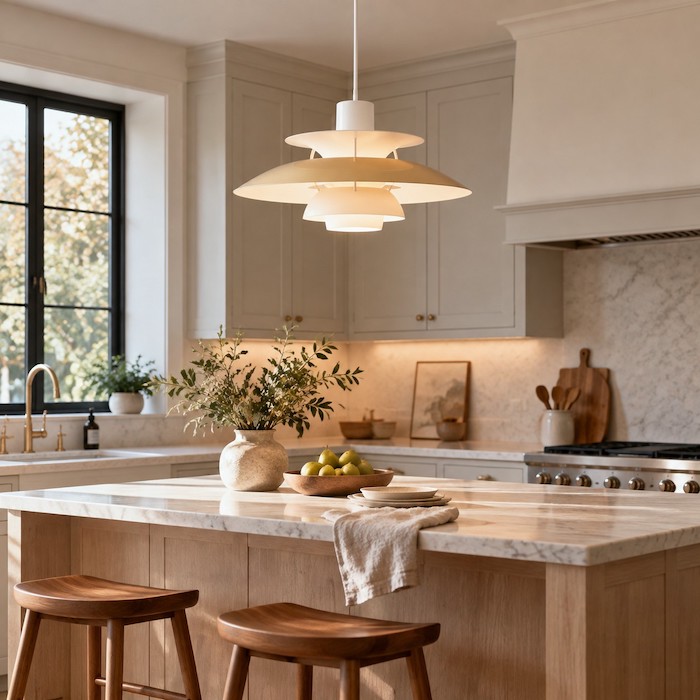
- The room is busy. Open kitchens, family dining areas, and work-from-home zones benefit from a fixture with a clean outline rather than another transparent object competing with cabinets and shelves.
- You want a quieter light source. Layered or solid shades can reduce direct views of the lamp while still sending useful light down to the table.
- You clean often. A smooth metal surface is generally easier to wipe than a large glass globe with seams and fingerprints.
- You are styling wood, stone, or plaster. Metal creates a deliberate bridge between tactile surfaces without adding another translucent texture.
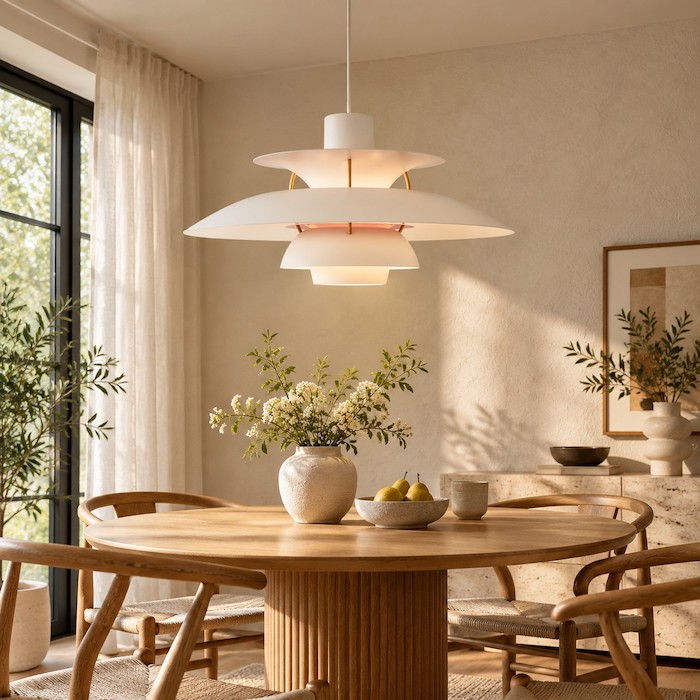
- You want one fixture to do visual work. A sculptural metal form can define the dining zone even when the rest of the apartment is restrained.
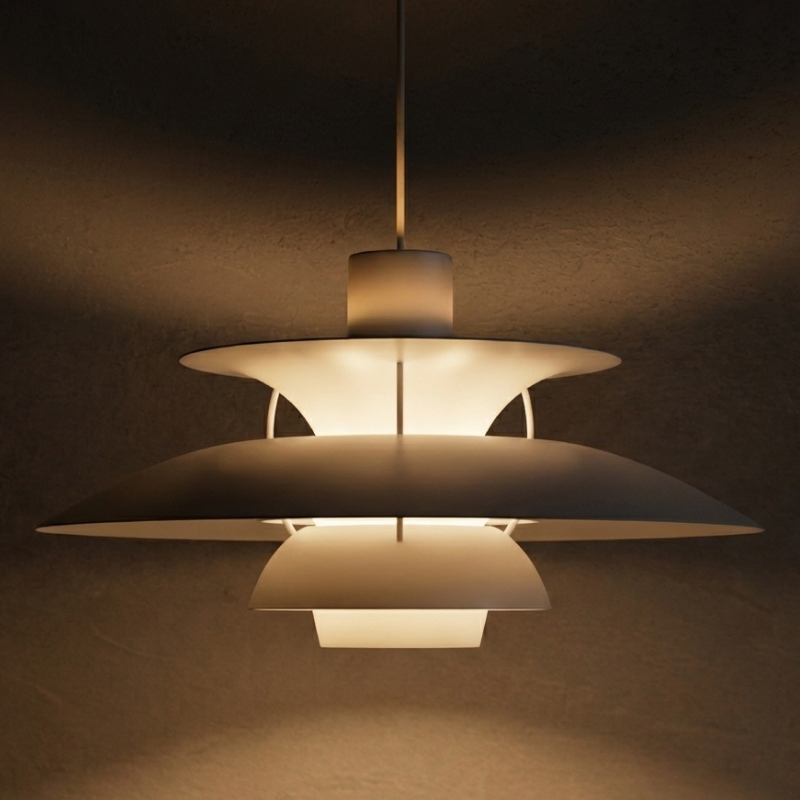
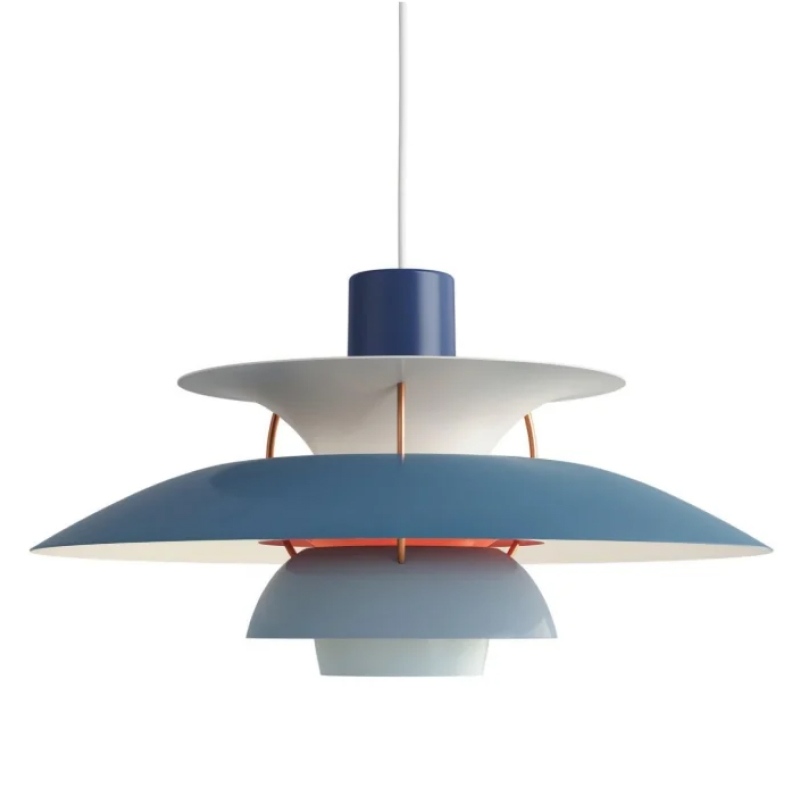
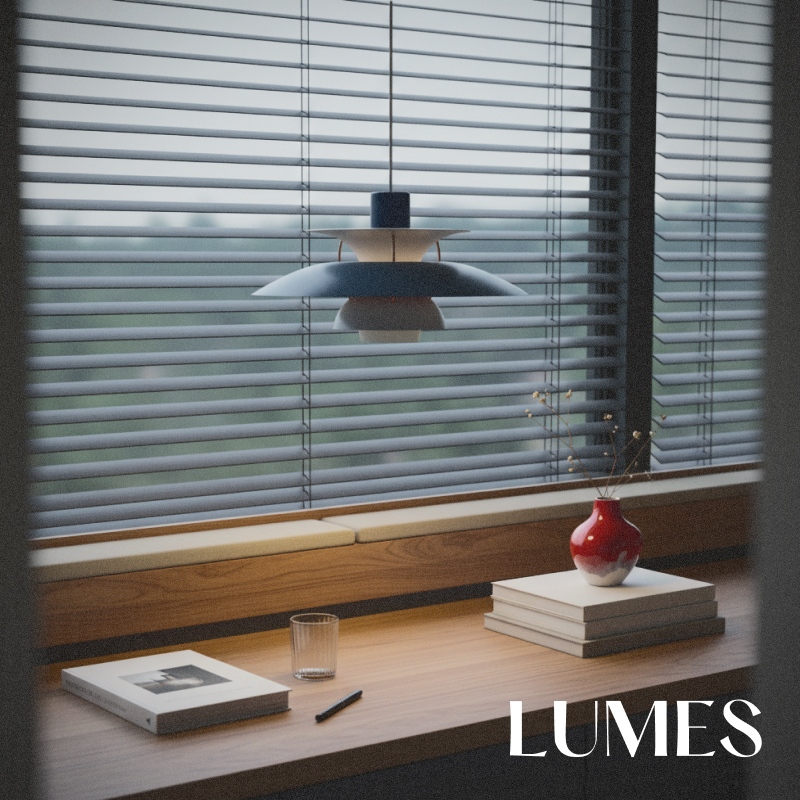
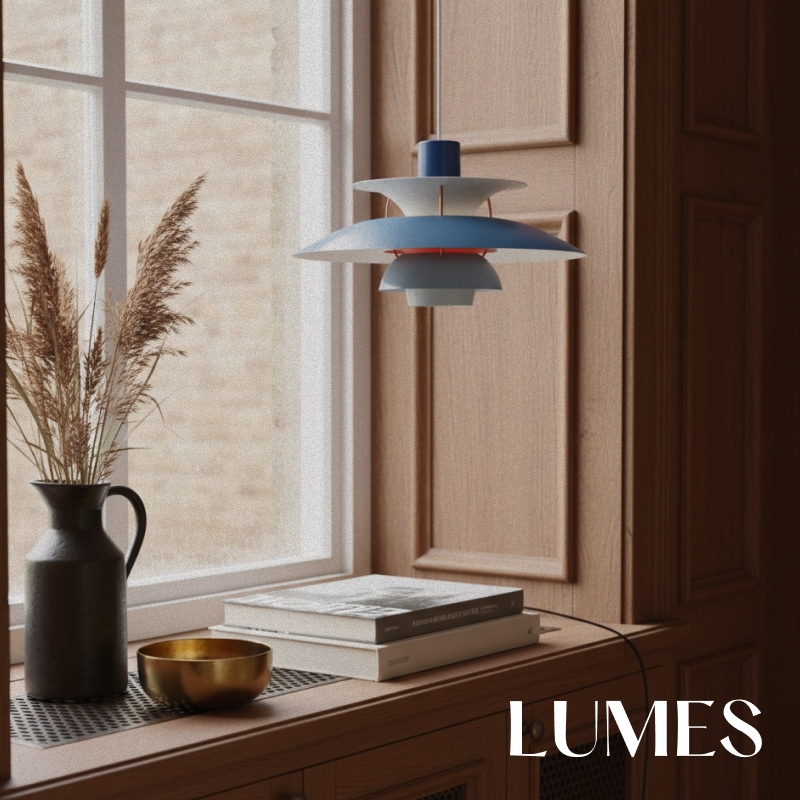
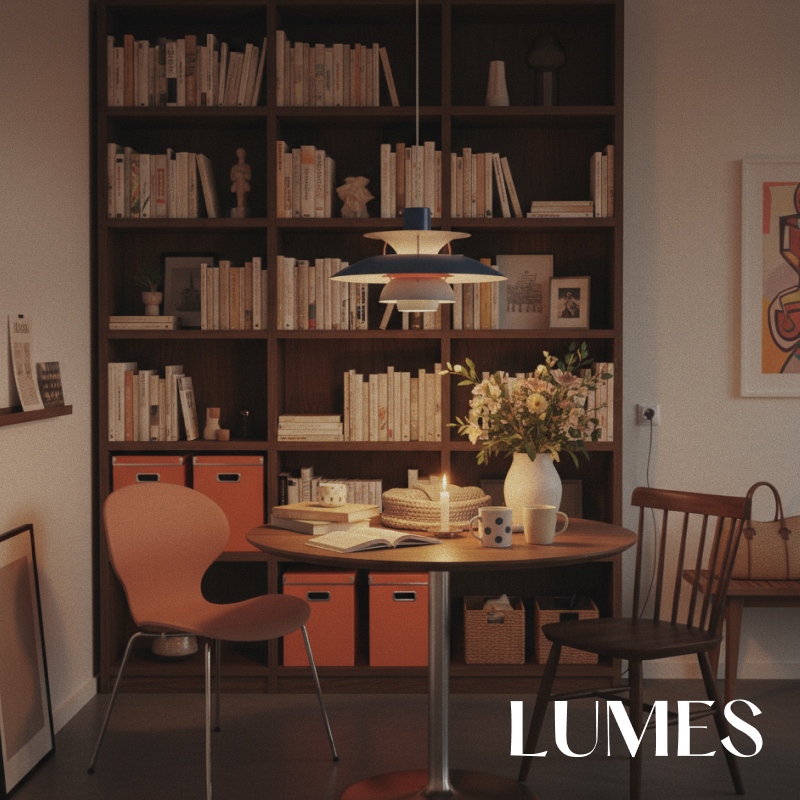
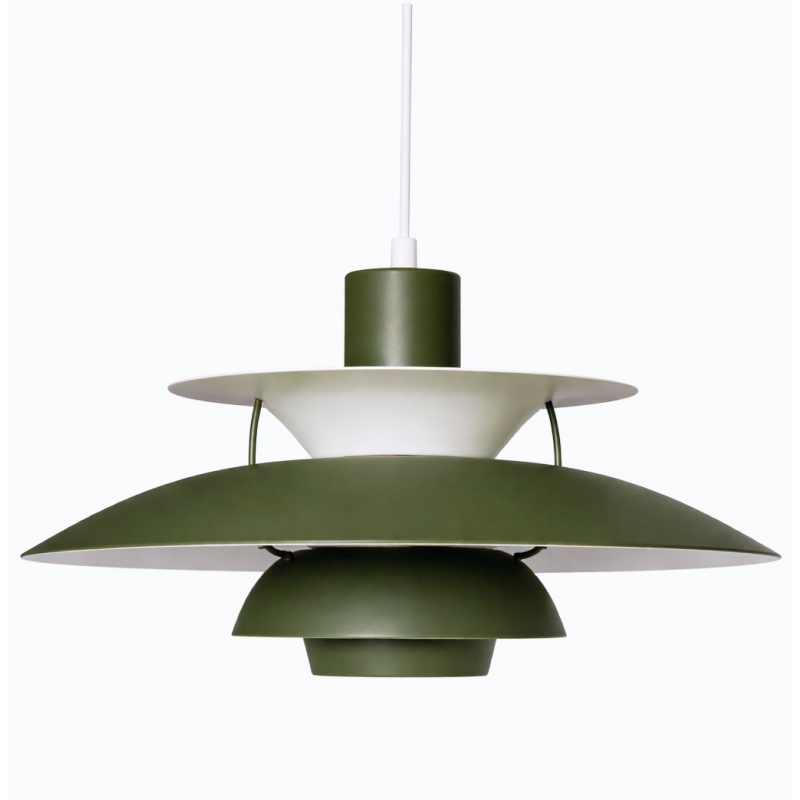
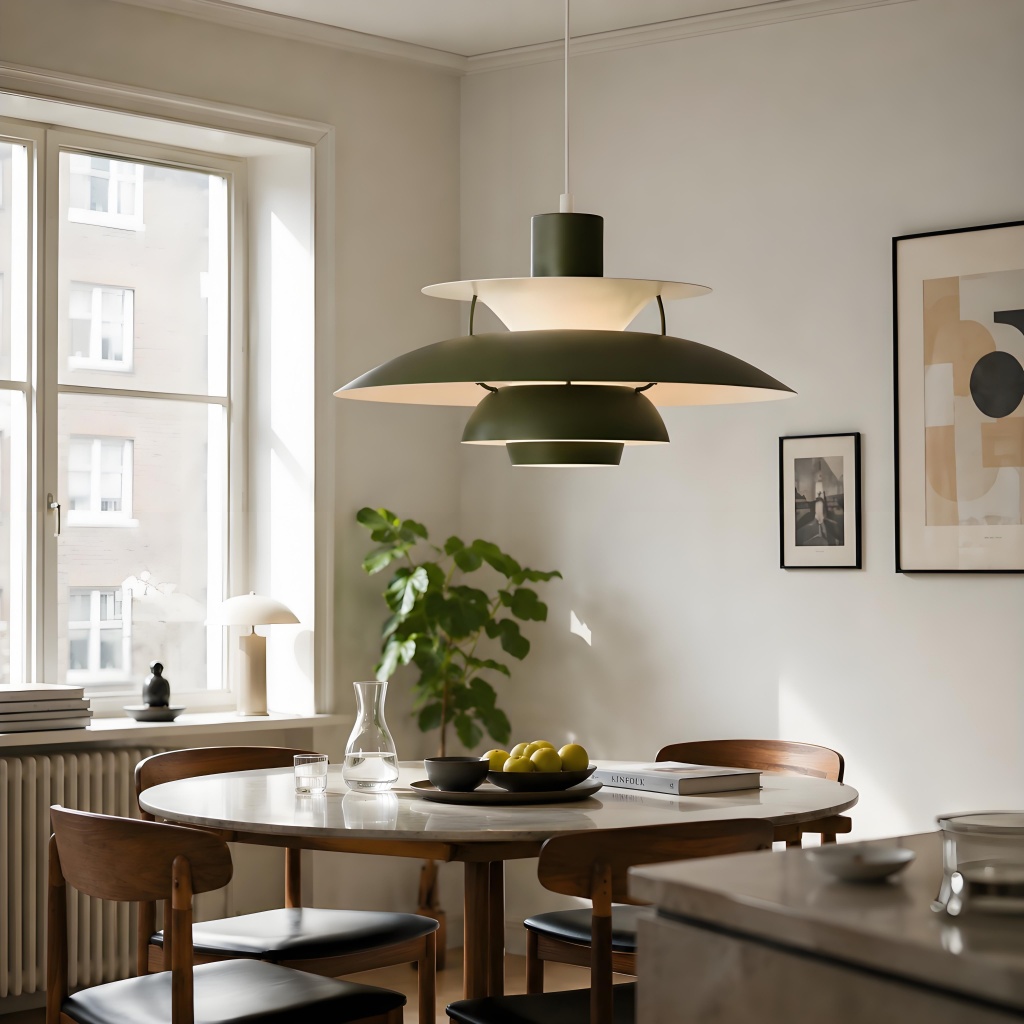
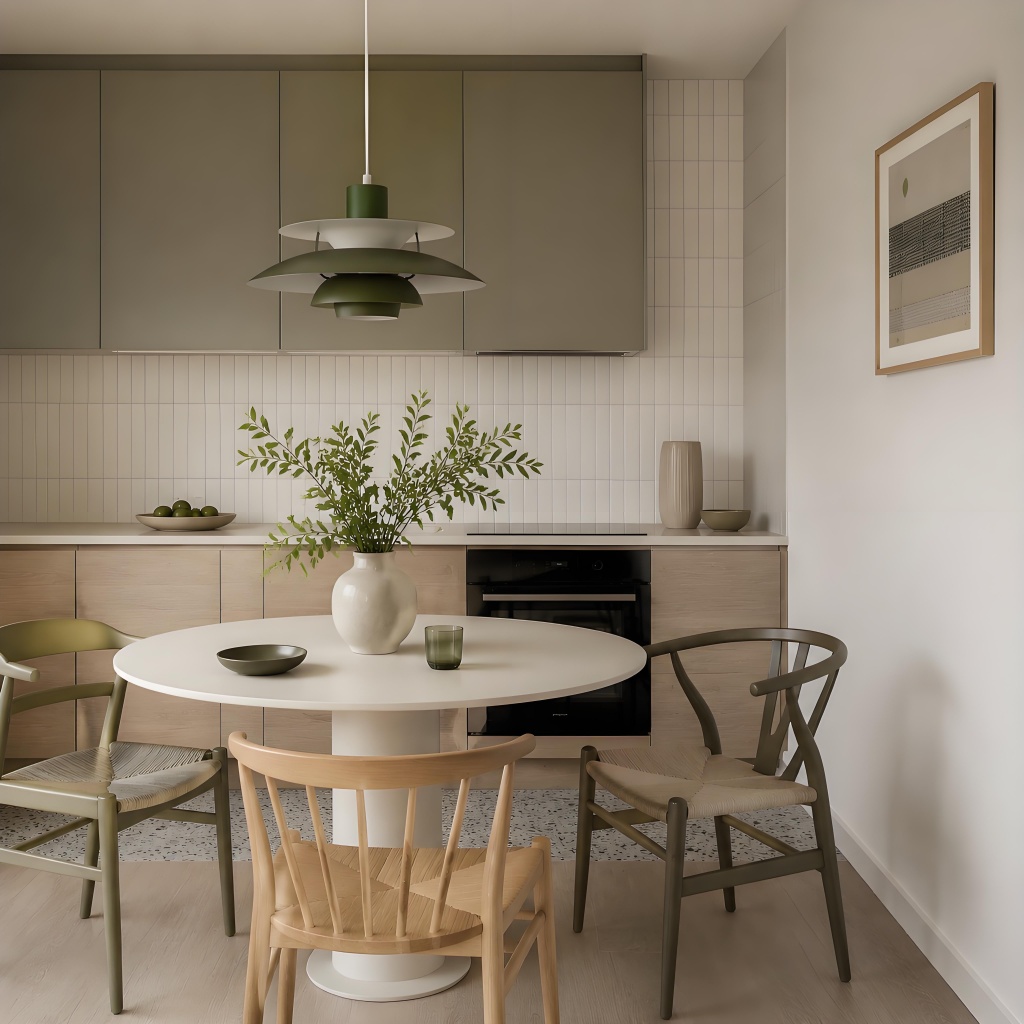
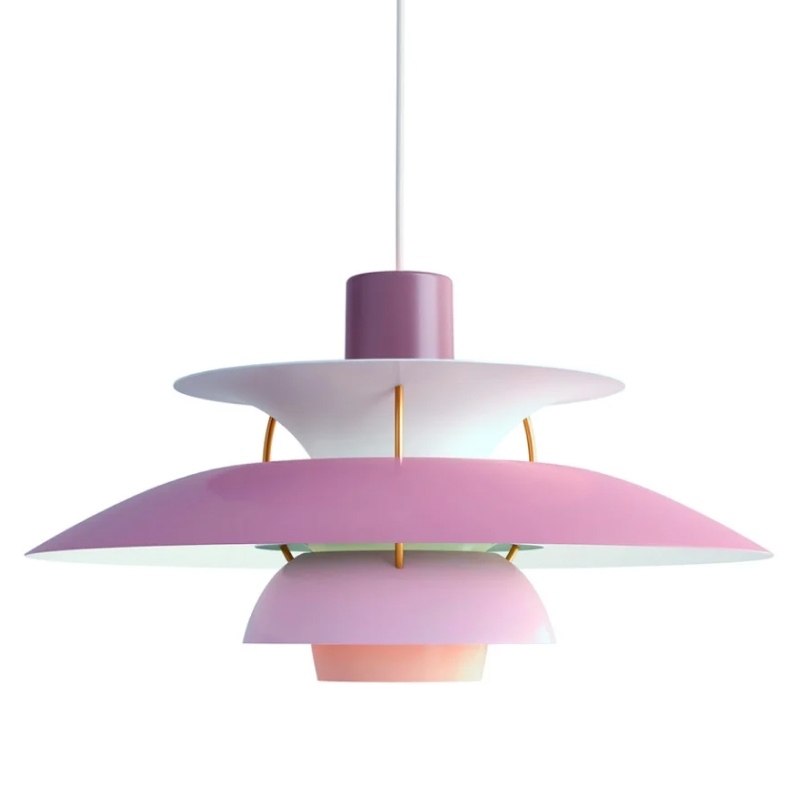
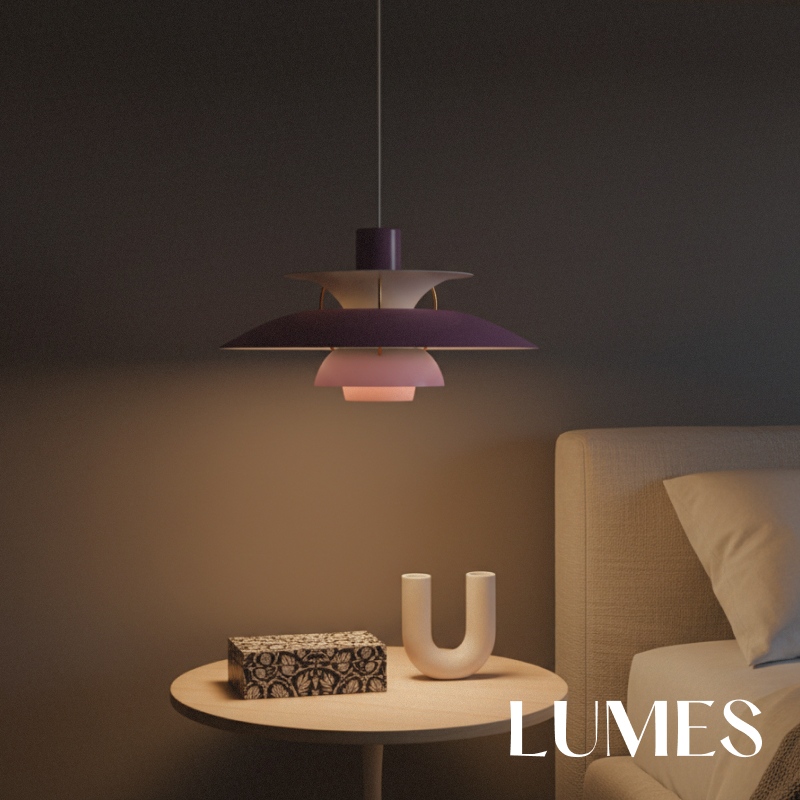
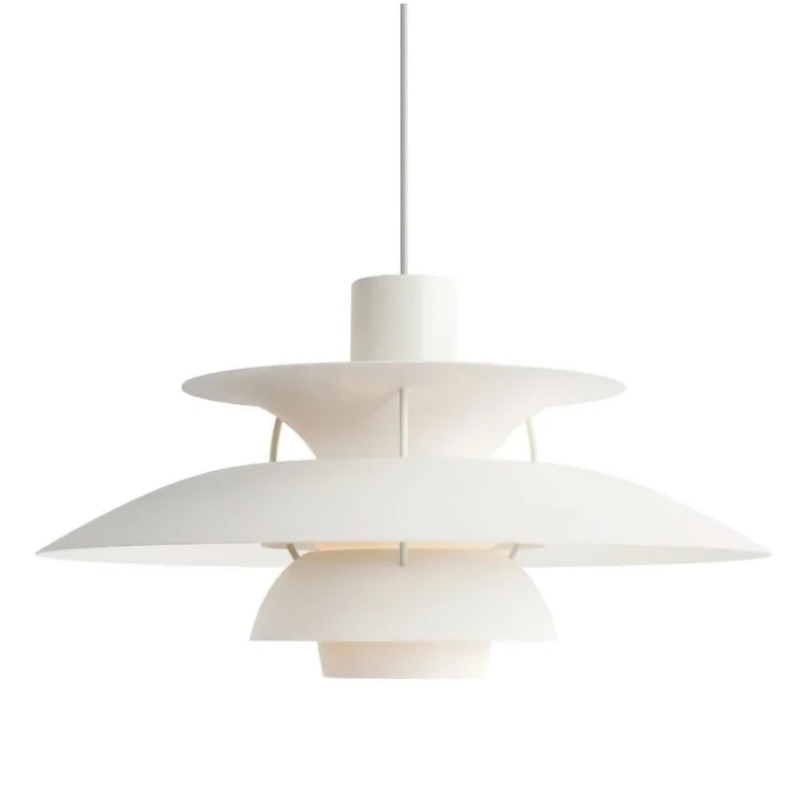
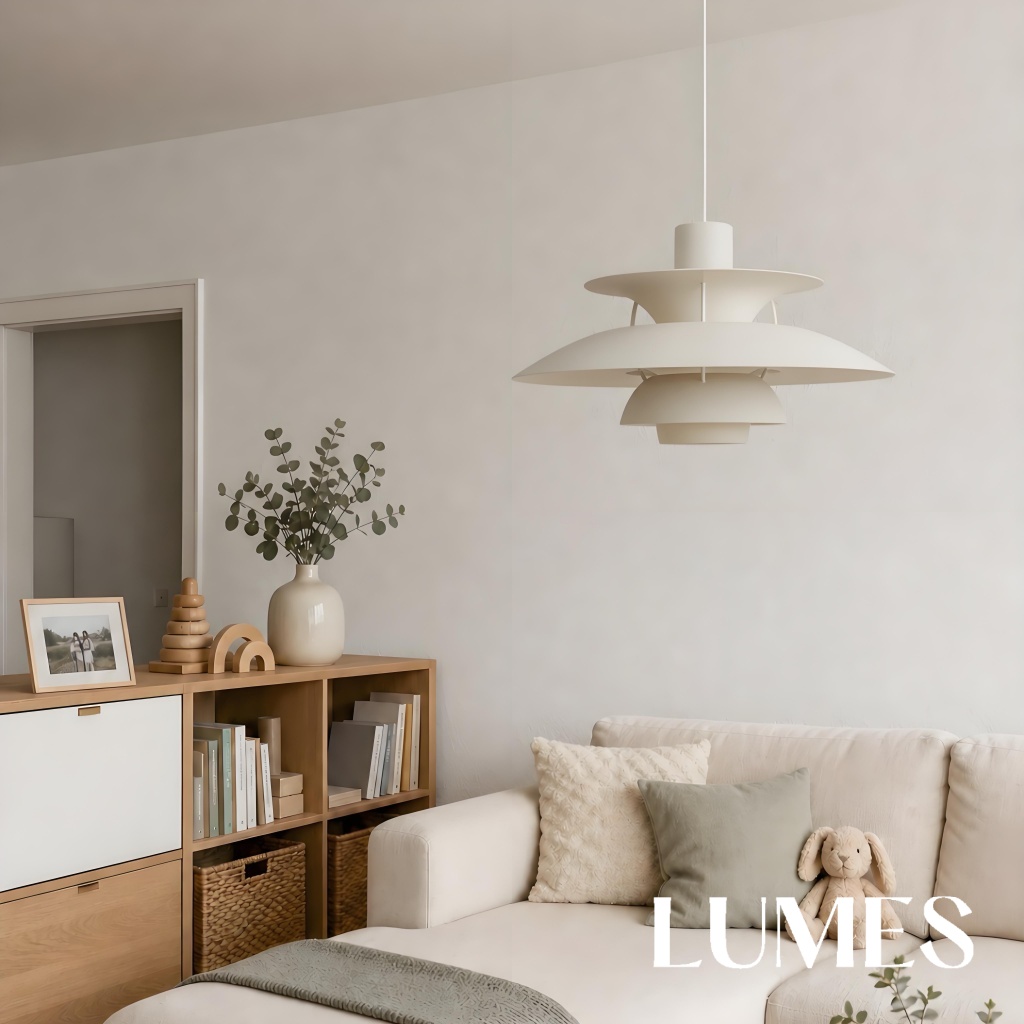
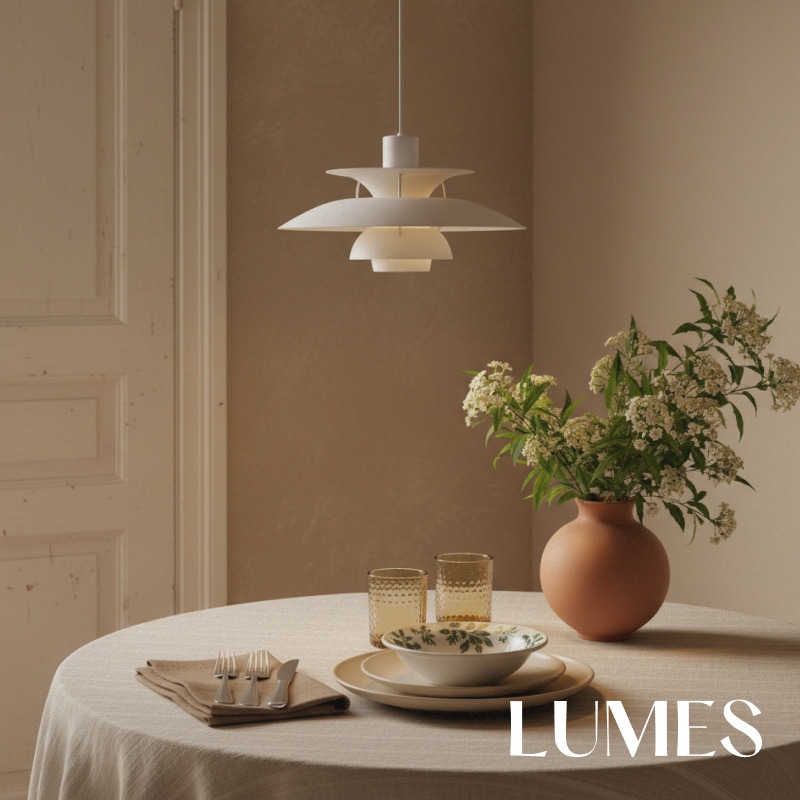
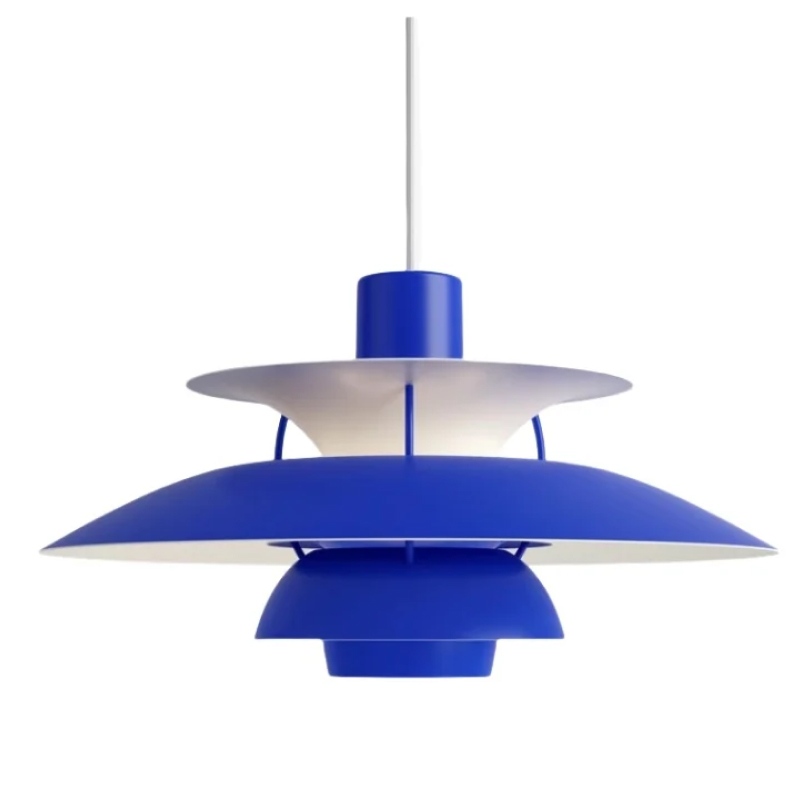
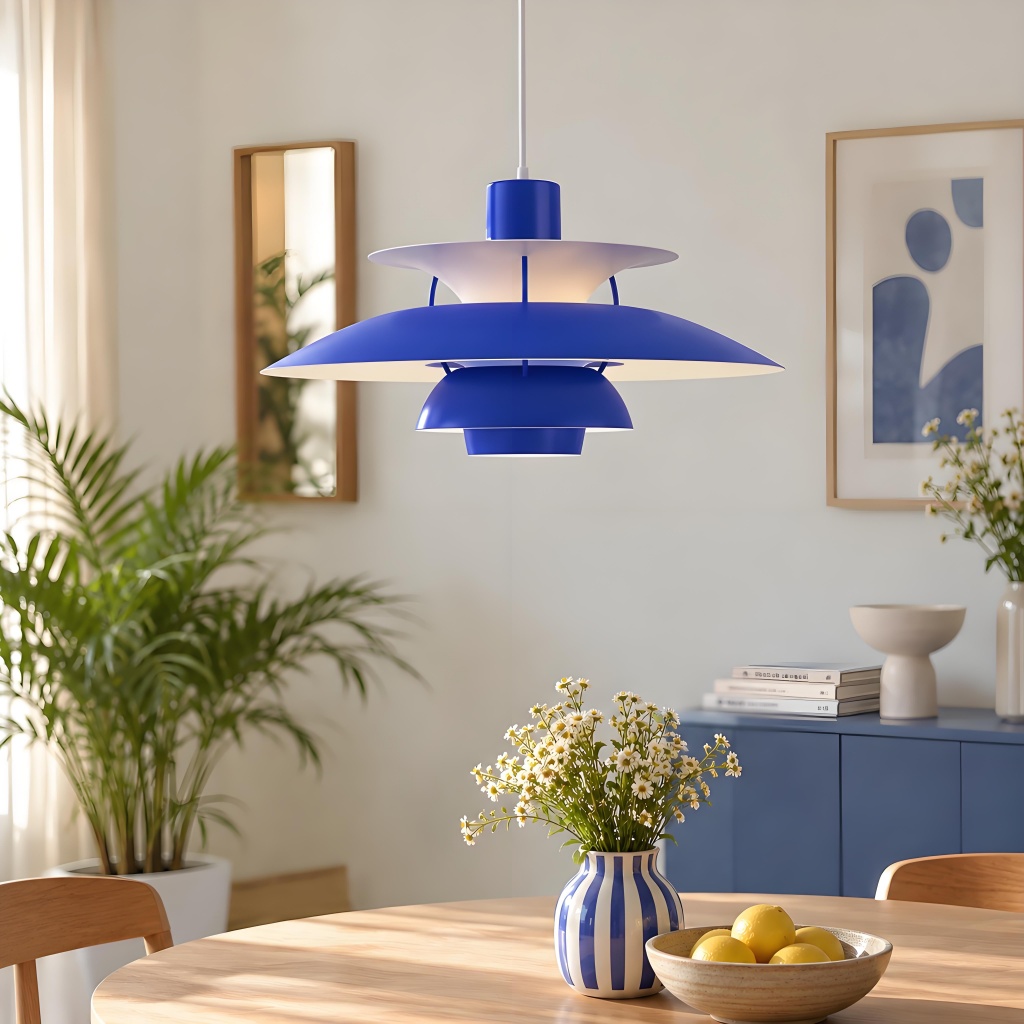
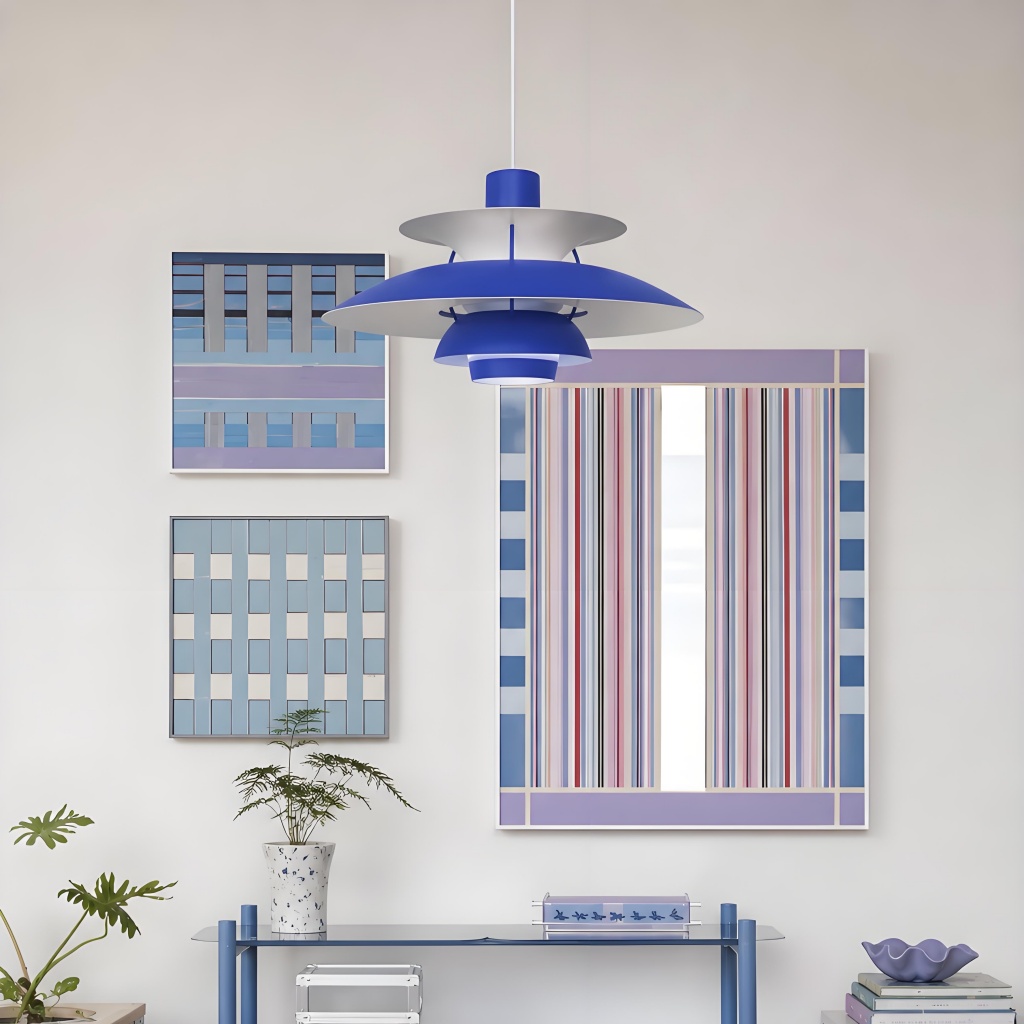
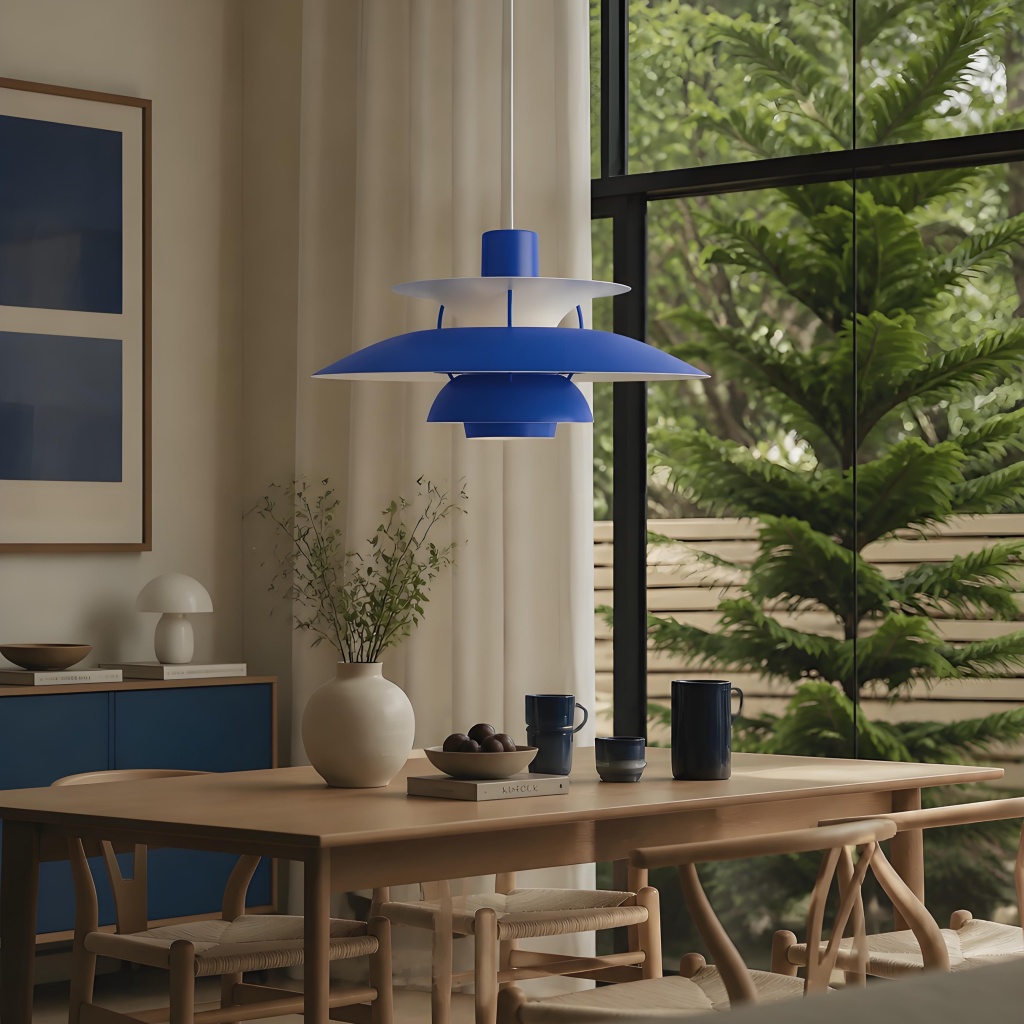
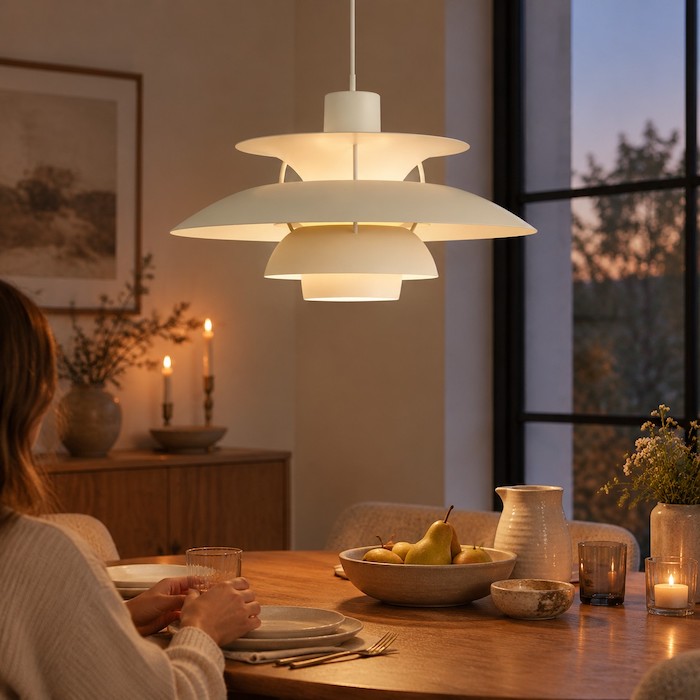
For that last use, the Scandinavian LED pendant light in metal and acrylic is a practical reference: its rounded silhouette adds shape, while the material keeps the look more controlled than clear glass. Use it above a small dining table or in a kitchen with matte cabinetry when you want personality without visual clutter.
Choose glass when you want the light to travel
Glass earns its place when the room needs brightness to spread sideways or when the pendant should almost disappear during the day. Opal glass is softer than clear glass, while ribbed or seeded glass adds texture without requiring a strong color. Glass can also make a low-contrast dining corner feel more inviting because the eye reads the glow as part of the room, not only as a dark object overhead.
Use it carefully in a long sightline. If the fixture is visible from the entry, kitchen, sofa, and dining chairs, a clear globe can become the brightest point from several directions. A dimmer, a lower-lumen source, or a shade that covers the bulb can make the same material much more comfortable.
Four checks shoppers often skip
- Check brightness, not wattage. ENERGY STAR explains that brightness is measured in lumens, so compare the light output you need before comparing finishes.
- Check the color appearance. Lower Kelvin numbers look warmer and higher numbers look cooler. ENERGY STAR's color-appearance guidance is useful when a kitchen needs to feel warm but still show food and work surfaces clearly.
- Check the viewing angle. A beautiful shade is still the wrong shade if the bulb sits directly in your line of sight at the table.
- Check installation before delivery. A hardwired pendant needs a suitable ceiling point and installation plan. Do not treat a new electrical connection as a styling-only decision.
Where the Lumesdesign option fits
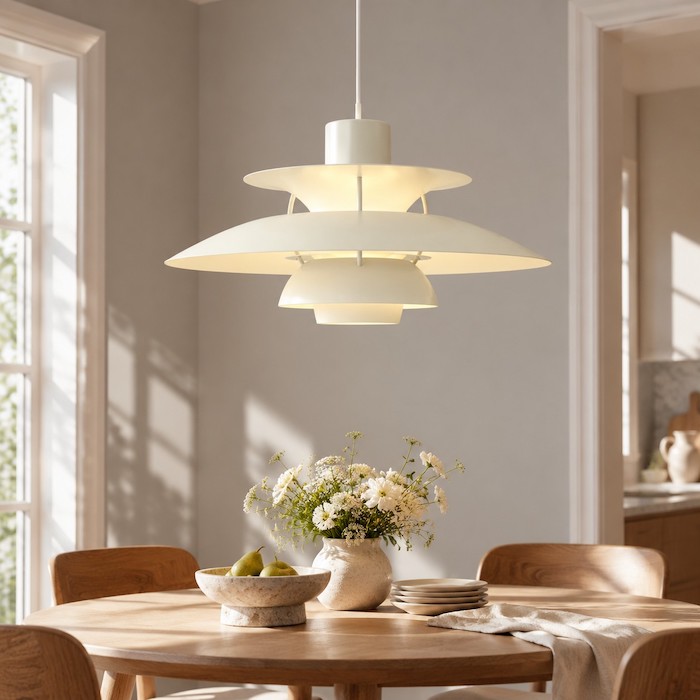
The product page lists a metal-and-acrylic body, integrated LED, two diameters (25 cm and 40 cm), a standard 150 cm cable that can be adjusted, and warm-light or remote-dimmer variants. That makes the Scandinavian metal-and-acrylic pendant a stronger match for buyers who want the shaped presence of metal but still need a soft everyday glow. The smaller diameter suits a compact table or apartment dining corner; the larger one has more presence over an island or a wider table.
See the full Scandinavian LED pendant specifications before ordering, then confirm the selected size, color, light option, and ceiling connection for your room.
FAQ: metal or glass?
Is metal better for a kitchen pendant?
Usually. Metal is easier to keep visually tidy and can shield direct light over worktops. Choose a shade that still sends enough light down to the surface.
Does glass always create more glare?
No. Opal and well-diffused glass can be comfortable. Clear glass with a visible bright bulb is the version most likely to cause eye-level glare.
Which material is easier to clean?
Most smooth metal shades need less frequent cleaning. Glass needs more visible-fingerprint and water-mark maintenance, especially near a kitchen.
Can a metal pendant still feel warm?
Yes. Use a warm light option, wood, linen, and matte wall finishes around it. The finish and light color matter as much as the base material.
What is the easiest choice for a small dining area?
Pick a modest metal or opal-glass fixture, keep the diameter proportional to the table, and avoid a bulb that is exposed at seated eye level.