


Lumes Design styling guide
How to Style Layered Pendant Lights Like an Interior Designer
Think Like a Stylist: Give the Pendant a Job
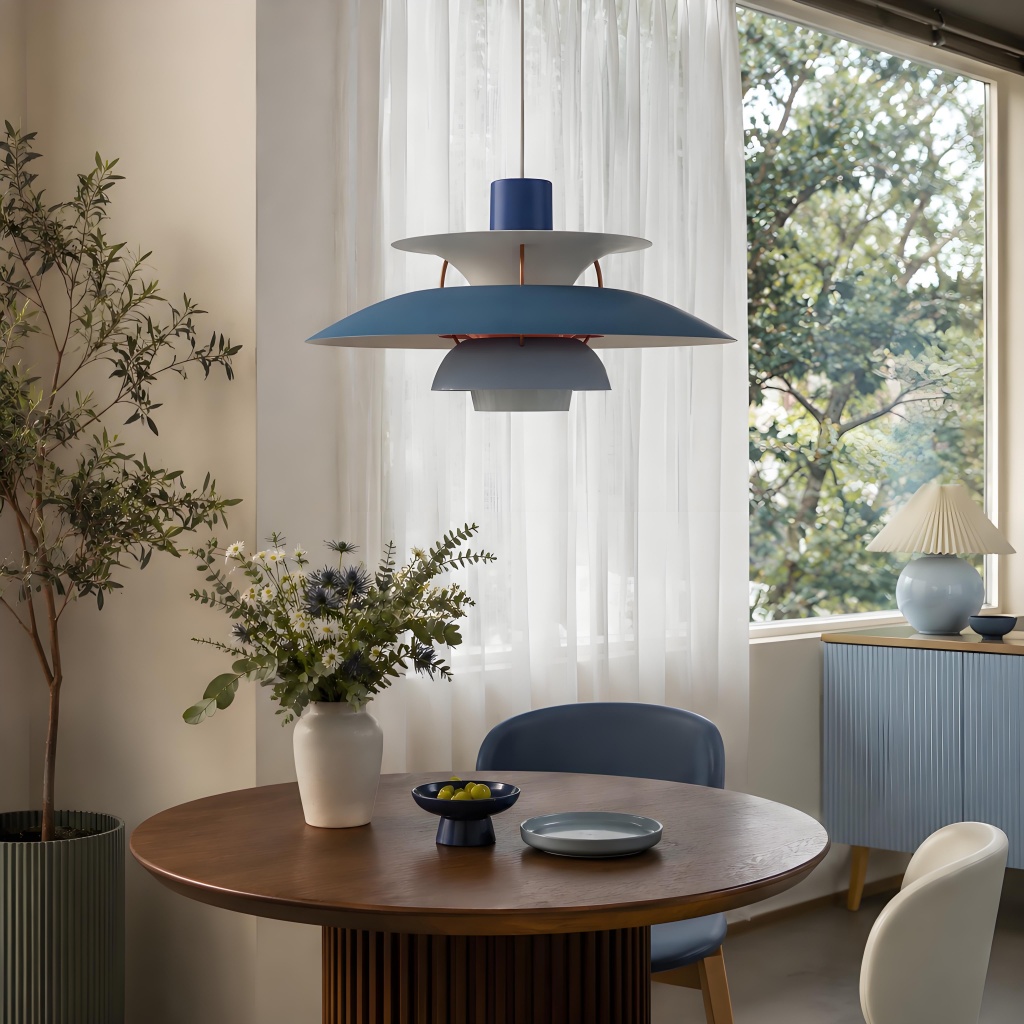
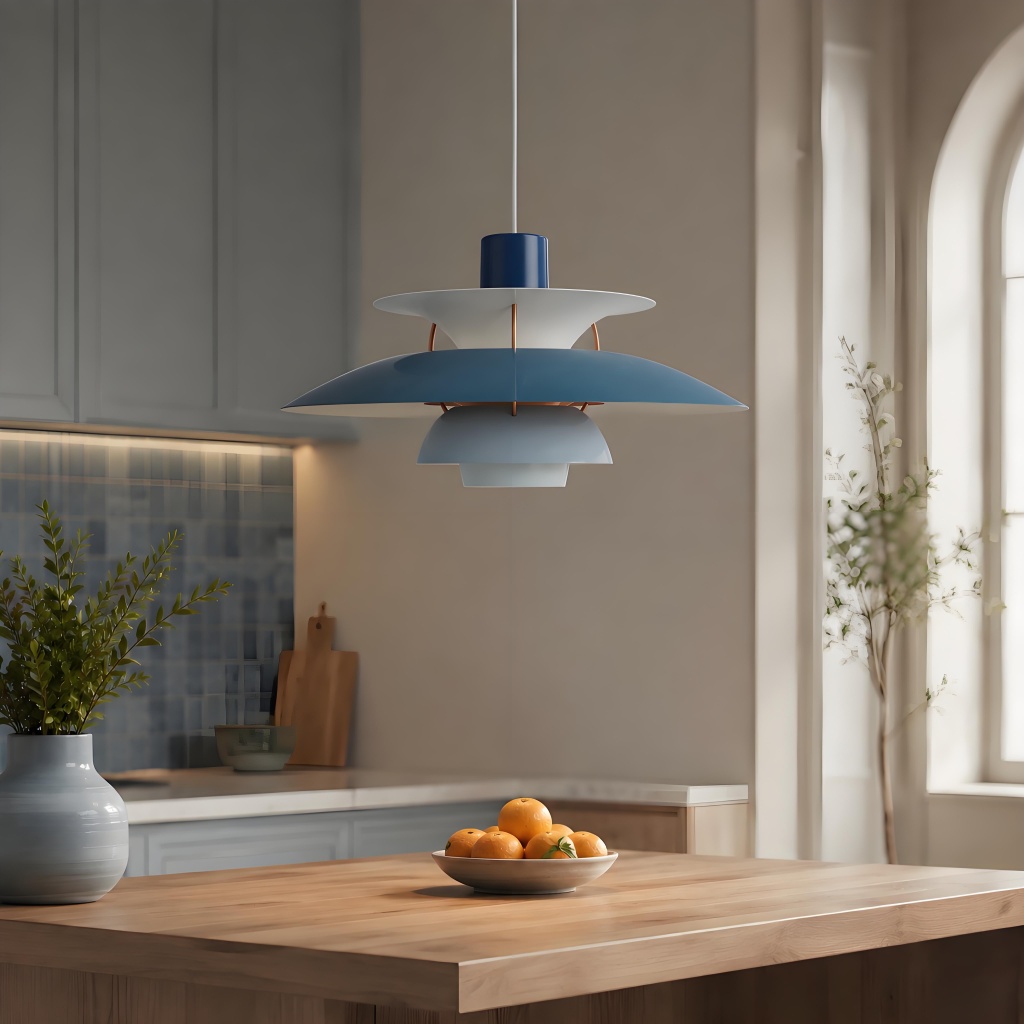
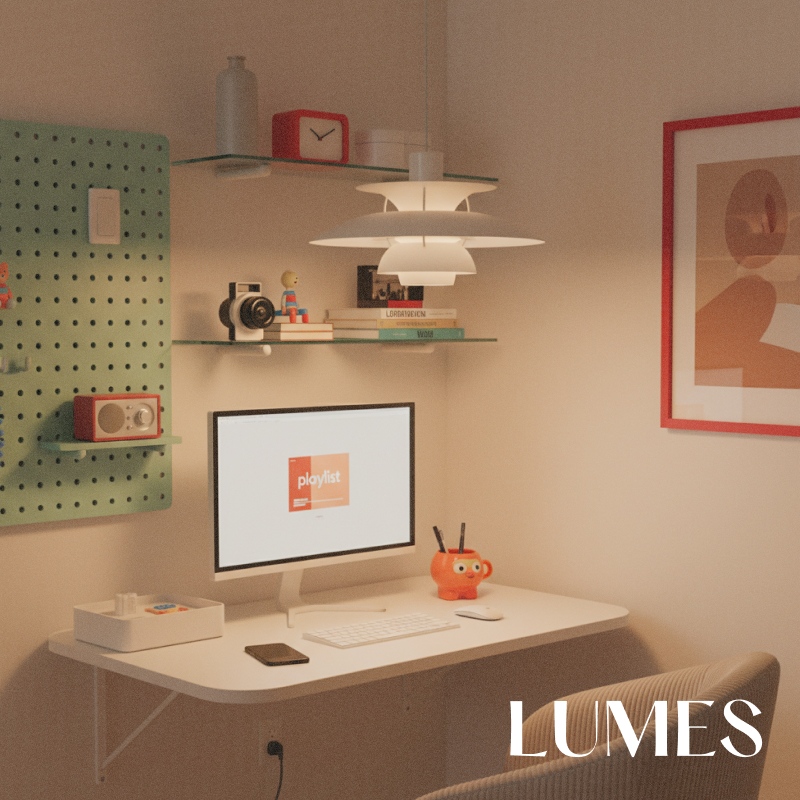
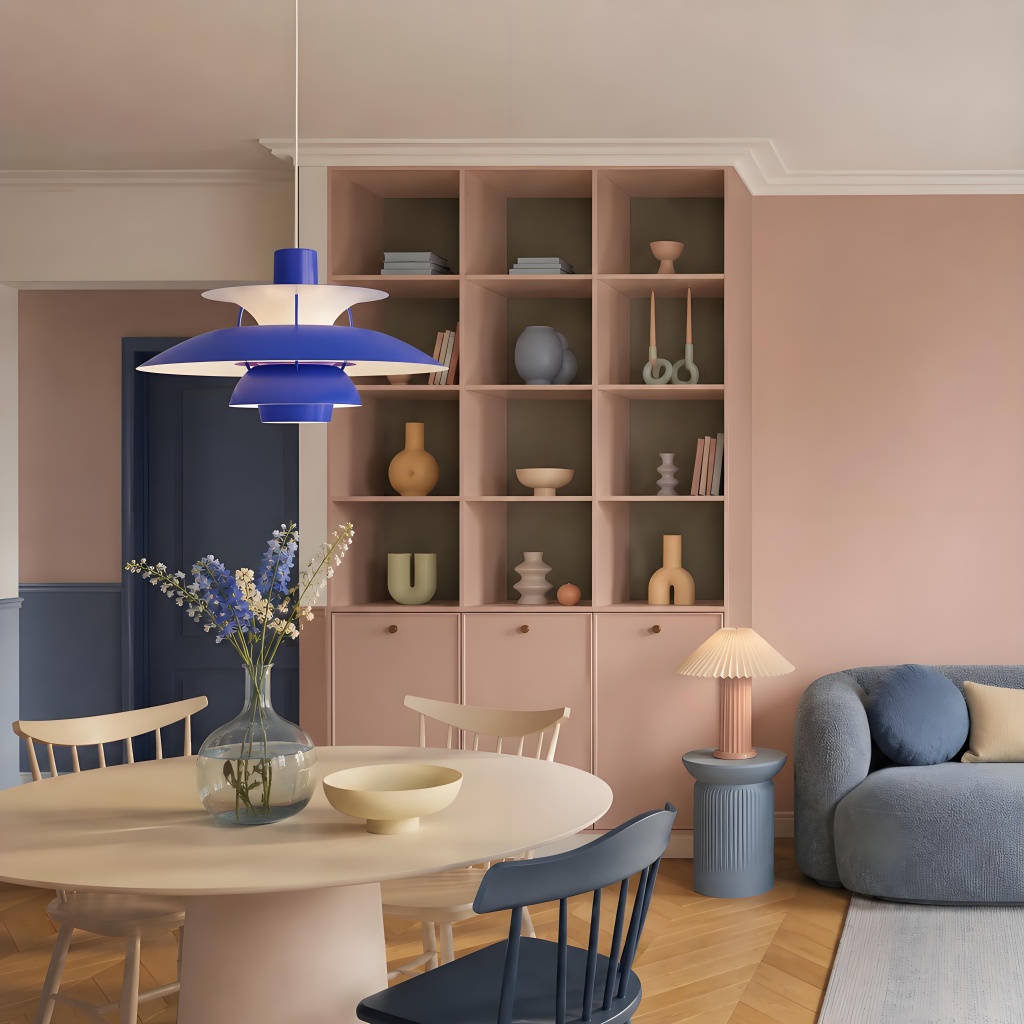
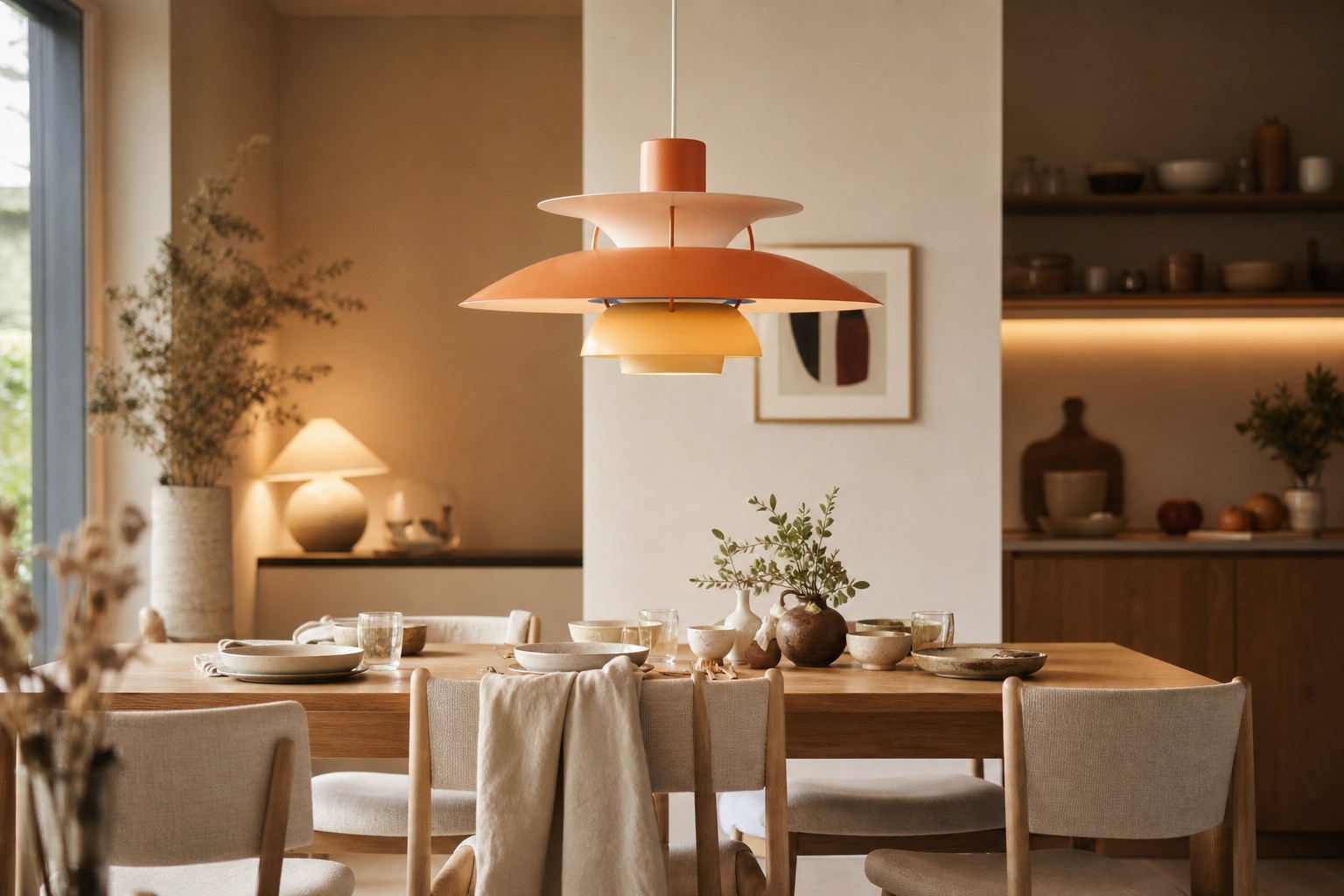
A layered pendant should not be treated as a decorative object floating in the middle of the ceiling. Interior designers first decide what the fixture needs to do: anchor a dining table, soften a kitchen, create rhythm in an open-plan room, or add a sculptural center to a quiet corner.
Once the job is clear, styling becomes easier. The right height, table relationship, wall texture, and supporting lamps all follow from the role the pendant plays in the room.
The Designer Formula
Use this sequence: define the zone, size the pendant to the table, choose a finish that repeats one room detail, leave space around the shade, then add softer light in the background. This keeps the layered metal pendant intentional instead of simply decorative.
If comfort is the main problem, begin with Why Glare-Free Lighting Matters More Than Ever. Styling looks better when the light itself already feels calm.
1. Size It to the Table, Not the Ceiling
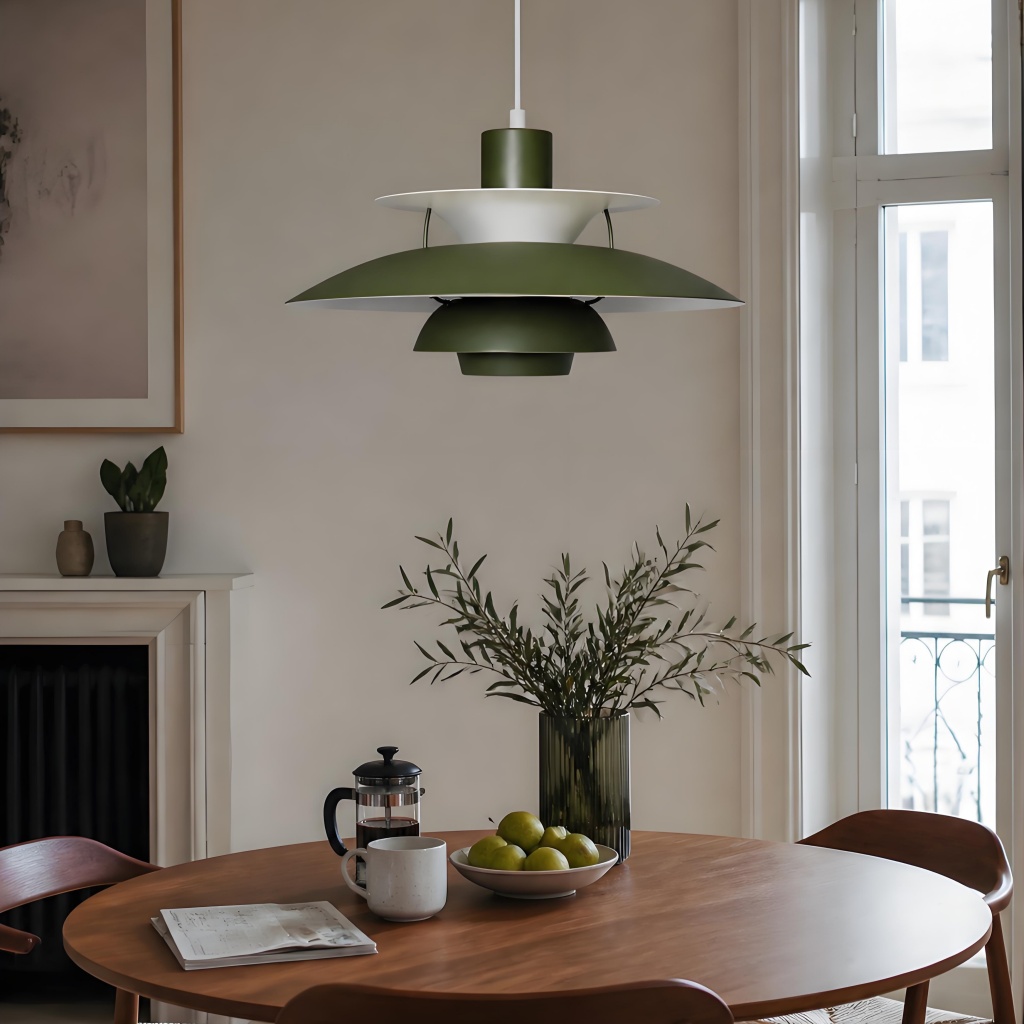
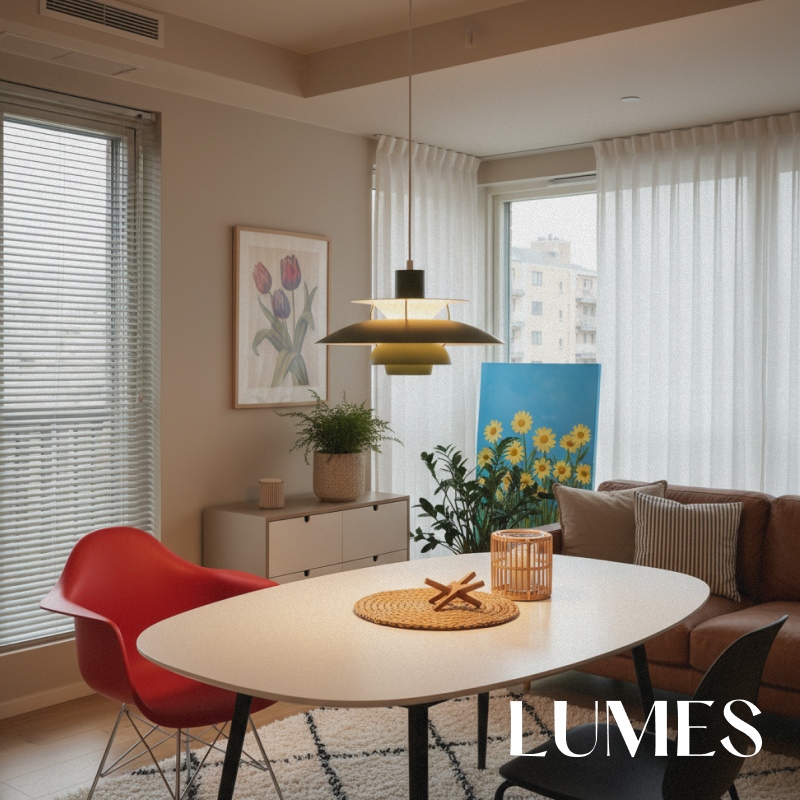
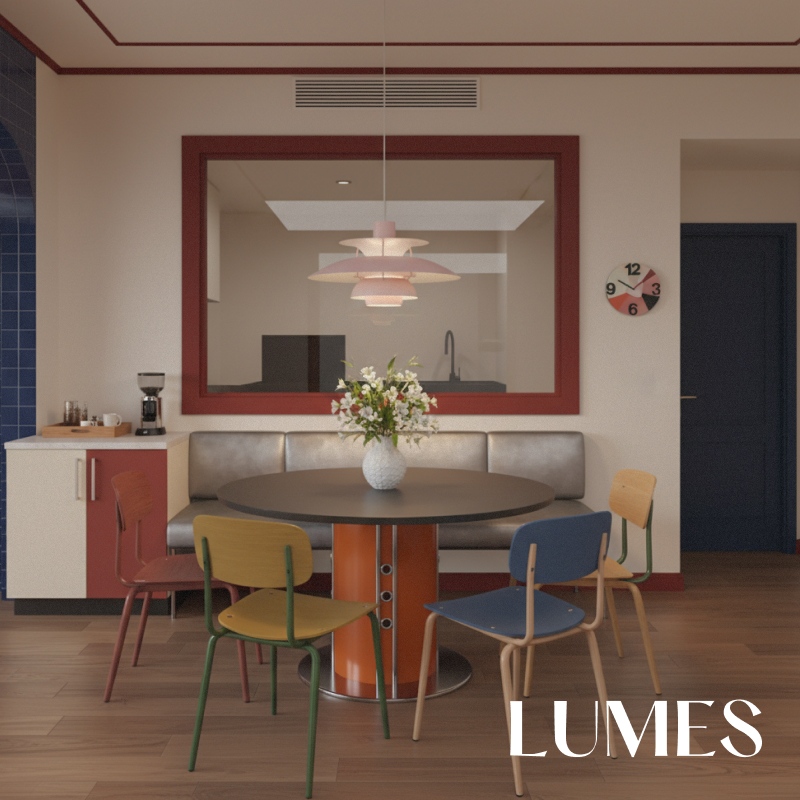
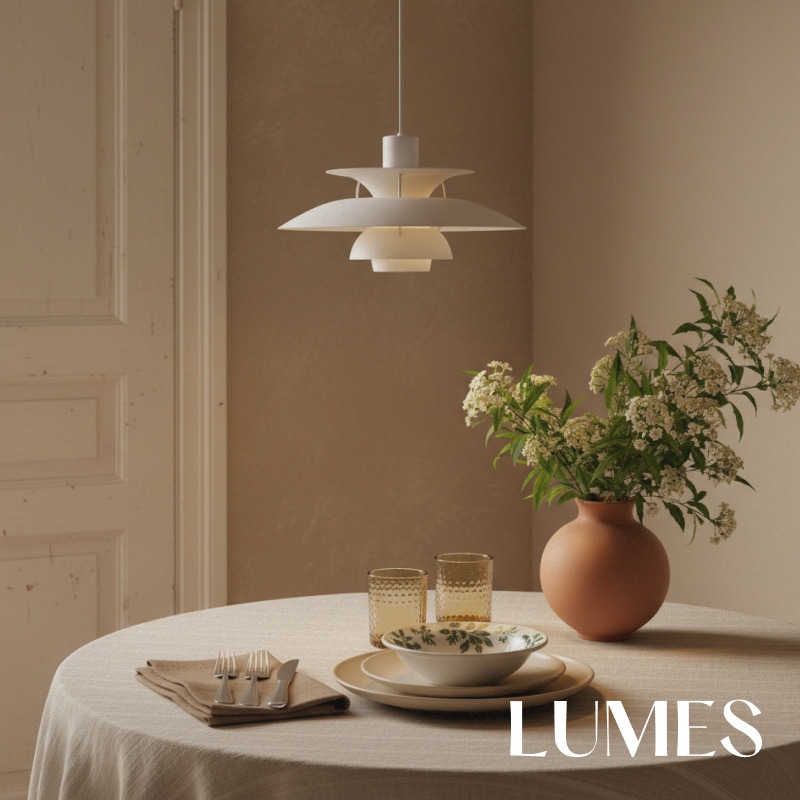
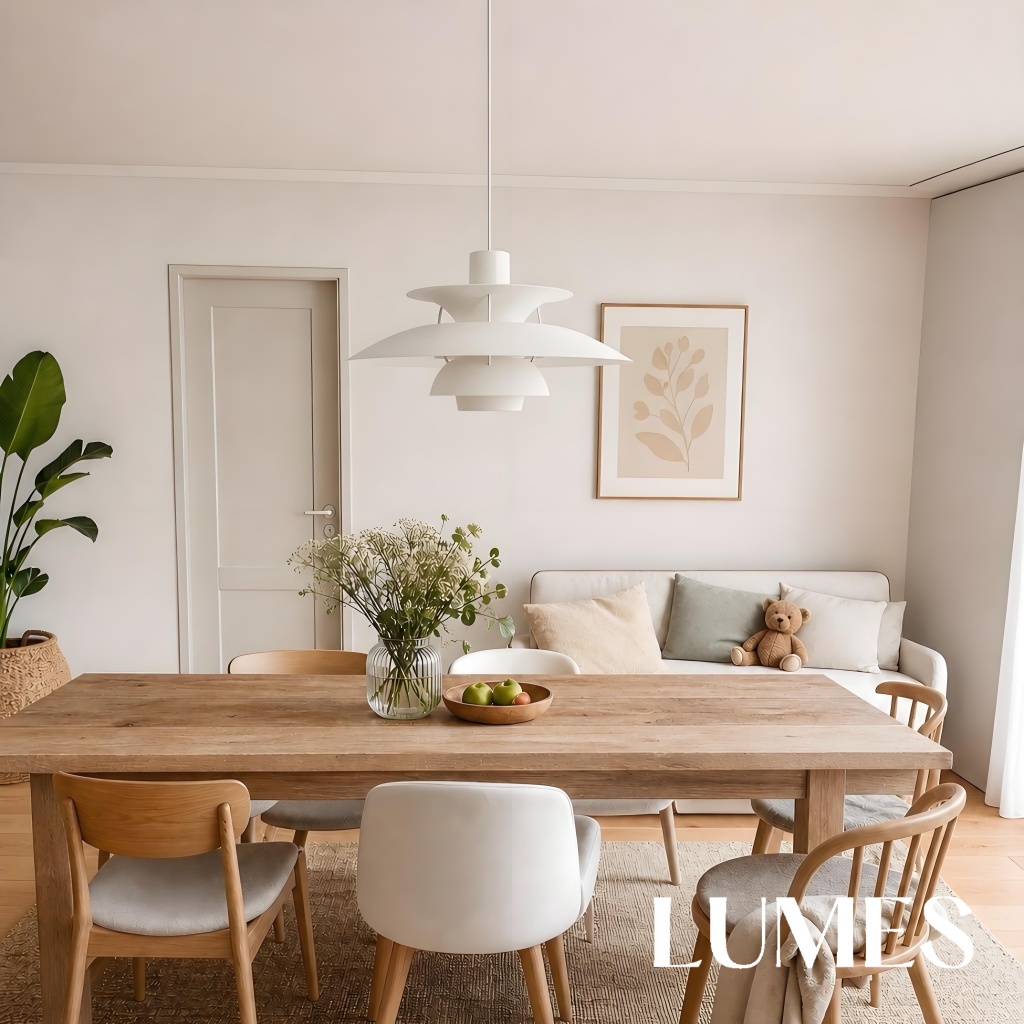
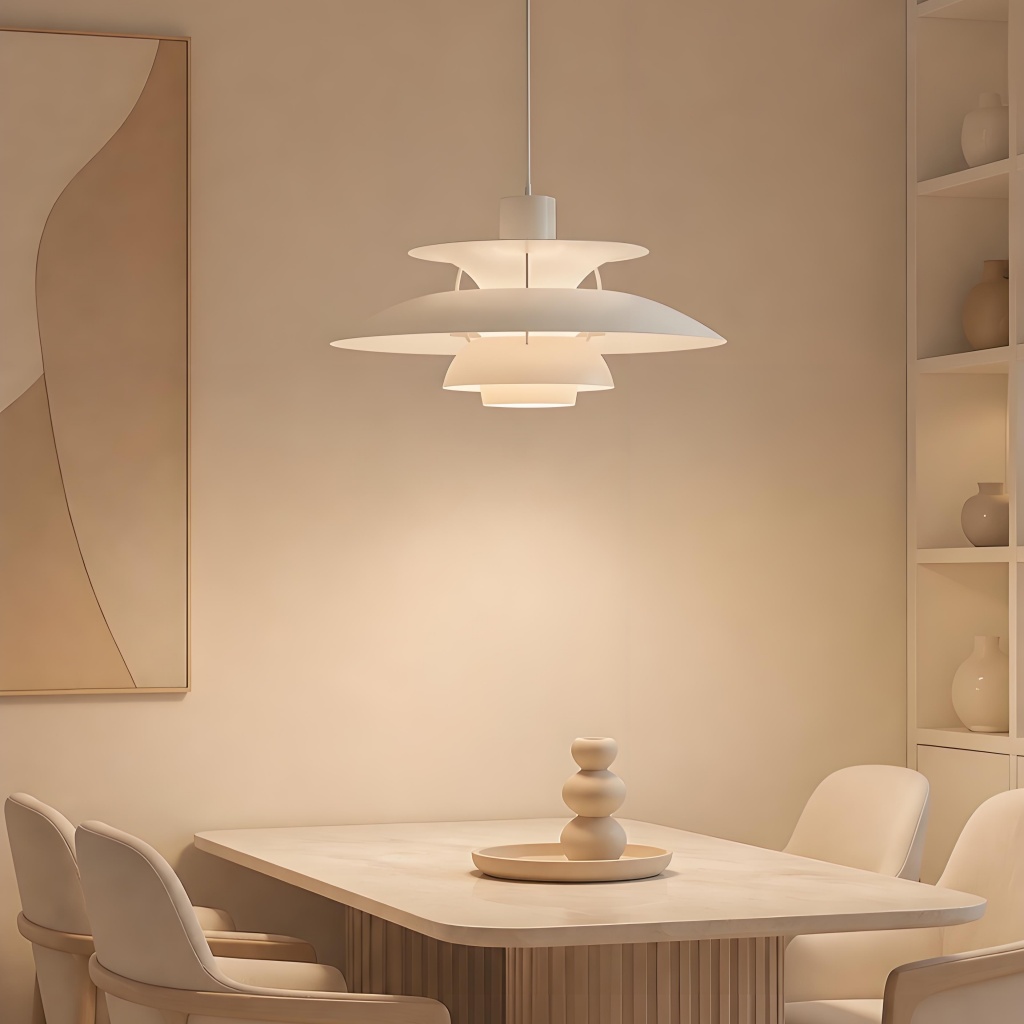
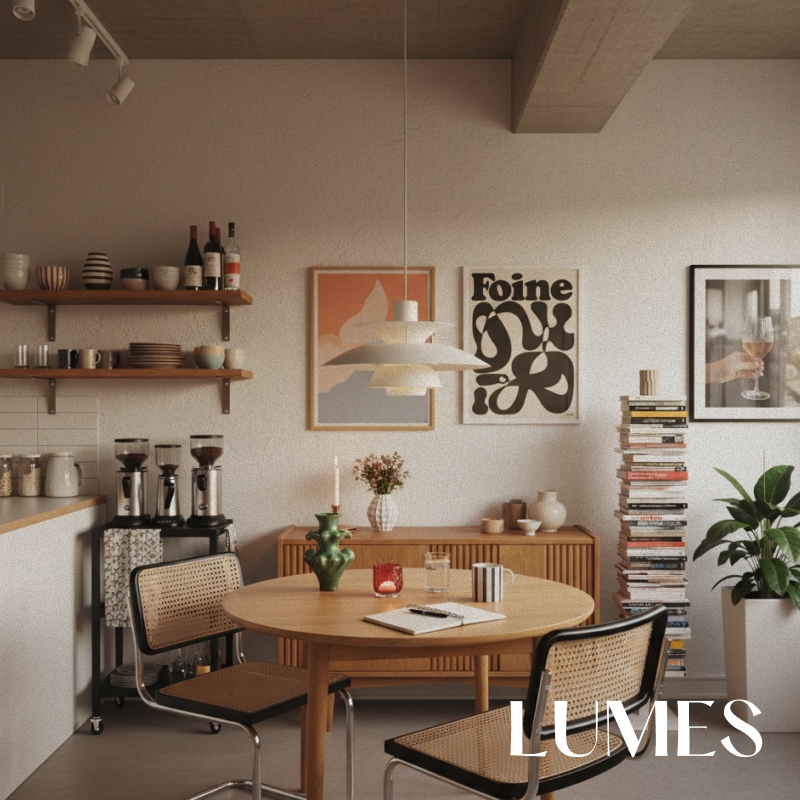
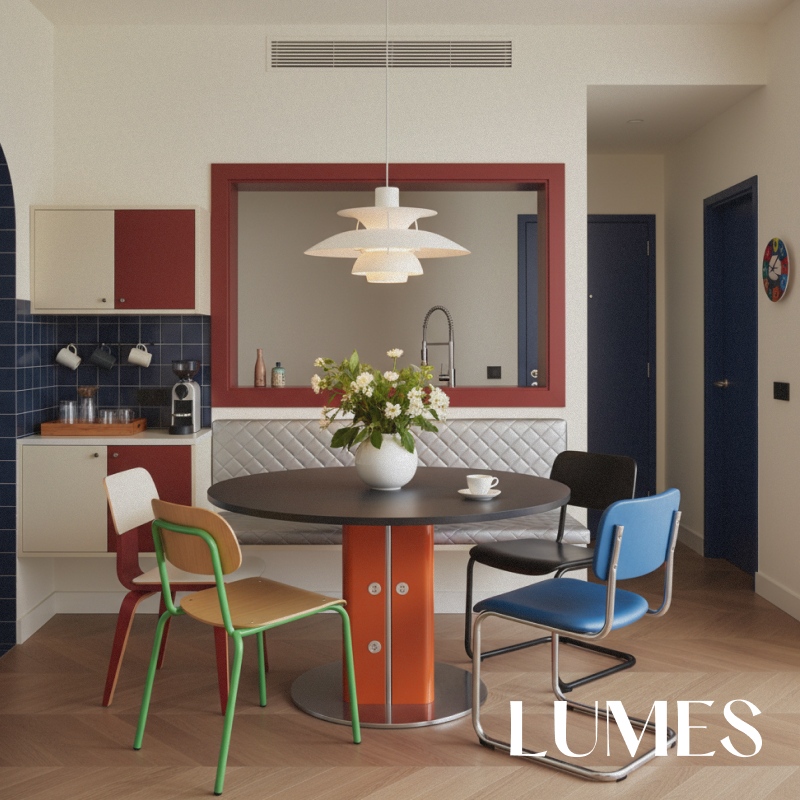
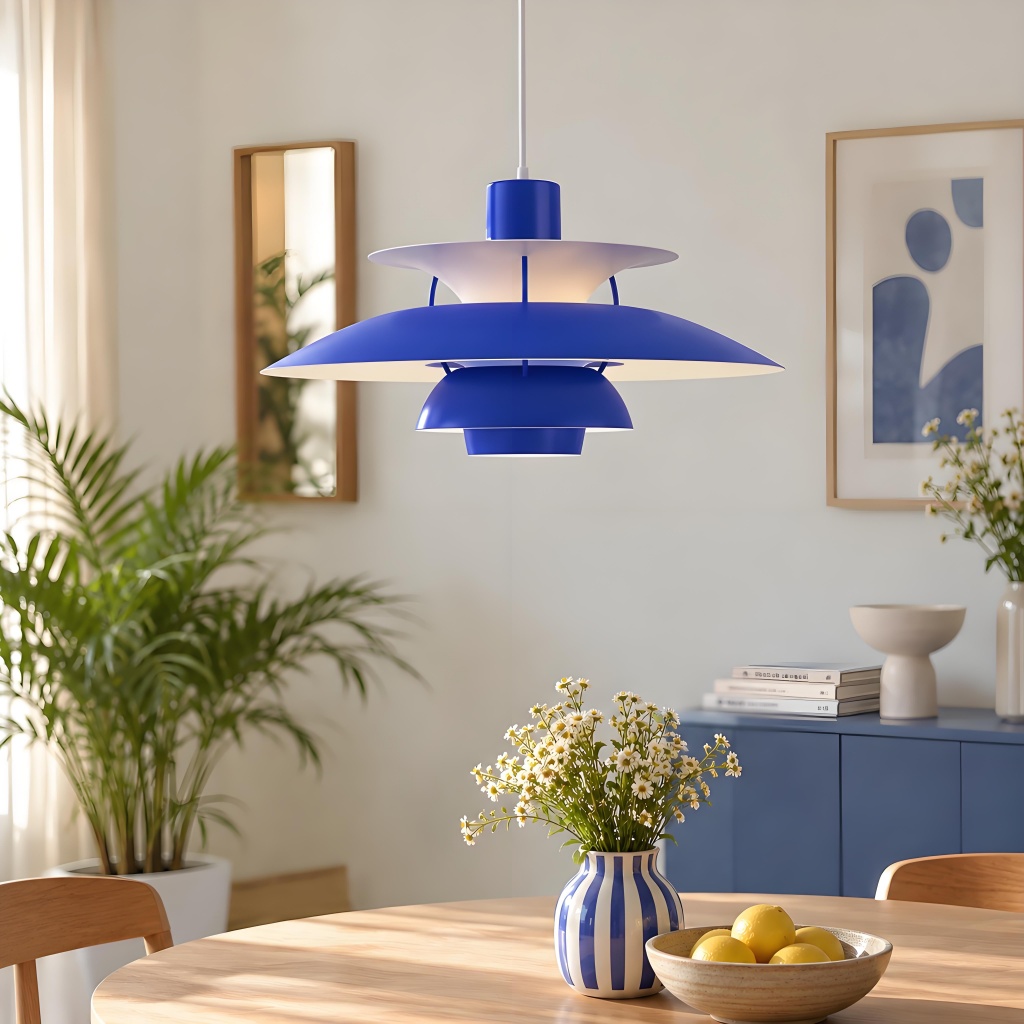
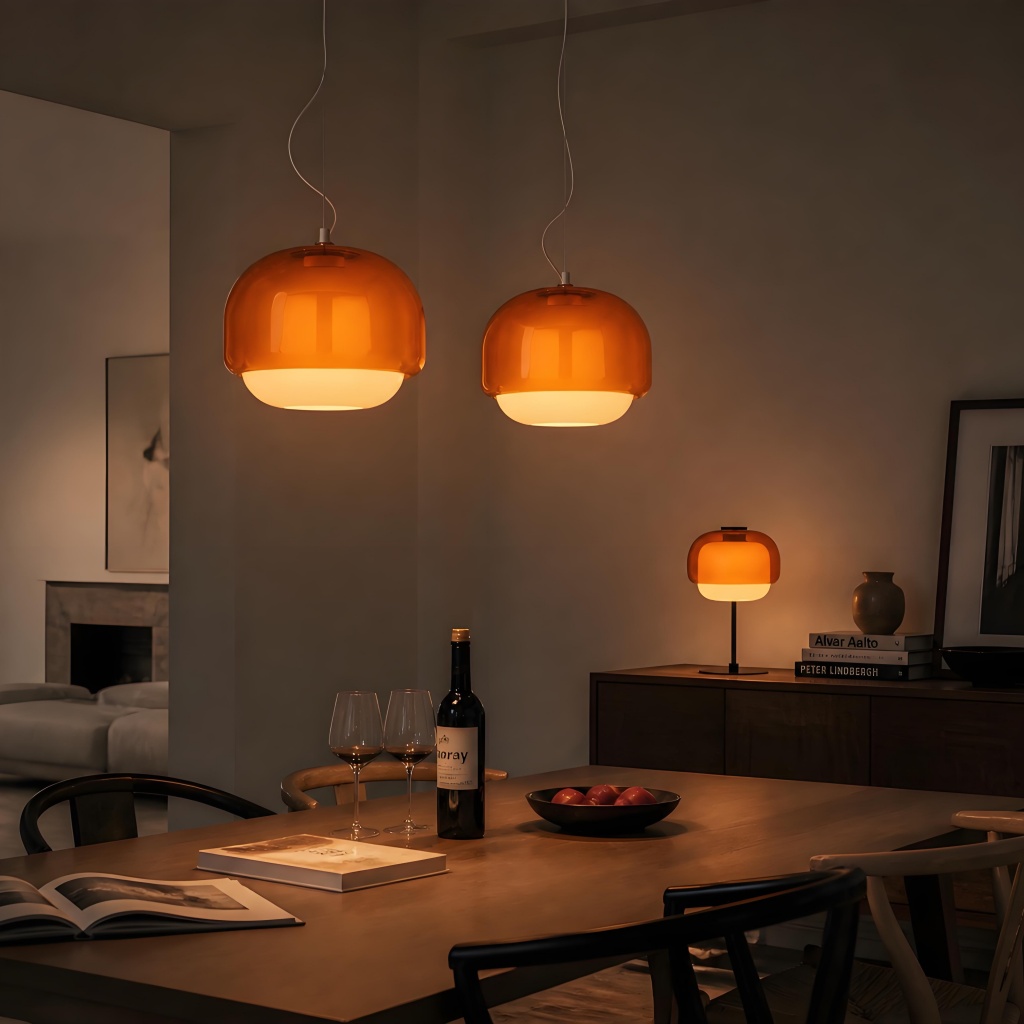
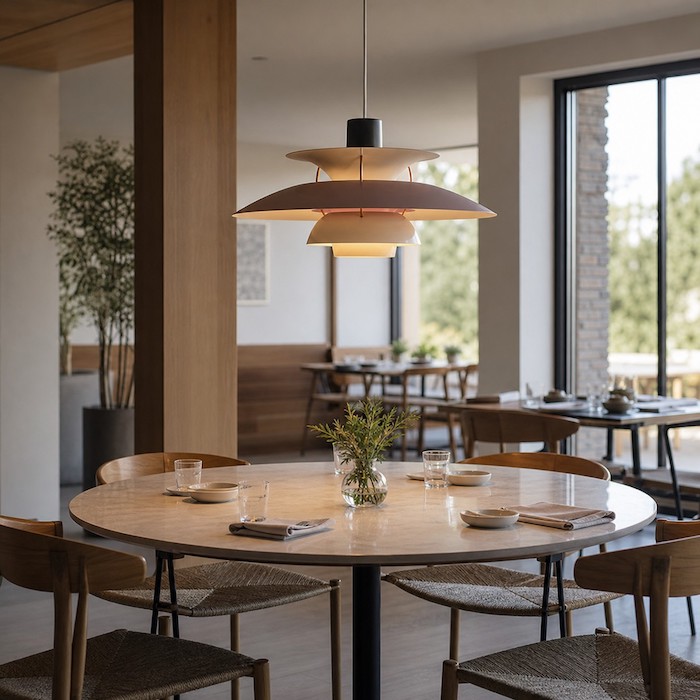
A pendant usually looks most polished when it responds to the furniture below. Round and oval tables suit a single central fixture. Medium rectangular tables can also work with one pendant if the shade has enough presence. Long dining tables may need a pair, a wider fixture, or supporting lamps near the ends.
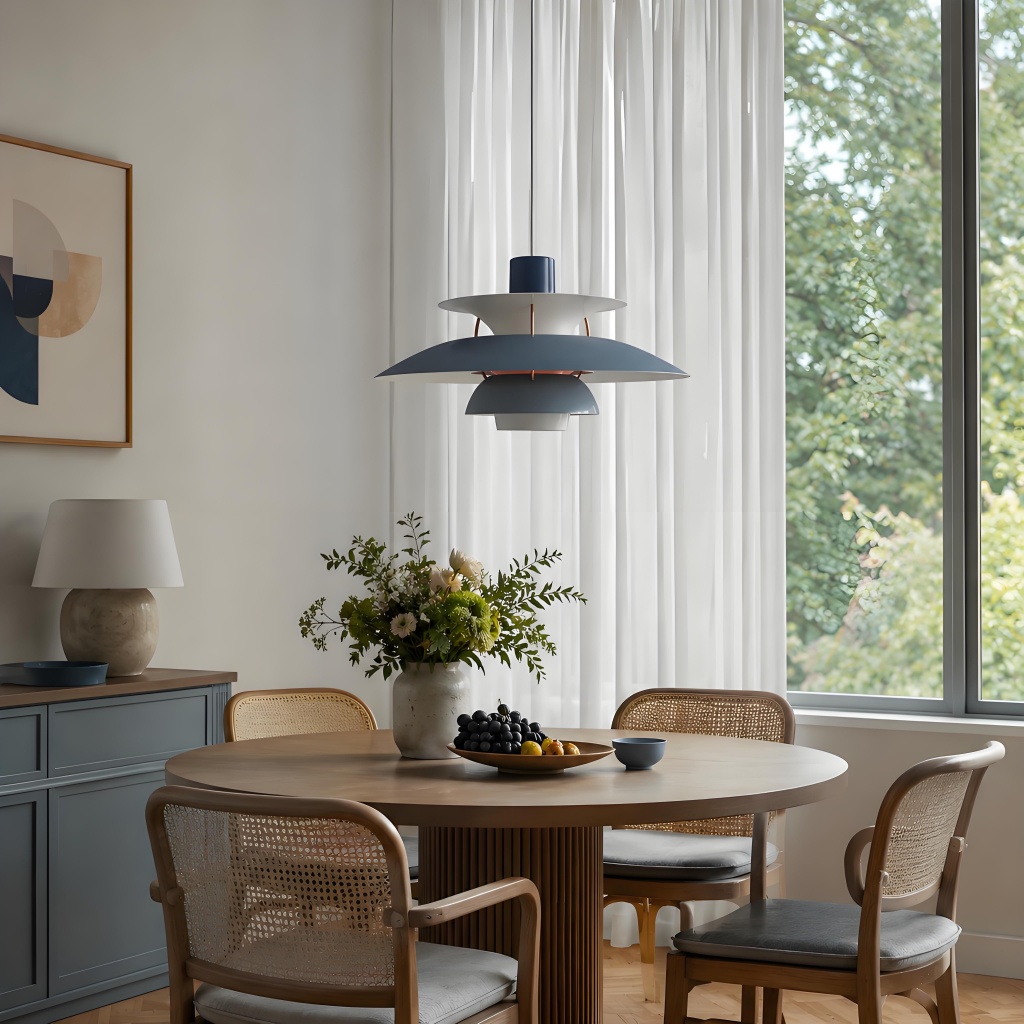
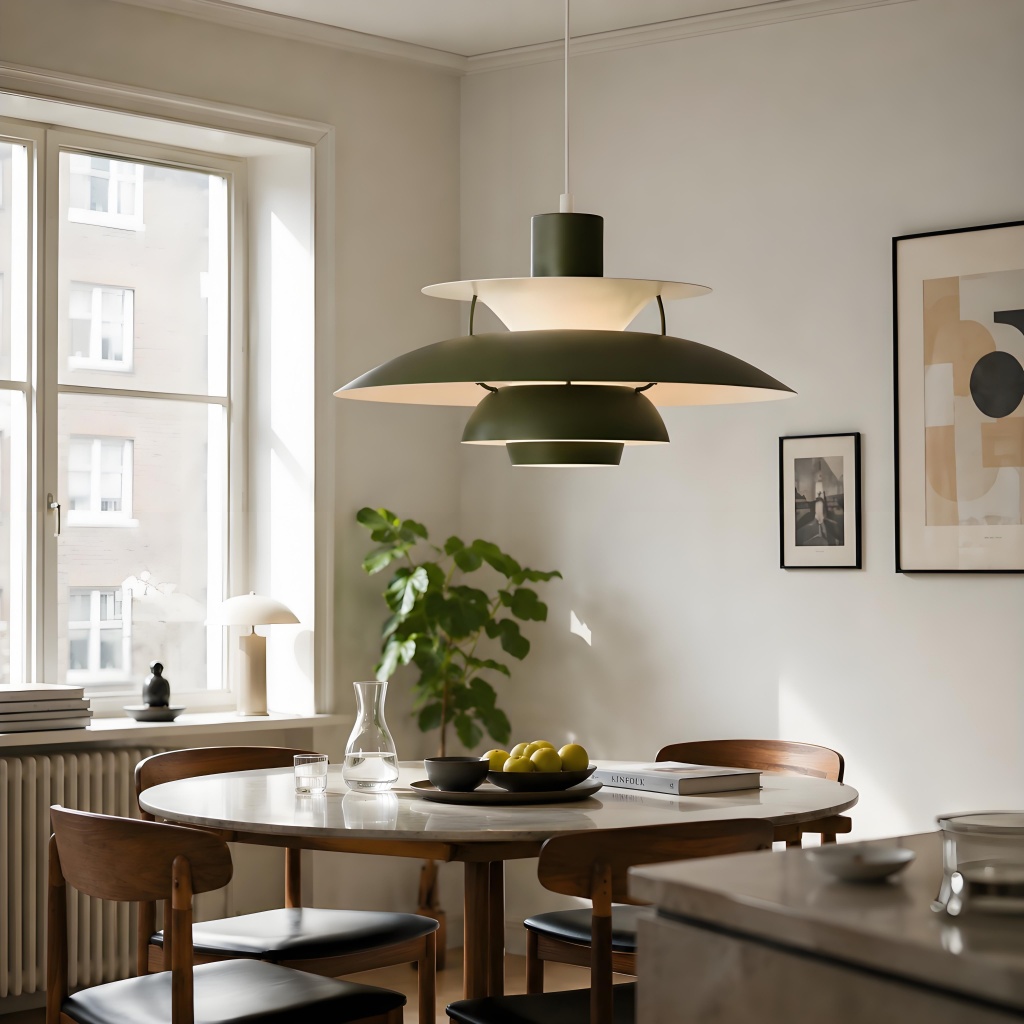
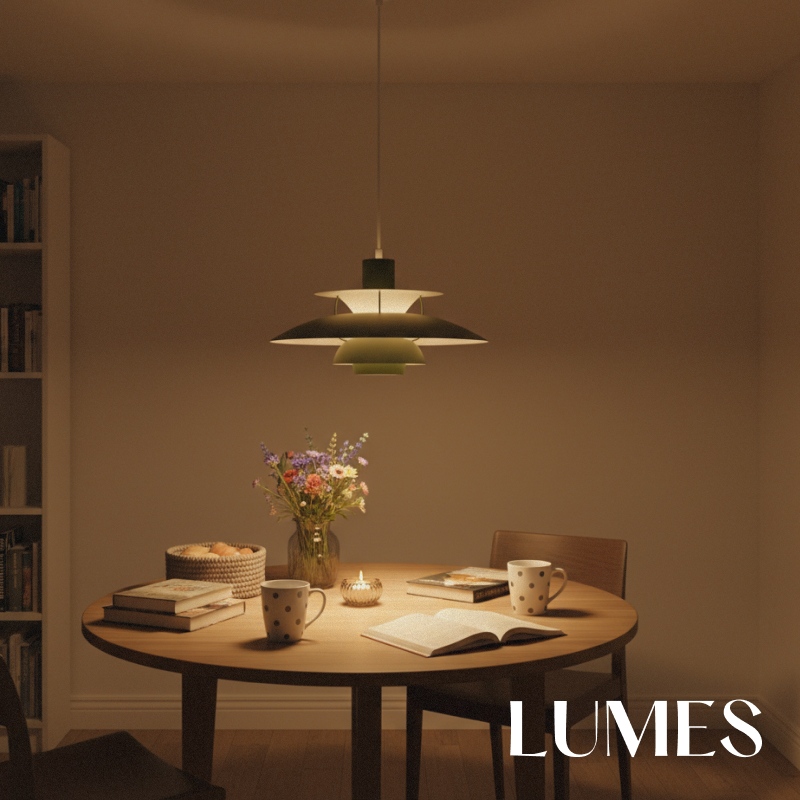
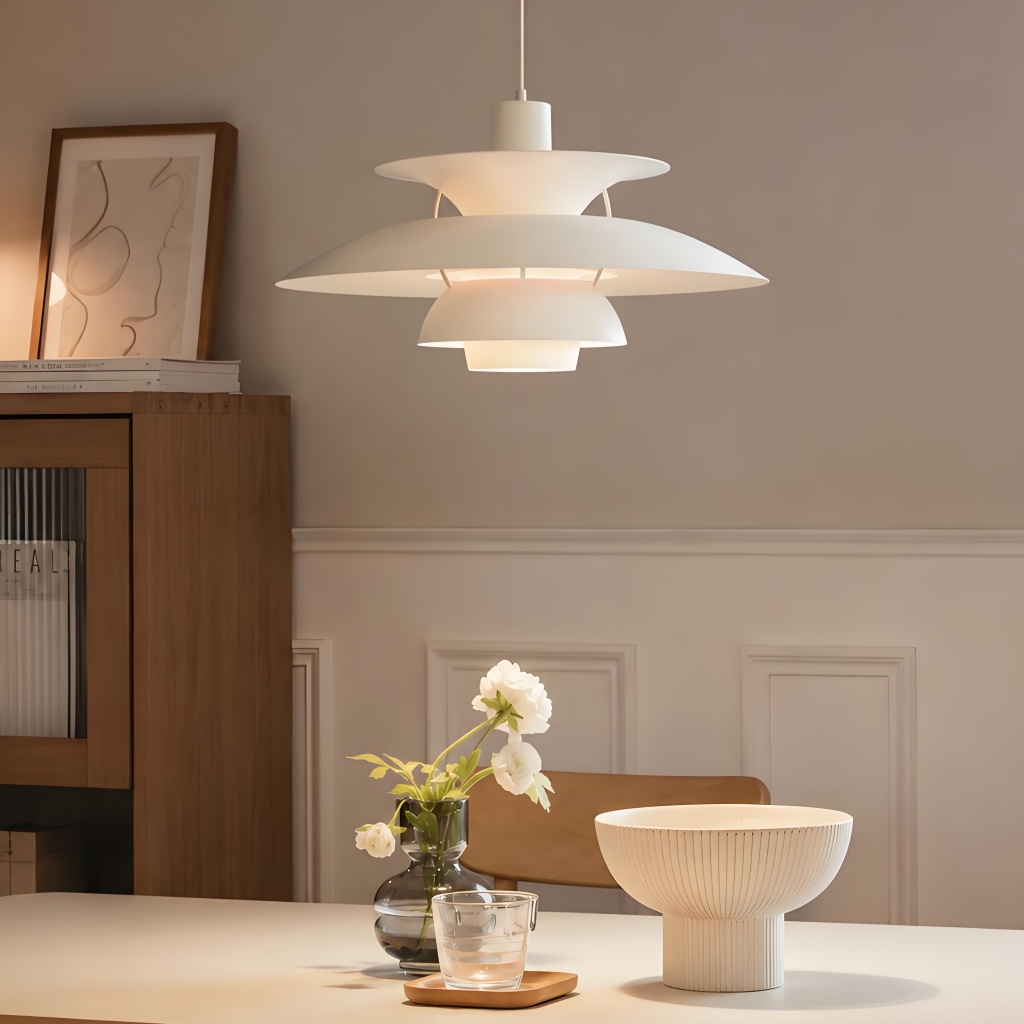
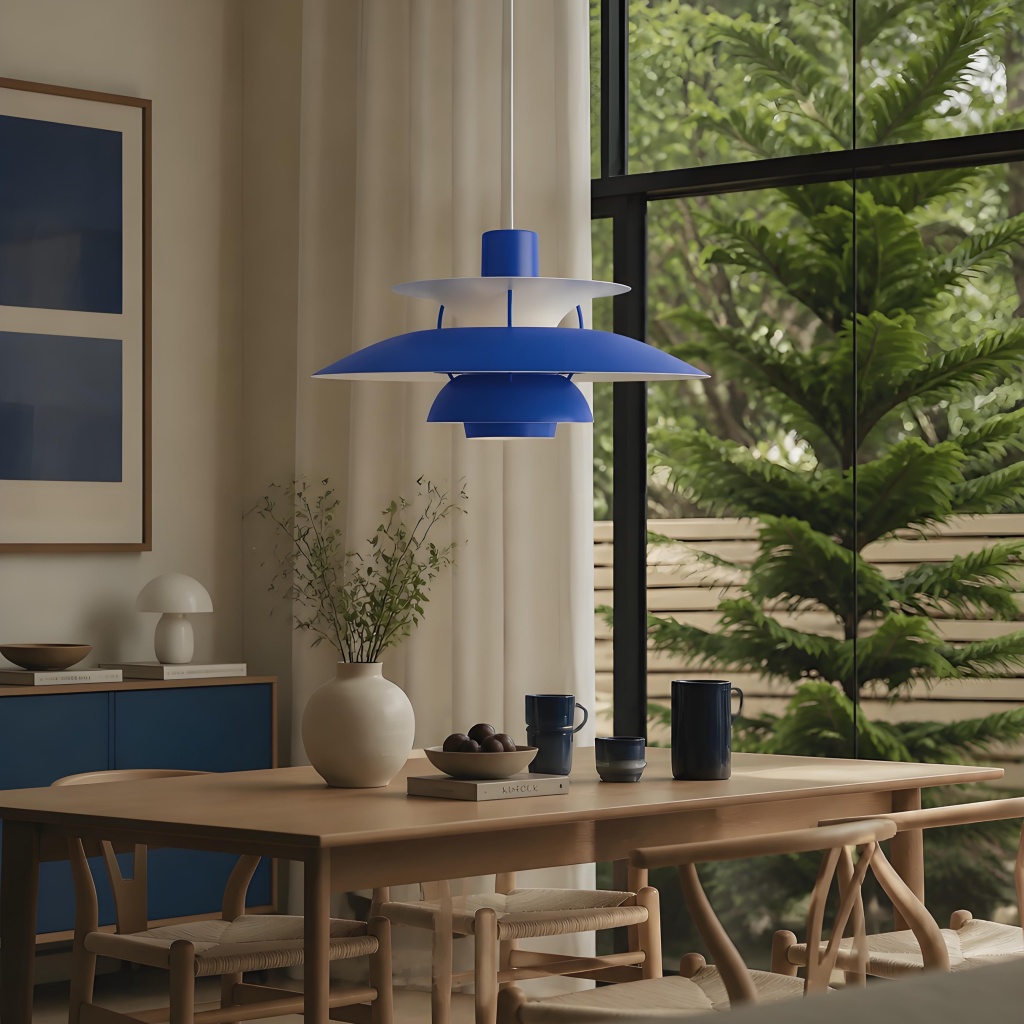
As a starting point, keep the pendant narrower than the table width so there is breathing room on both sides. Hang the bottom of the shade about 75 to 90 cm above the tabletop, then adjust for sightlines and ceiling height.
2. Use the Finish as a Bridge
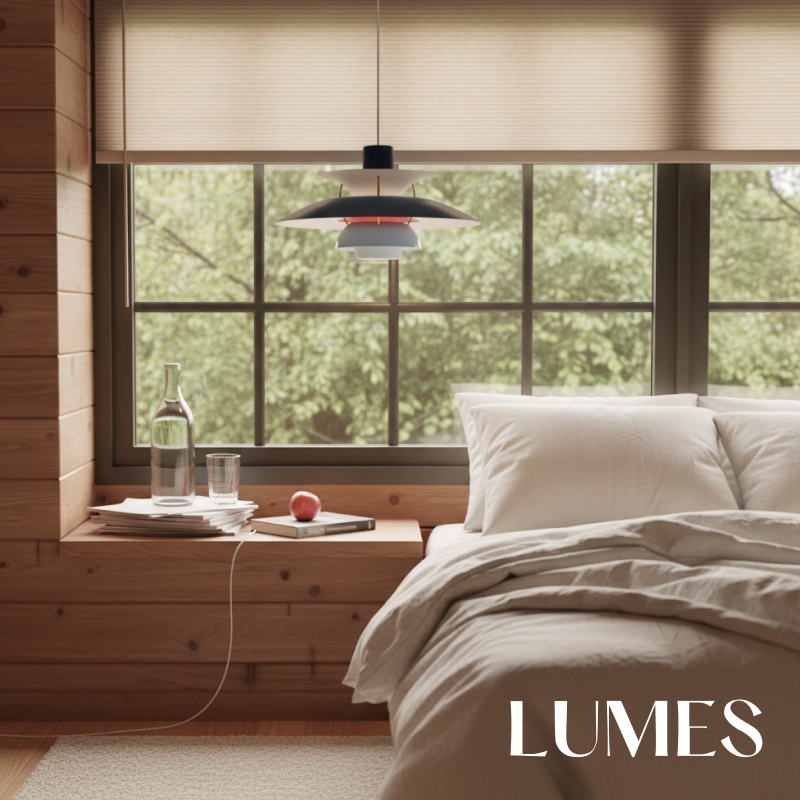
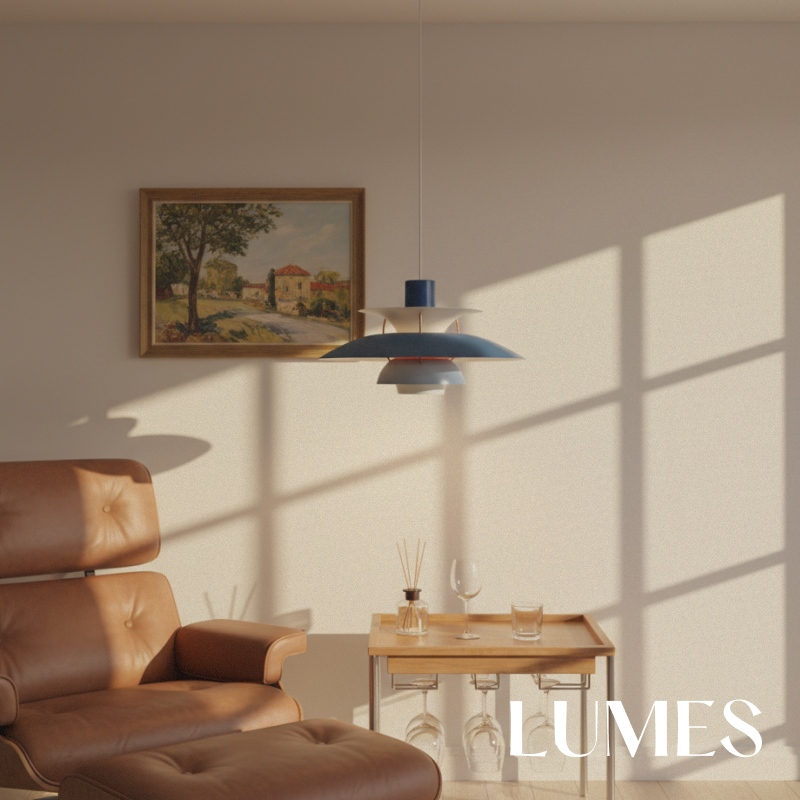
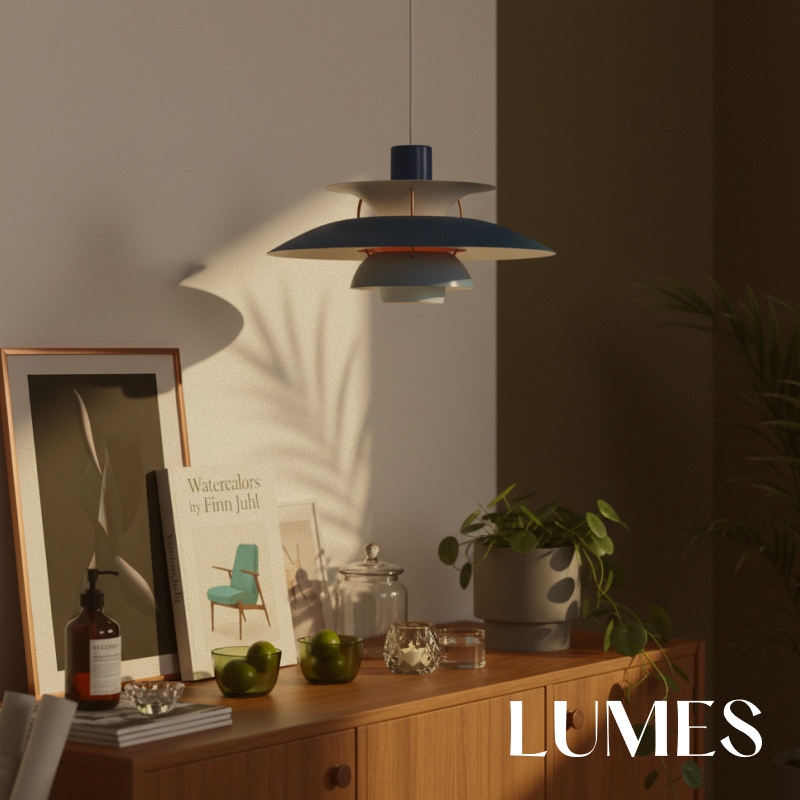
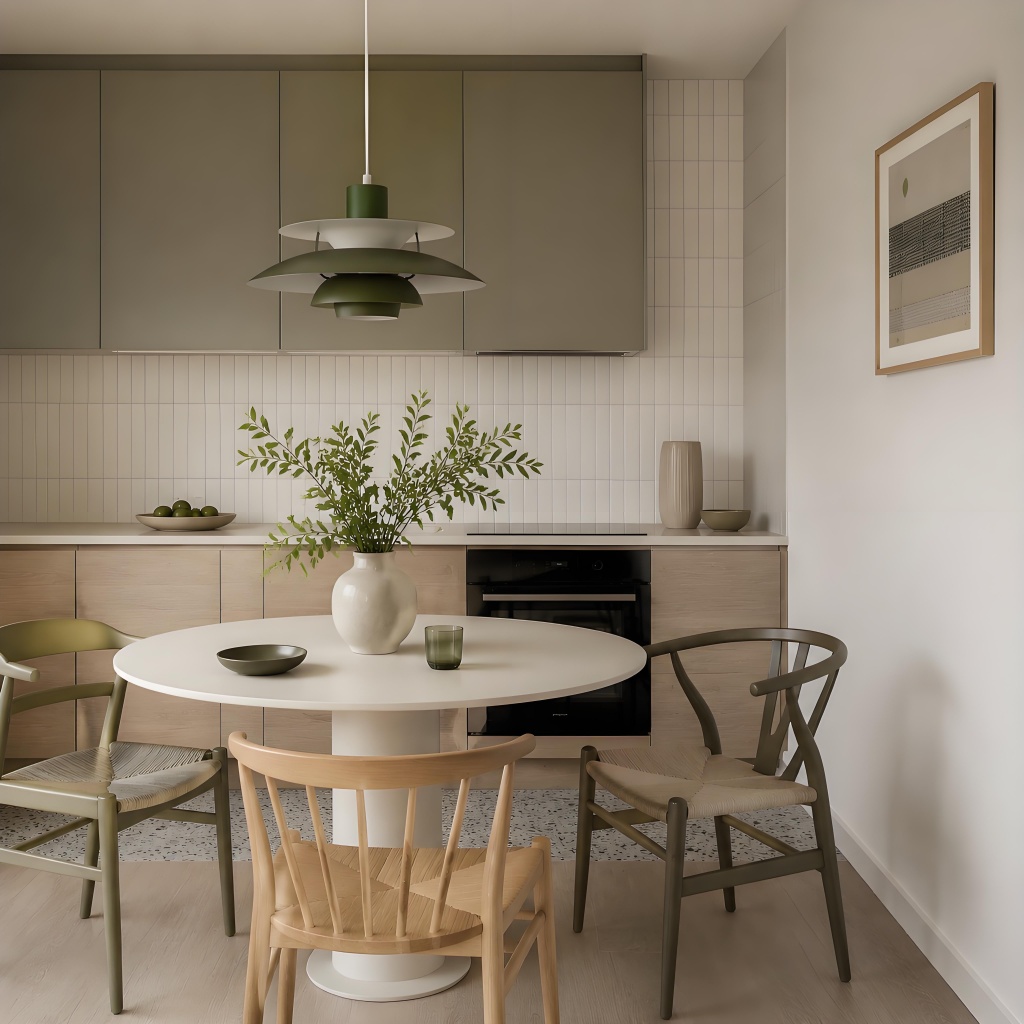
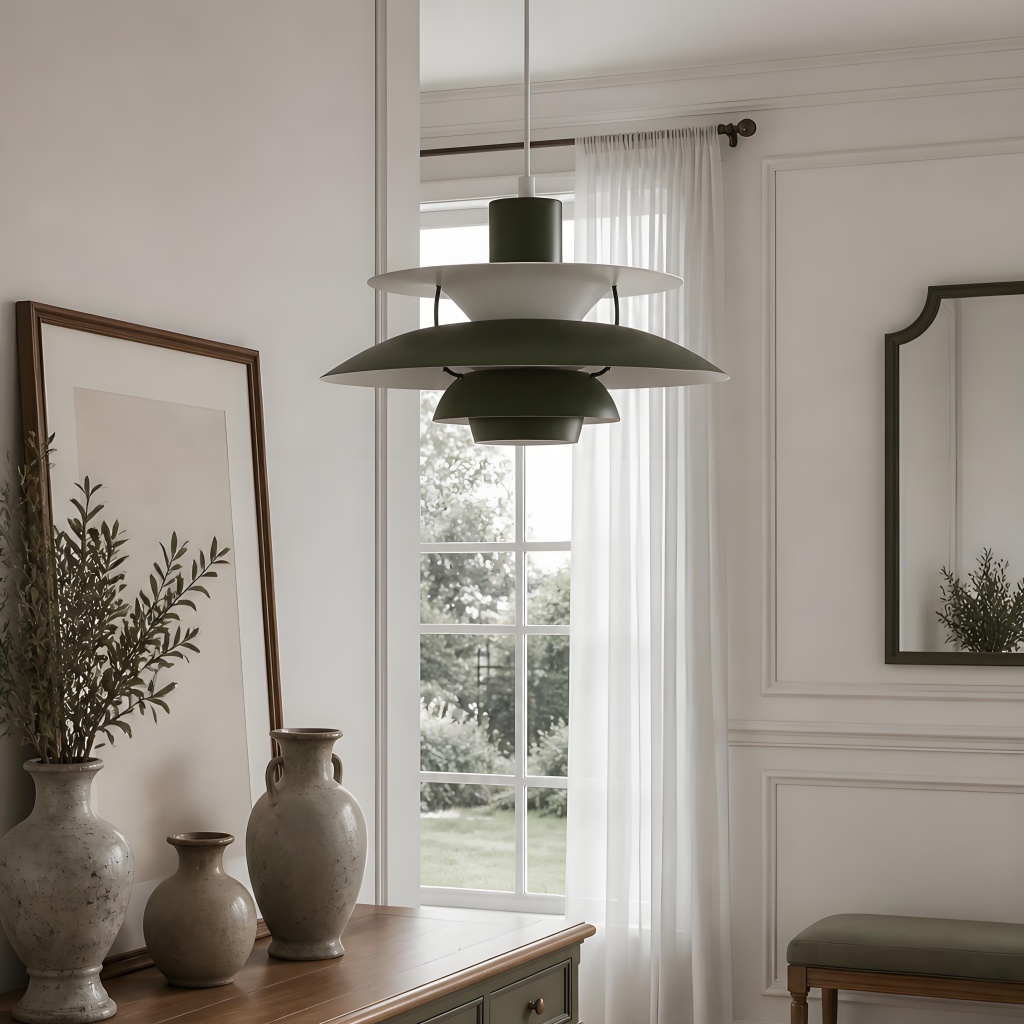
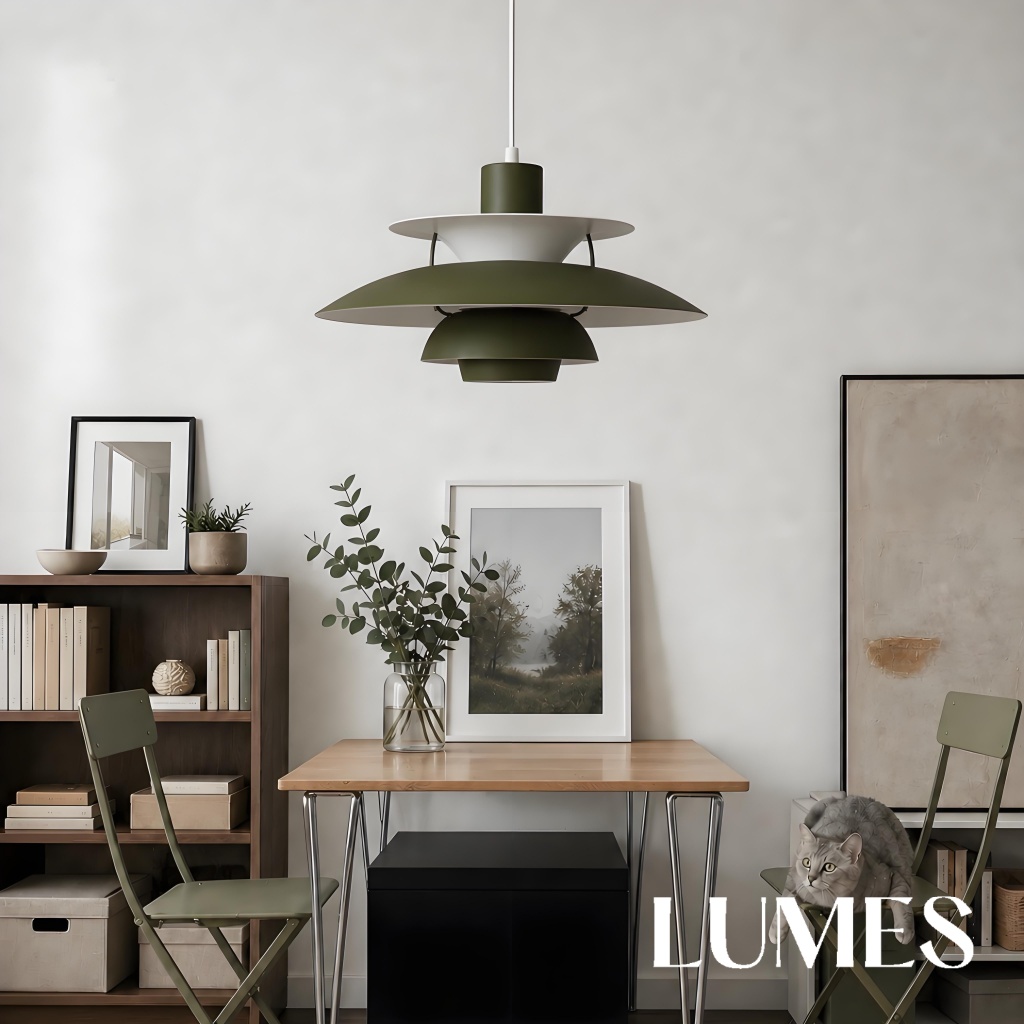
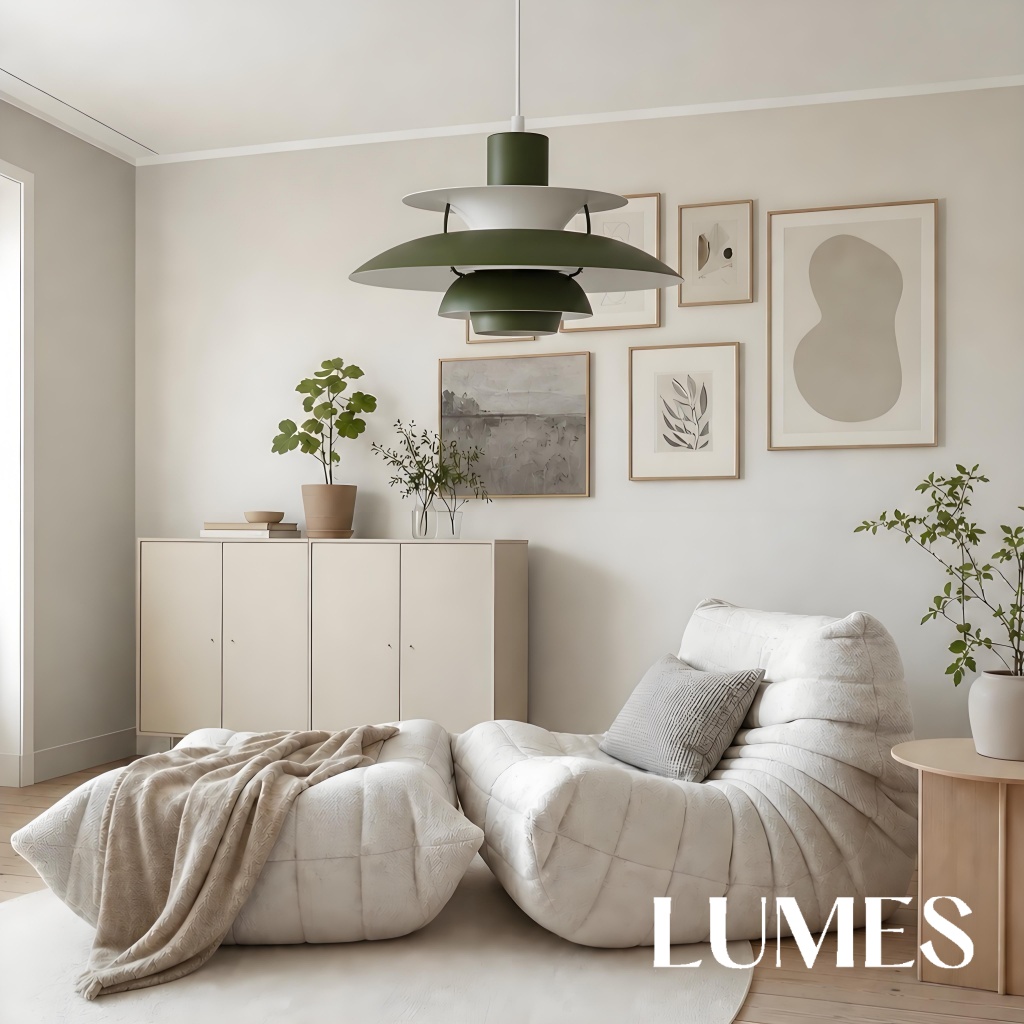
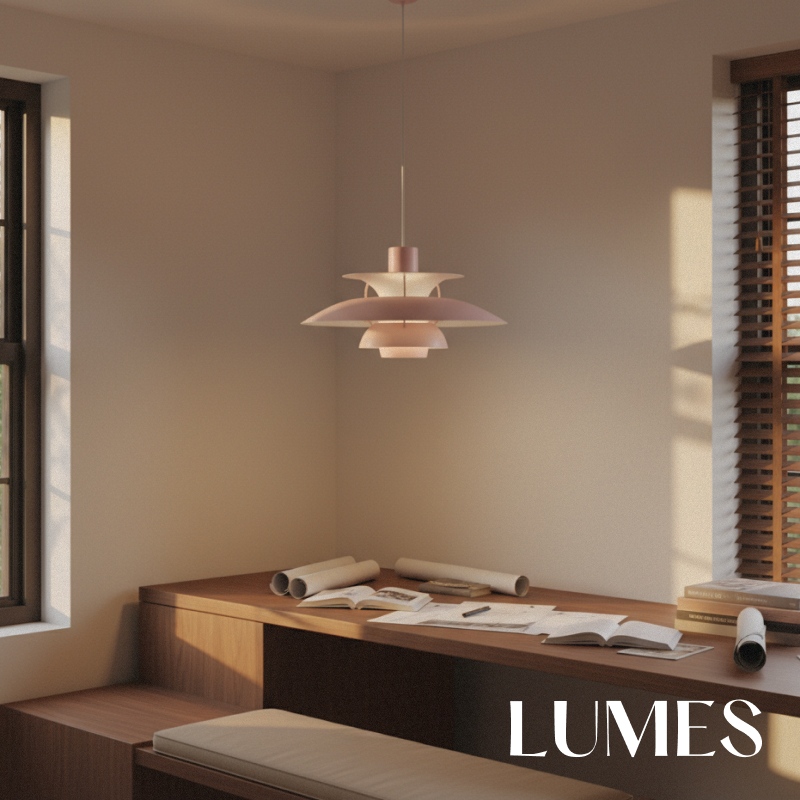
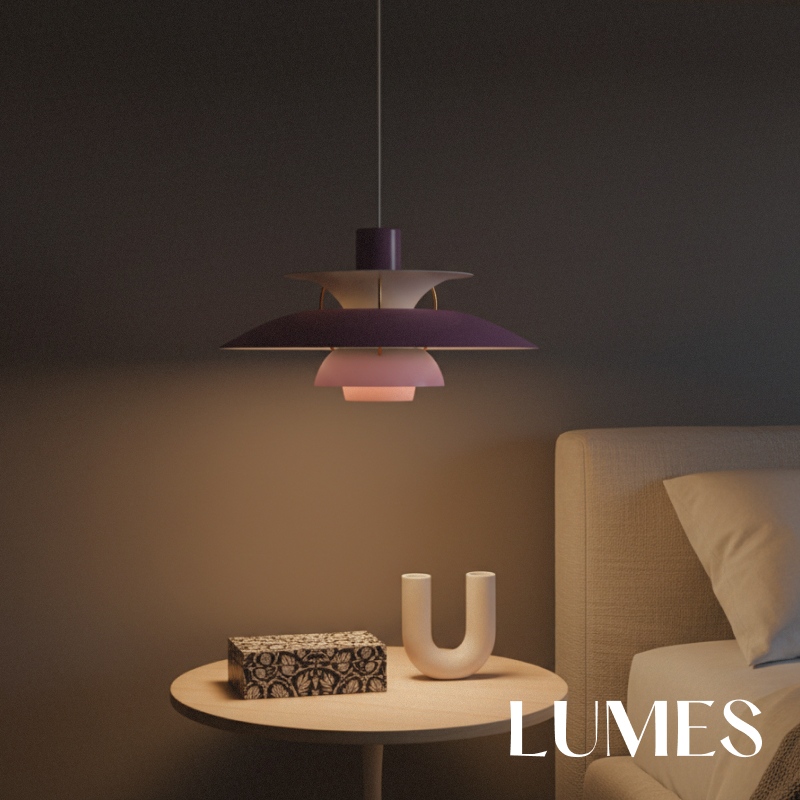
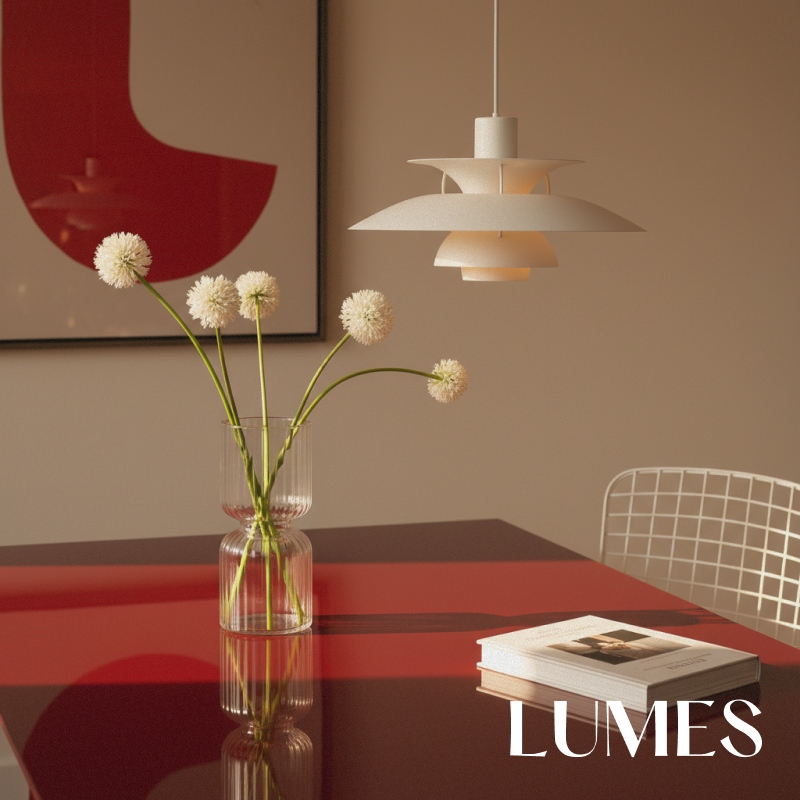
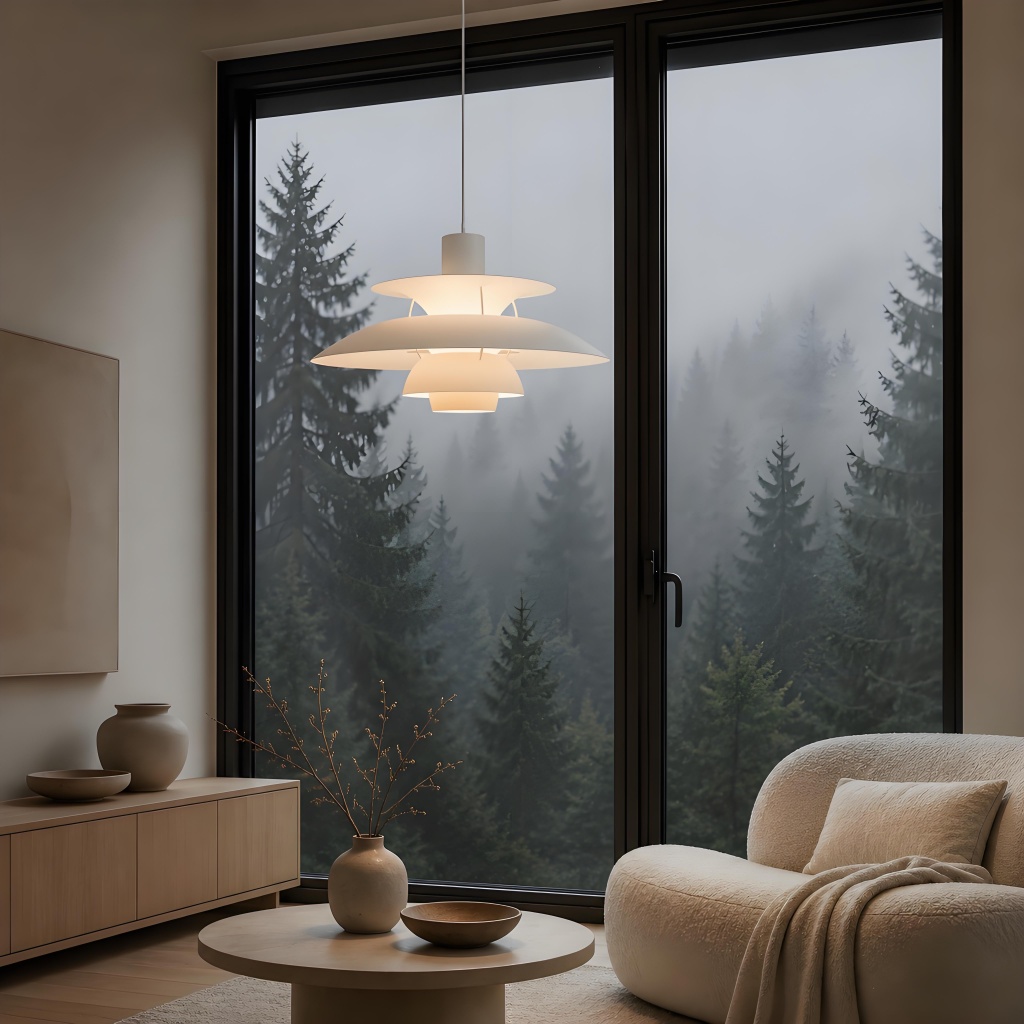
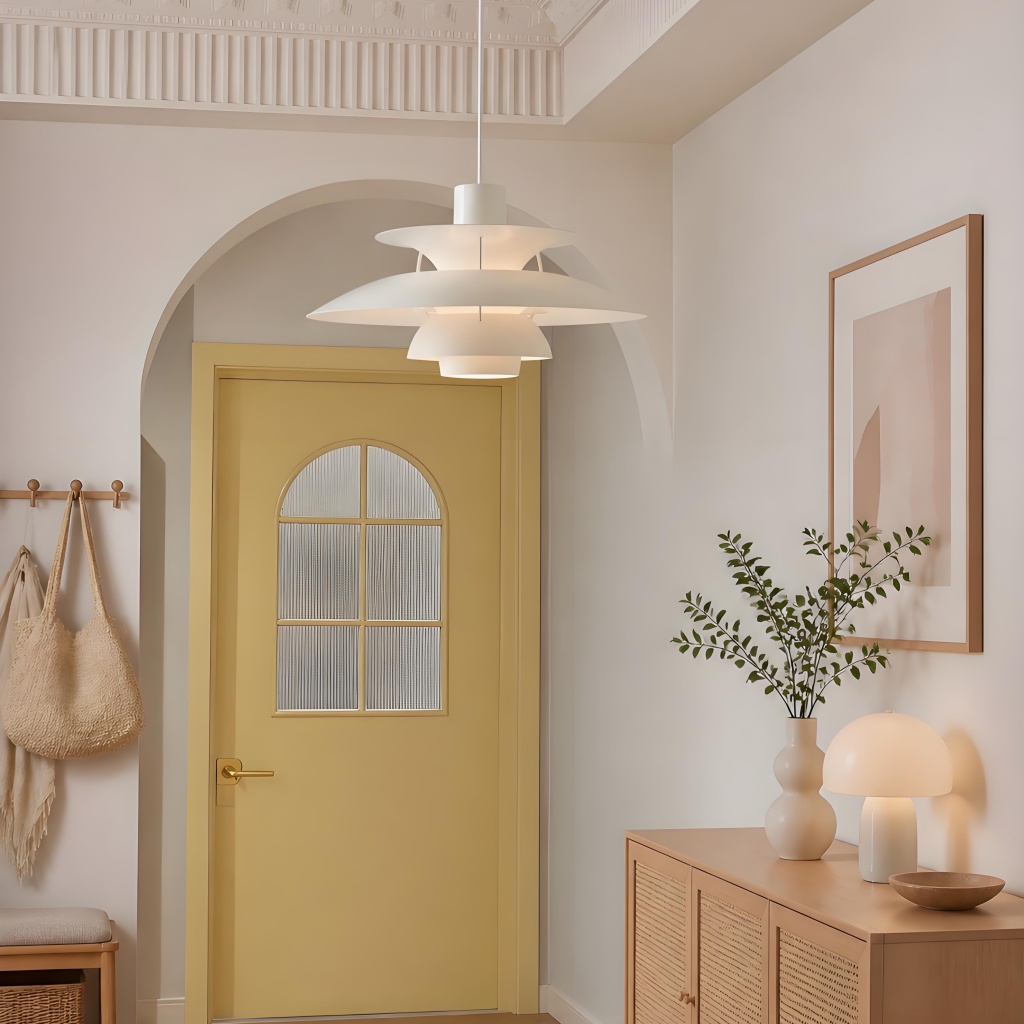
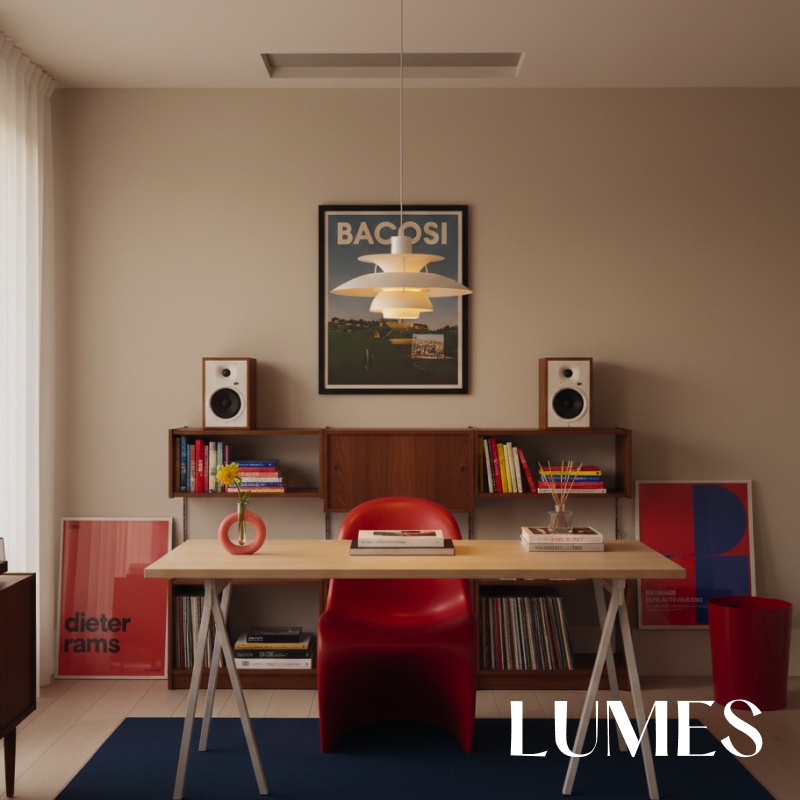
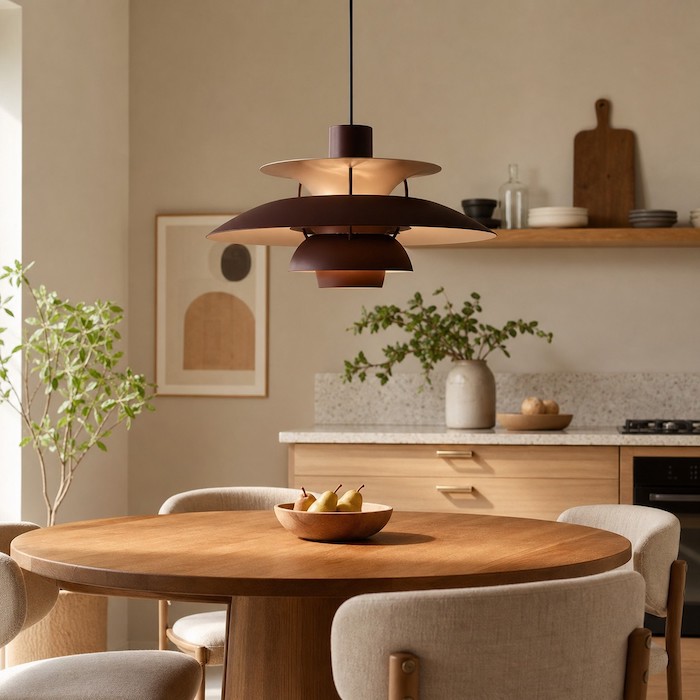
A layered metal pendant looks more expensive when its finish connects with something already in the room. A dark matte shade can echo chair legs, window frames, cabinet pulls, or a picture frame. A warm metal tone can soften oak, cream walls, and woven textures. A light neutral finish can keep a small apartment airy.
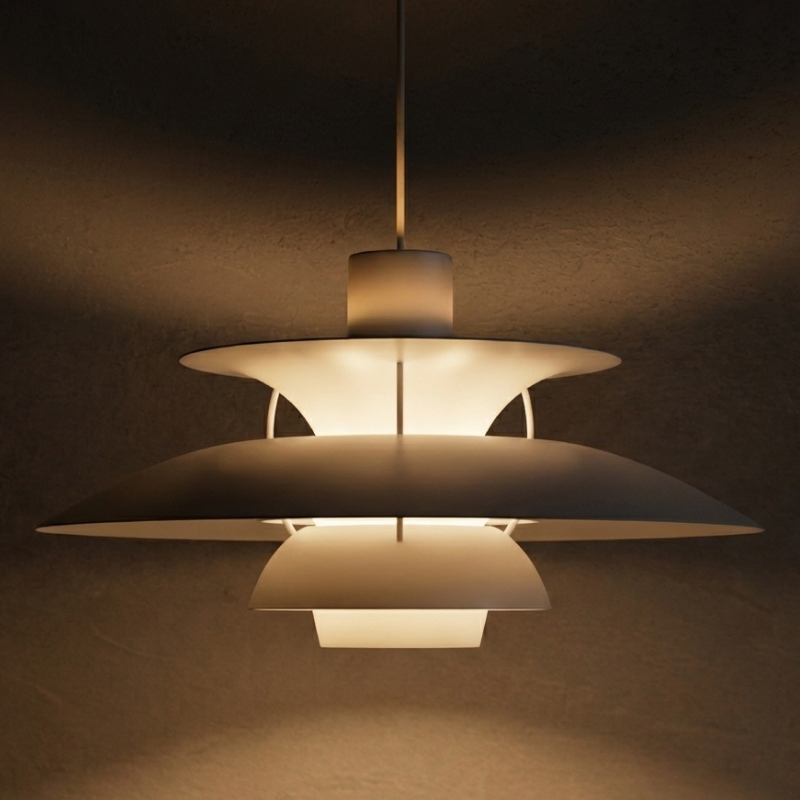
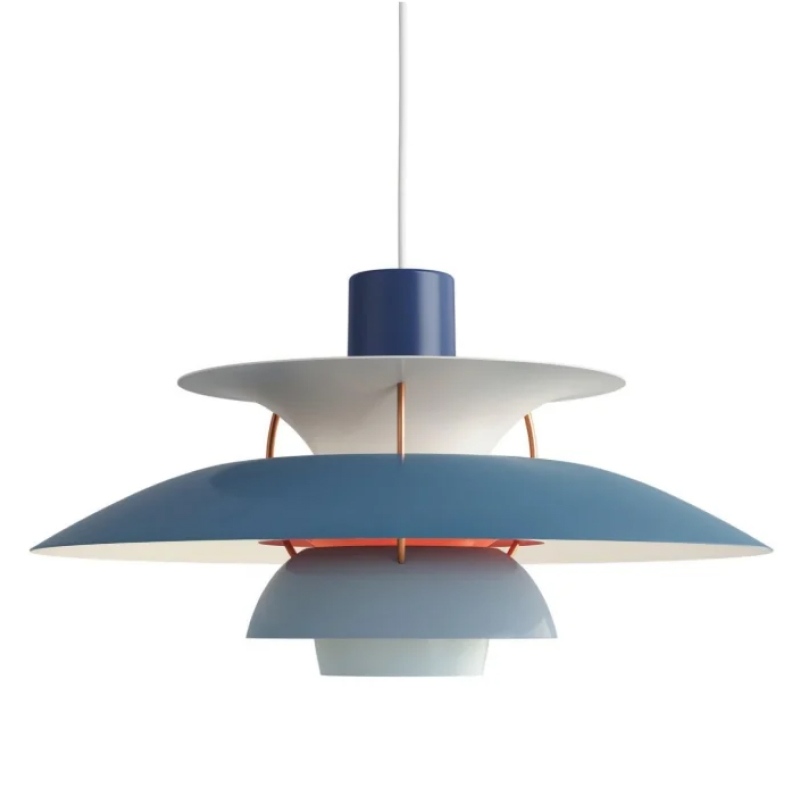
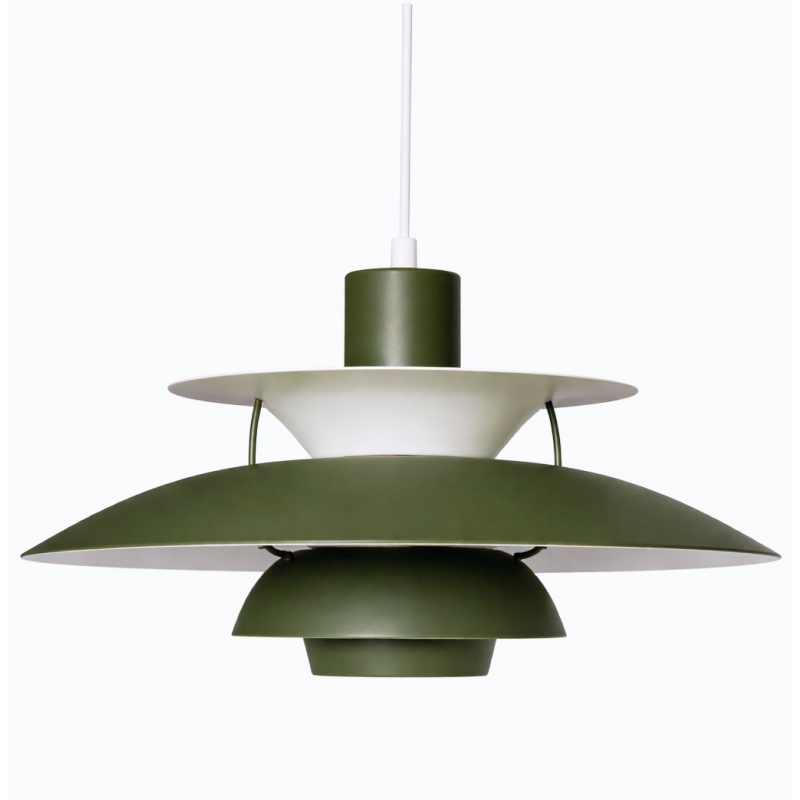
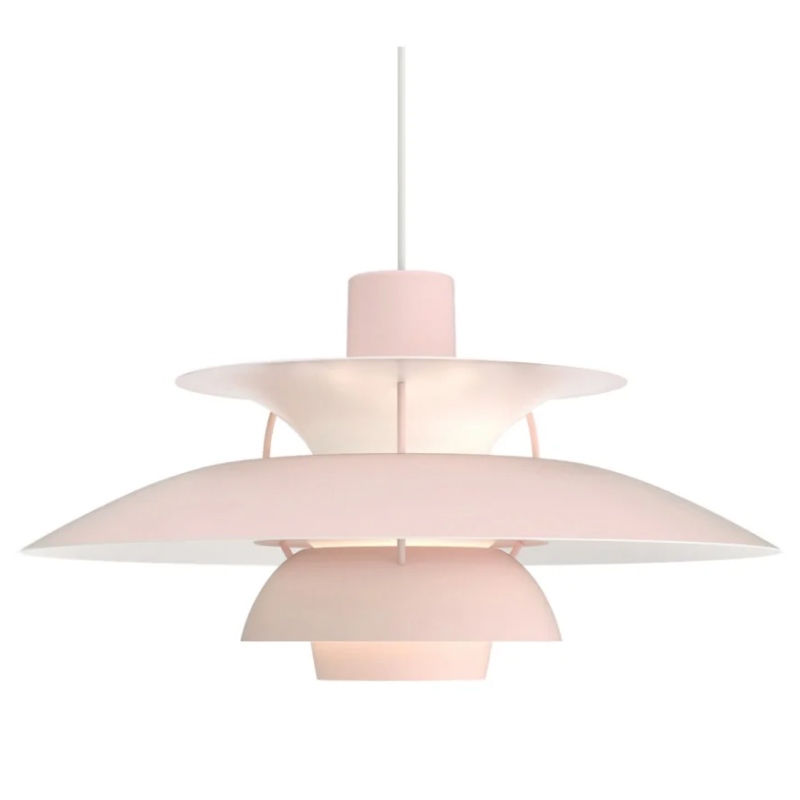
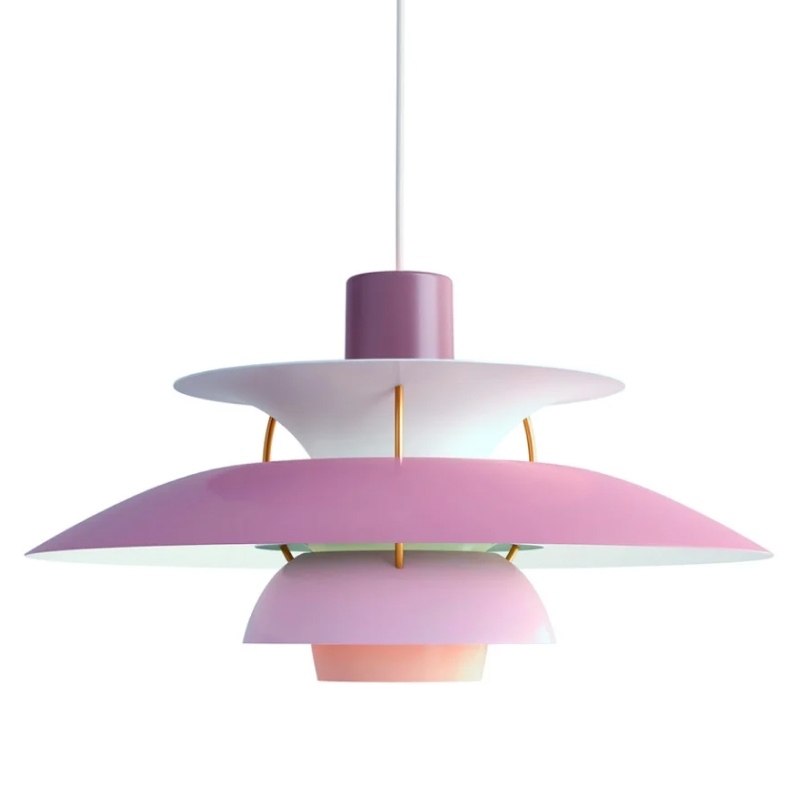
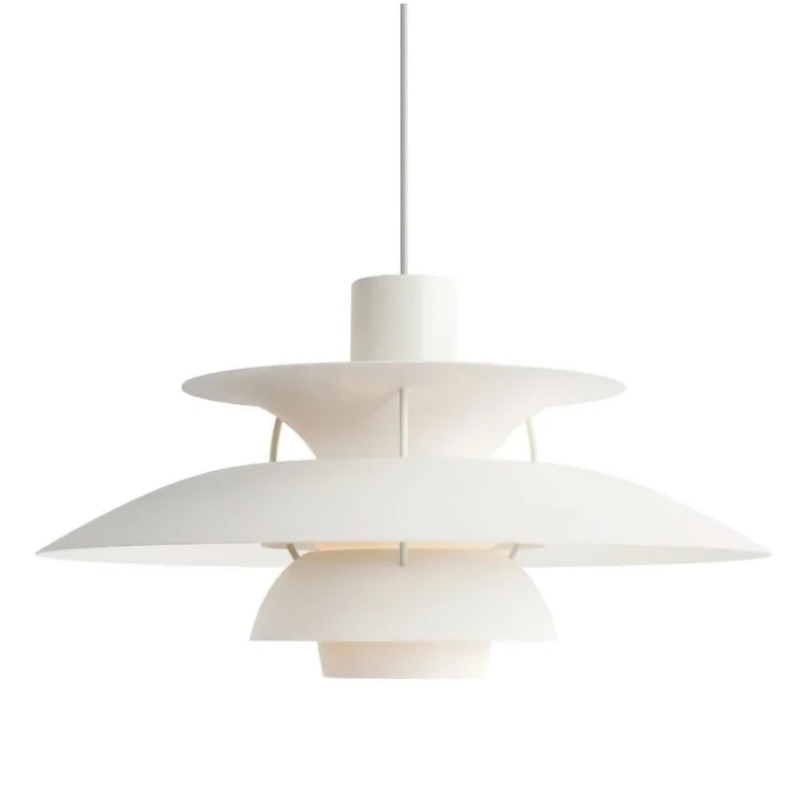
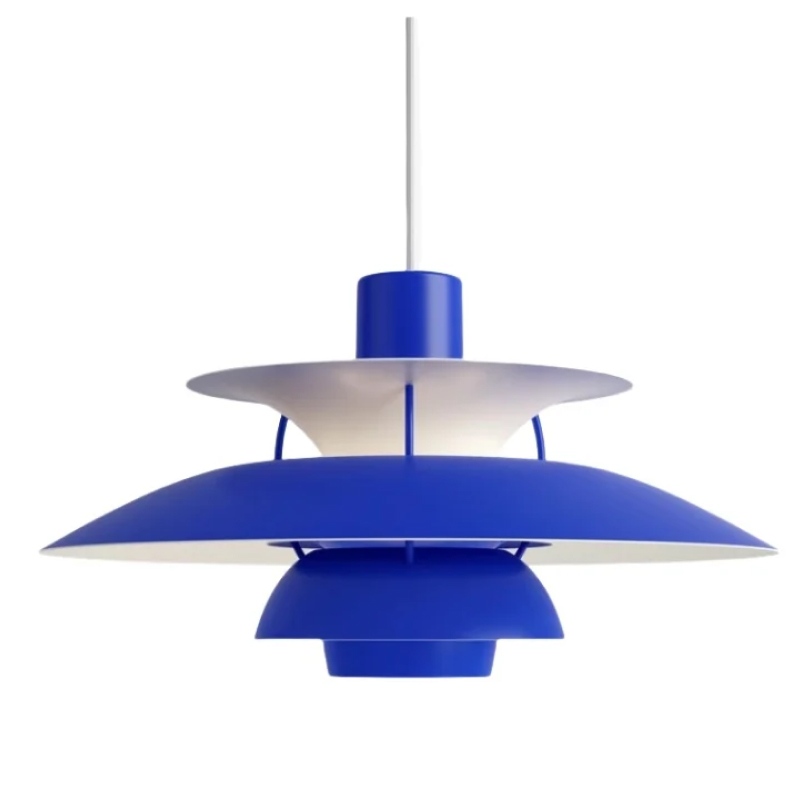
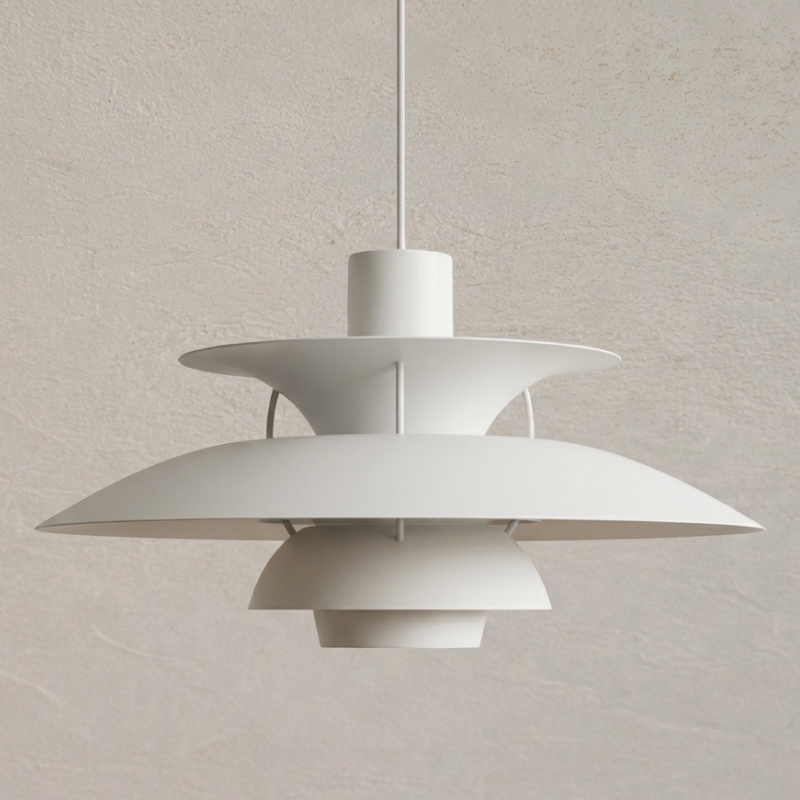
The Danish-inspired layered metal pendant light works well because the silhouette is expressive while the material stays clean and practical. It gives modern dining spaces sculptural detail without relying on ornate decoration.
3. Give the Layers Space to Breathe
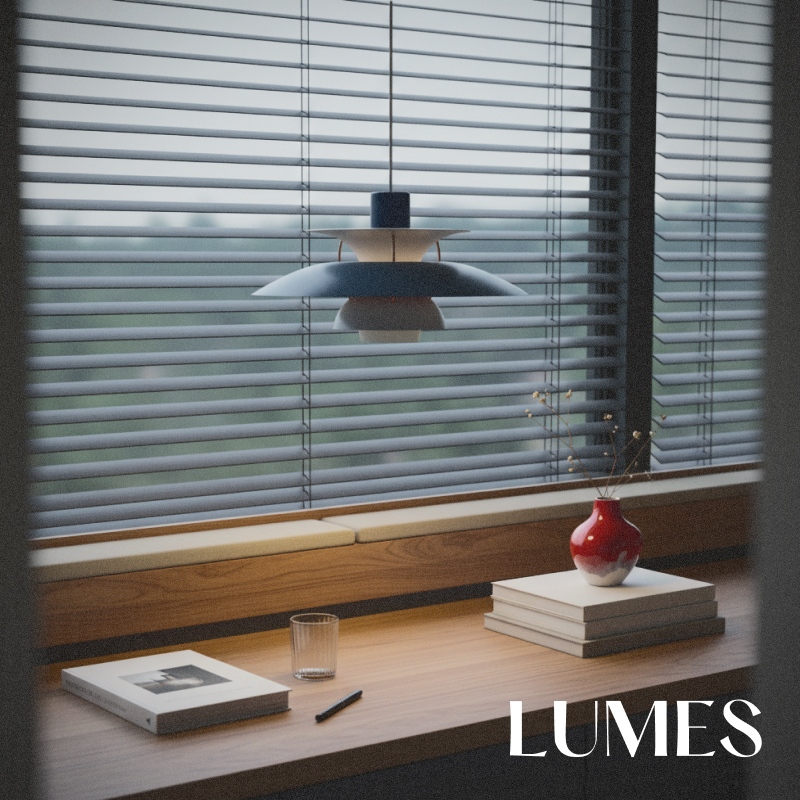
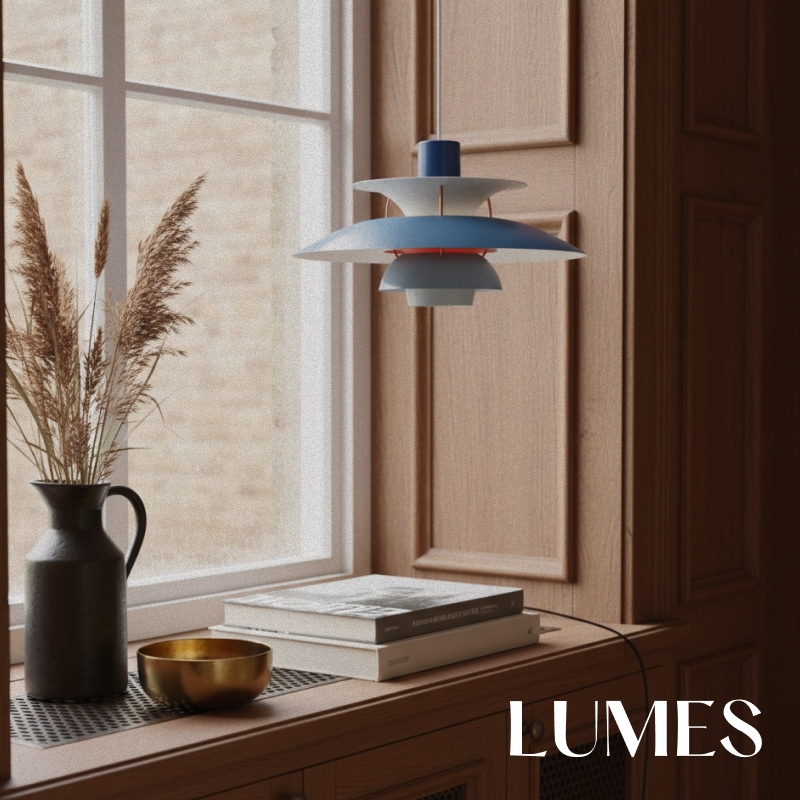
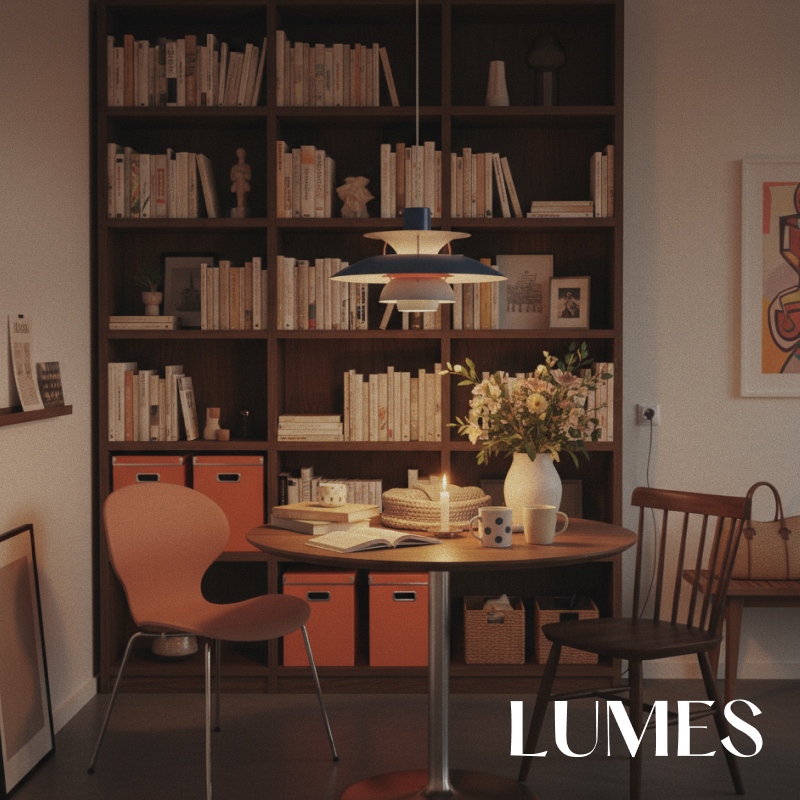
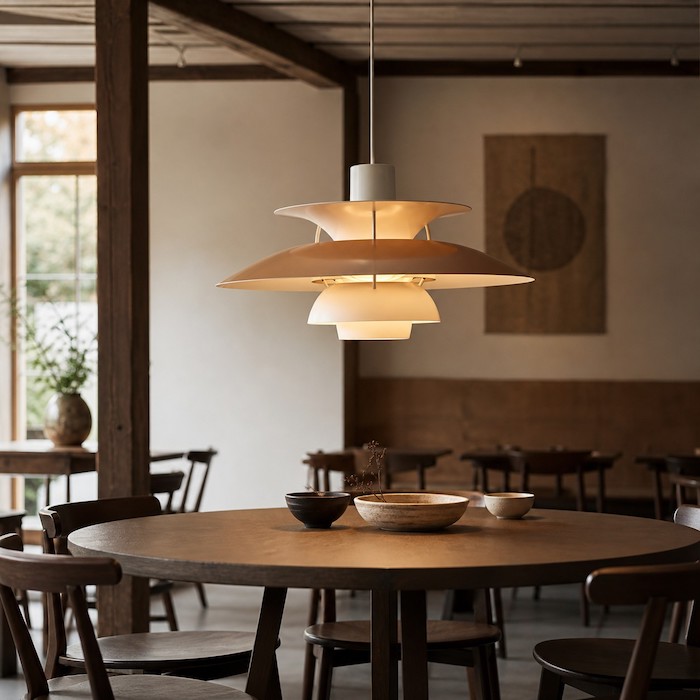
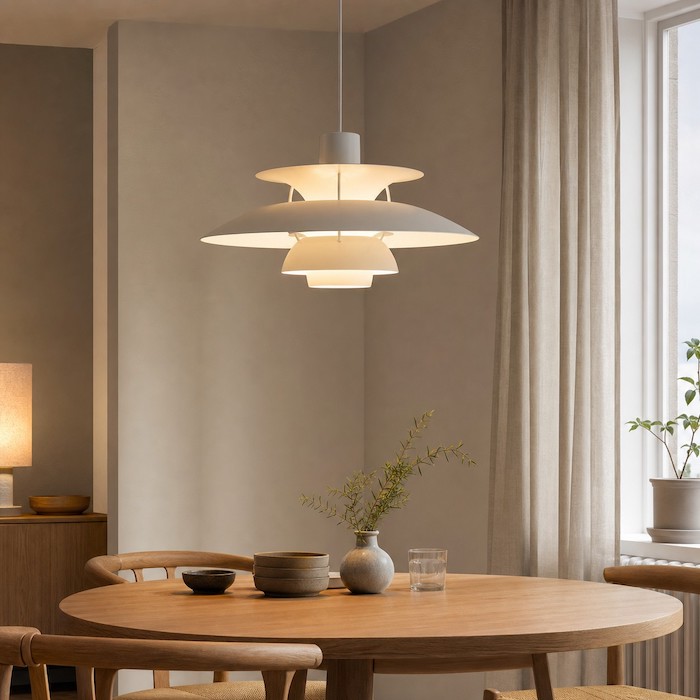
The layered shade is the detail, so do not block it with tall flowers, oversized branches, open shelves, or hanging plants. A low bowl, a few candles, or a simple ceramic piece is usually enough below the pendant.
Check the room from the doorway. If the pendant shape is easy to read and the table still feels open, the composition is working. If the fixture disappears into visual clutter, remove nearby objects before changing the light.
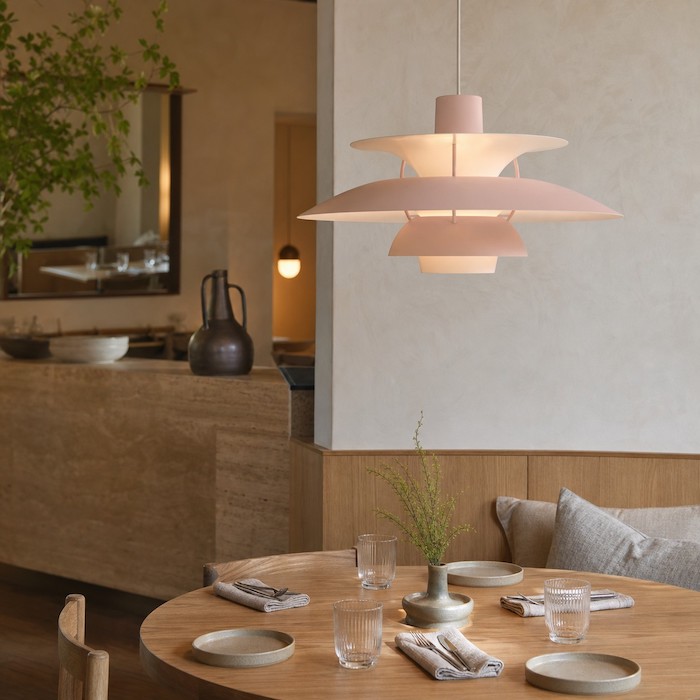
4. Choose Walls and Materials That Flatter the Shade
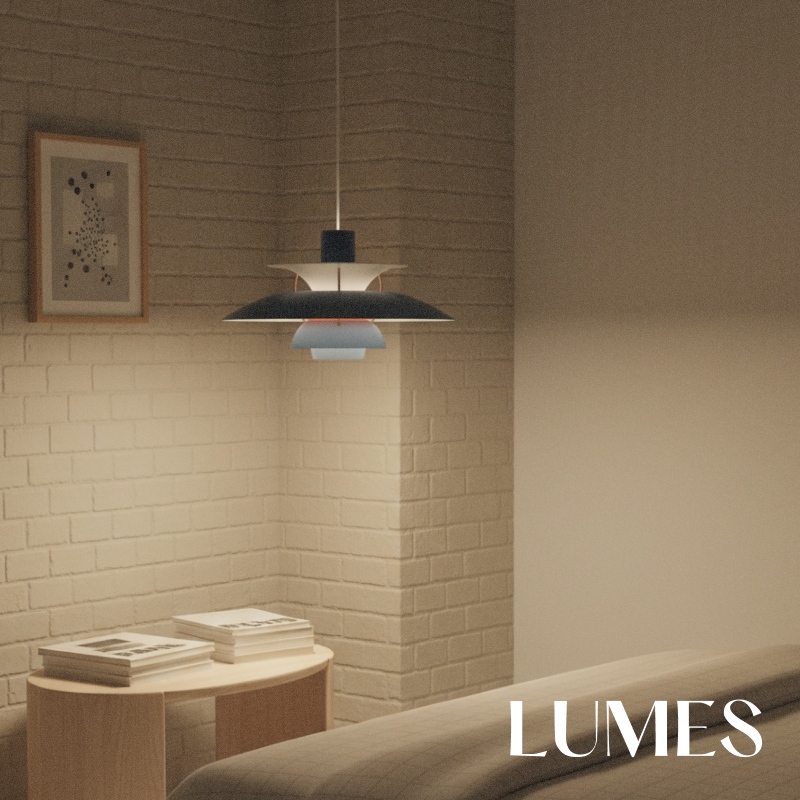
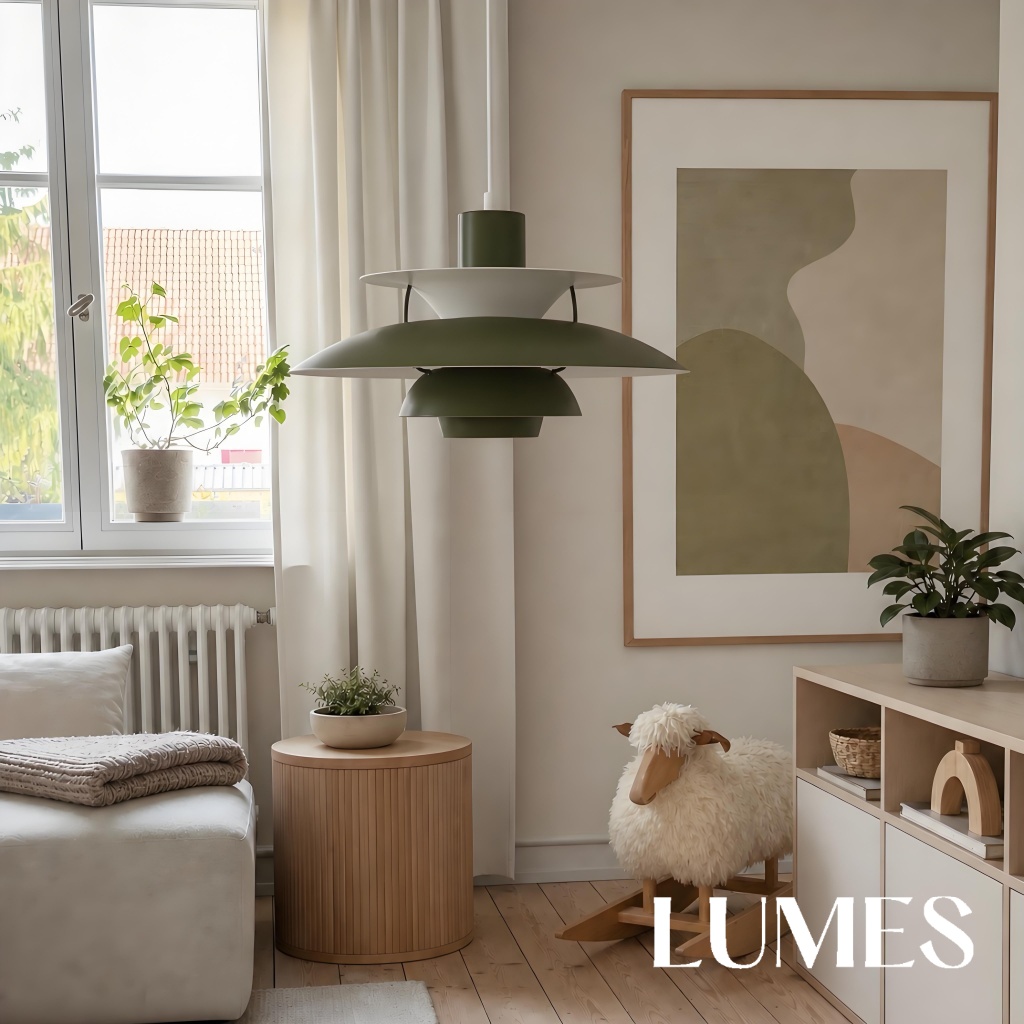
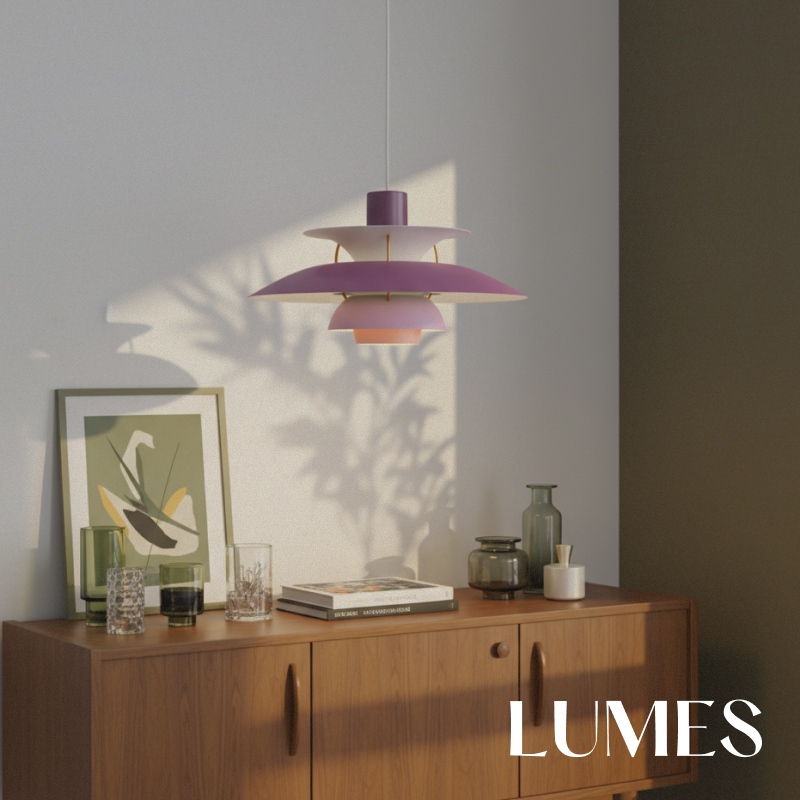
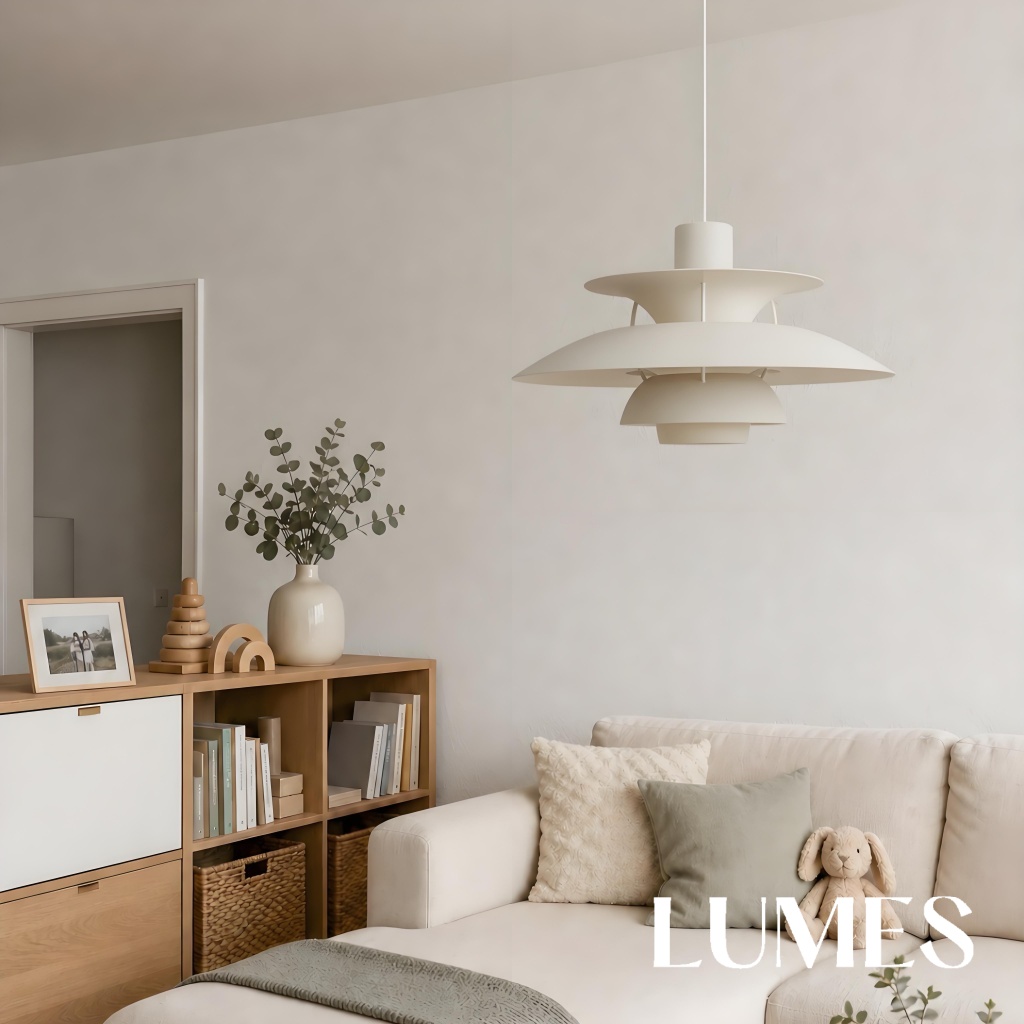
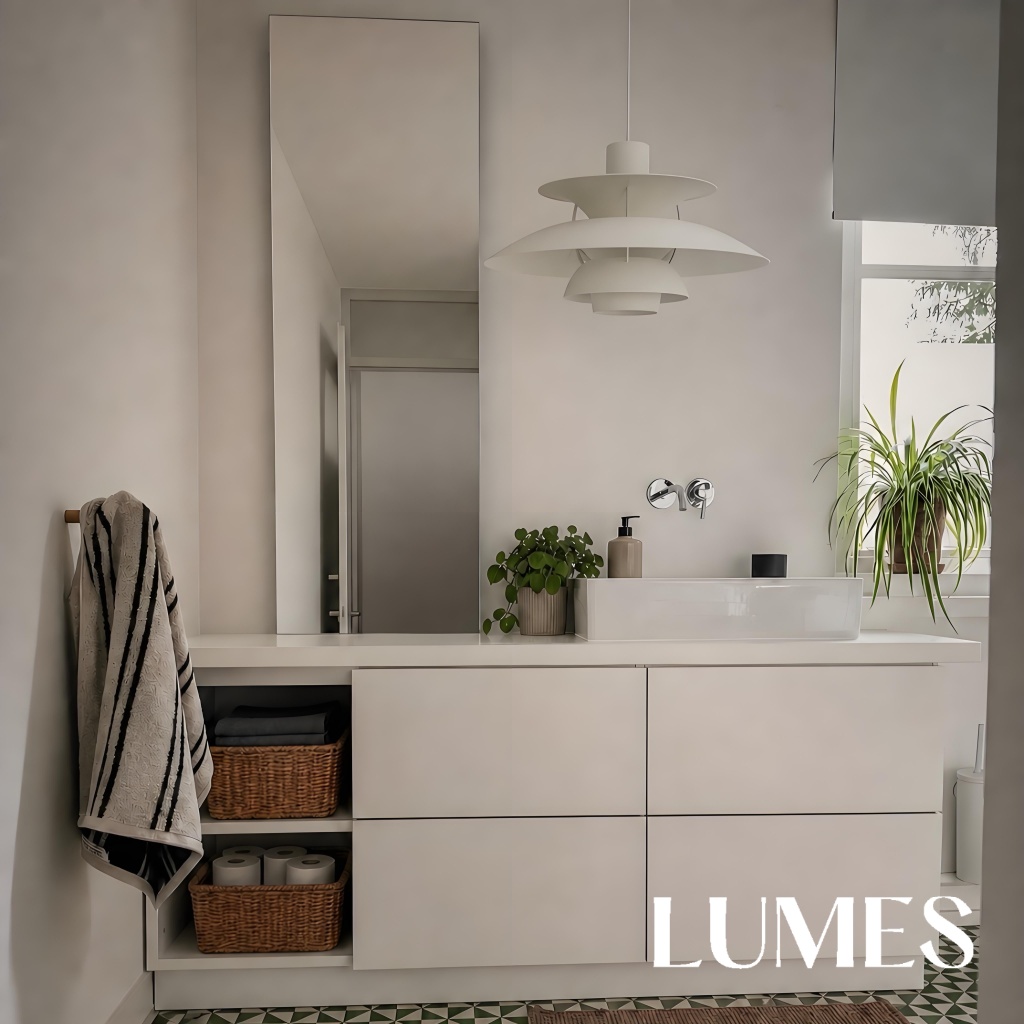
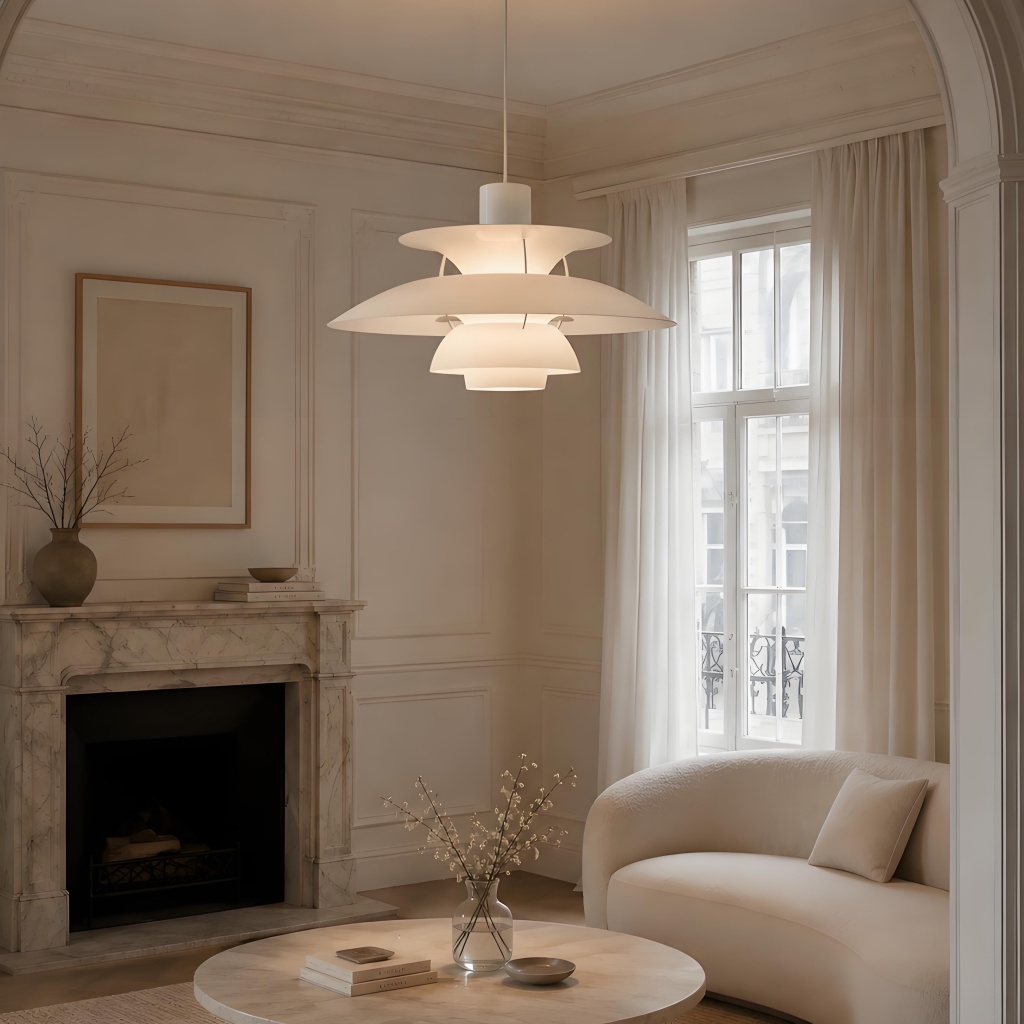
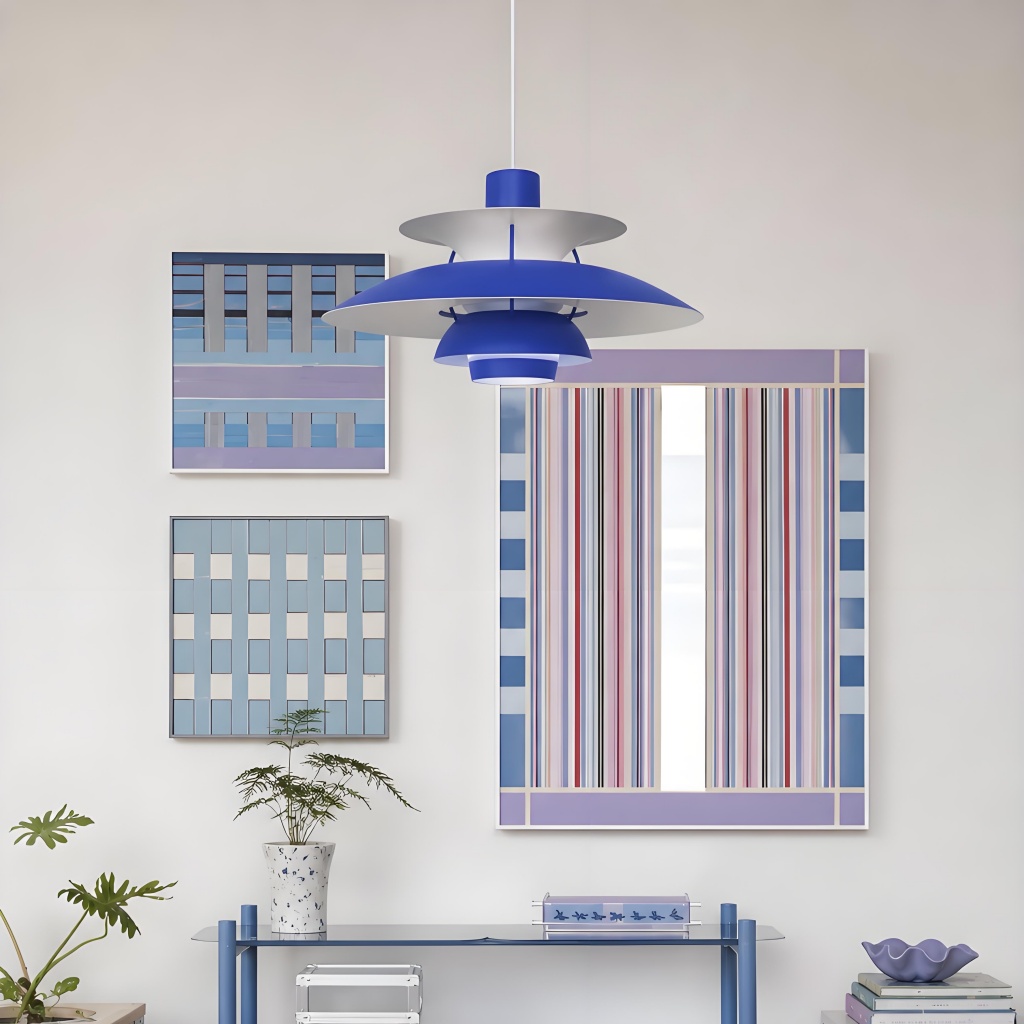
Layered metal pendants look refined against warm white, soft greige, muted green, plaster, limewash, timber, linen, and stone. Lower-sheen wall finishes are usually better than glossy paint because they let the shade edges and reflected glow appear softer.
The room does not need a dramatic palette. A calm wall and a sculptural pendant often feel more considered than a loud fixture in a loud room.
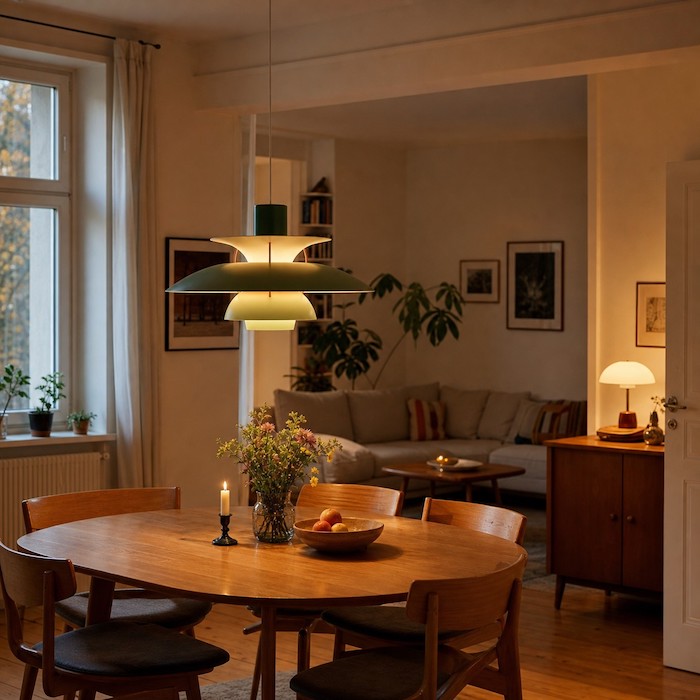
5. Add Supporting Light Like a Designer
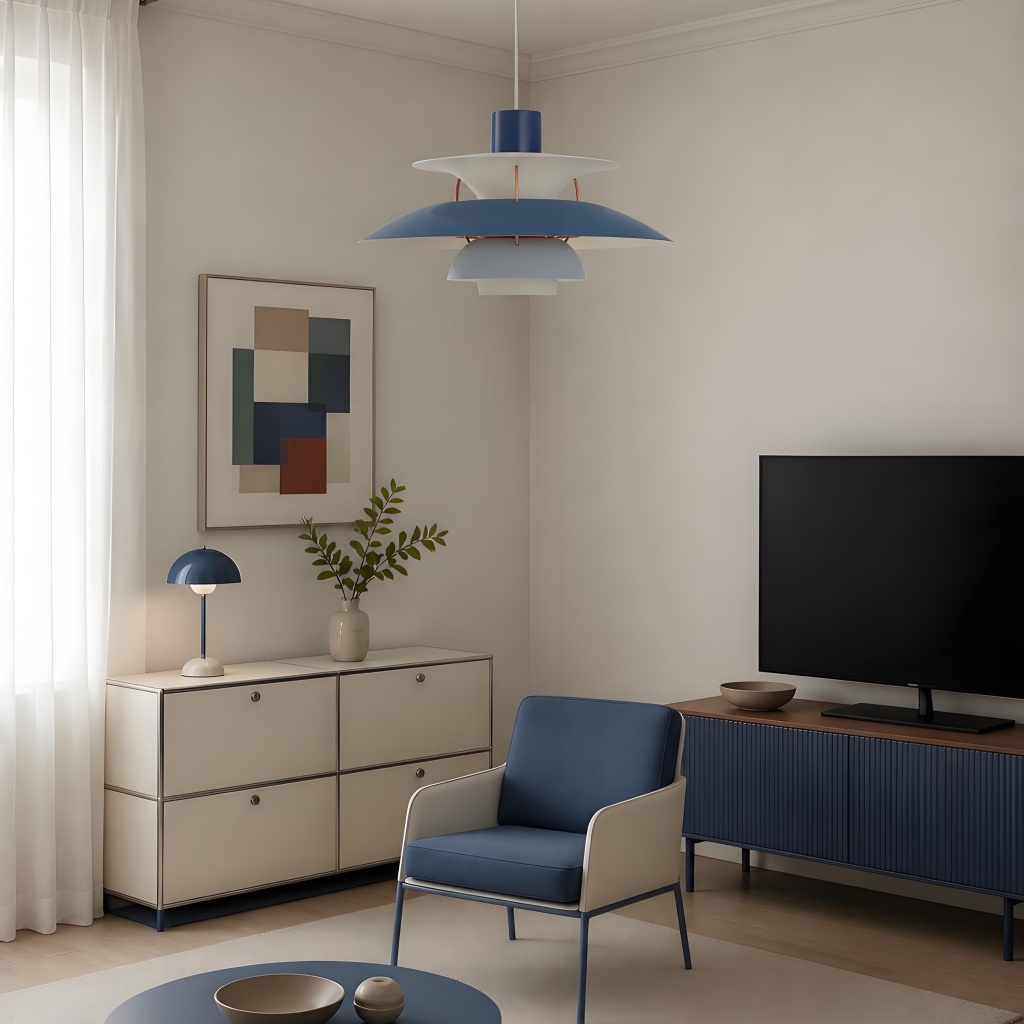
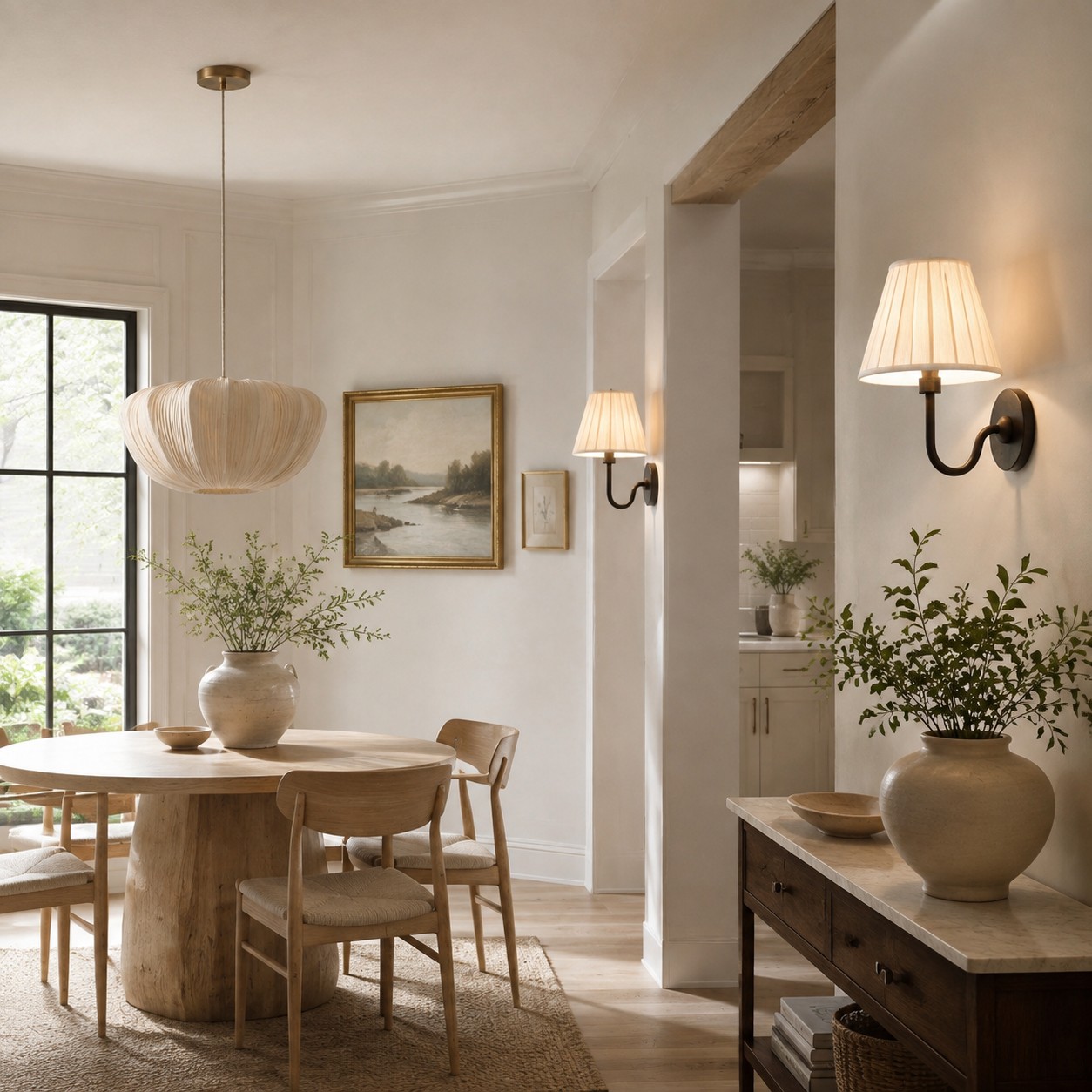
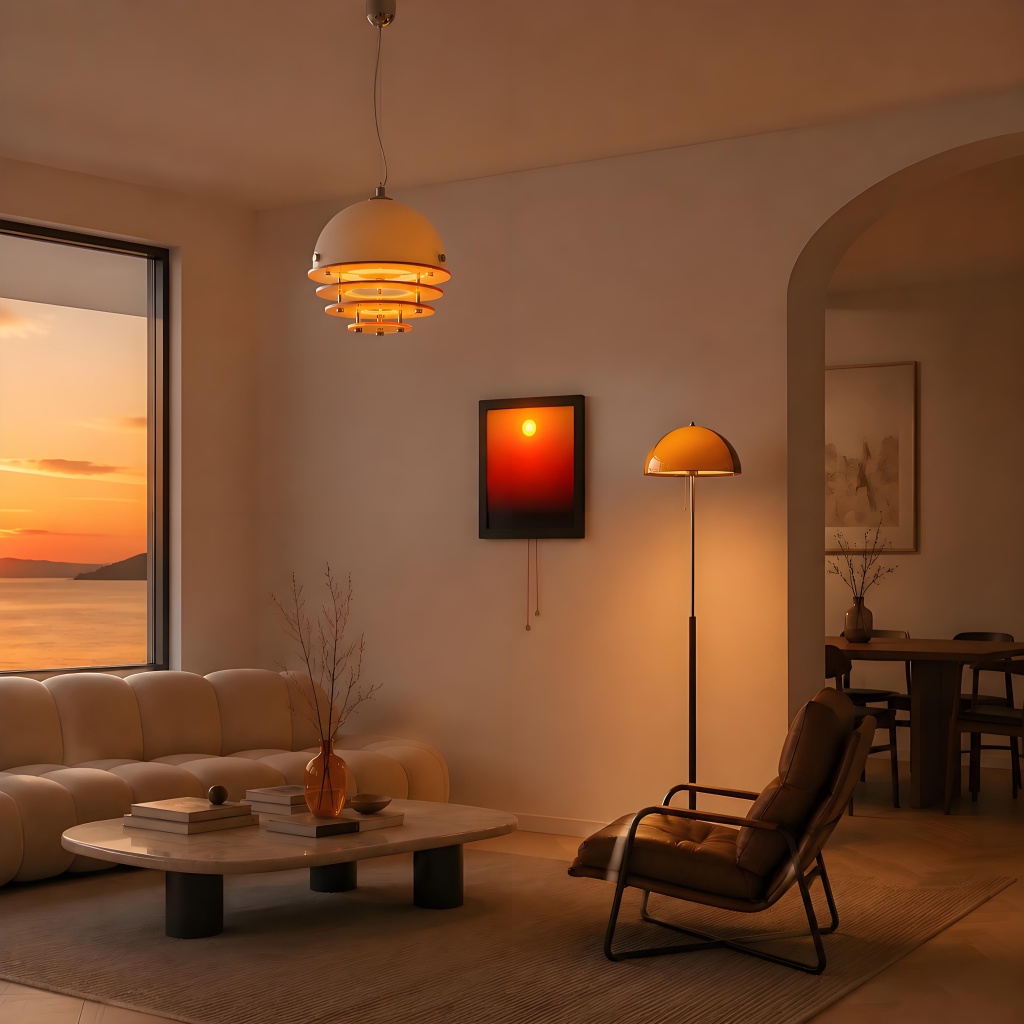
A pendant should be the anchor, not the only source. Add a sideboard lamp, floor lamp, wall light, or small accent light so the pendant can stay warm and comfortable. This prevents the common mistake of choosing a bulb that is too bright because the rest of the room is underlit.
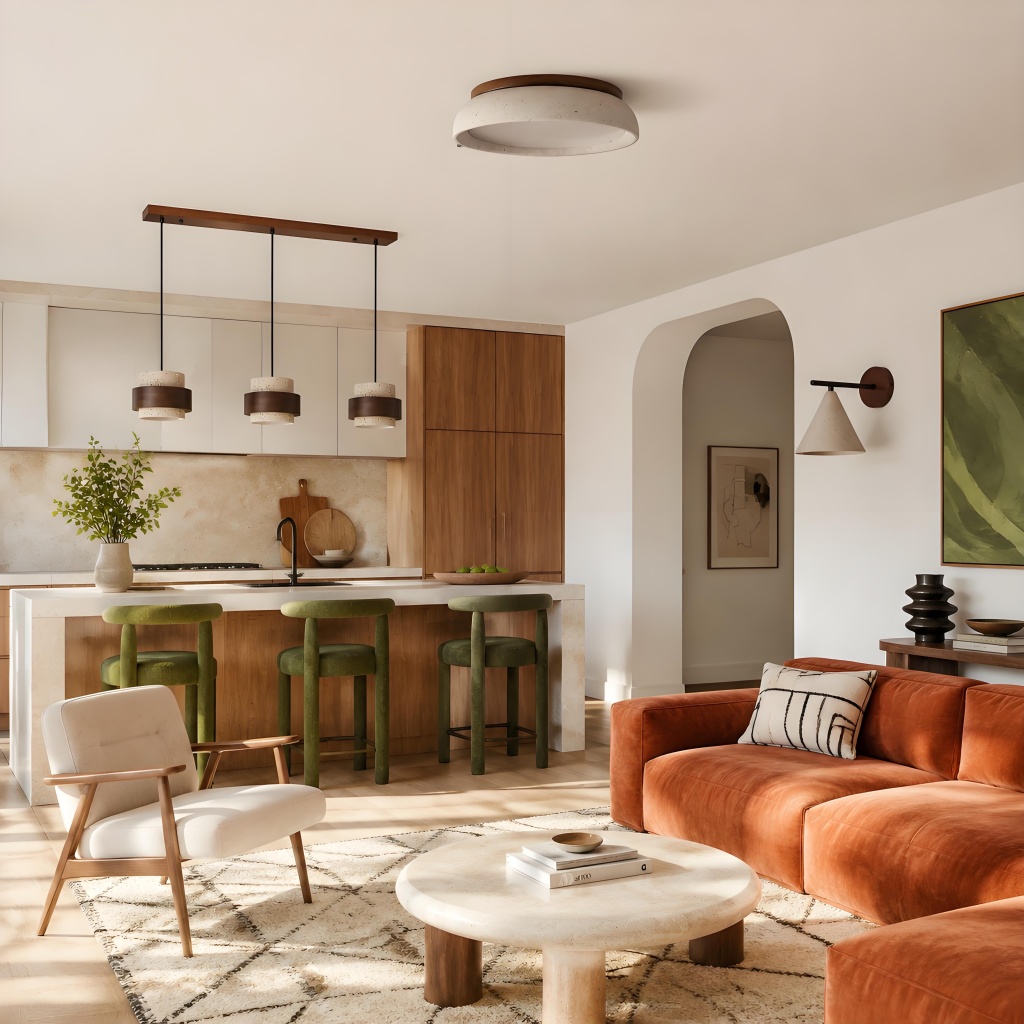
In open-plan spaces, place the supporting light outside the dining zone: near the sofa, on a sideboard, or along a side wall. The pendant remains the focal point while the whole room feels connected. Once the lighting layers feel balanced, the pendant can carry more of the room’s visual character. For the bigger style context behind this look, Why Layered Metal Pendant Lights Are Trending Again explains why sculptural metal shades are returning in warm modern and Nordic-inspired interiors.
Recommended Product
Choose the Danish-inspired layered metal pendant light if you want a classic Nordic-style focal point with a calmer, more versatile description. It suits dining rooms, kitchen eating areas, warm minimalist homes, and retro-modern interiors.
Style the layered metal pendant with a warm bulb, a low centerpiece, and one repeated finish for a room that feels designed rather than matched.
People Also Ask: Styling Layered Pendant Lights
How high should a layered pendant hang?
About 75 to 90 cm above a dining table is a strong starting point.
Do layered pendants work in small rooms?
Yes, if the diameter is modest and the surrounding decor stays simple.
Should the pendant match cabinet hardware?
It can, but coordination is enough. Match tone, finish, or visual weight rather than every detail.
Can I use one pendant over a long table?
Sometimes, but very long tables often need a pair, a wider fixture, or added side lighting.
What makes a pendant light look professionally styled?
Correct scale, warm light, clear space around the shade, and one repeated material detail make the biggest difference.