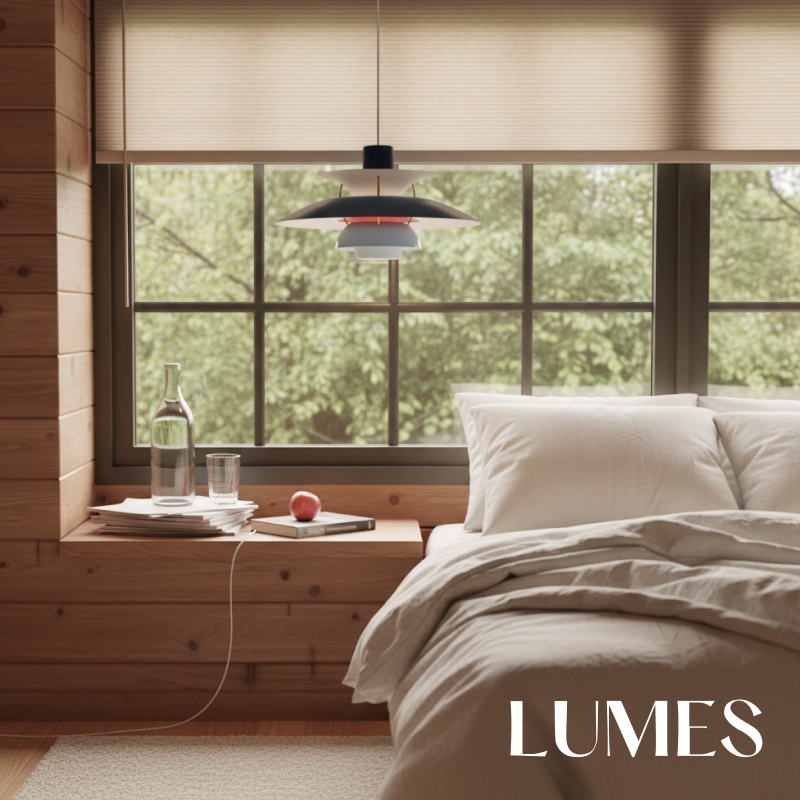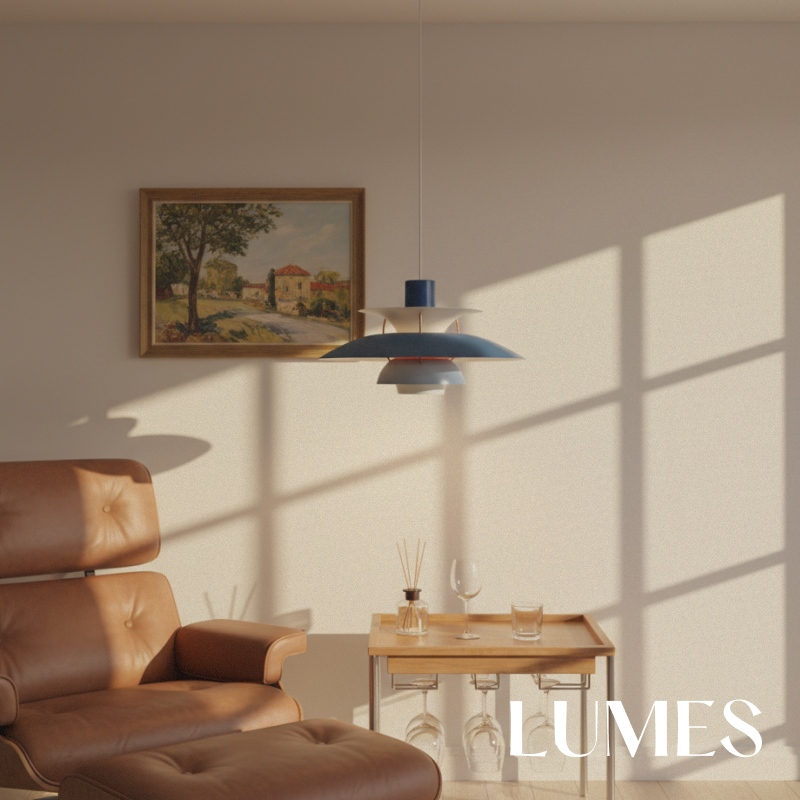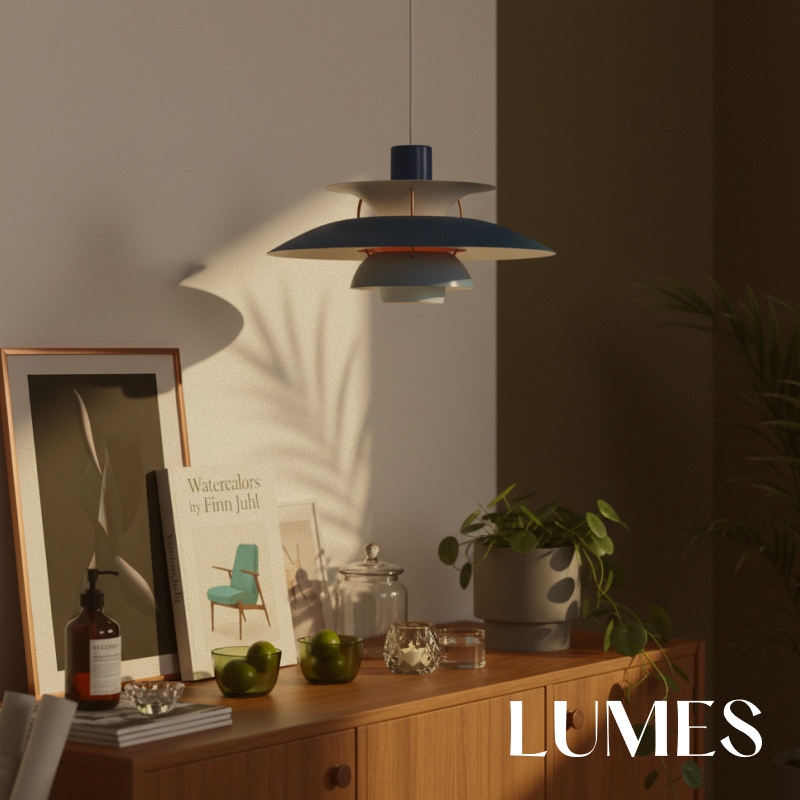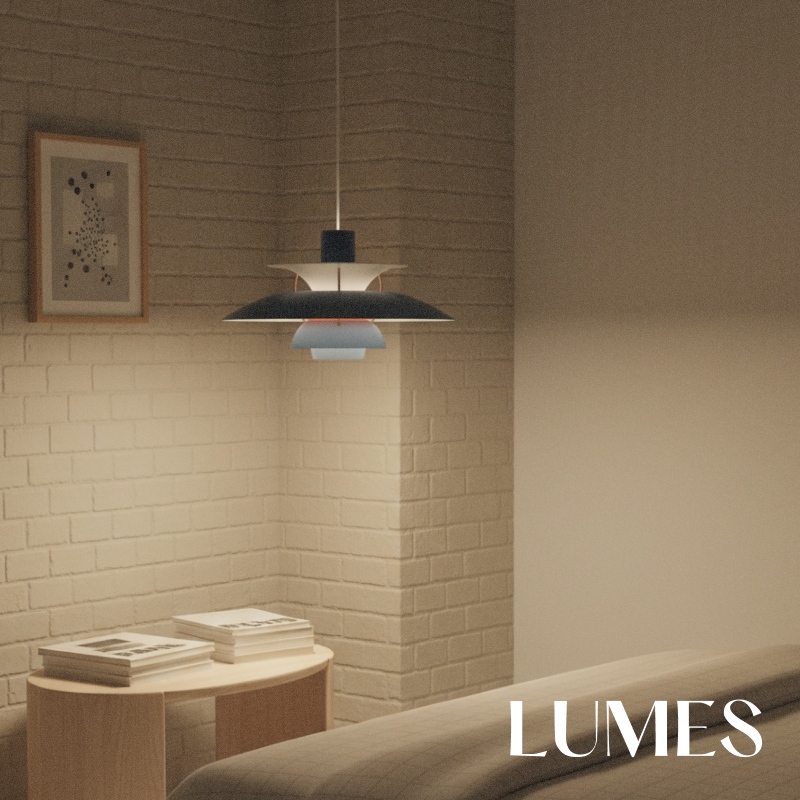



Lumes Design lighting guide
Why Glare-Free Lighting Matters More Than Ever in Modern Homes
The Real Problem Is Not Darkness
A room can be bright and still feel uncomfortable. Glare appears when the eye meets a bare bulb, a sharp LED point, or a reflection from glass, stone, polished metal, or glossy cabinets. In open modern homes, one harsh pendant can disturb the dining table, kitchen island, and sofa area at the same time.
Glare-free lighting matters because home lighting is not only about seeing clearly. It is about eating without squinting, talking across the table comfortably, and keeping the evening atmosphere calm. The best pendant lights shape brightness before it reaches the eye.
Quick Answer: Hide the Source, Warm the Glow, Add Support
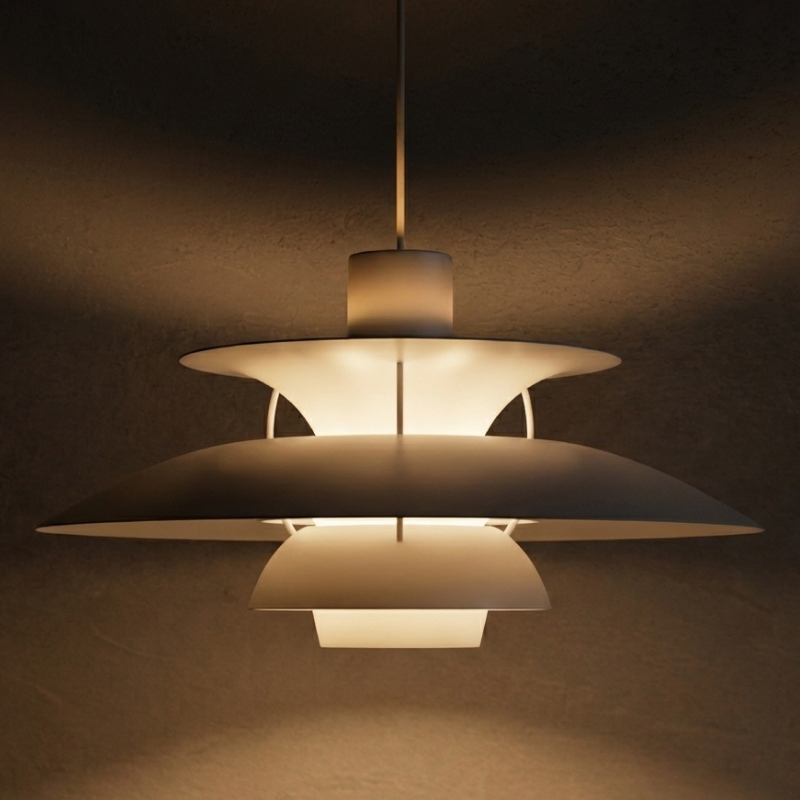
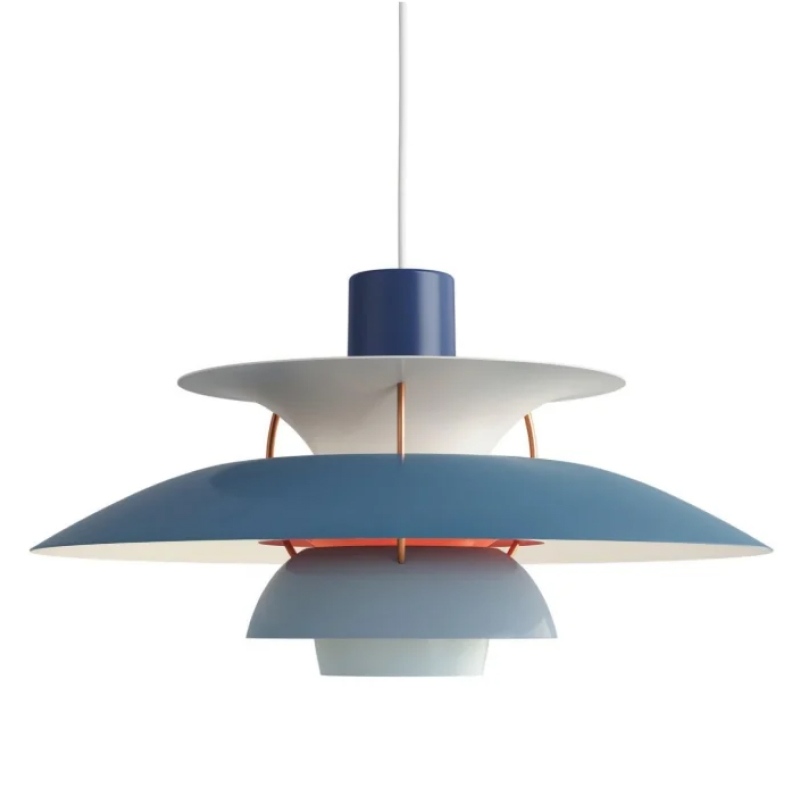
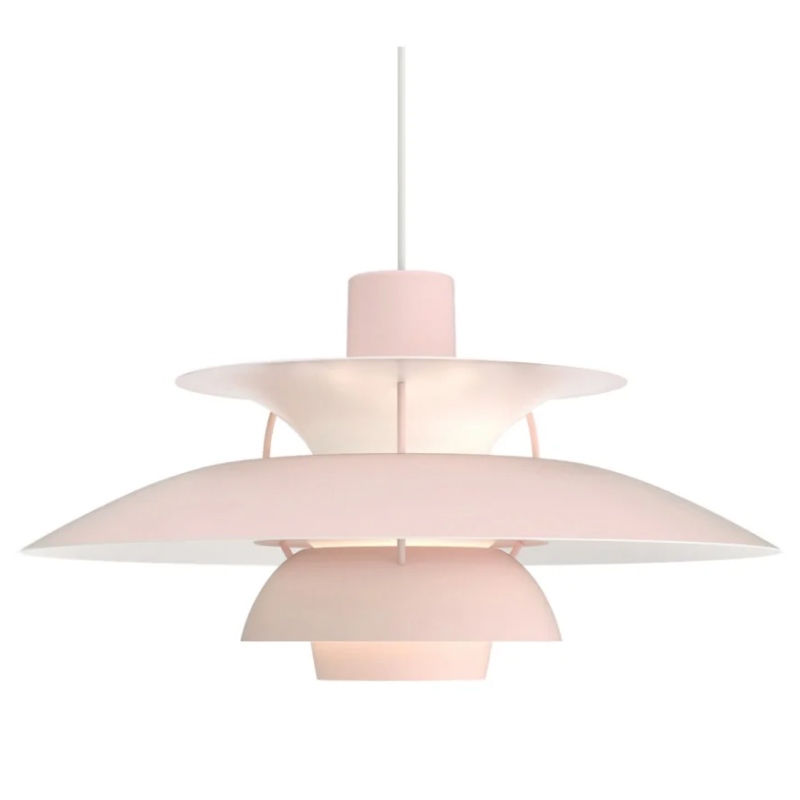
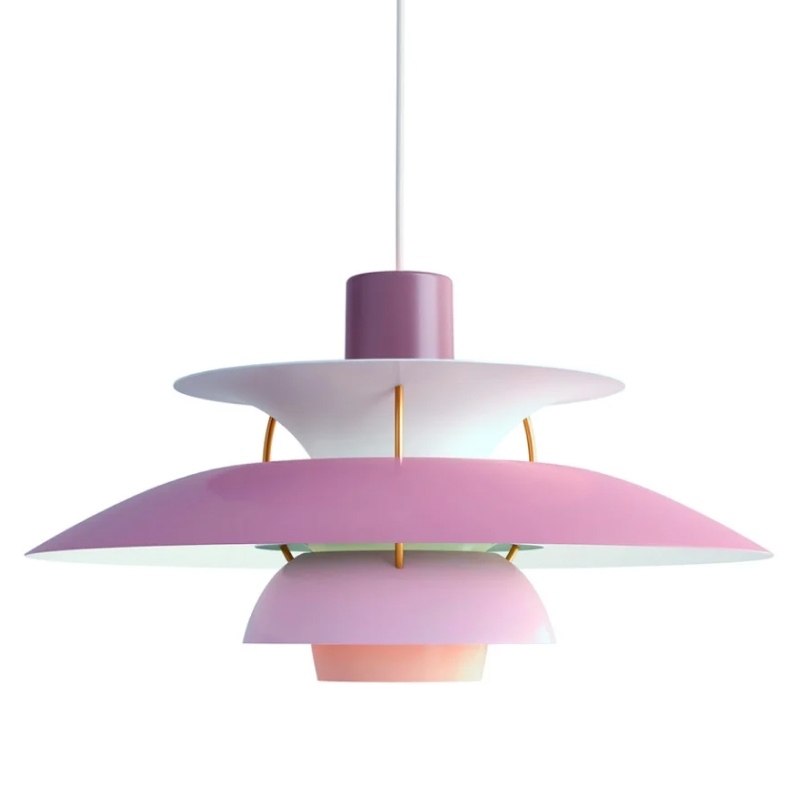
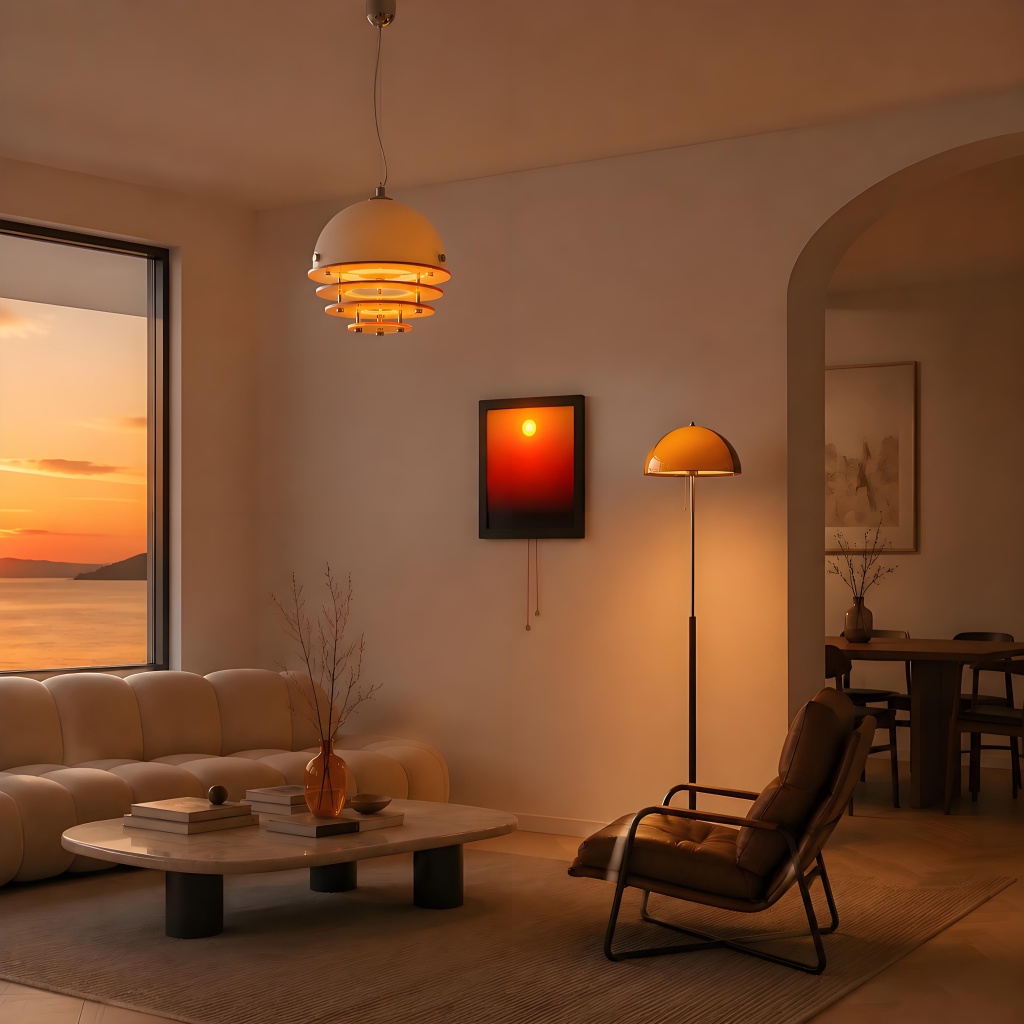
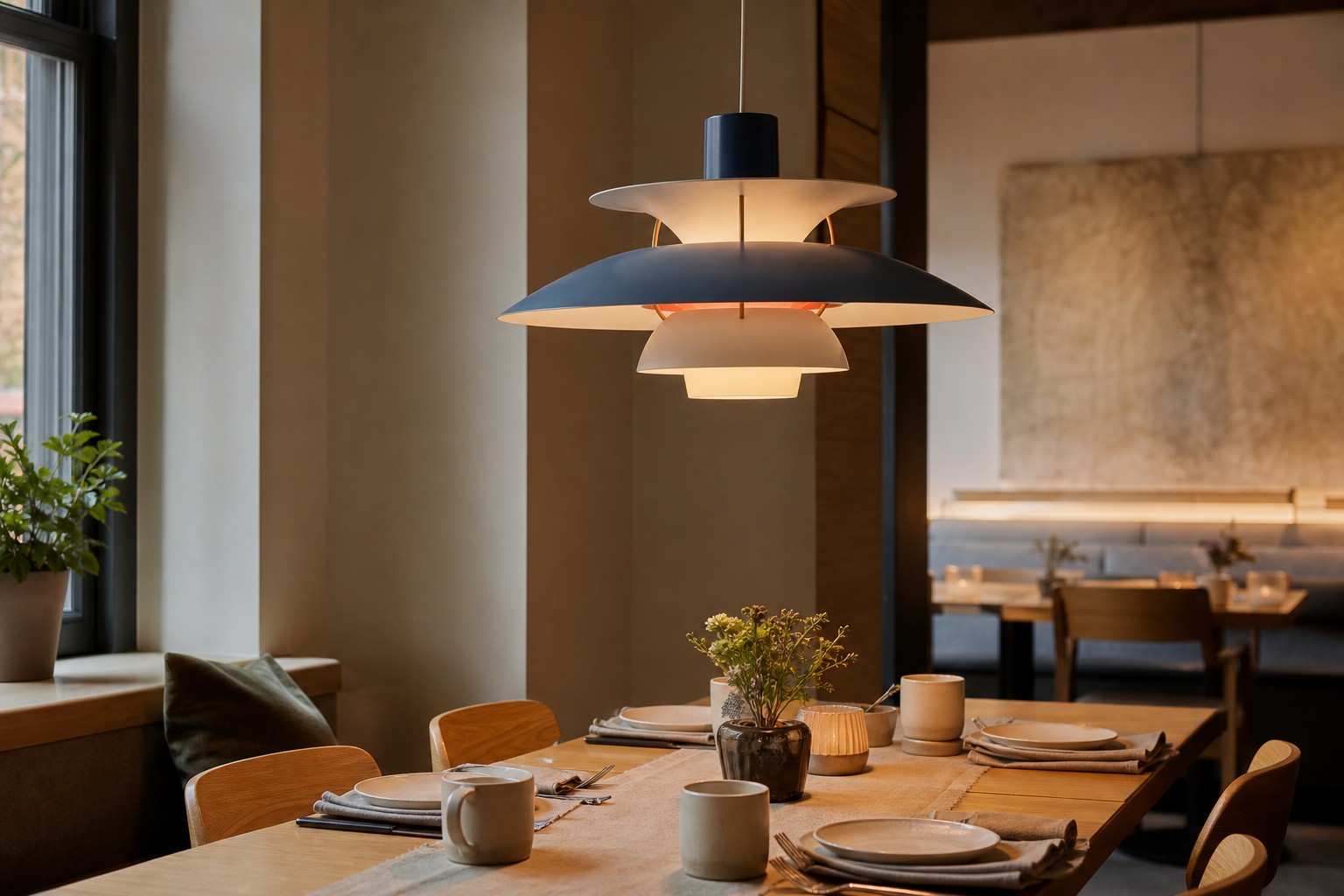
If a room feels harsh at night, look for three fixes: choose a shade that shields the bulb, use warm white light around 2700K to 3000K, and add a second or third light source in the room. A layered metal pendant is useful because its overlapping shades create depth and help soften direct brightness.
If you are also choosing by style, Why Layered Metal Pendant Lights Are Trending Again explains why layered metal shades are returning to modern dining rooms, warm minimalist homes, and open-plan spaces. Here, the focus is comfort first: softer light, fewer harsh reflections, and a pendant that feels calm at eye level.
The Eye-Level Test
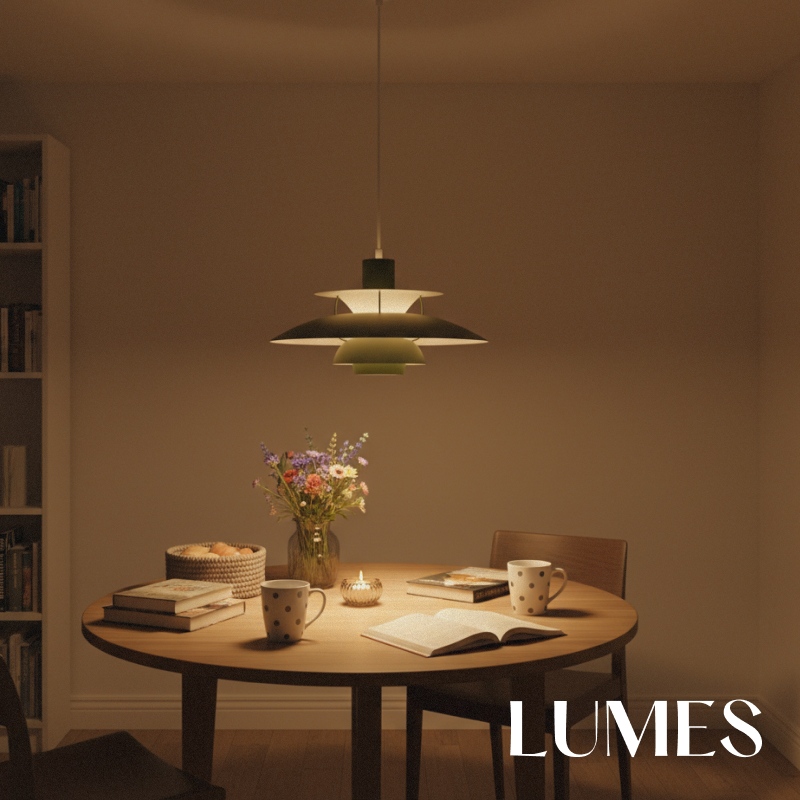
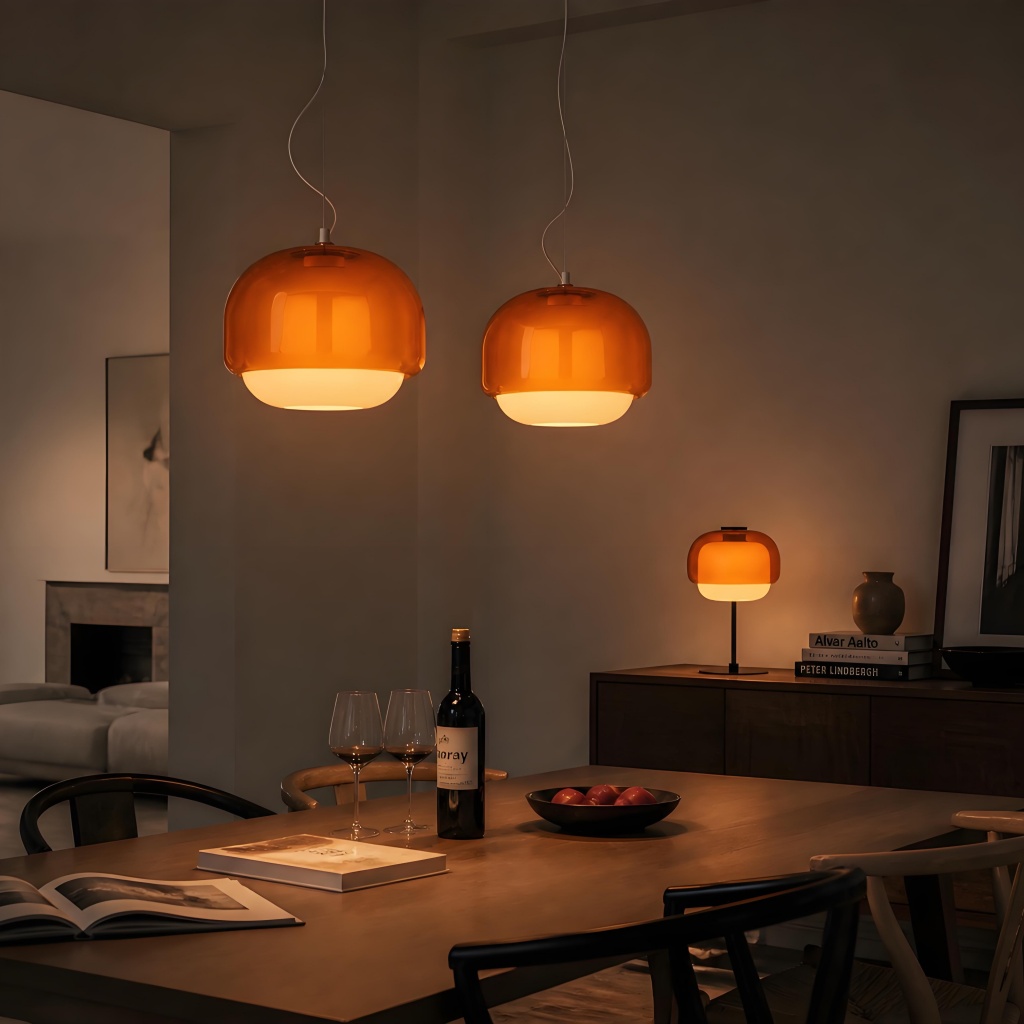
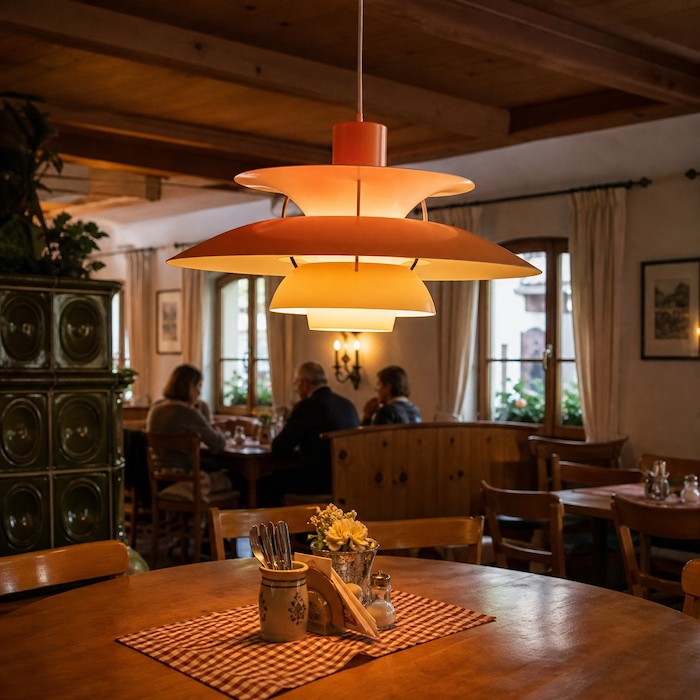
Sit where you normally eat or talk, then look across the room. If the pendant creates a bright dot in your natural line of sight, the bulb may be too exposed or too powerful. If you mostly see the shade, a soft pool on the table, and gentle reflected light, the room will usually feel easier to live with.
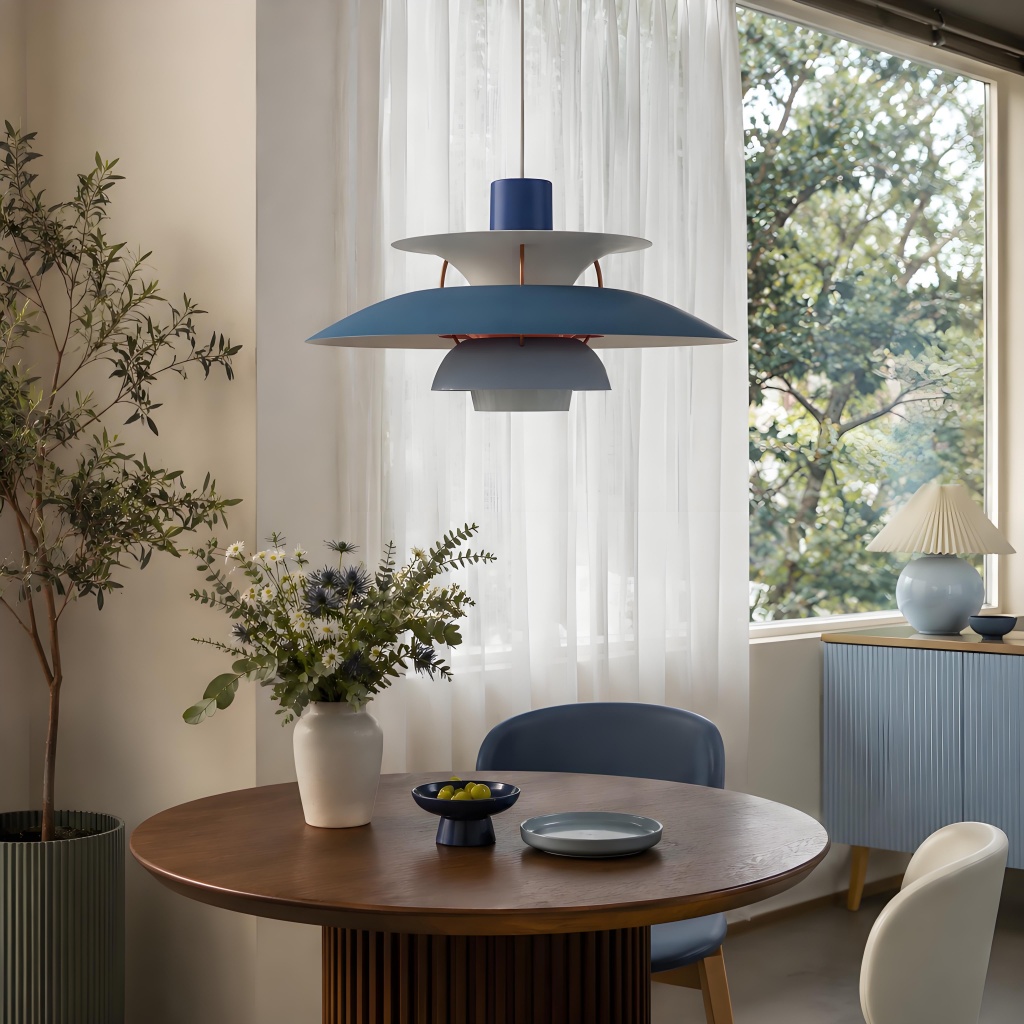
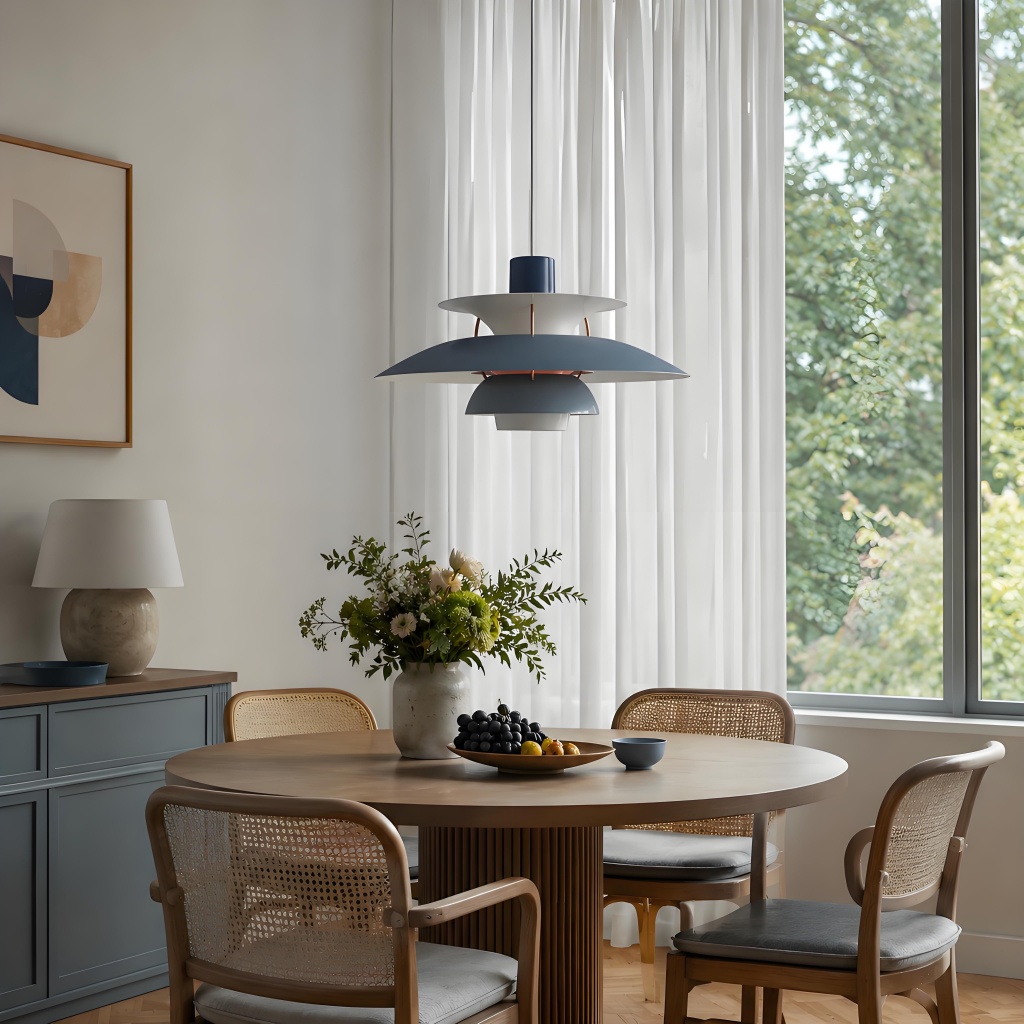
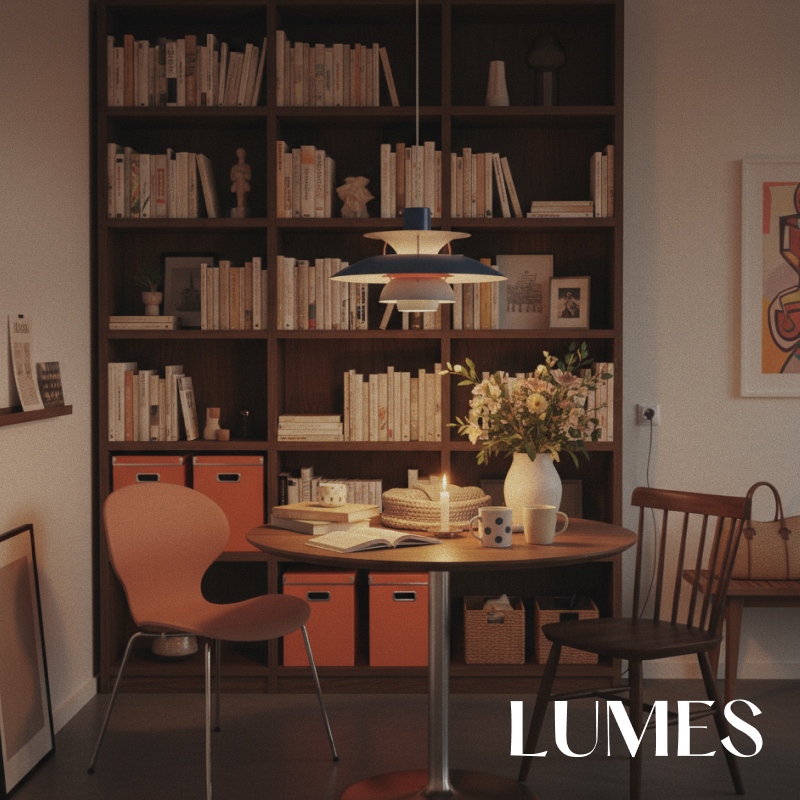
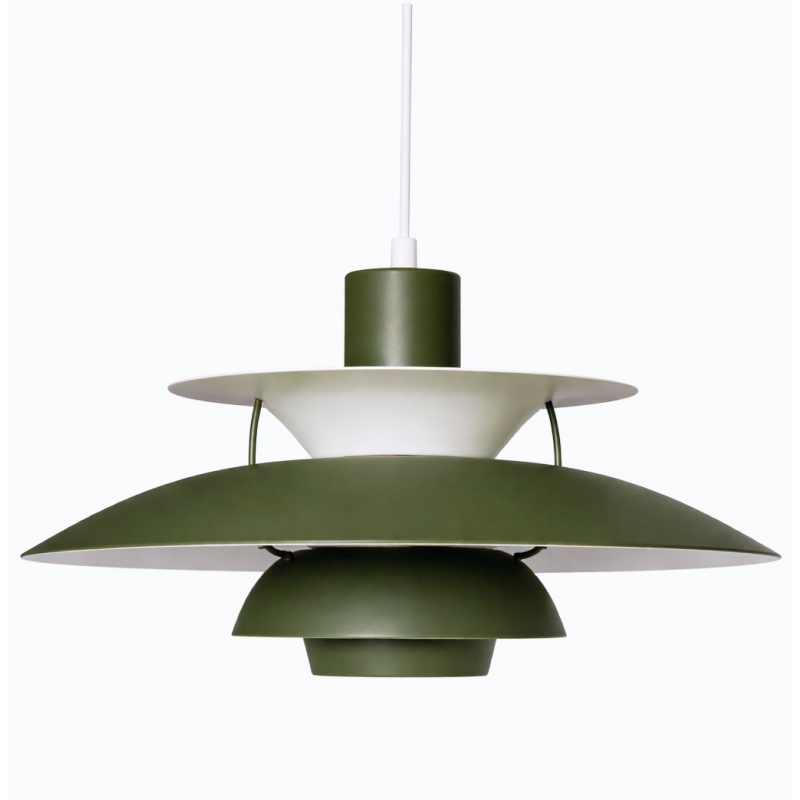
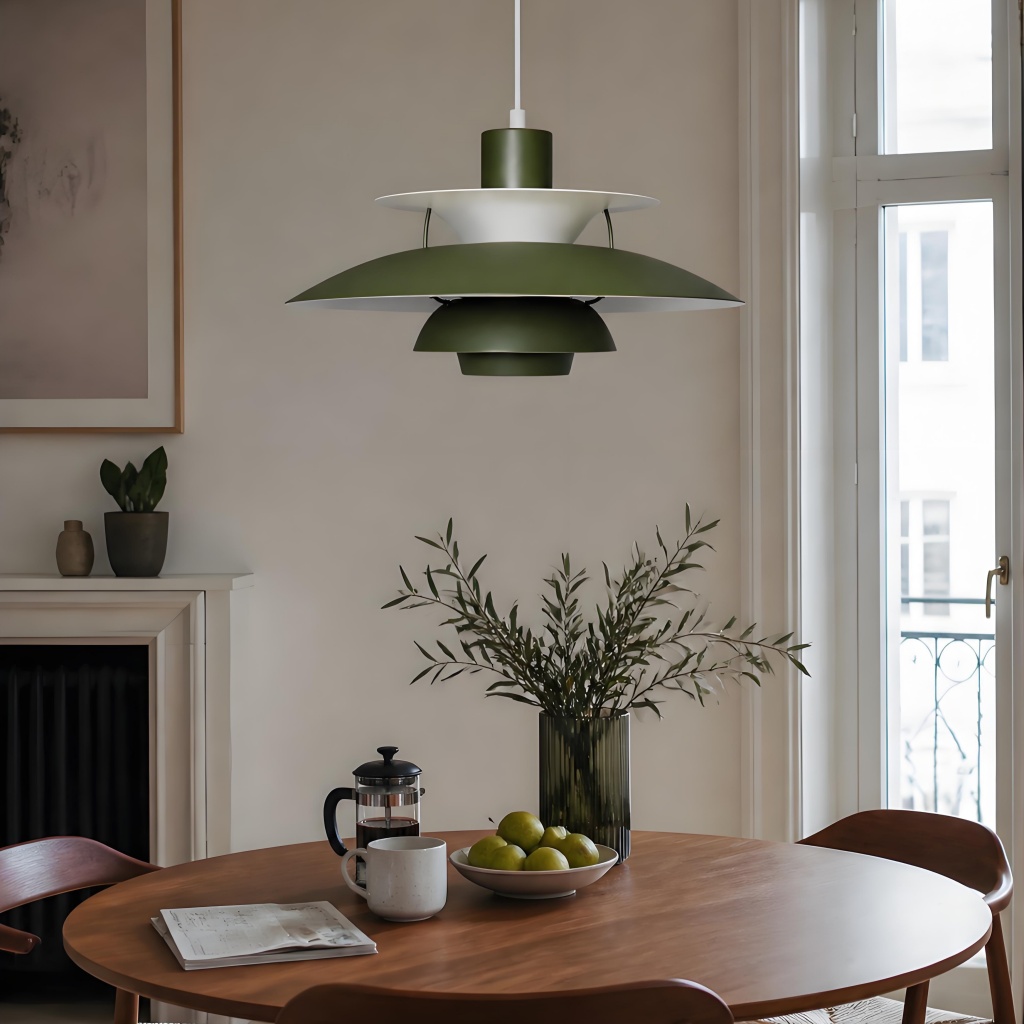
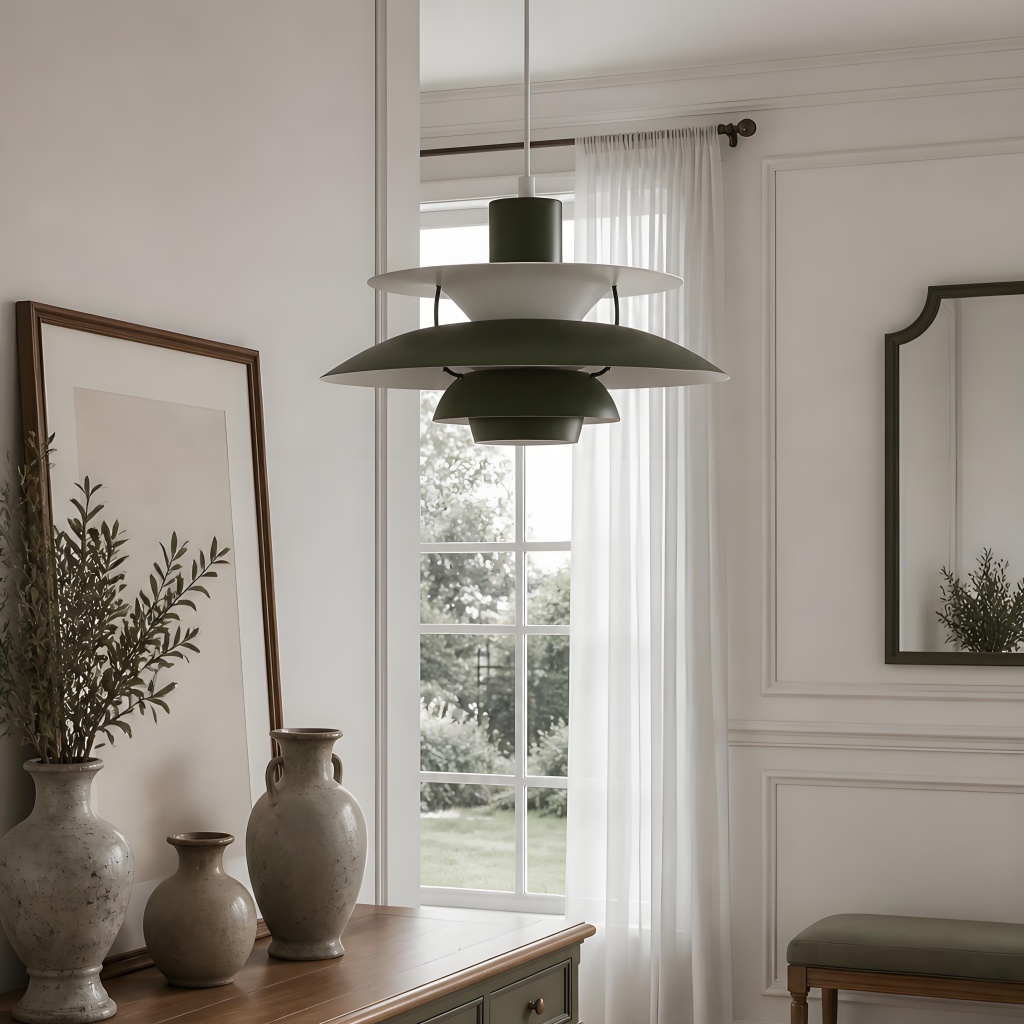
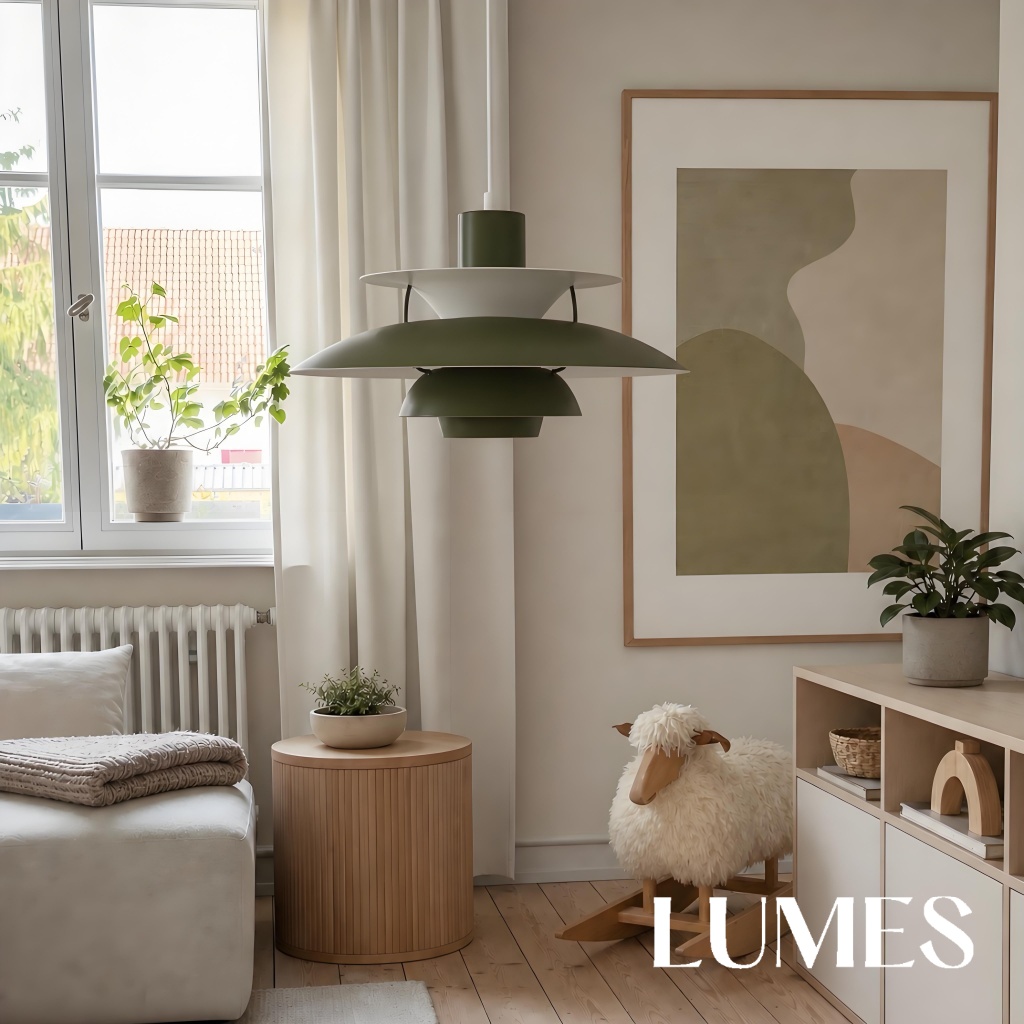
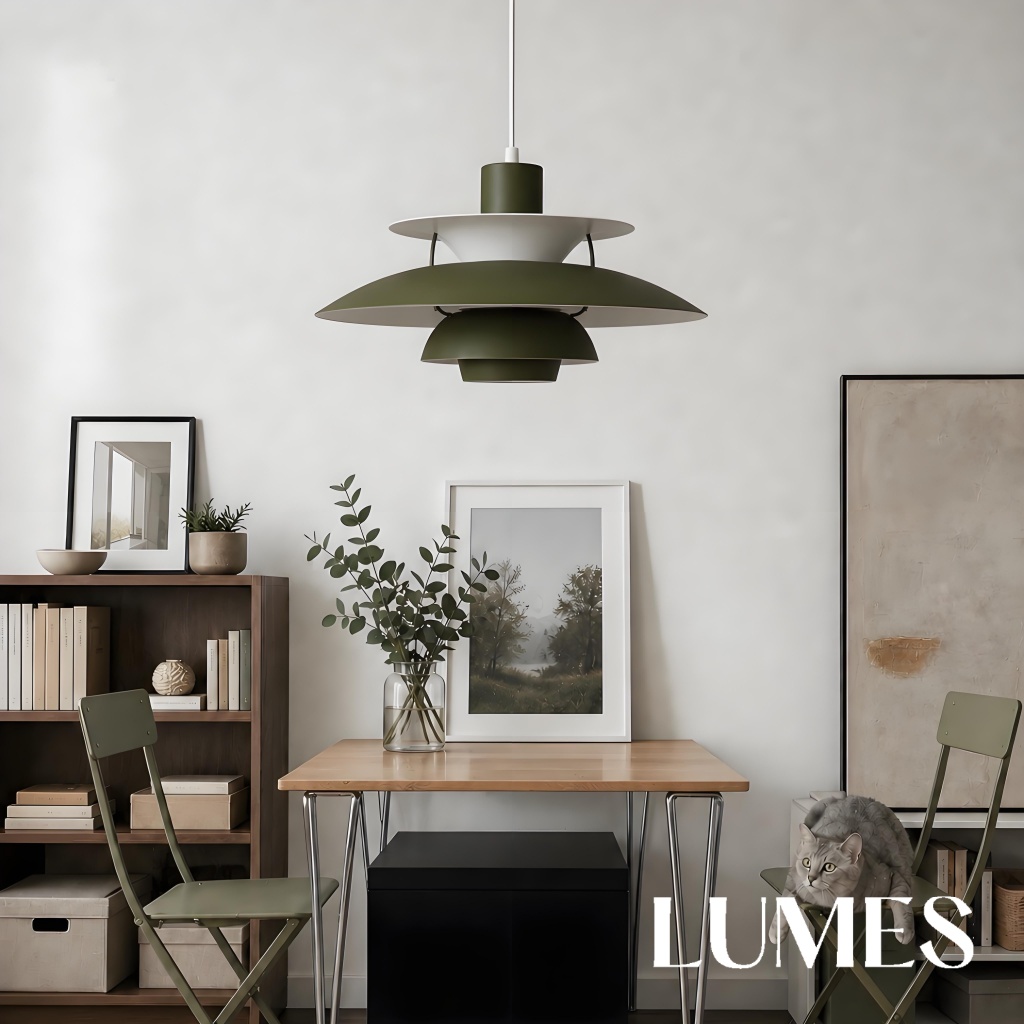
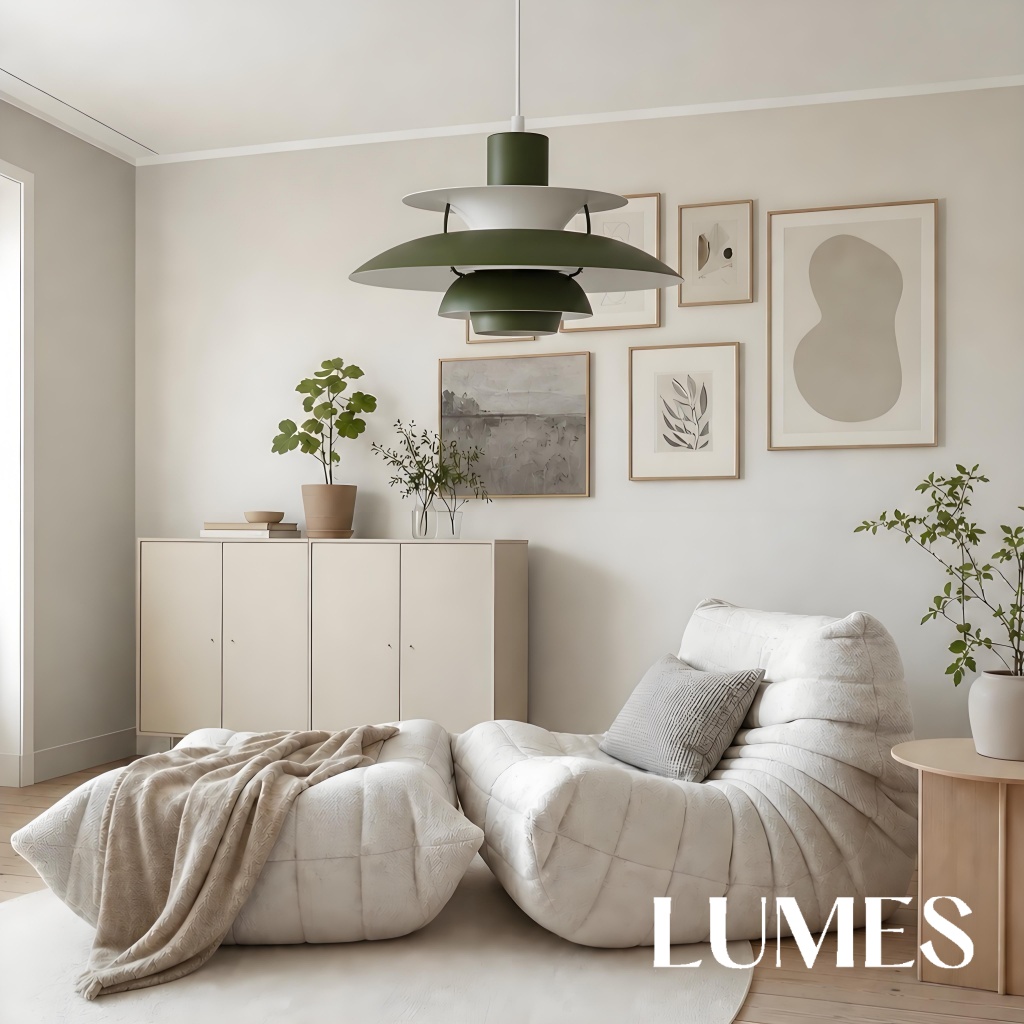
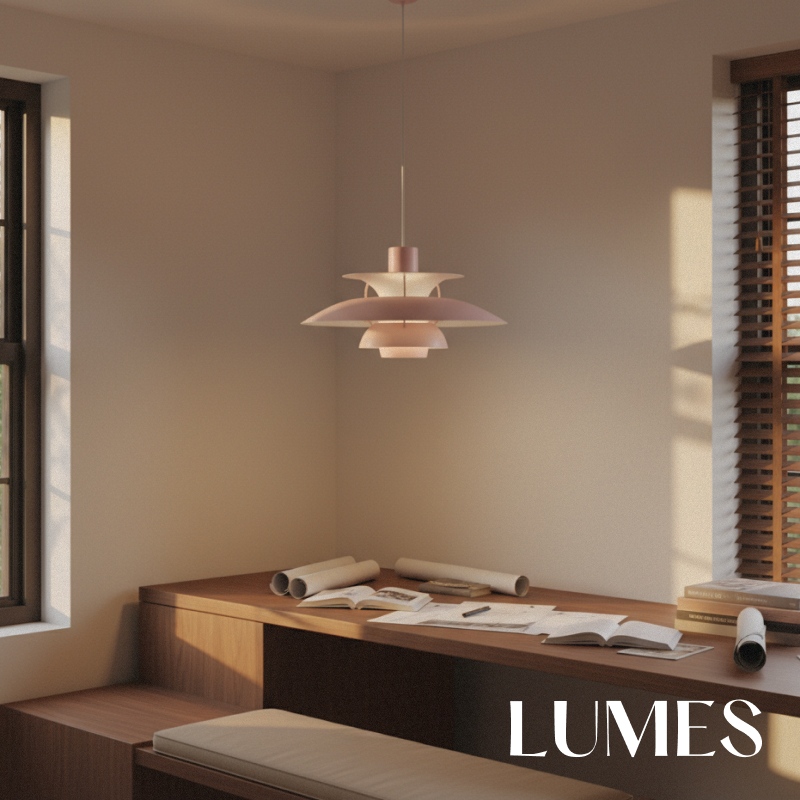
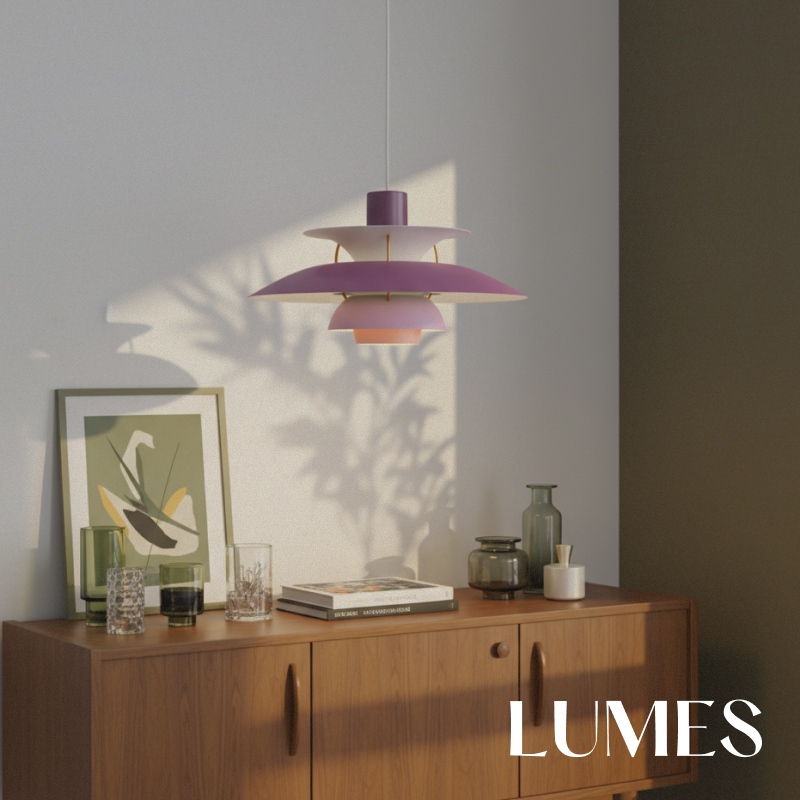
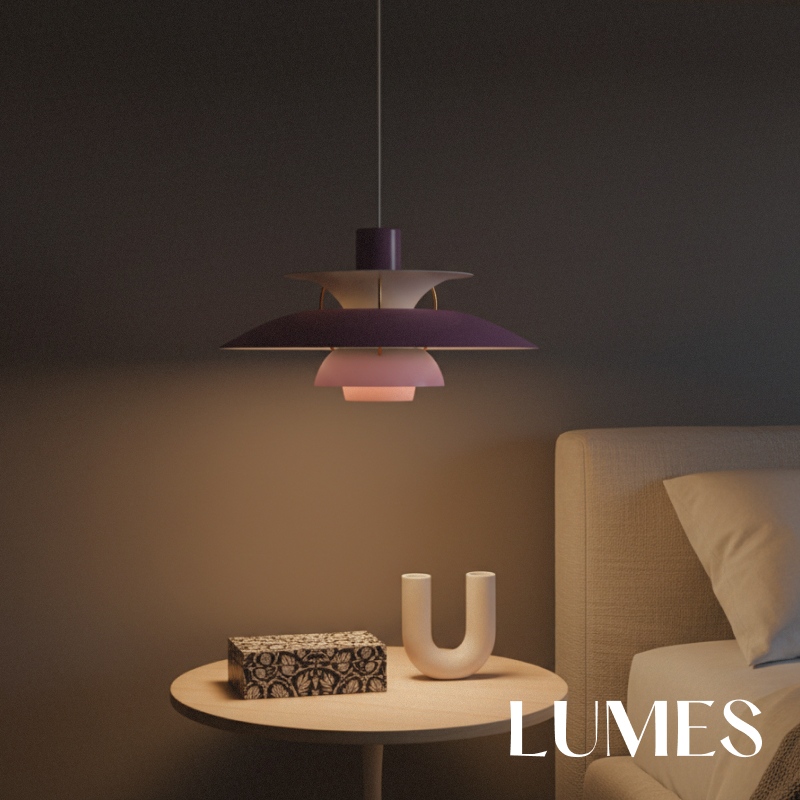
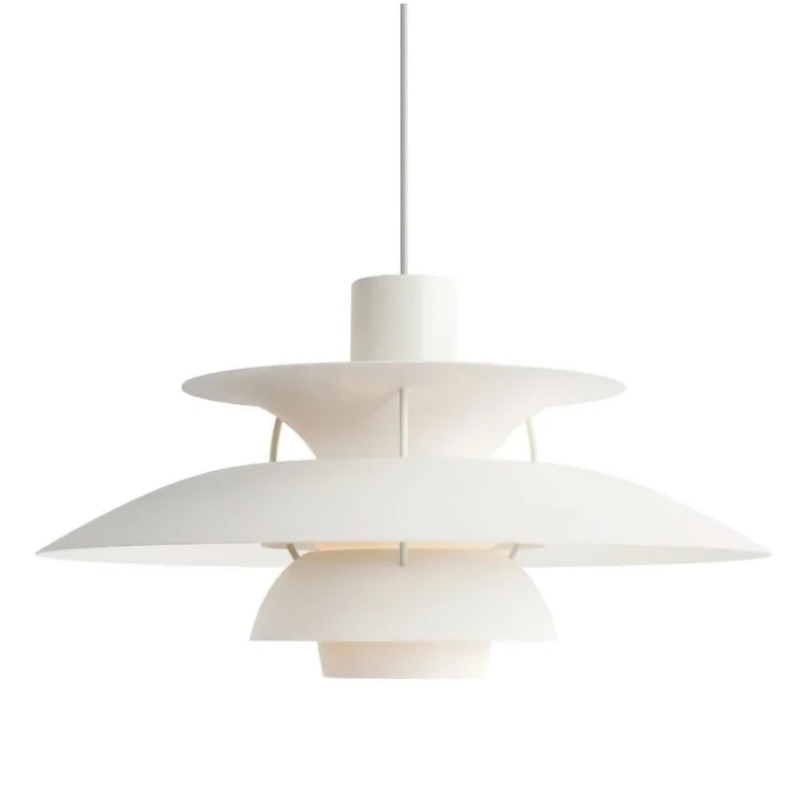
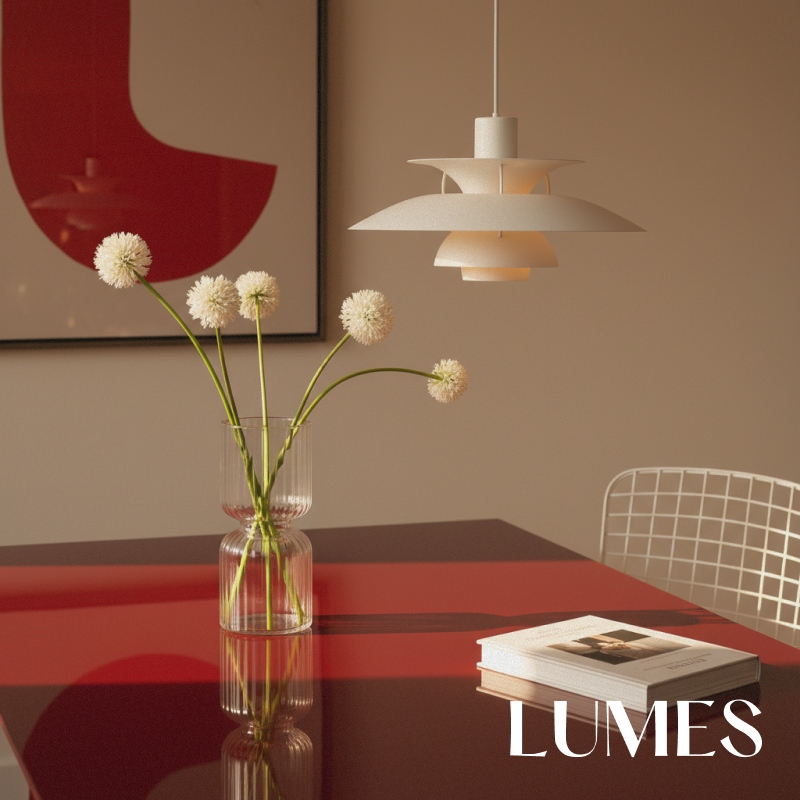
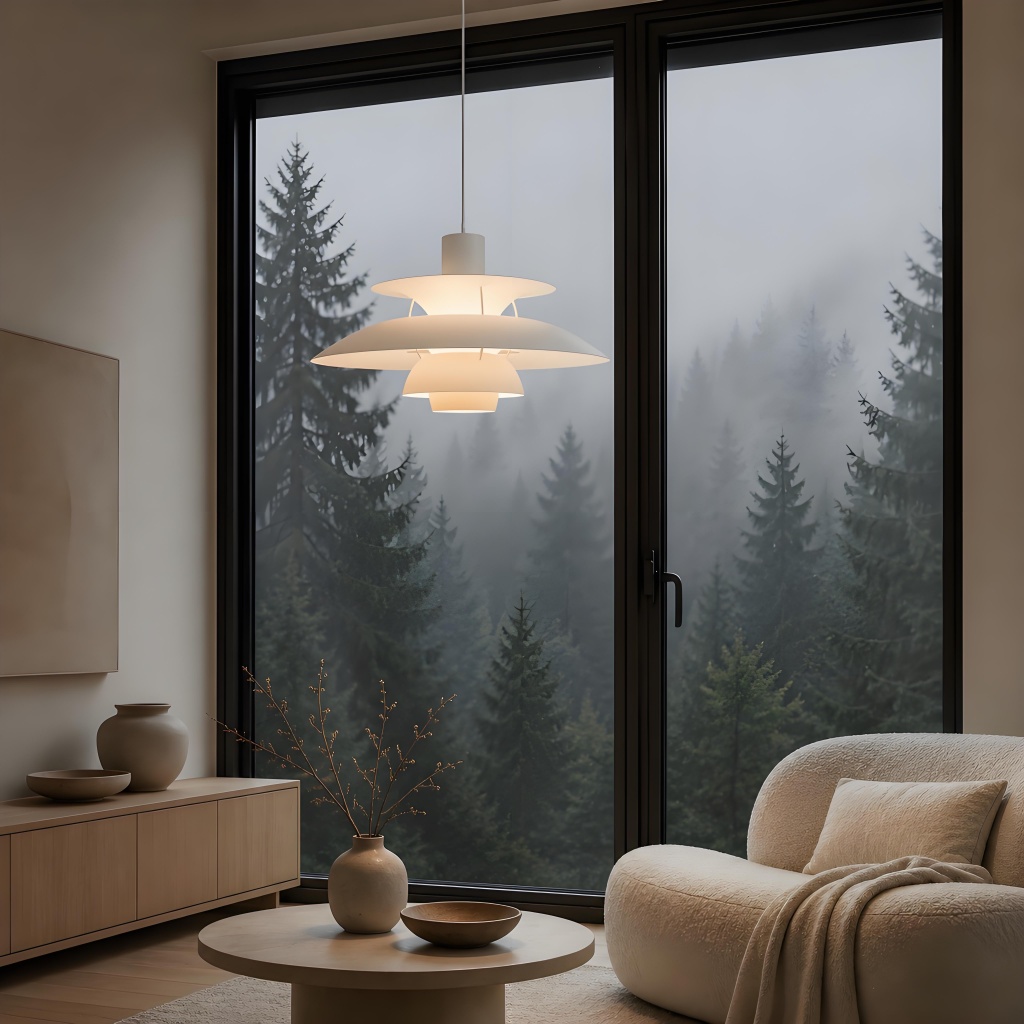
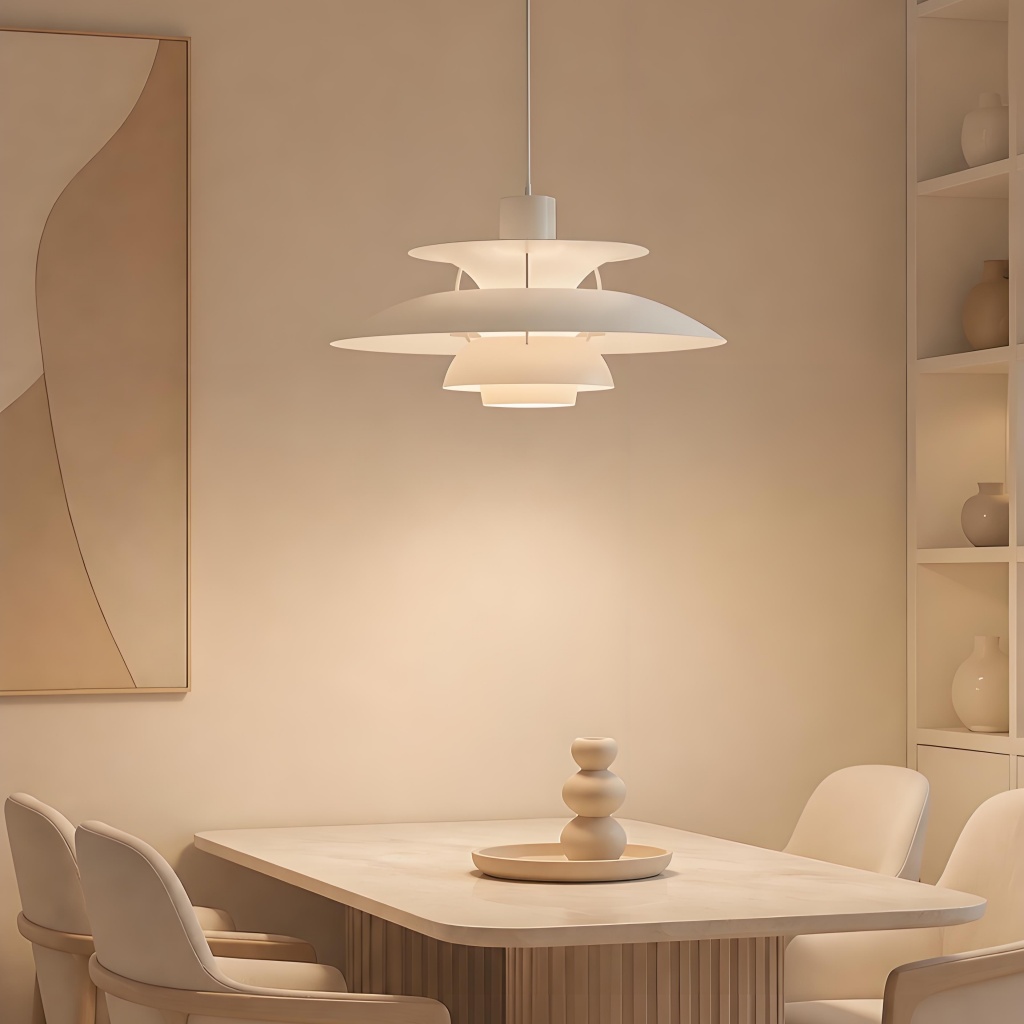
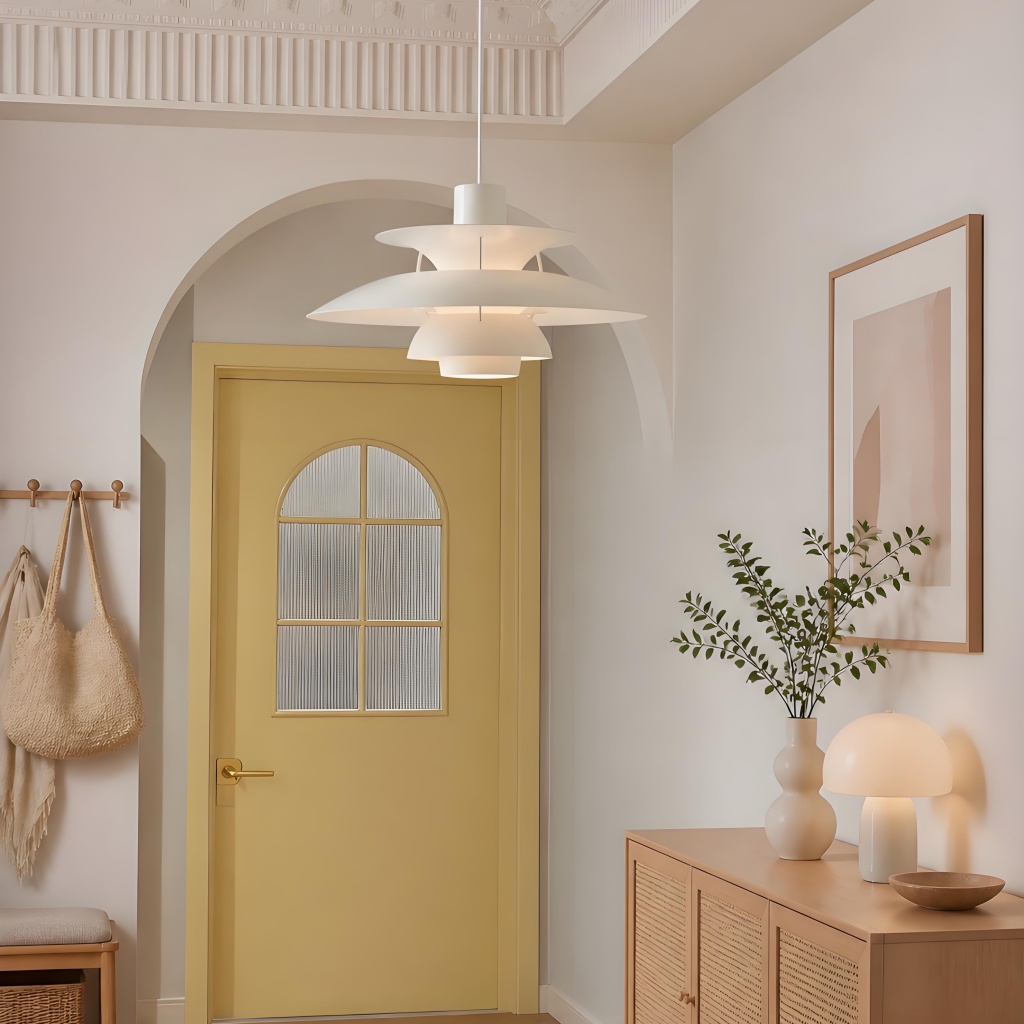
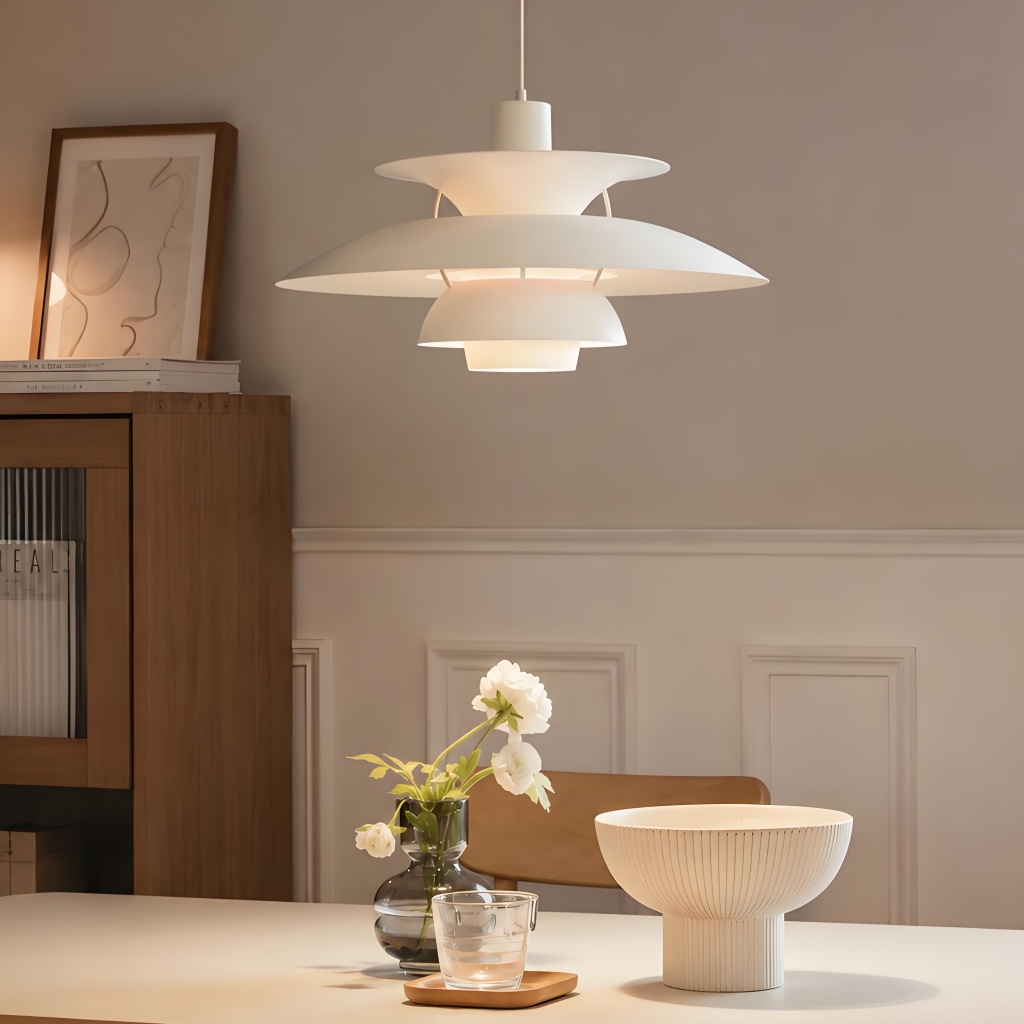
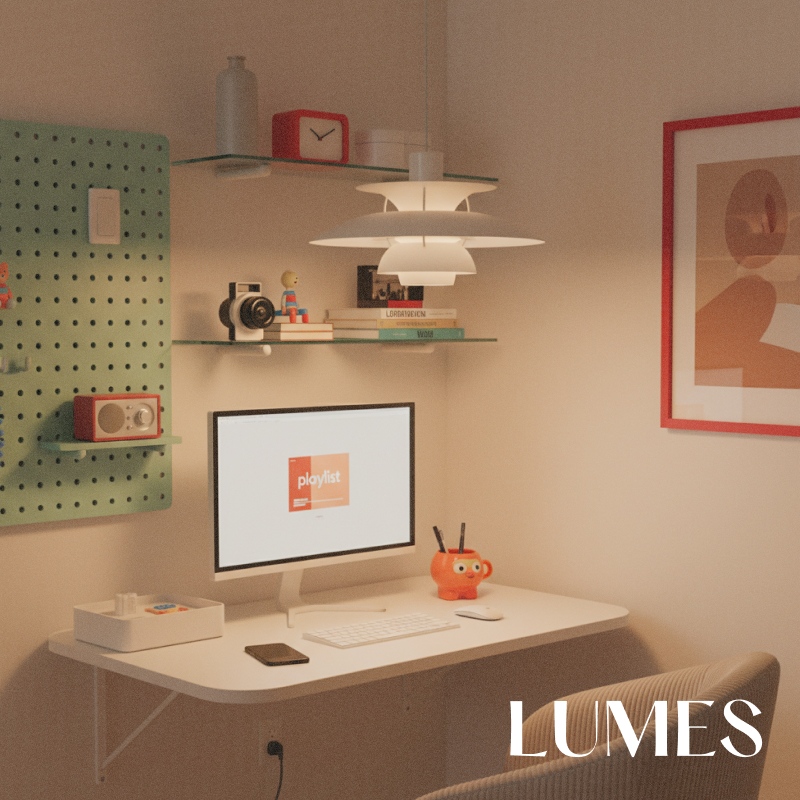
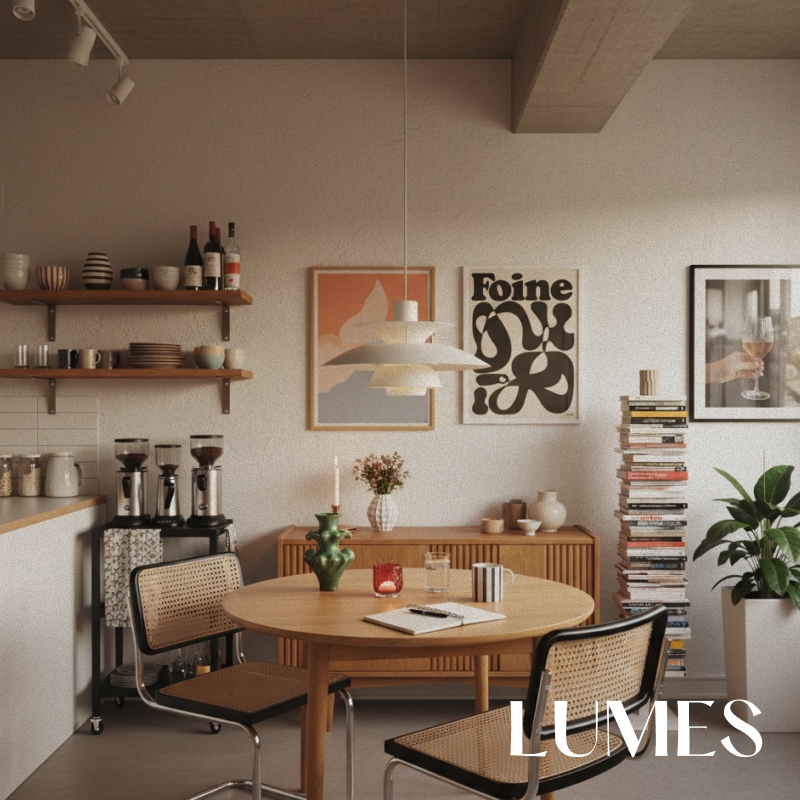
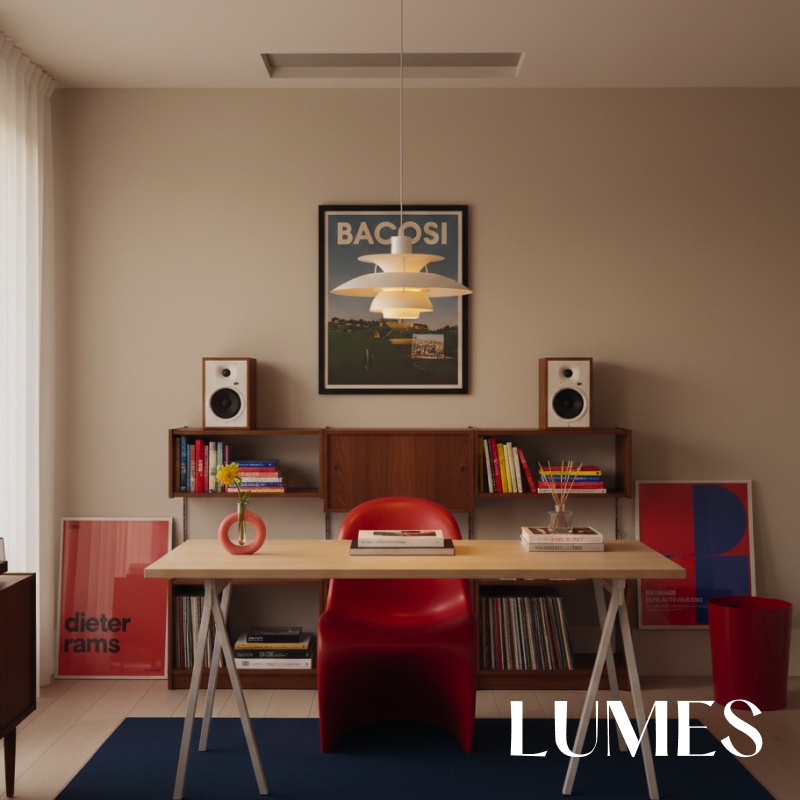
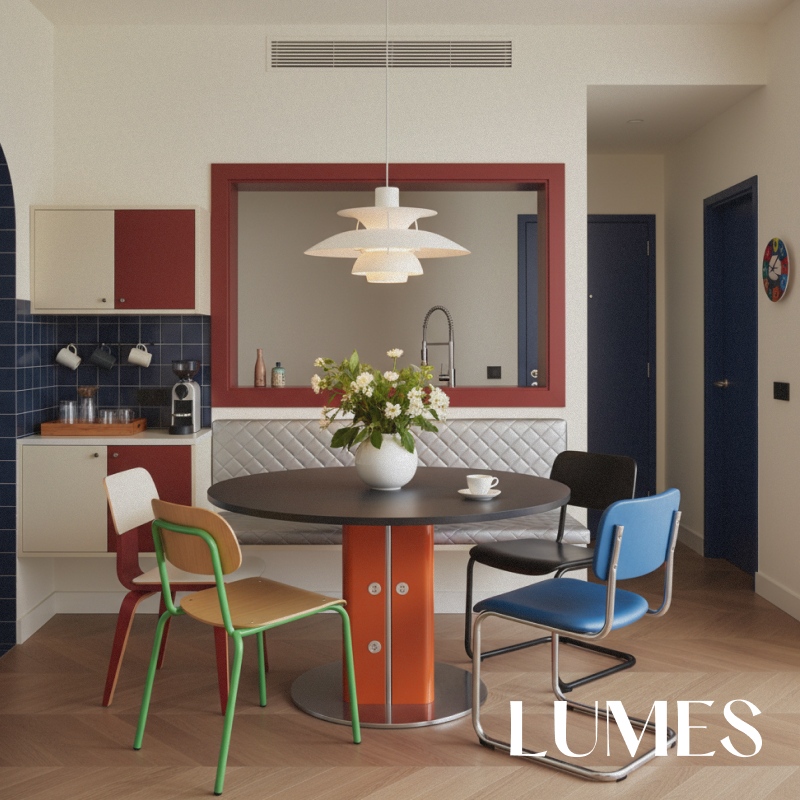
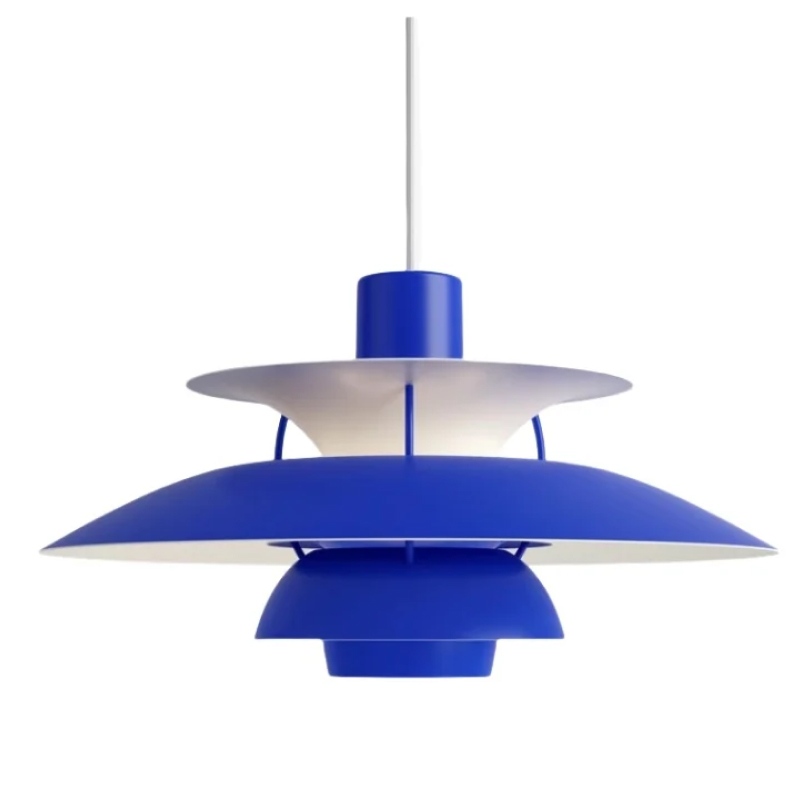
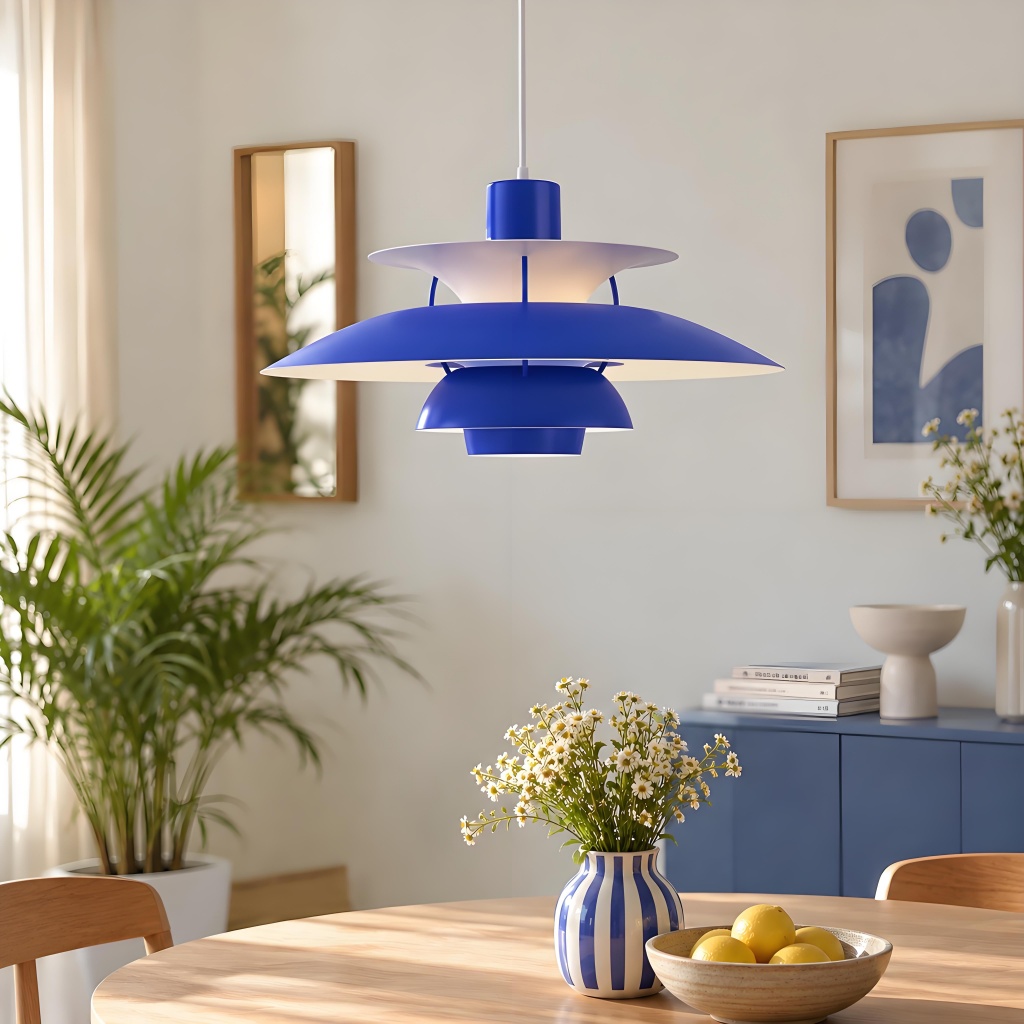
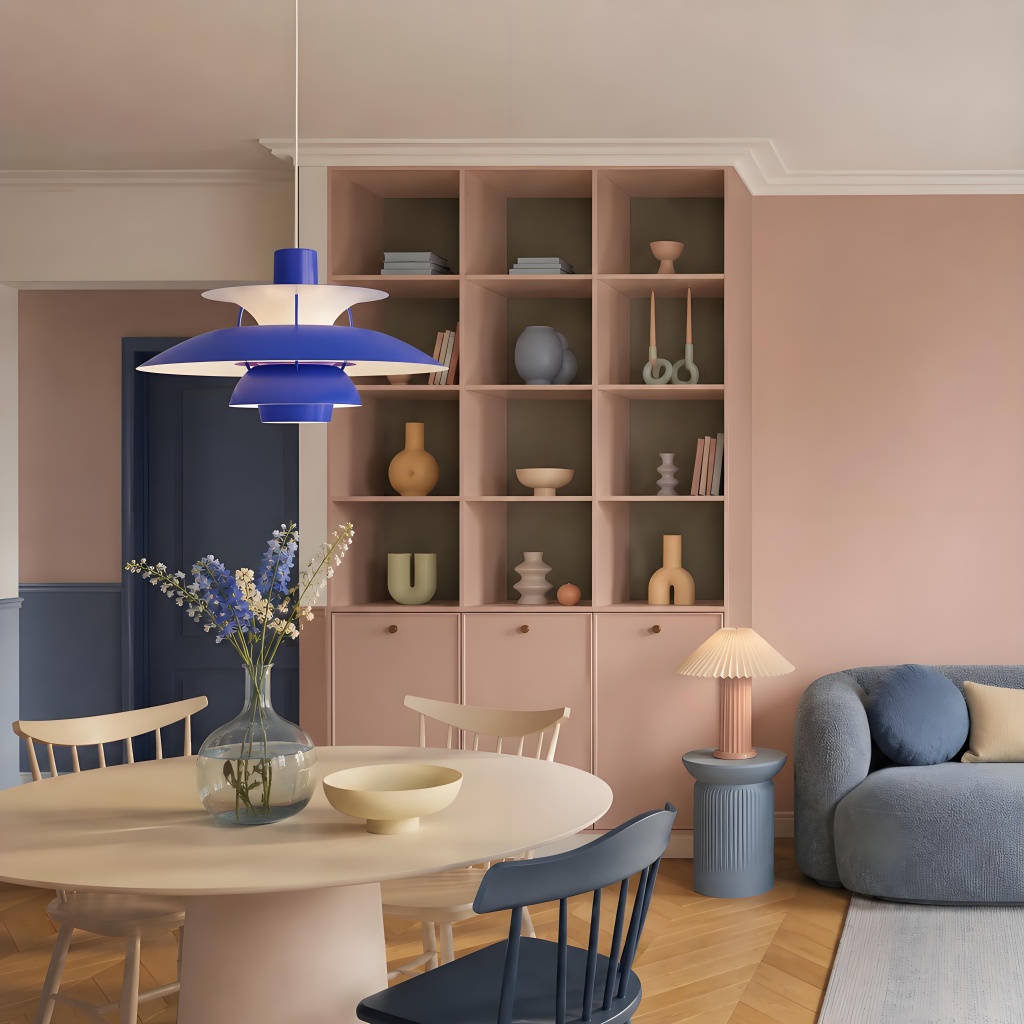
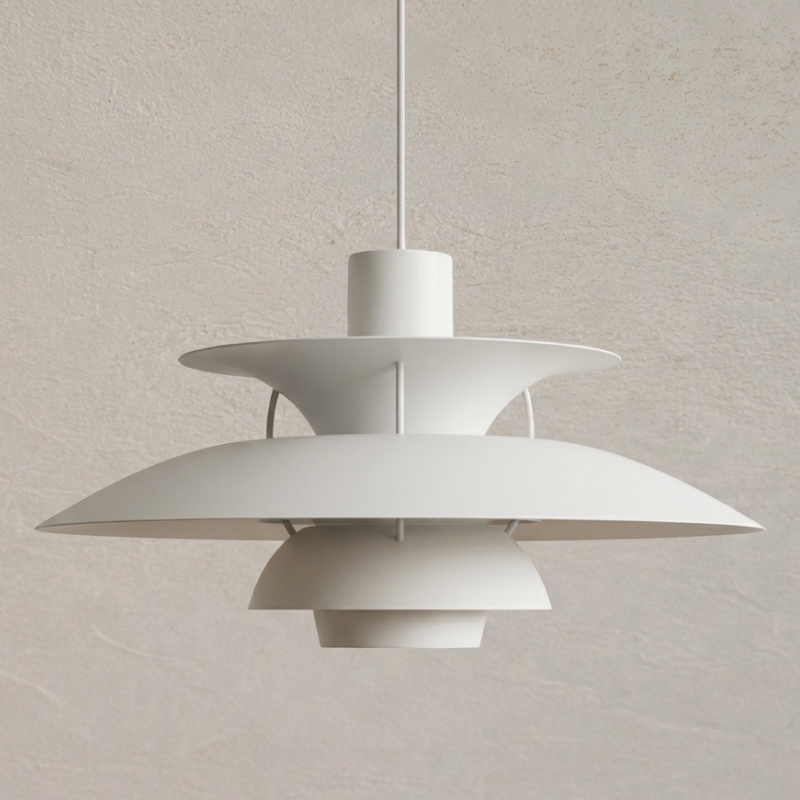
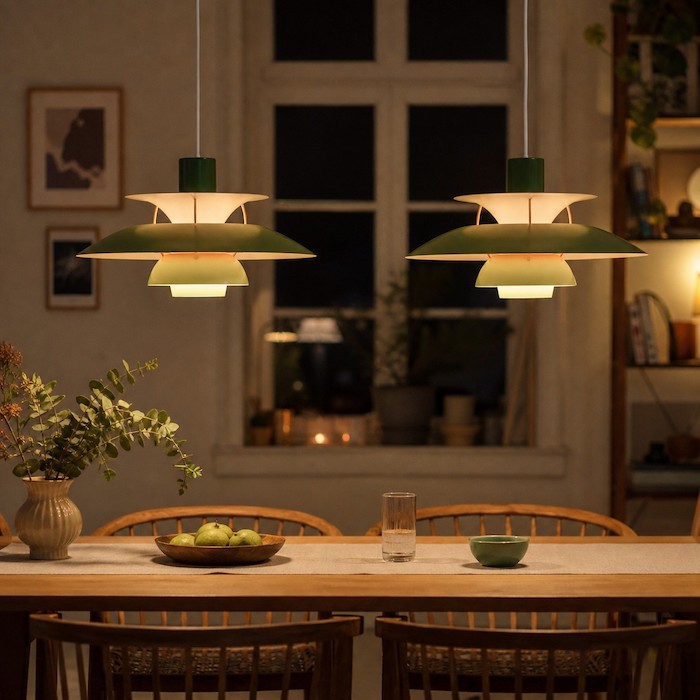
The Danish-inspired layered metal pendant light fits this comfort-led approach with a multi-layer metal shade, aluminum details, and an E27 bulb format that lets you choose a warm bulb for dining and living spaces.
Where Glare-Free Lighting Helps Most
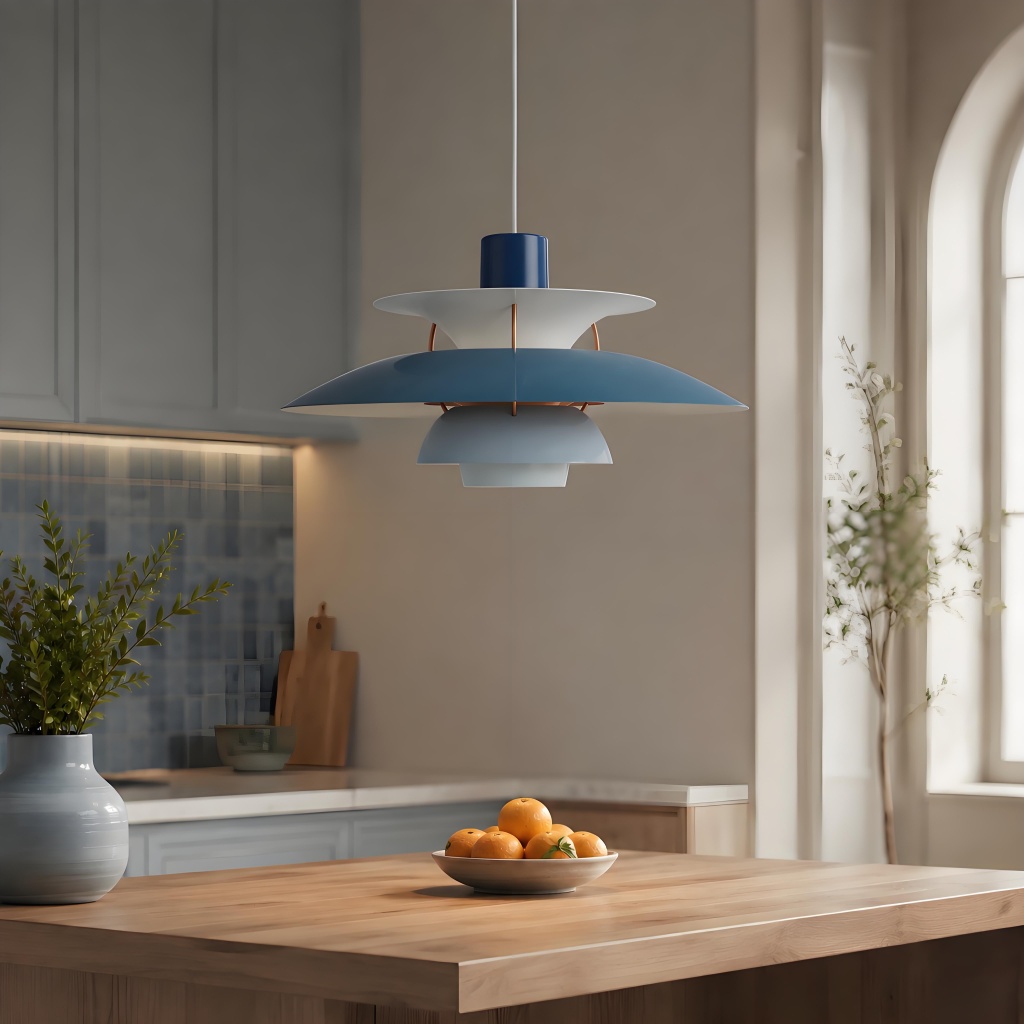
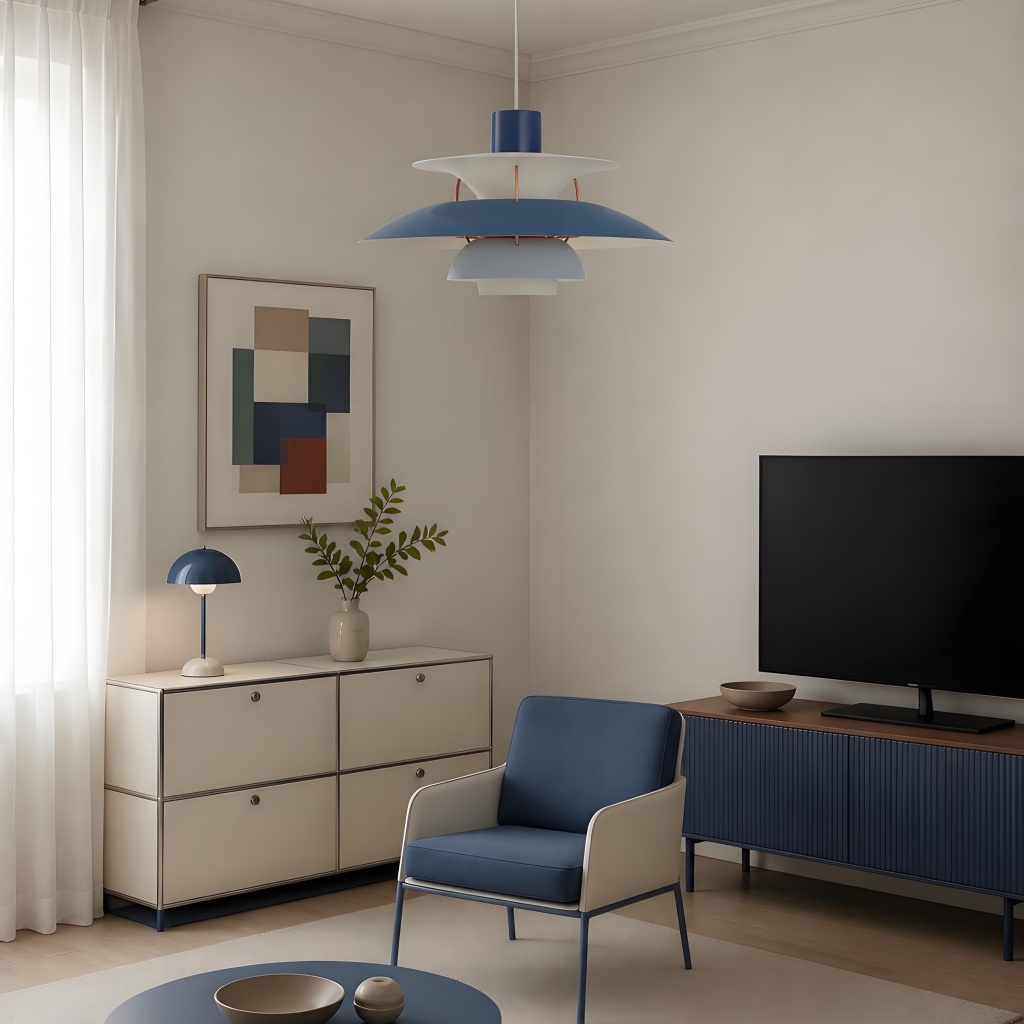
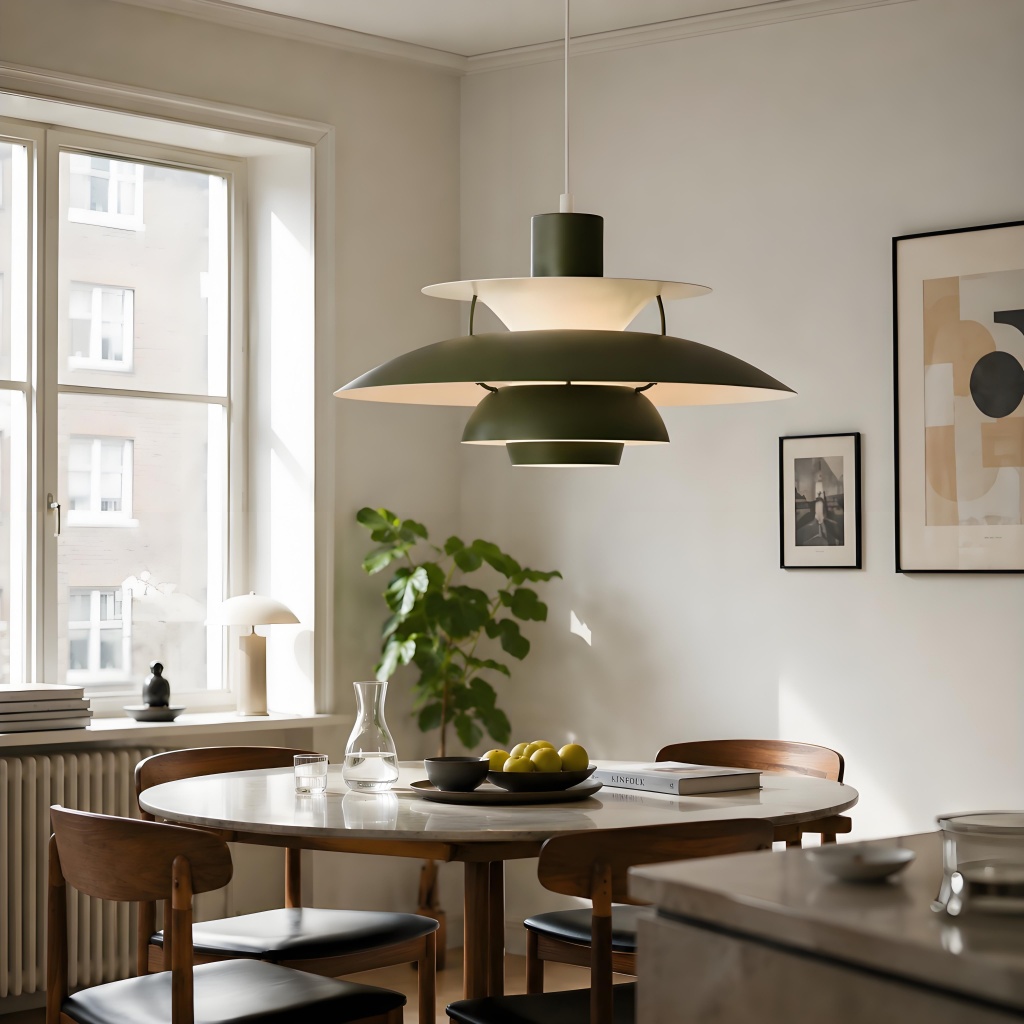
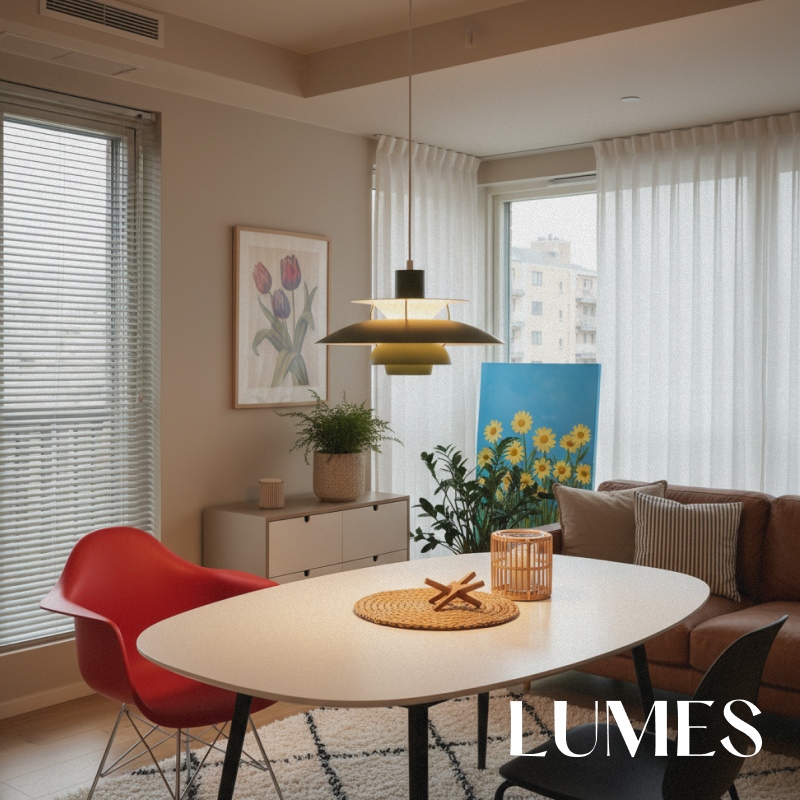
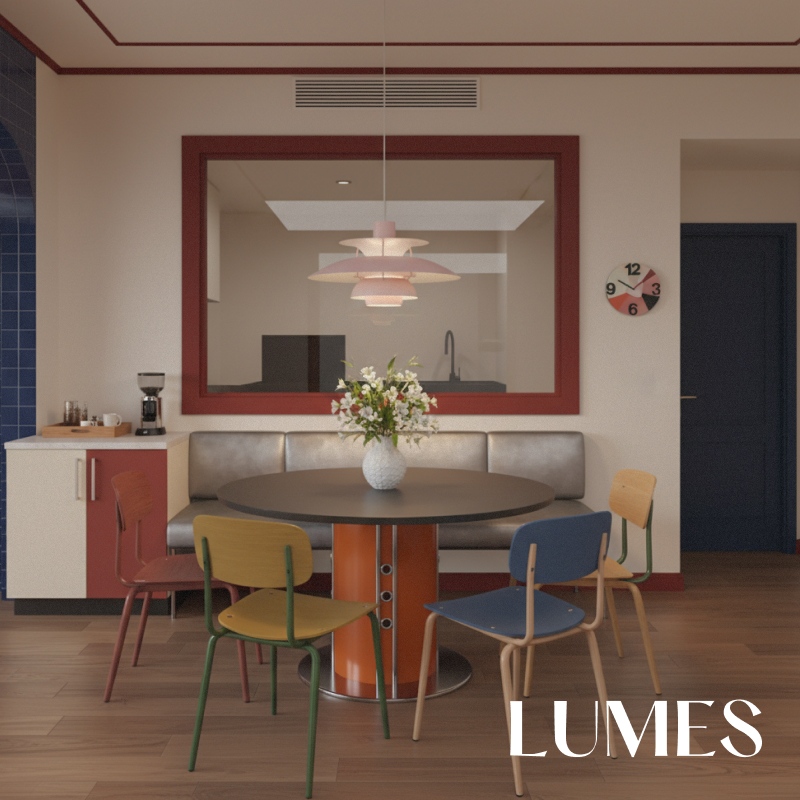
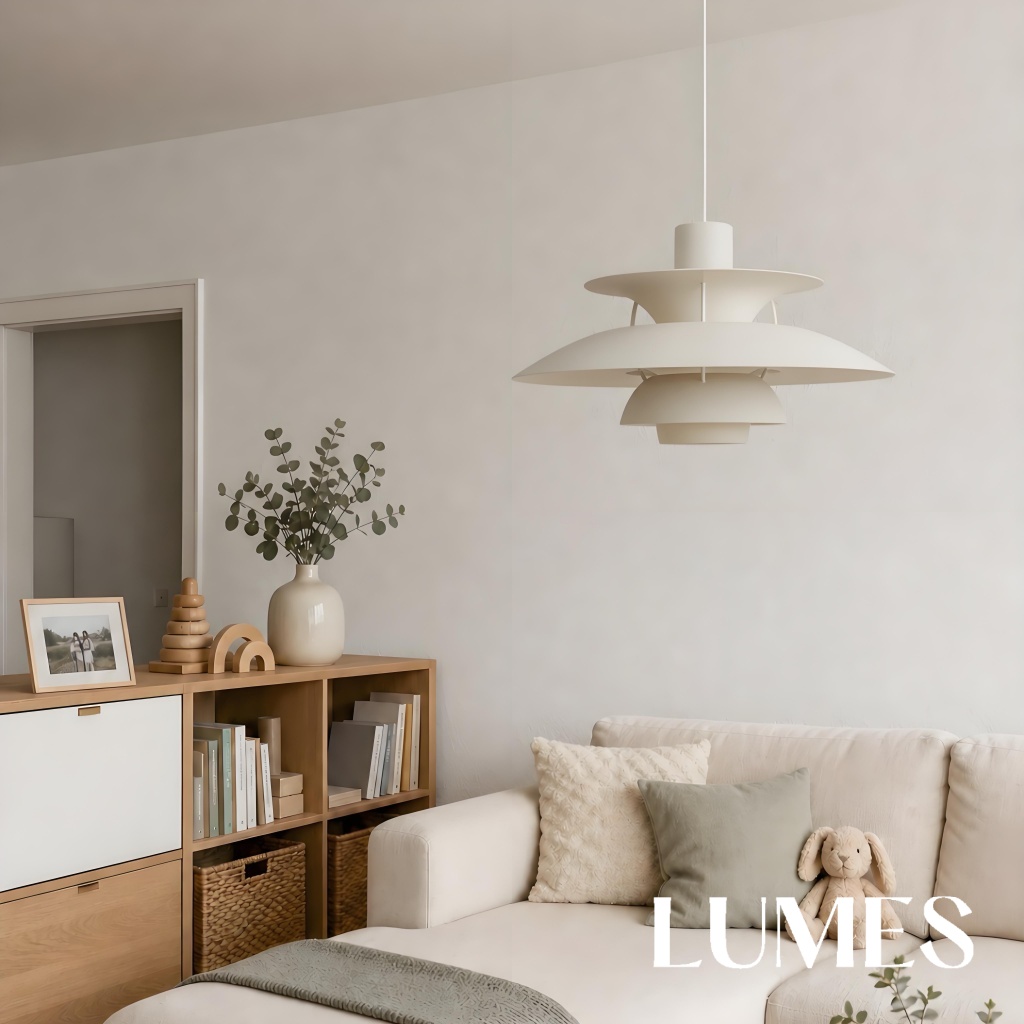
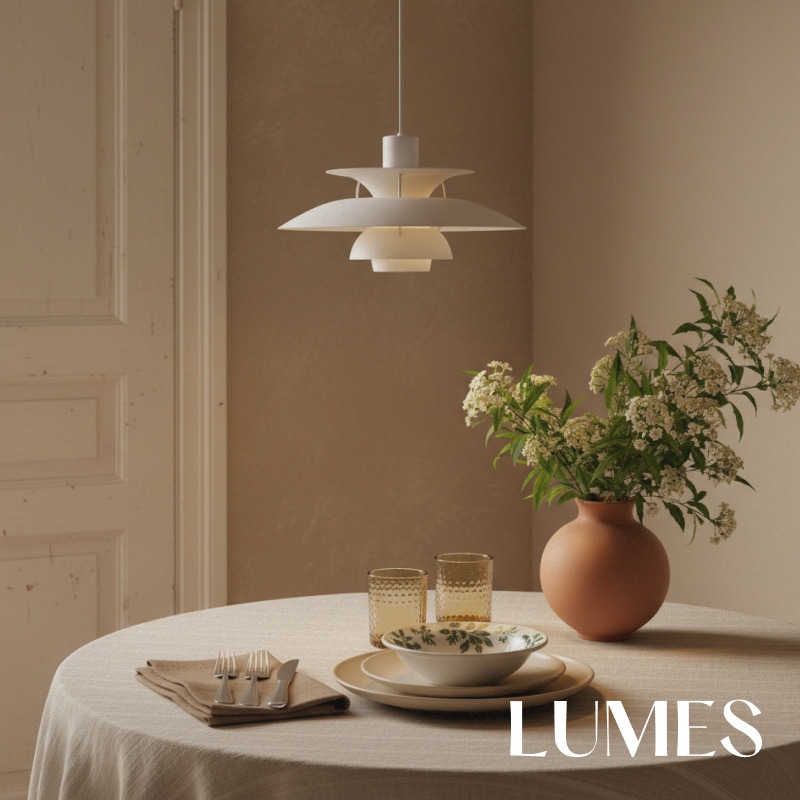
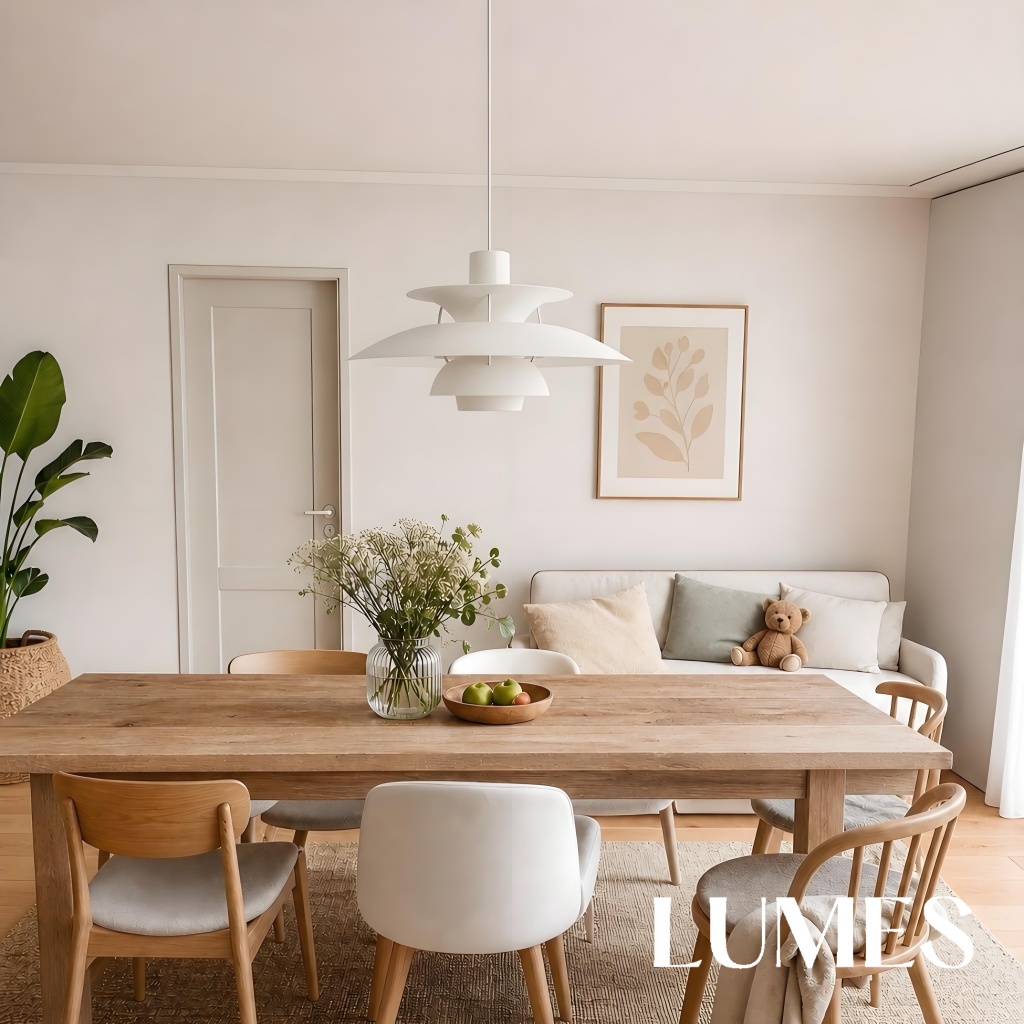
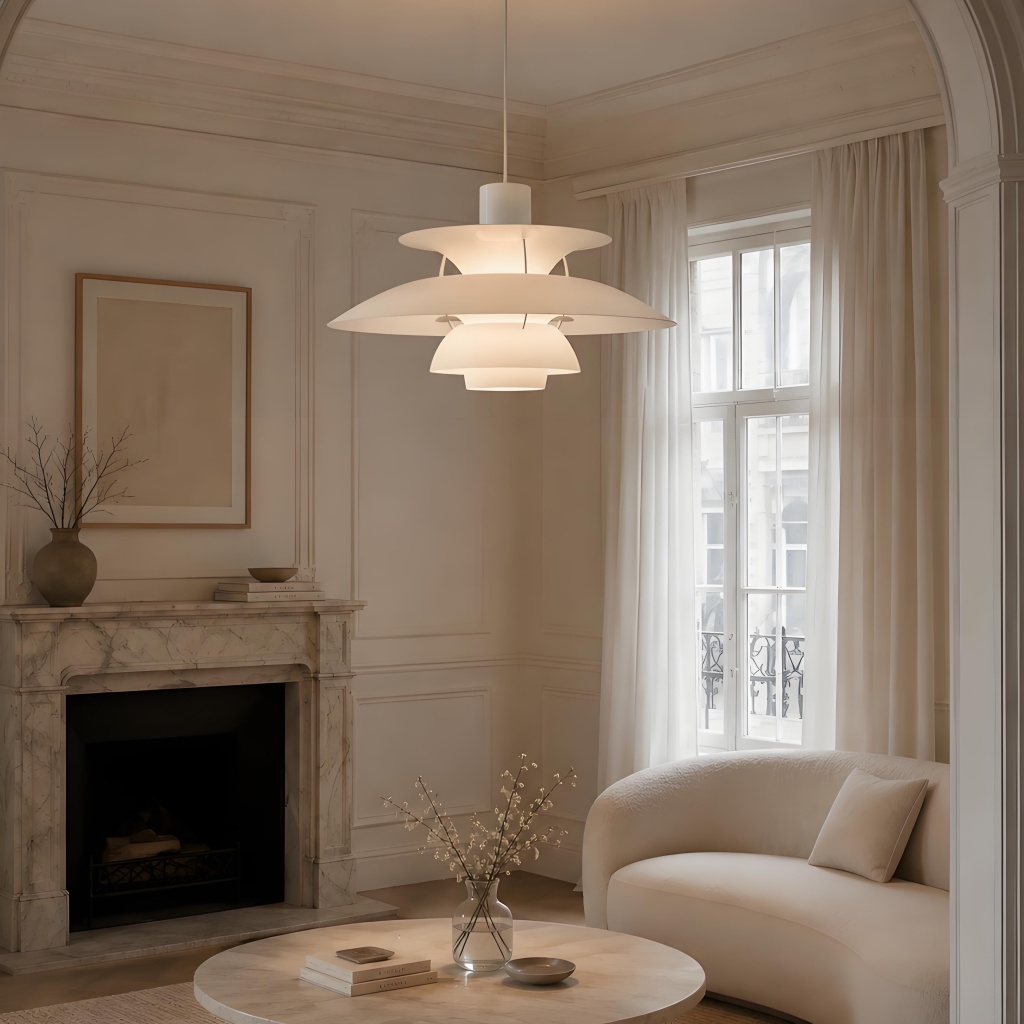
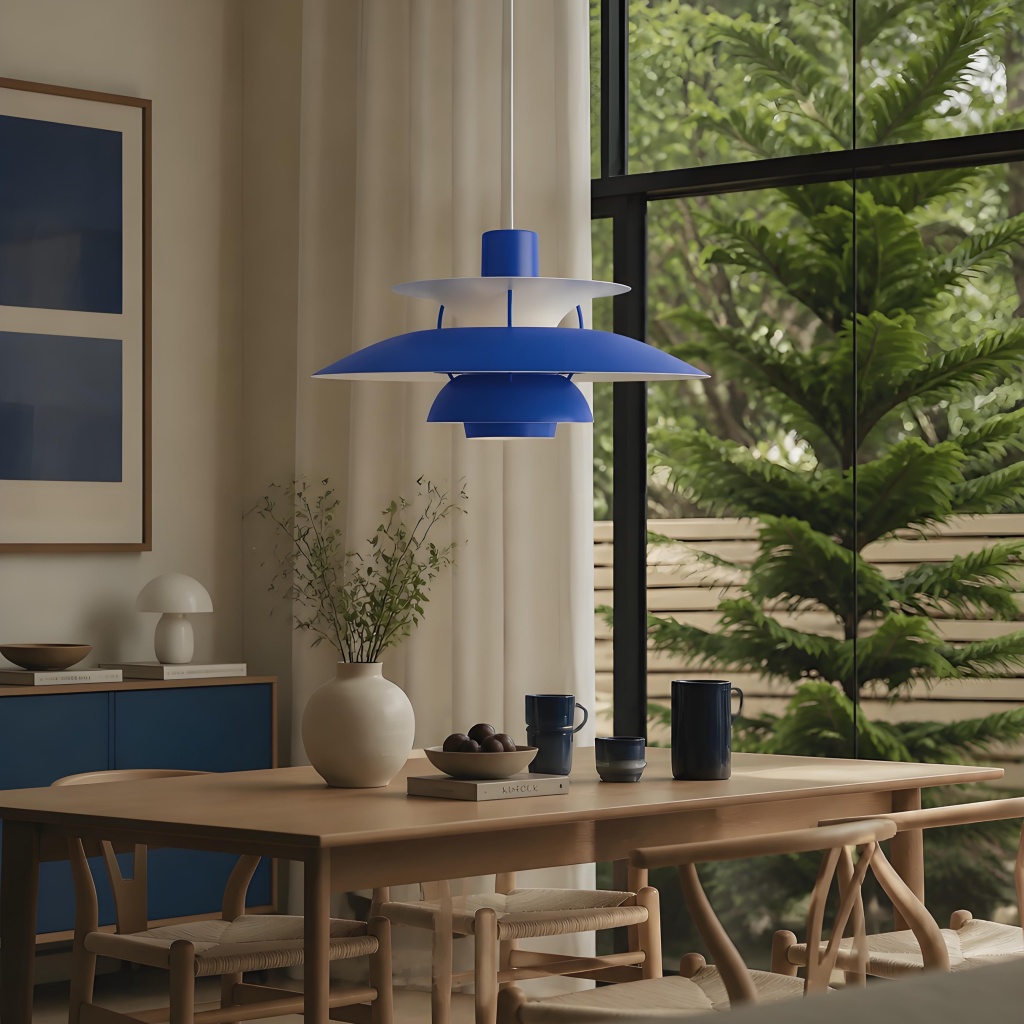
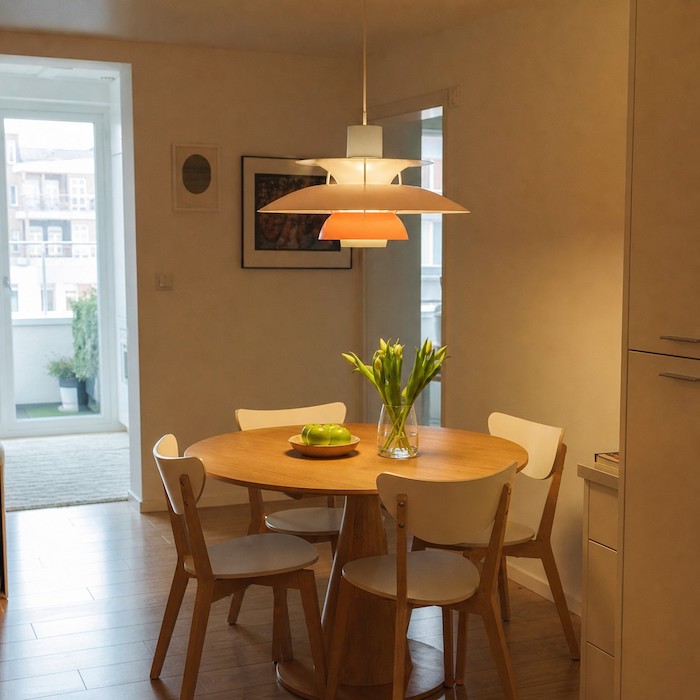
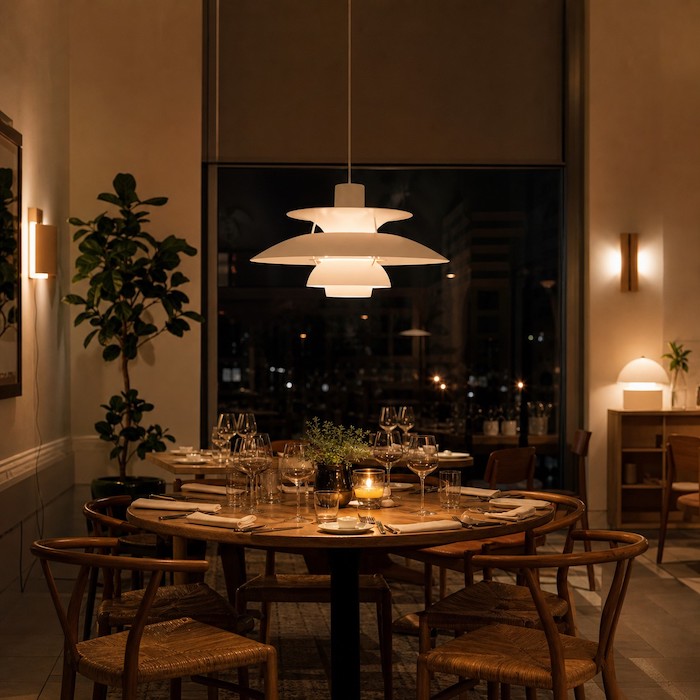
Dining rooms are the clearest use case because the fixture sits close to seated eye level. Kitchen islands also benefit, especially when people stand, prepare food, and talk across the counter. In living rooms, a softened pendant can mark a seating zone without making the ceiling feel aggressive.
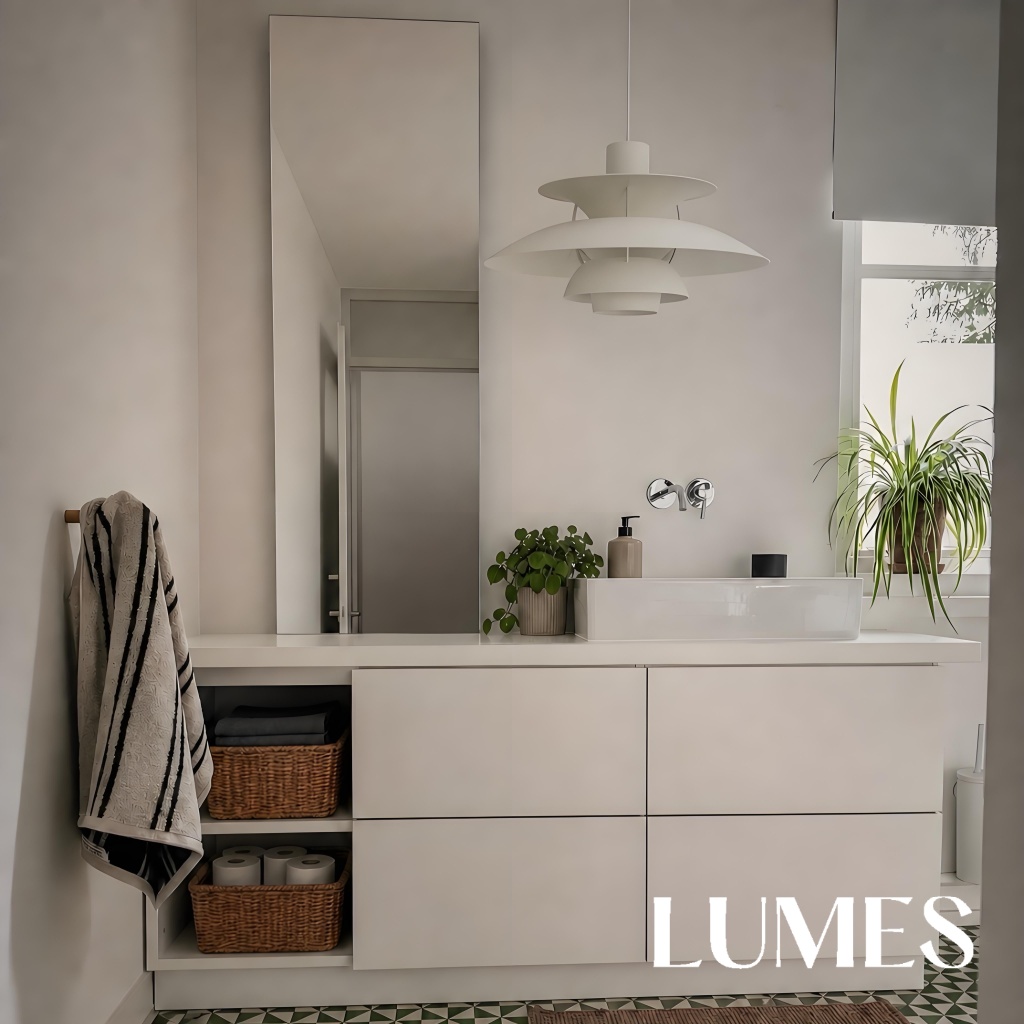
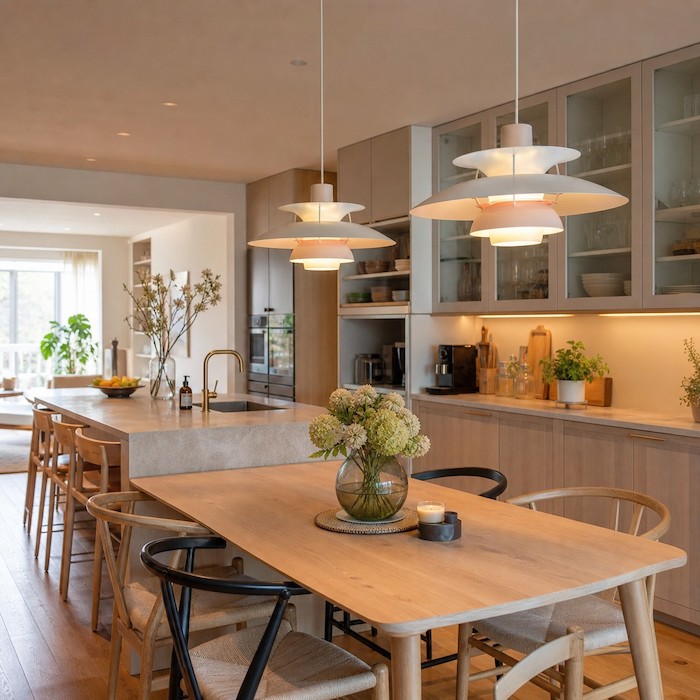
Reflective rooms need even more care. Pale stone, glossy tile, glass-front cabinets, chrome appliances, and polished tables can multiply harsh spots. A layered metal shade gives the light more surfaces to touch before it reaches those materials.
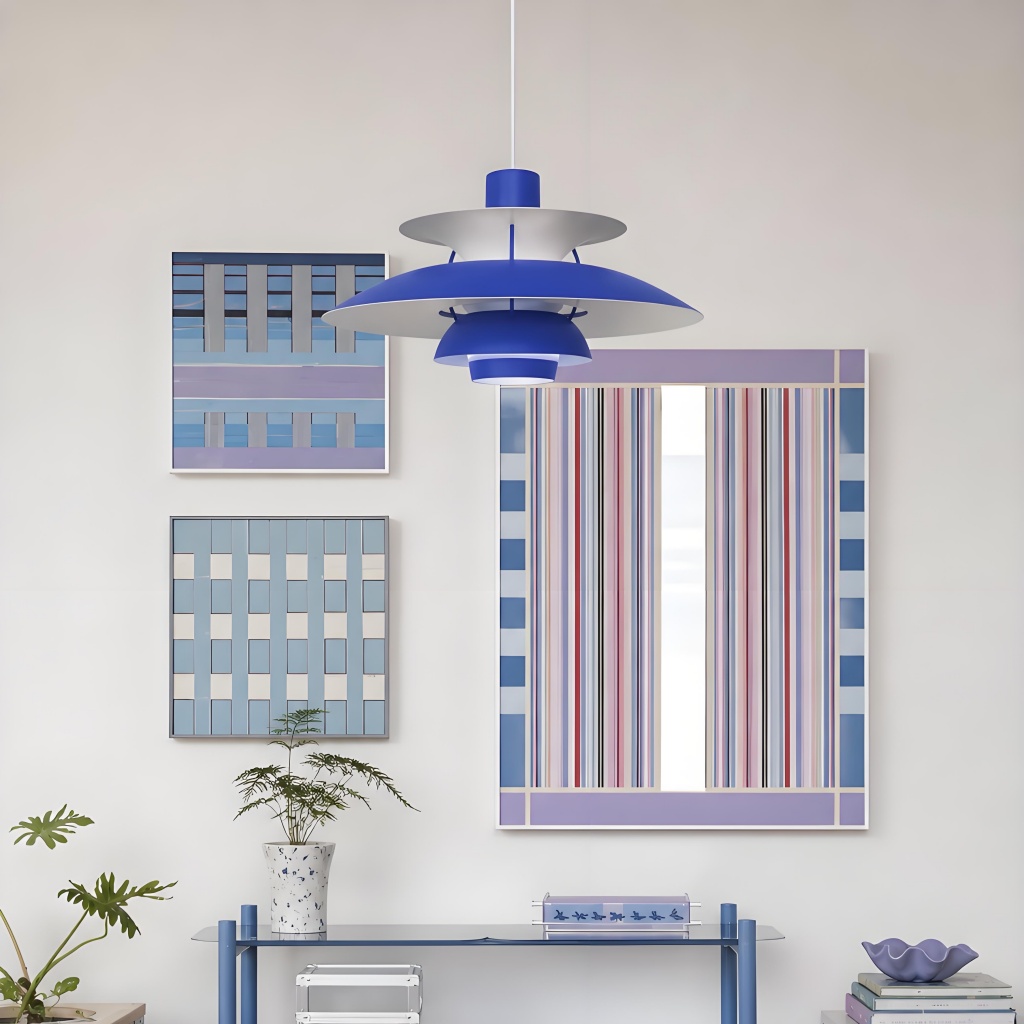
For placement and material pairing, How to Style Layered Pendant Lights Like an Interior Designer continues from comfort into room styling.
When a Pendant Alone Is Not Enough
A pendant should not be forced to do every job. If you need bright task light for sewing, paperwork, or detailed kitchen prep, add a dedicated task source. If a large room feels dim, add wall, table, or floor lighting instead of simply installing a stronger bulb in the pendant.
Ceiling height also matters. In very low rooms, a suspended fixture can interrupt sightlines. In that case, use the layered pendant over a defined surface such as a table rather than in a walkway.
Recommended Product
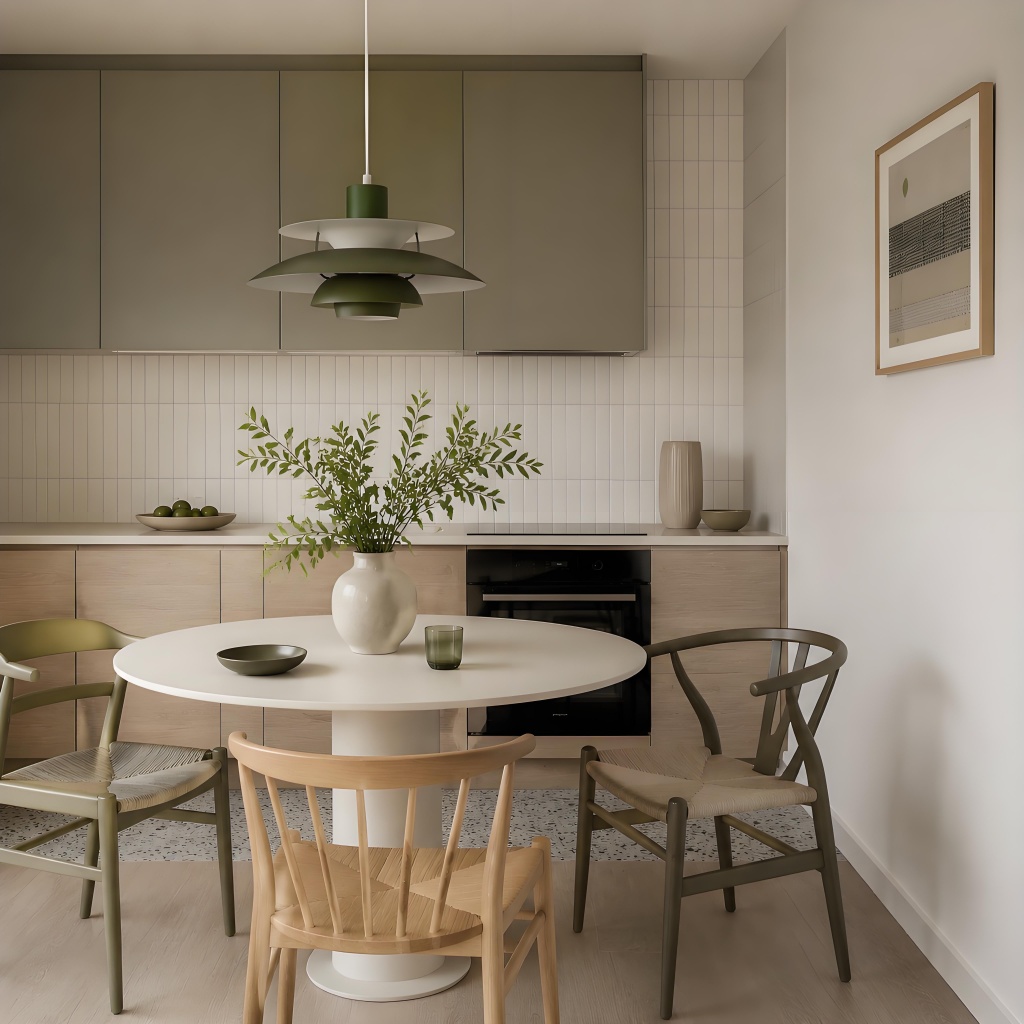
Choose the Danish-inspired layered metal pendant if you want a dining or kitchen light that feels sculptural without being visually harsh. Its layered shade language suits Scandinavian, warm modern, retro-modern, and minimalist interiors.
For the best result, pair the layered metal pendant light with a warm E27 bulb, hang it at a comfortable table height, and use supporting lamps so the whole room feels balanced.
People Also Ask: Glare-Free Pendant Lighting
What does glare-free lighting mean?
It means the fixture reduces harsh direct brightness so the room feels softer and easier on the eyes.
Are layered pendant lights good for dining rooms?
Yes. They soften the light above food and faces while creating a calm visual center over the table.
What bulb works best for a layered pendant?
A warm E27 bulb around 2700K to 3000K is usually the safest starting point for dining and living rooms.
Can glare-free lighting still be bright enough?
Yes, but larger rooms usually need supporting lamps or wall lights so the pendant can stay comfortable.
How do I know if my pendant is causing glare?
Sit at the table and look across the room. If a bright bulb or reflection catches your eye immediately, the light needs better shielding or lower output.