


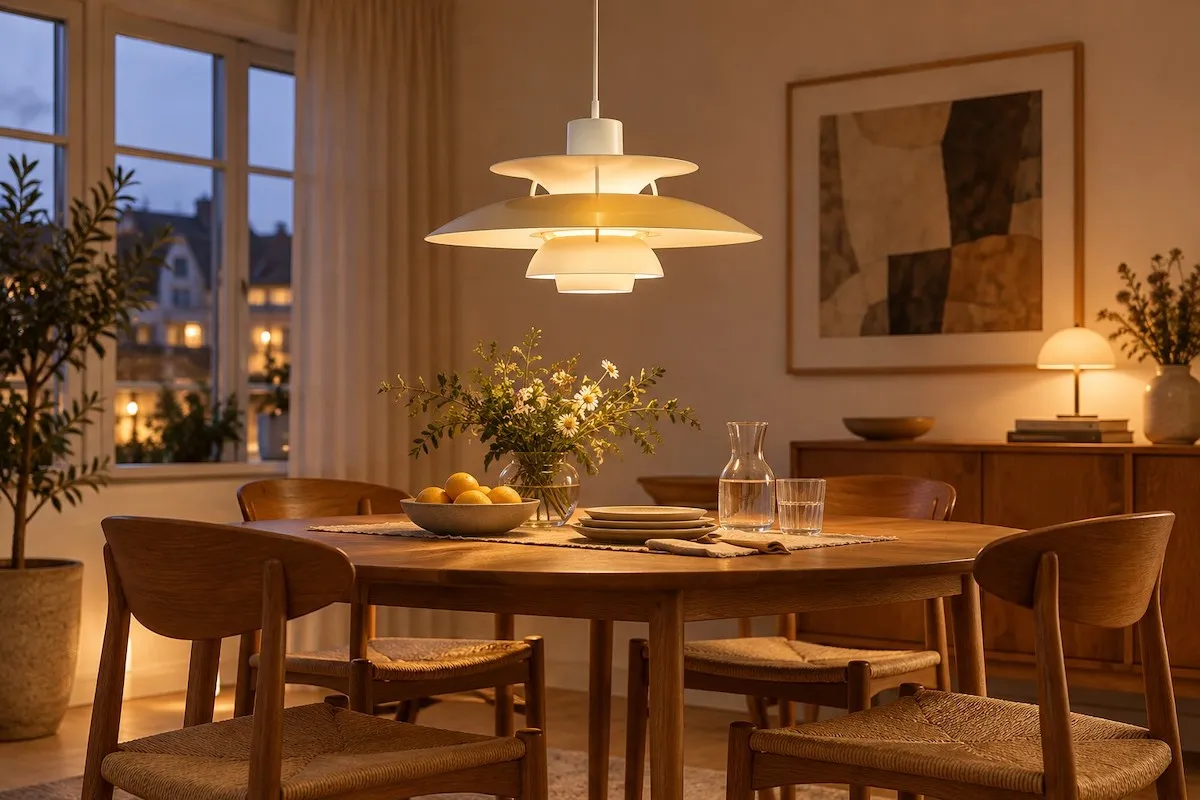
Lumes Design lighting guide
How High Should a Pendant Light Hang Over a Dining Table Before You Buy?
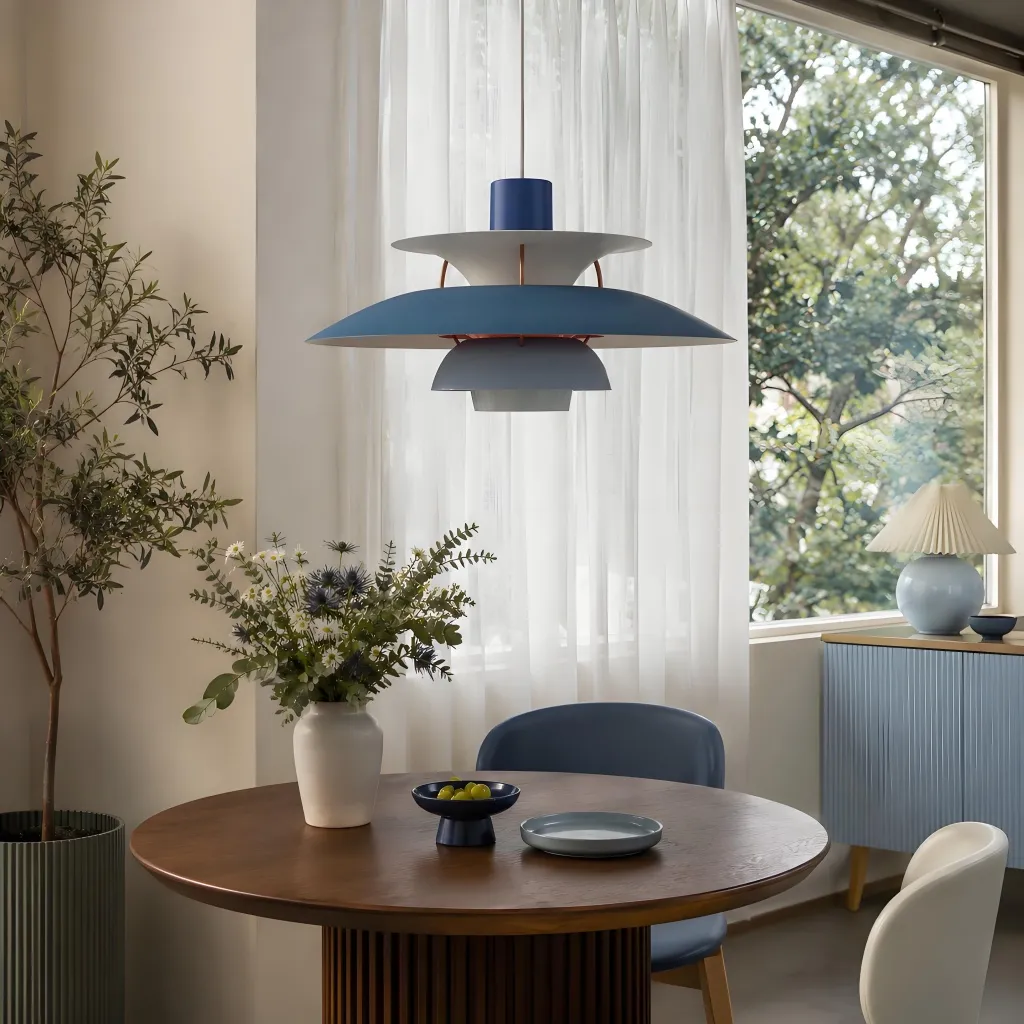
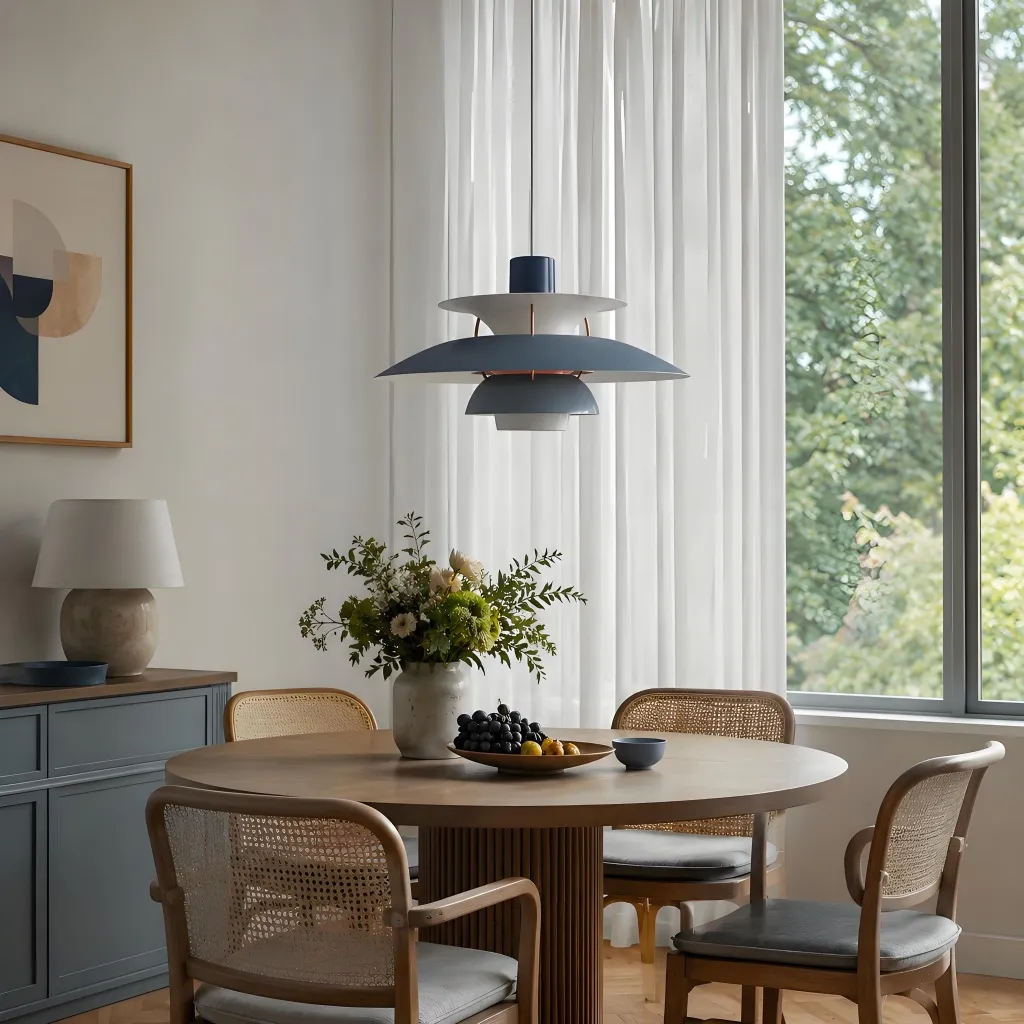
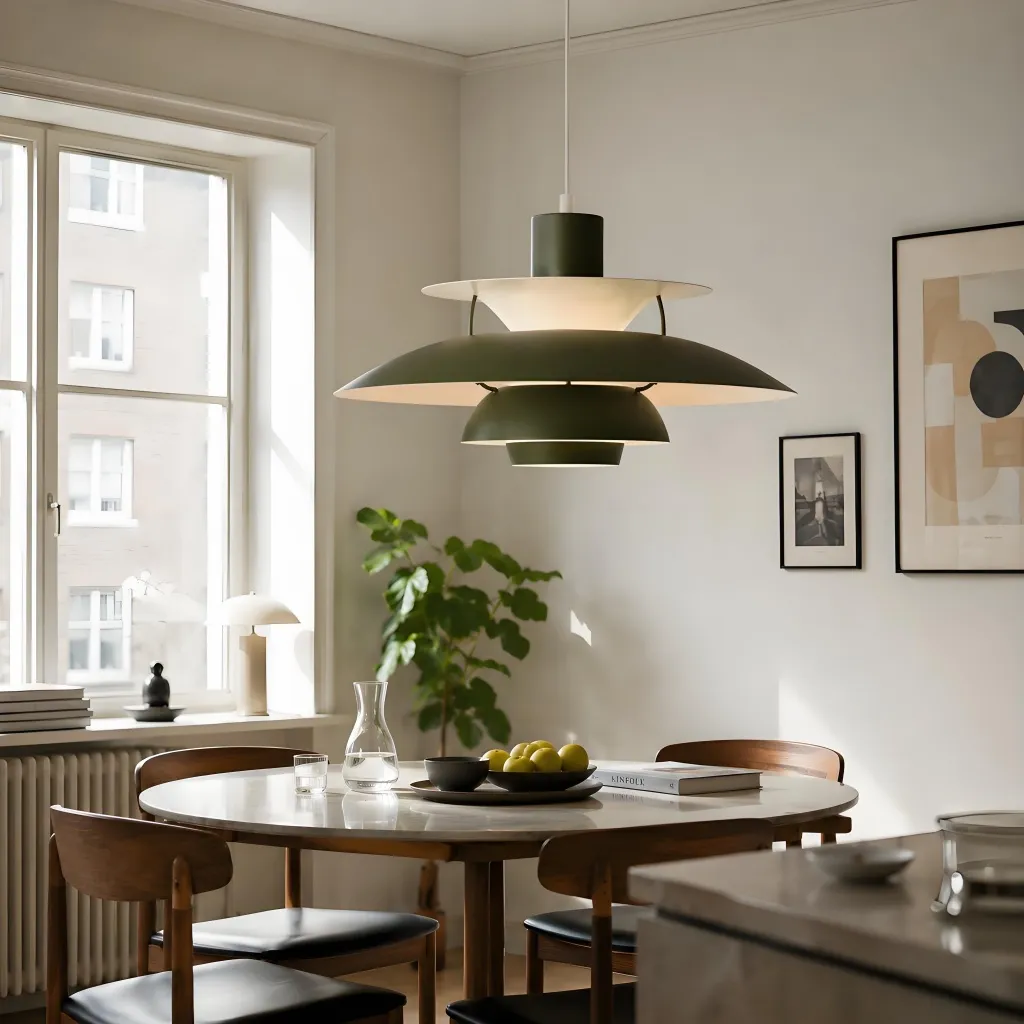
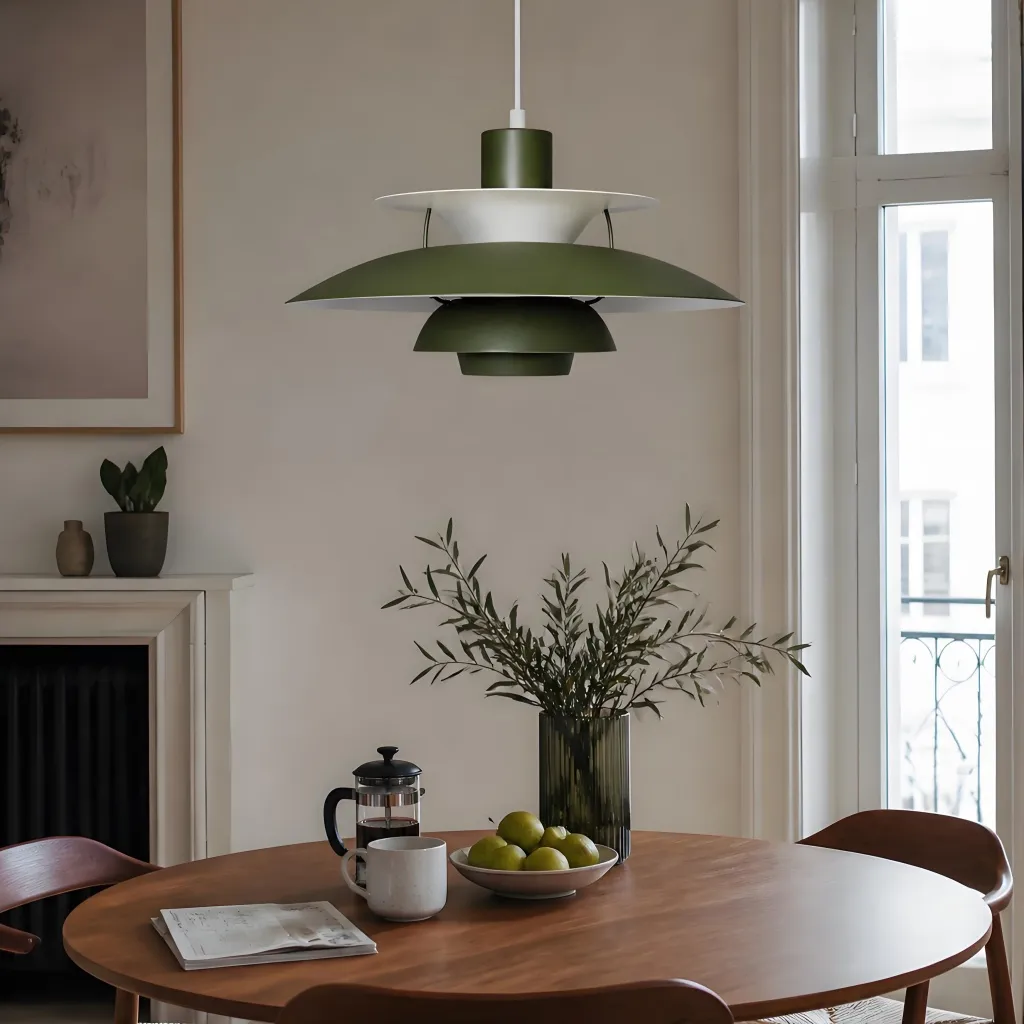
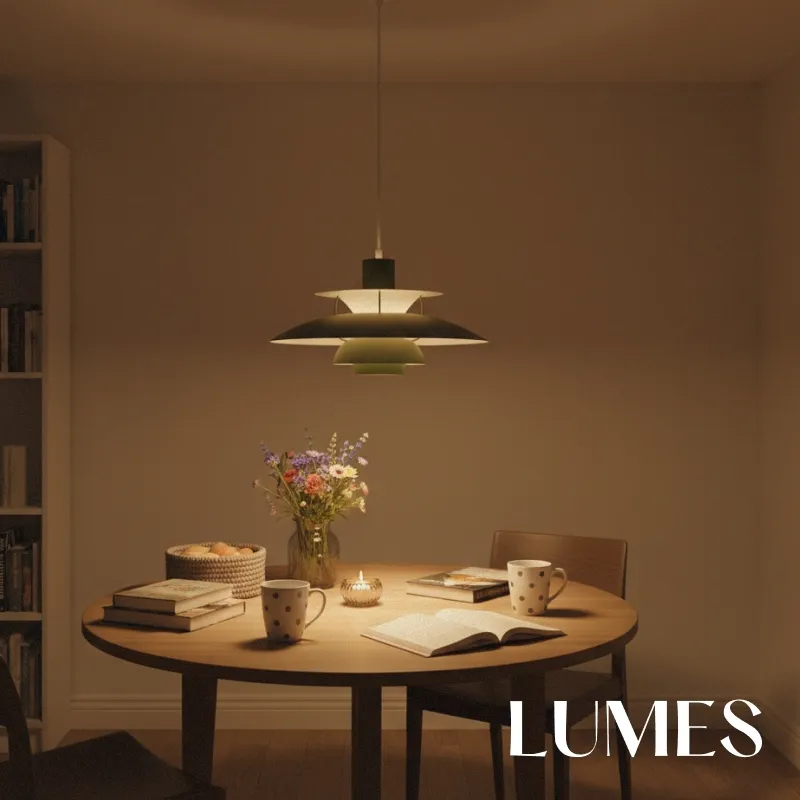
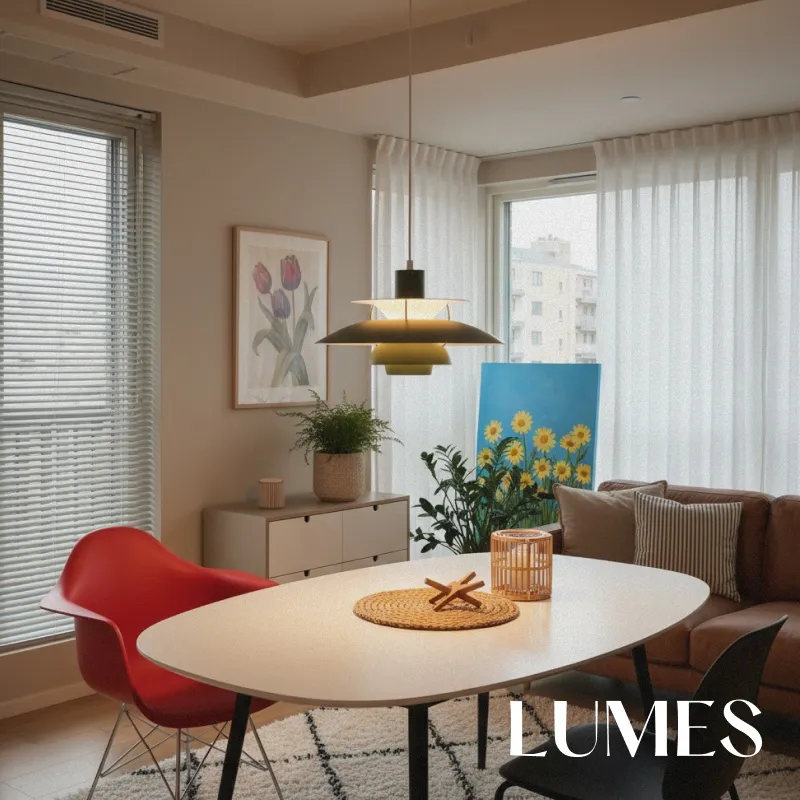
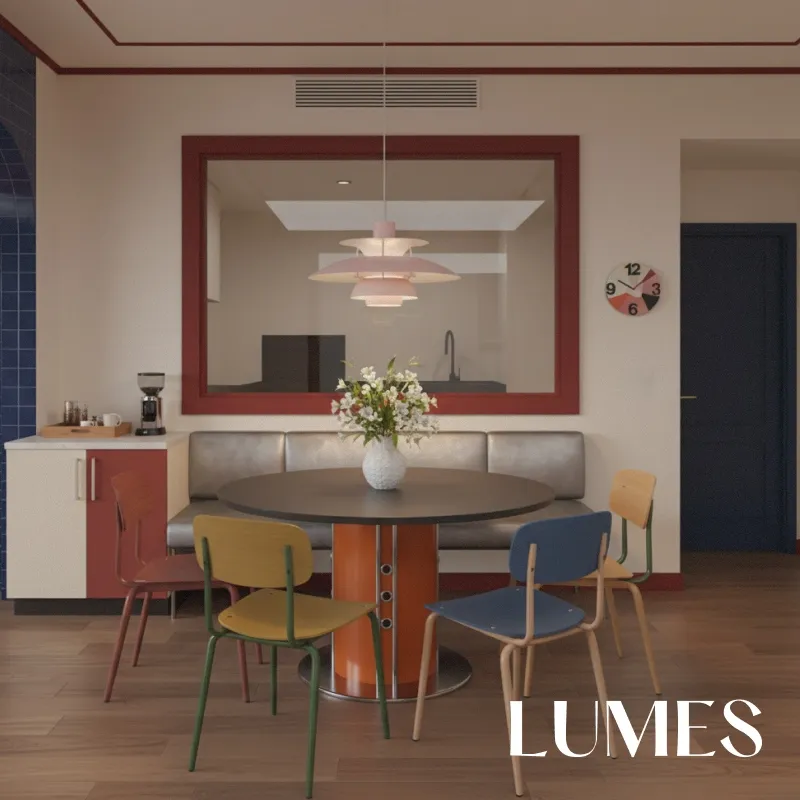
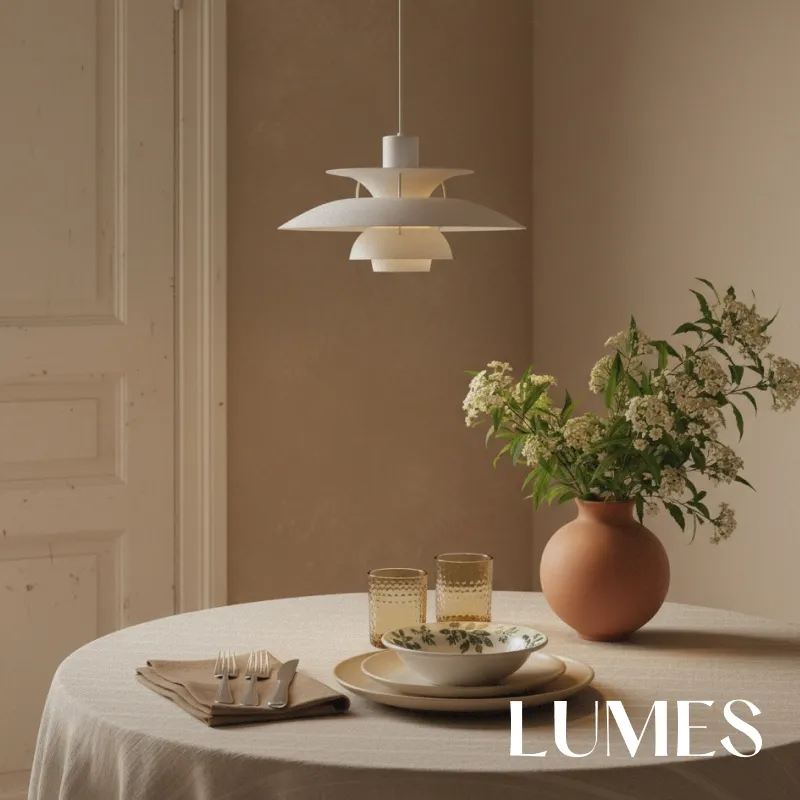
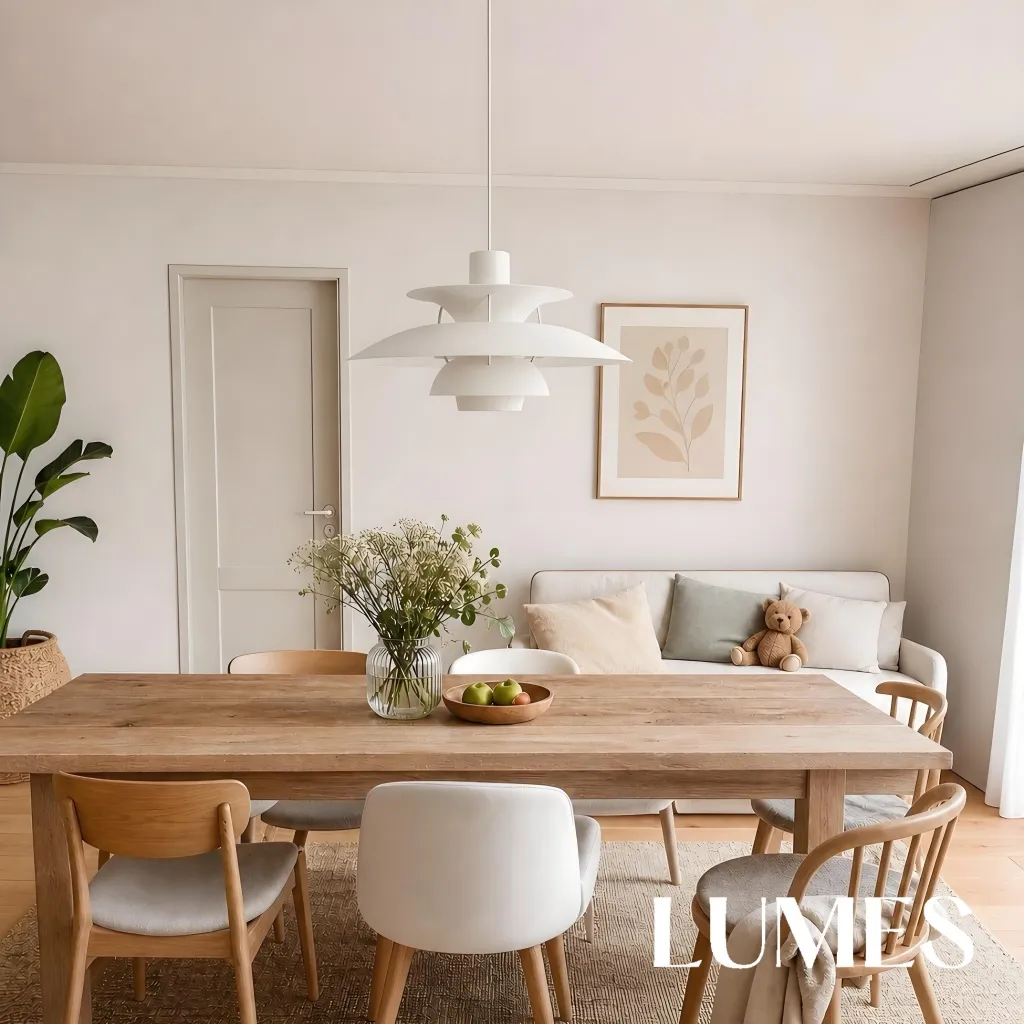
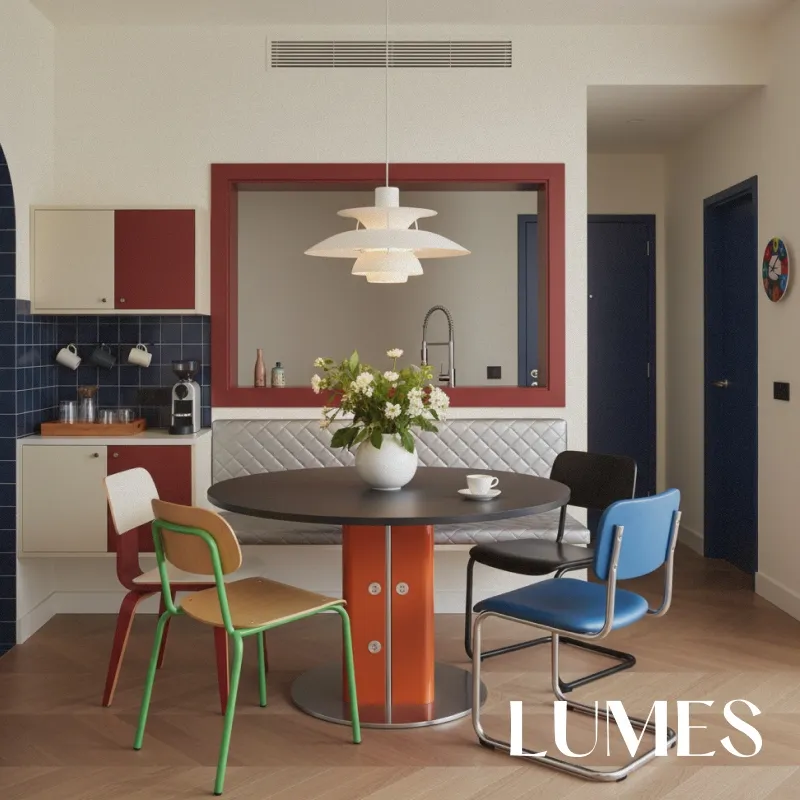
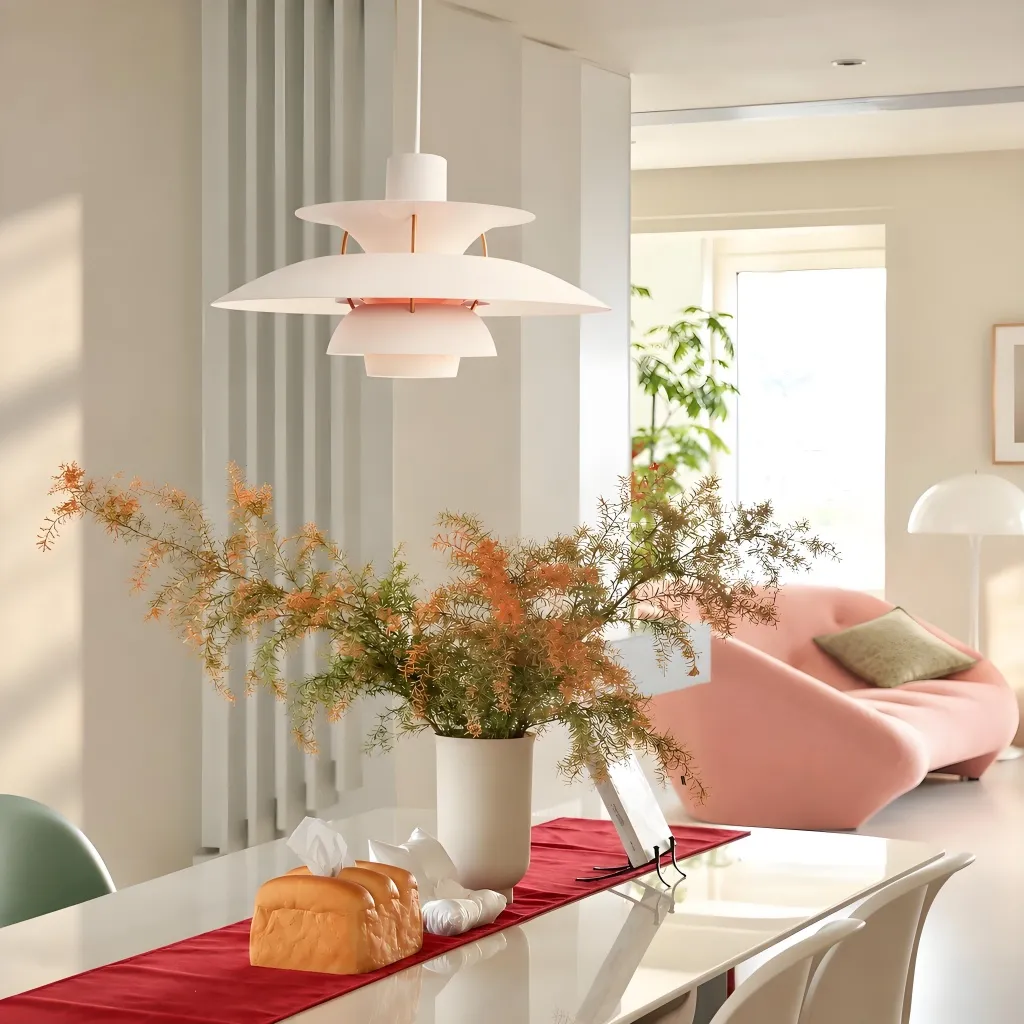
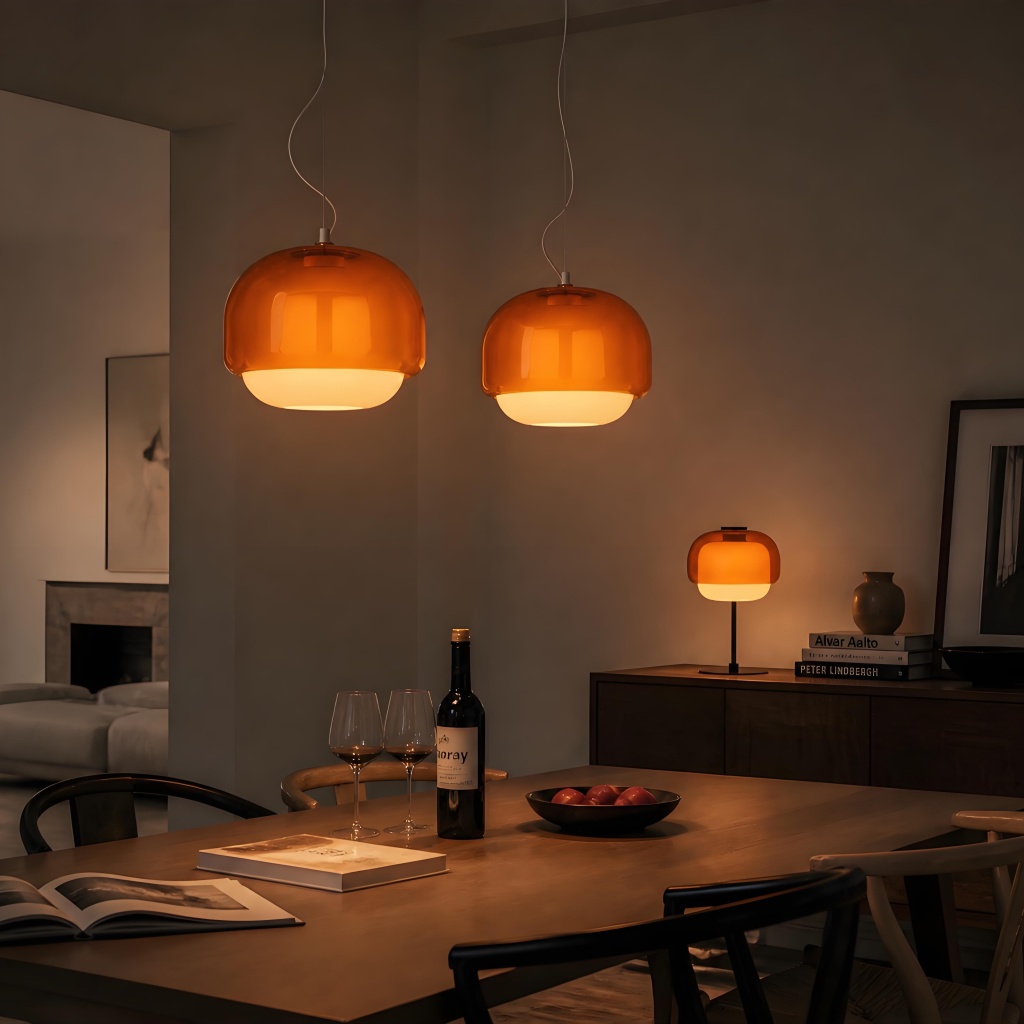
For a dining pendant, begin with 75 to 90 cm between the bottom of the shade and the tabletop. That range keeps the light close enough to make the table feel gathered while leaving a clear view between diners. It is a starting point, not a number to follow blindly. Shade depth, ceiling height, chair backs, bulb exposure, and movement through the room can all call for a small adjustment. Plan the drop before you buy so the chosen cable, canopy, and bulb arrangement can reach the comfortable position.
Quick answer: plan the drop from the table up
Measure from the finished floor to the tabletop, then add 75 to 90 cm to find the approximate bottom height of the pendant. Measure again from that point to the ceiling to estimate the visible cable or rod length. Sit at the table, stand at the kitchen entrance, and check the sightline before finalising the order. If the shade blocks faces or the bright bulb is visible, change the height or choose better shielding rather than simply increasing brightness.
The three measurements to take first
- Finished tabletop height. Measure the table, including a thick top or extension leaf.
- Ceiling-to-table distance. Measure at the planned centre point, not at the nearest wall.
- Clear route around the table. Include chair backs, a sideboard, doors, beams, smoke alarms, and the path to the kitchen.
Write these numbers down with the table length and width. A pendant may look right in a product photograph but still sit too low over a high dining table or too high below a tall ceiling.
Why 75 to 90 cm is only a starting range
The lower end creates a more intimate pool of light and can suit a high ceiling or shallow shade. The upper end protects sightlines when the room is compact, the shade is deep, or people stand to serve food. The right point is where the shade reads as part of the table setting without becoming an obstacle.
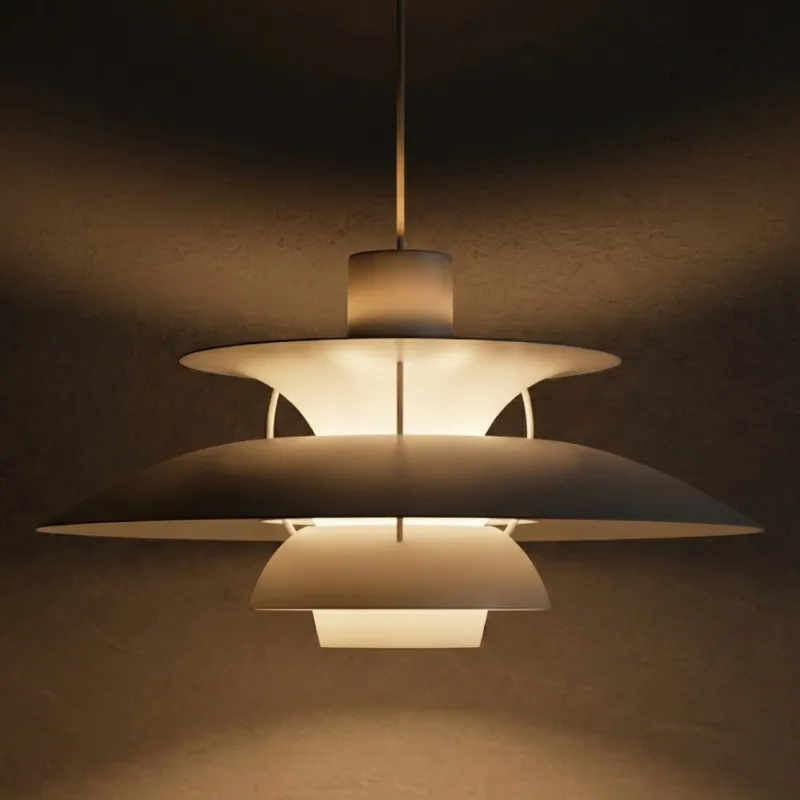
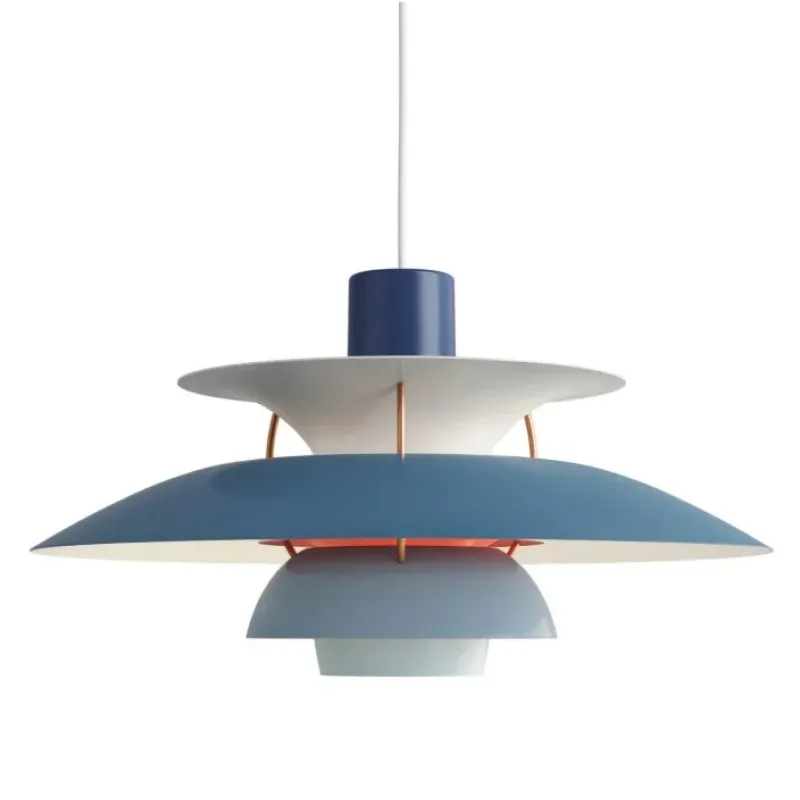
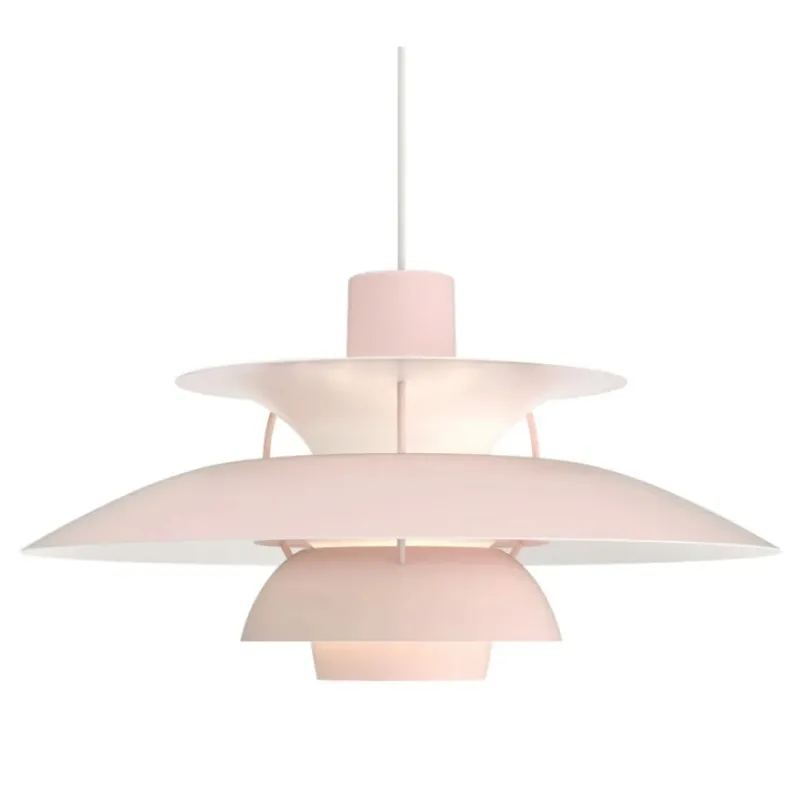
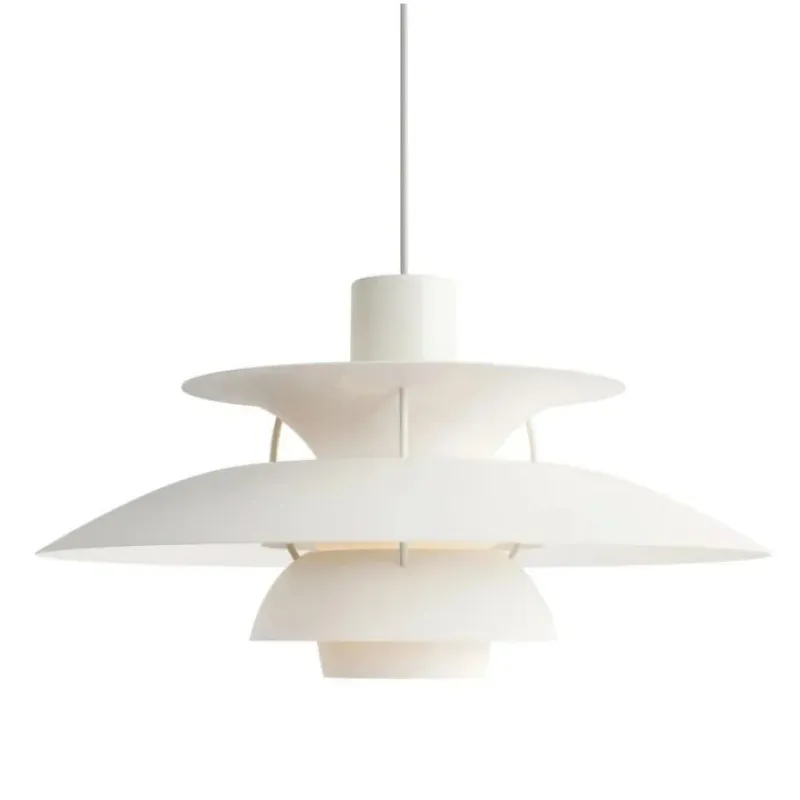
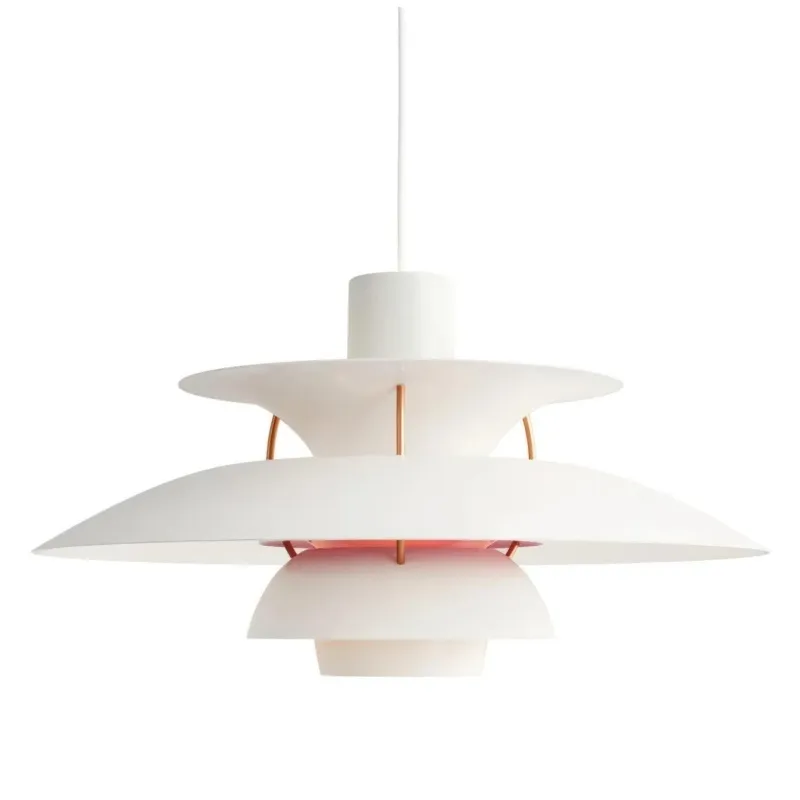
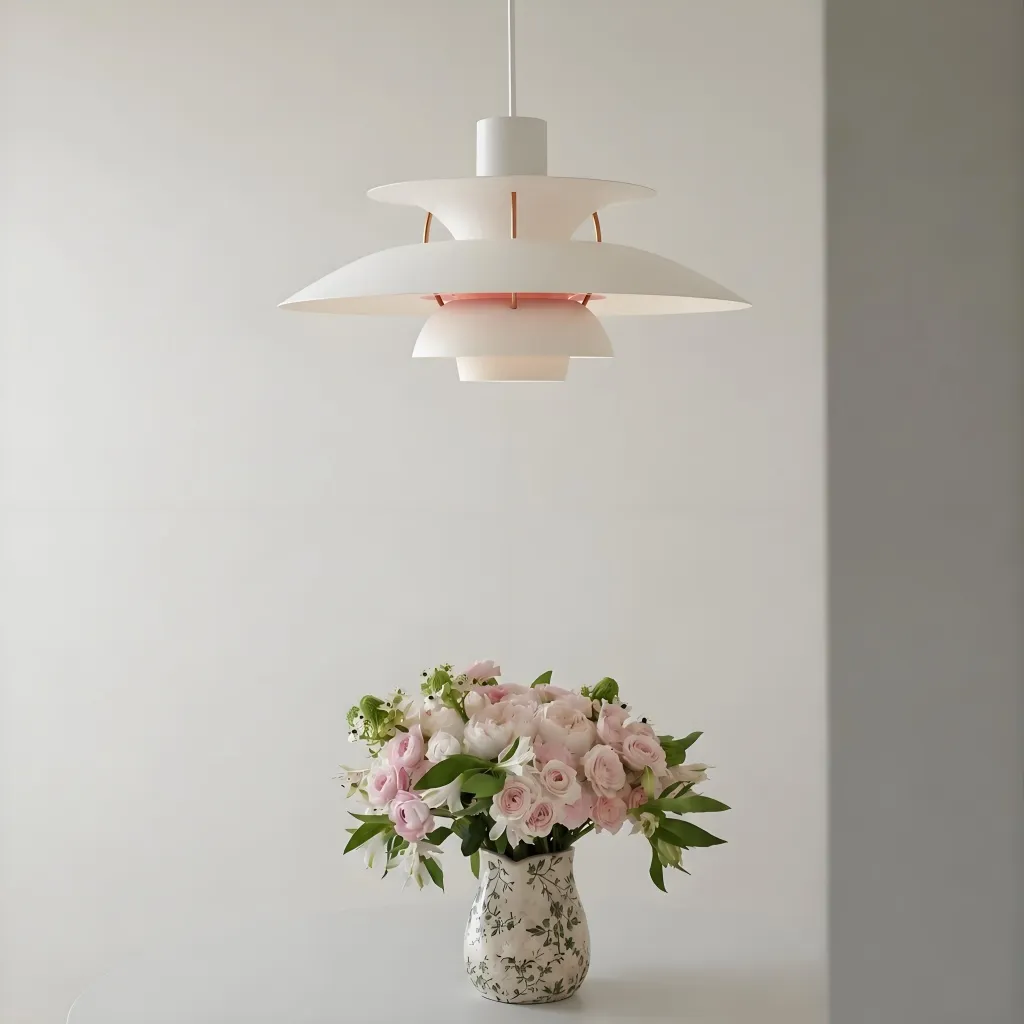
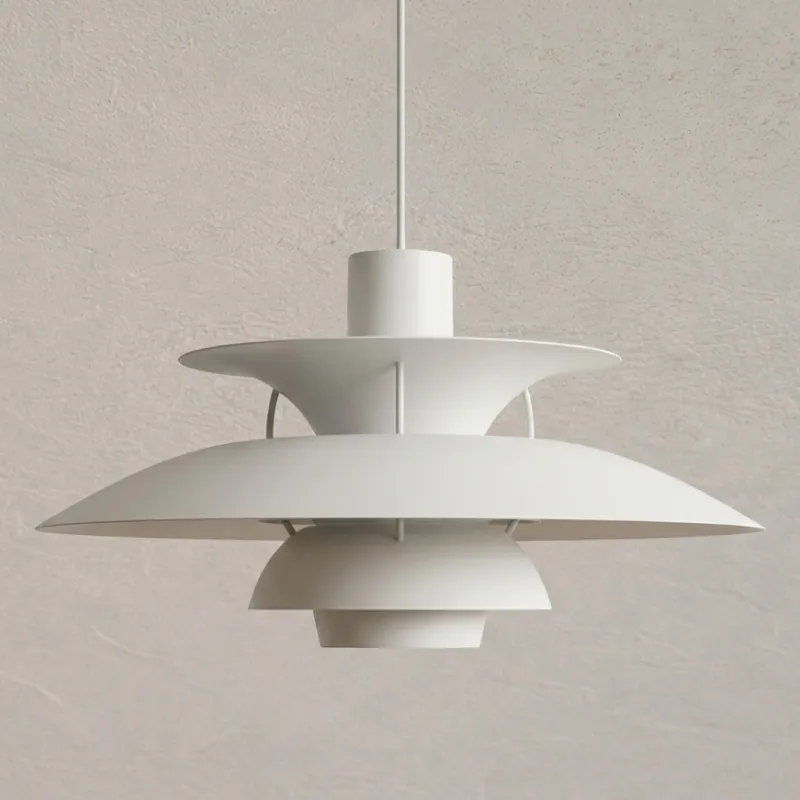
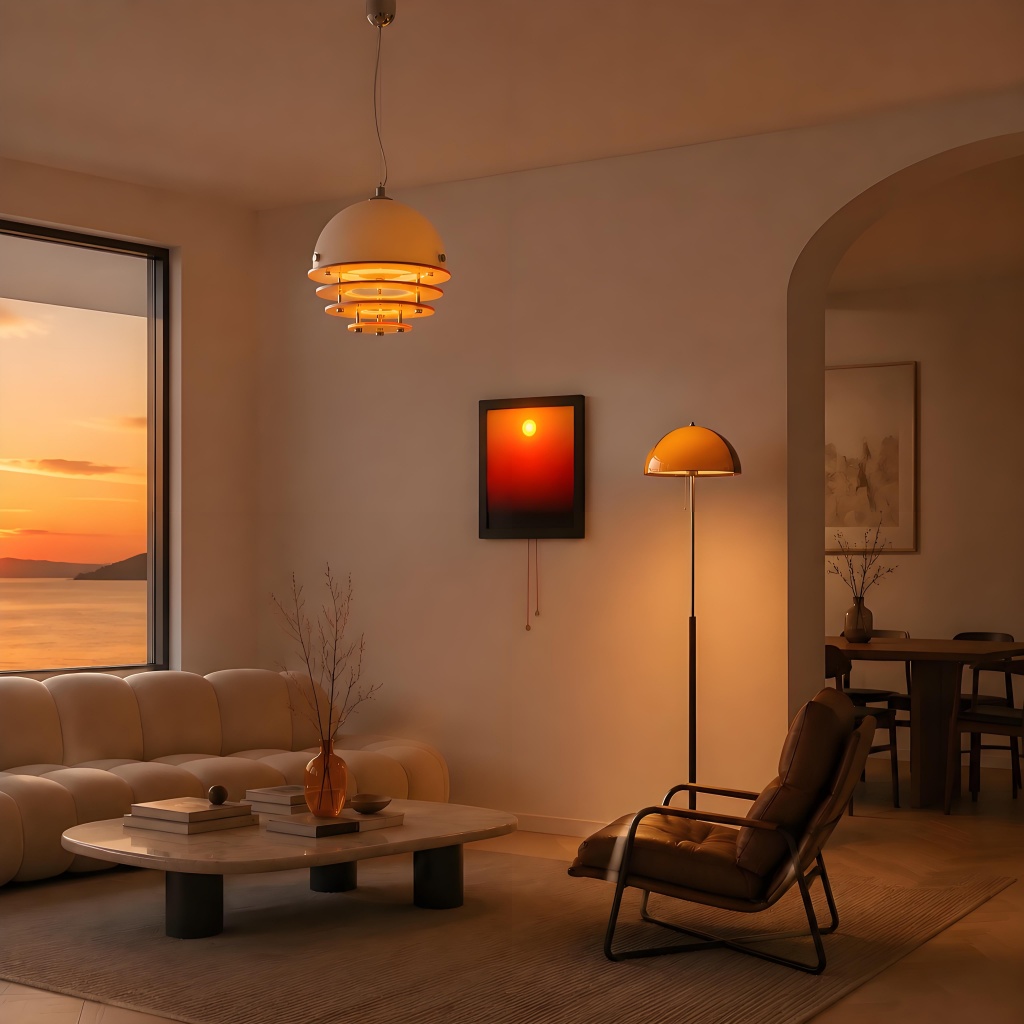
A layered metal shade changes the visual calculation. Overlapping surfaces can hide the brightest point, but a low fixture may still feel heavy if the diameter is large. A smaller shade can sit slightly lower in a calm dining corner, while a 50 cm shade usually needs more breathing room above a narrow tabletop. Use the table and shade together, not a universal number detached from both.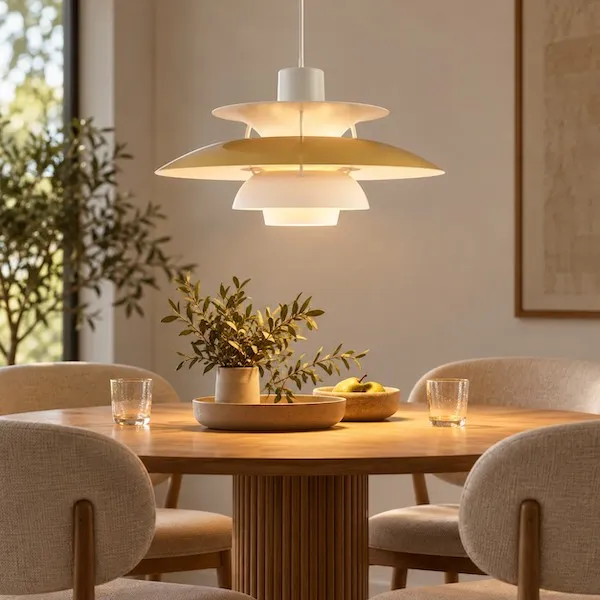
Ceiling-height planning before checkout
With a standard ceiling, calculate the desired bottom height first, then confirm that the product's suspension covers the remaining distance. A low ceiling may require the upper end of the range and a shallower or smaller option. A high ceiling can tolerate a longer drop, but avoid leaving the pendant floating far above the table; it should still define the dining zone.
Sloped ceilings and beams need a separate check. Confirm whether the canopy can sit level, whether a beam interferes with the mounting point, and whether the cable exits vertically. In an open-plan room, check the view from the sofa and kitchen as well as from the dining chairs. A height that works at the table can still interrupt a main walkway.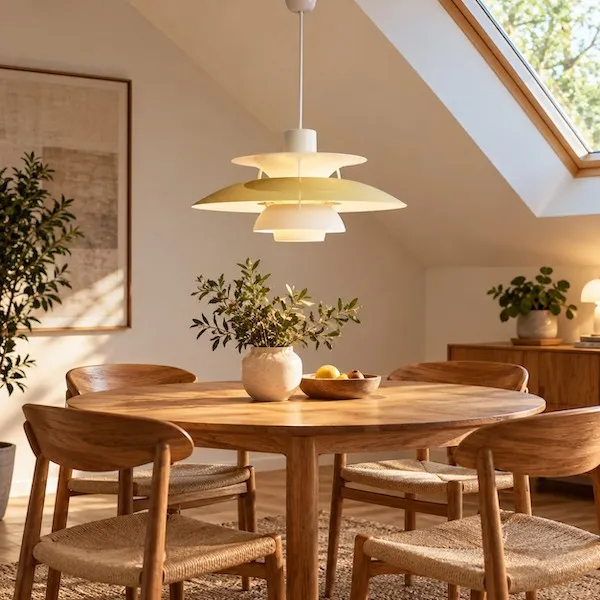
The seated-and-standing sightline test
Before ordering, place a temporary mark at the proposed bottom height. Use painter's tape on a hanging string or hold a cardboard circle at the planned diameter. Check four views: seated at the nearest chair; seated at the opposite chair; standing at the table while serving; and walking into the room from the main approach.
You should see the shade, table, and people comfortably, not a bare bulb aimed at your eyes. If the lamp disappears from the room when you sit down, it is probably too high. If it becomes the first object you hit visually when you stand, it is probably too low or too large for the route.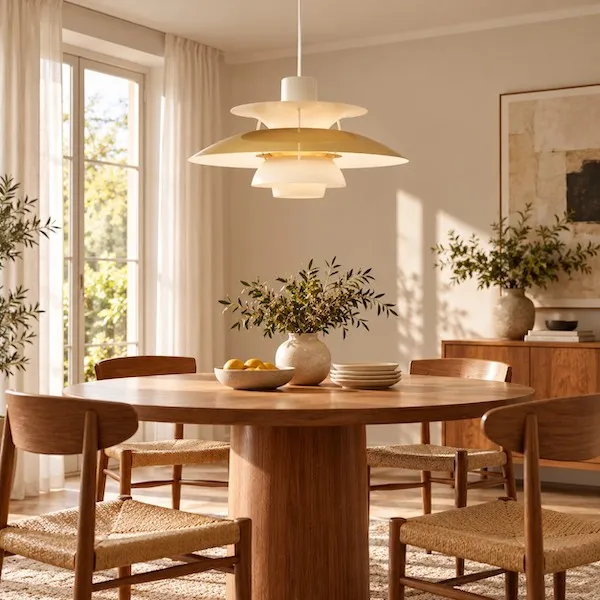
Bulb and glare checks belong in the height decision
Height cannot fix every glare problem. The Lumesdesign Danish-inspired layered pendant uses an E27 format, so final bulb shape, brightness, and finish affect what you see from the table. A clear, high-output bulb can remain uncomfortable even when the drop is correct. Choose the bulb only after checking the fitting and maximum rating on the listing, then test the light at the planned height.
If the dining area connects to a kitchen or living room, add a sideboard or wall source rather than lowering the pendant to light every surface. A comfortable primary light plus supporting layers is easier to live with than one bright fixture in the sightline.
Installation and ceiling-point checklist
Before purchase, confirm where the electrical point sits relative to the table centre. Check the canopy diameter, mounting plate, cable or rod length, strain relief, and whether the existing junction box is suitable. Note the switch location and whether the bulb or fixture is intended to be dimmed. Follow supplied instructions and local electrical requirements; where wiring changes are needed, schedule the work with a qualified installer.
Also check practical obstructions. A nearby cabinet door, tall plant, ceiling fan, sprinkler, or smoke detector can change the ideal position. Mark the table centre on the ceiling and compare it with the existing point before selecting a variant.
Use the product and related guides together
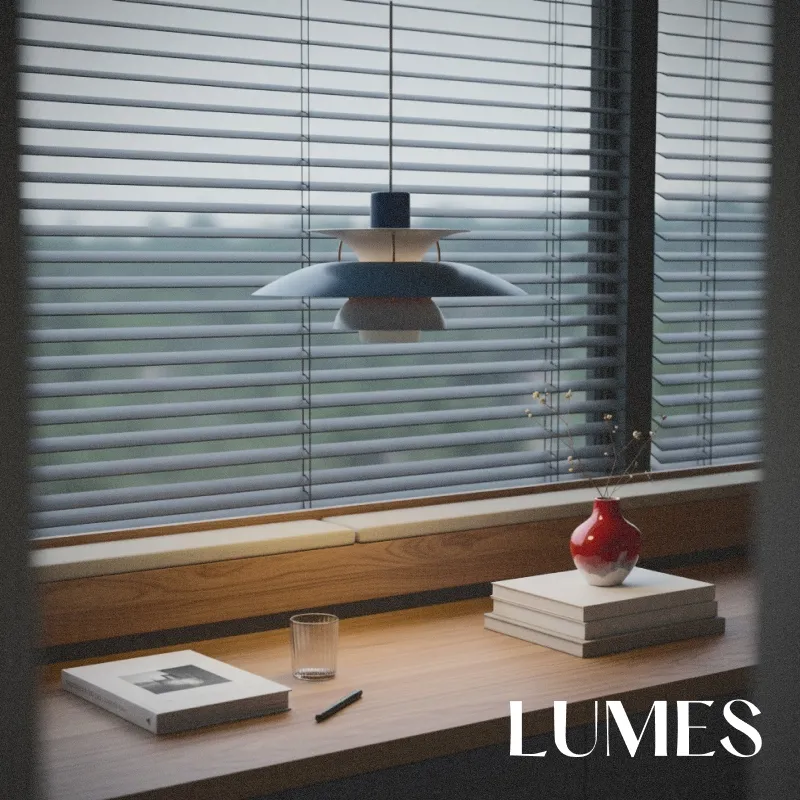
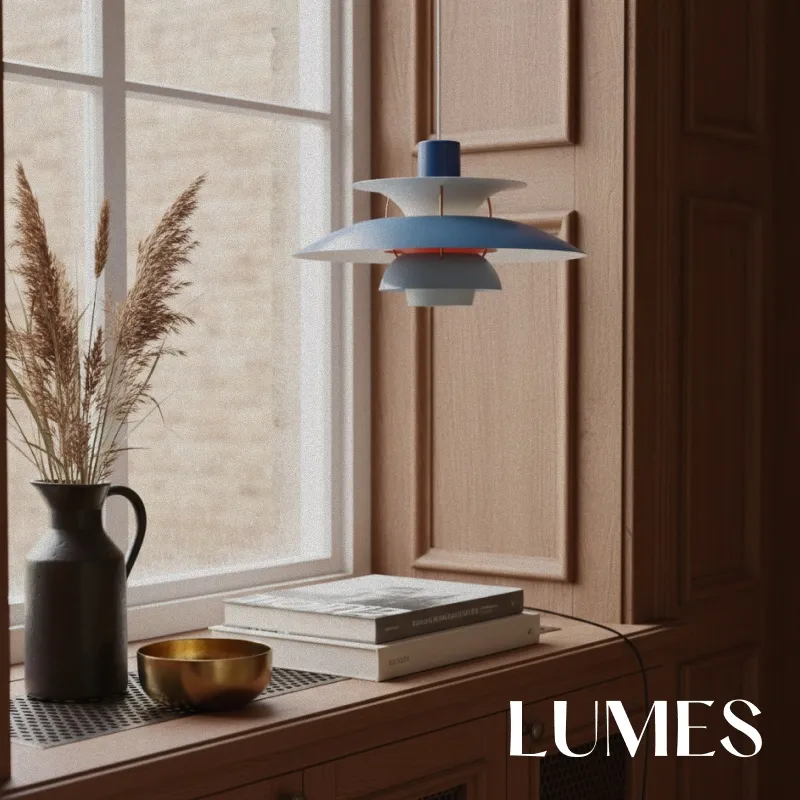
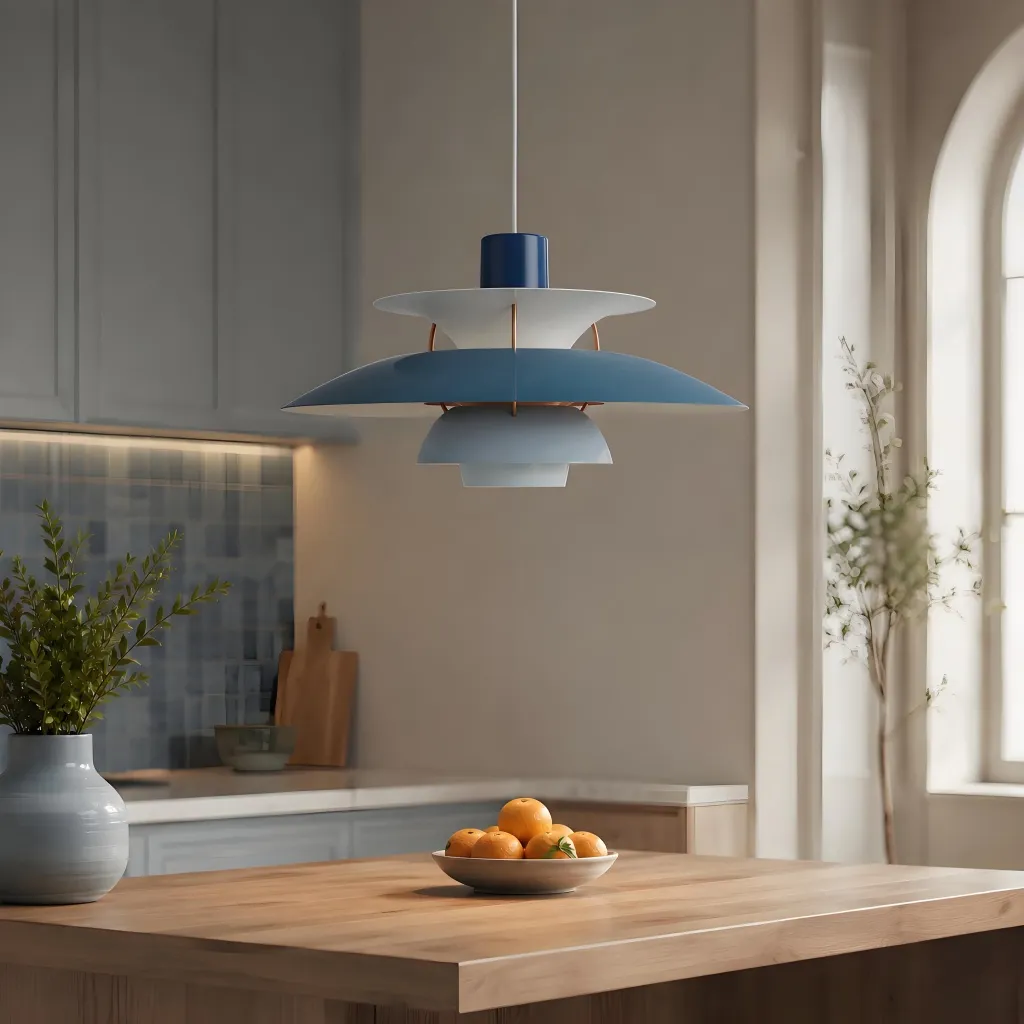
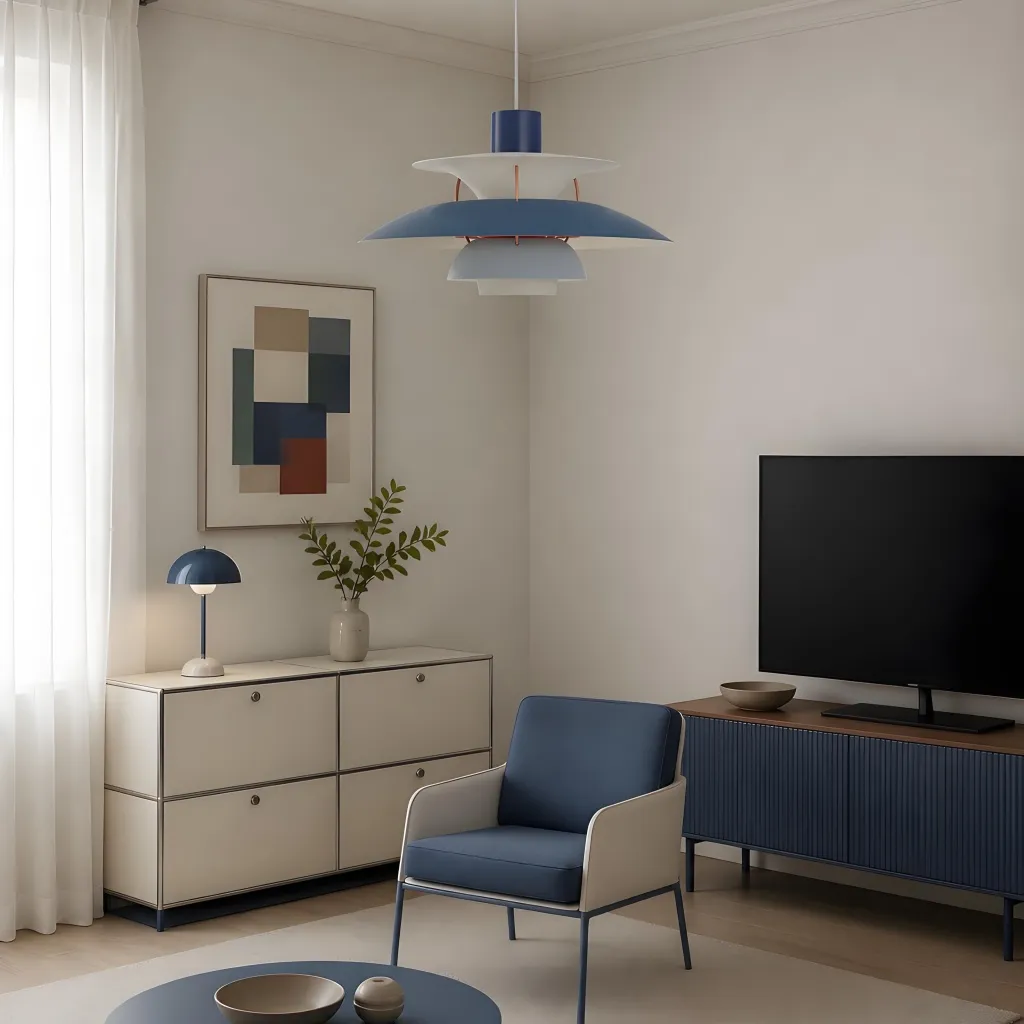
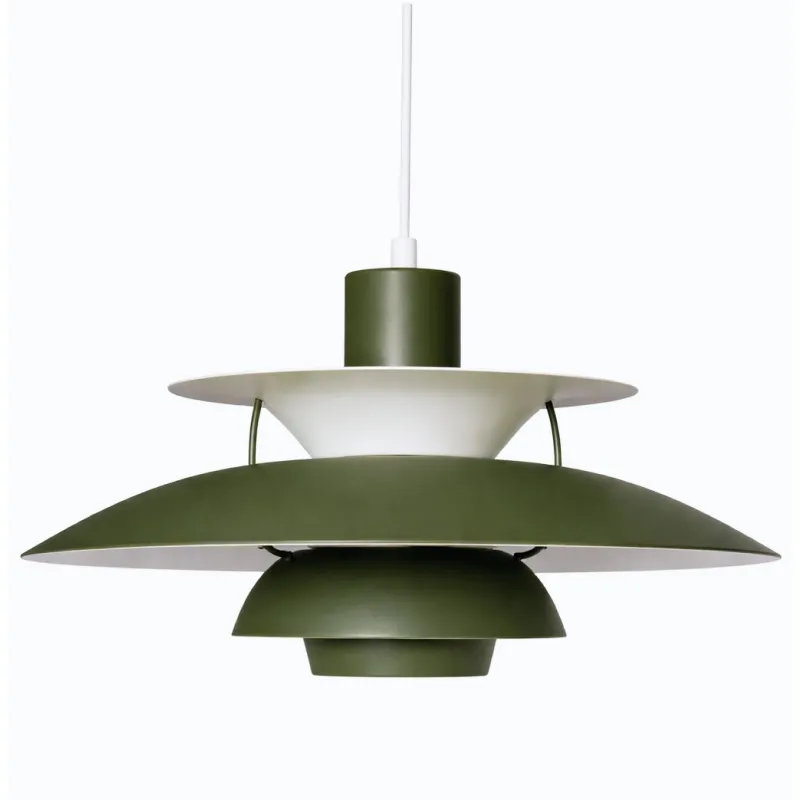
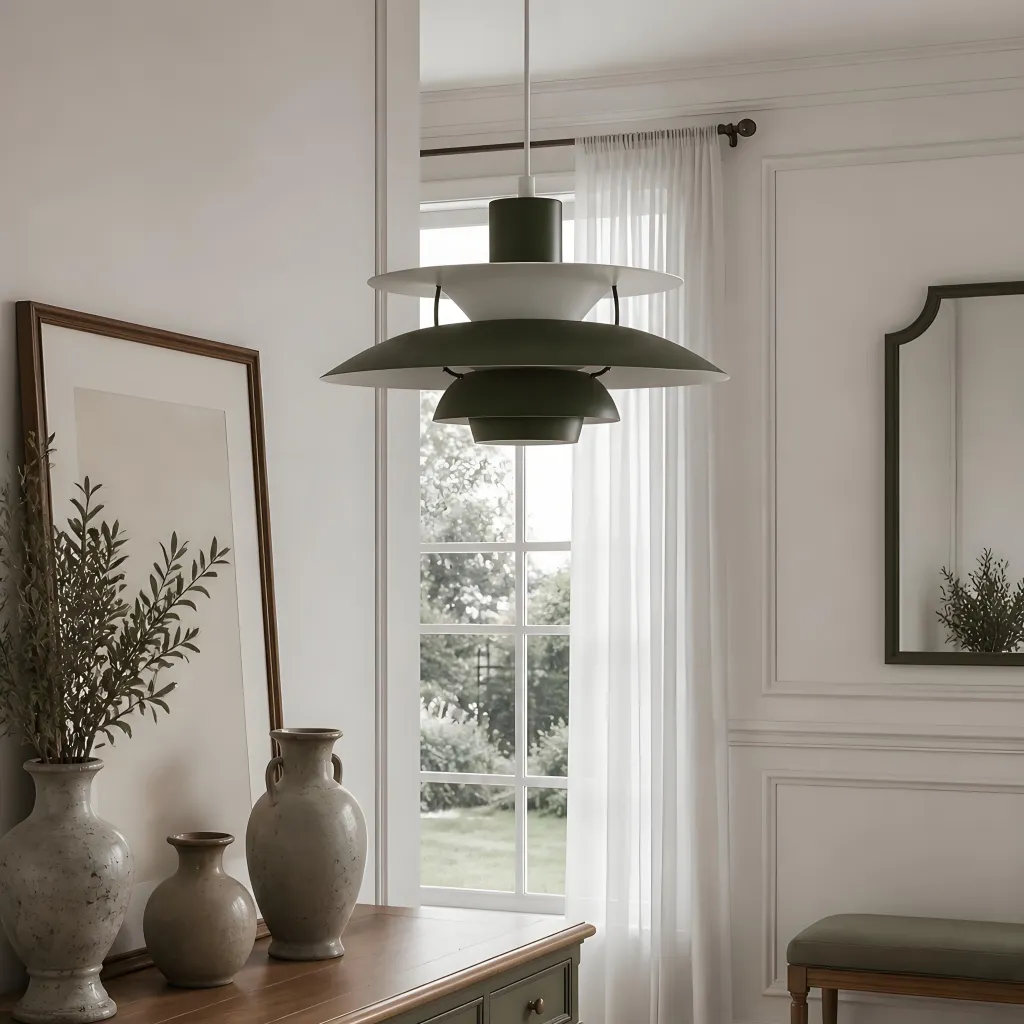
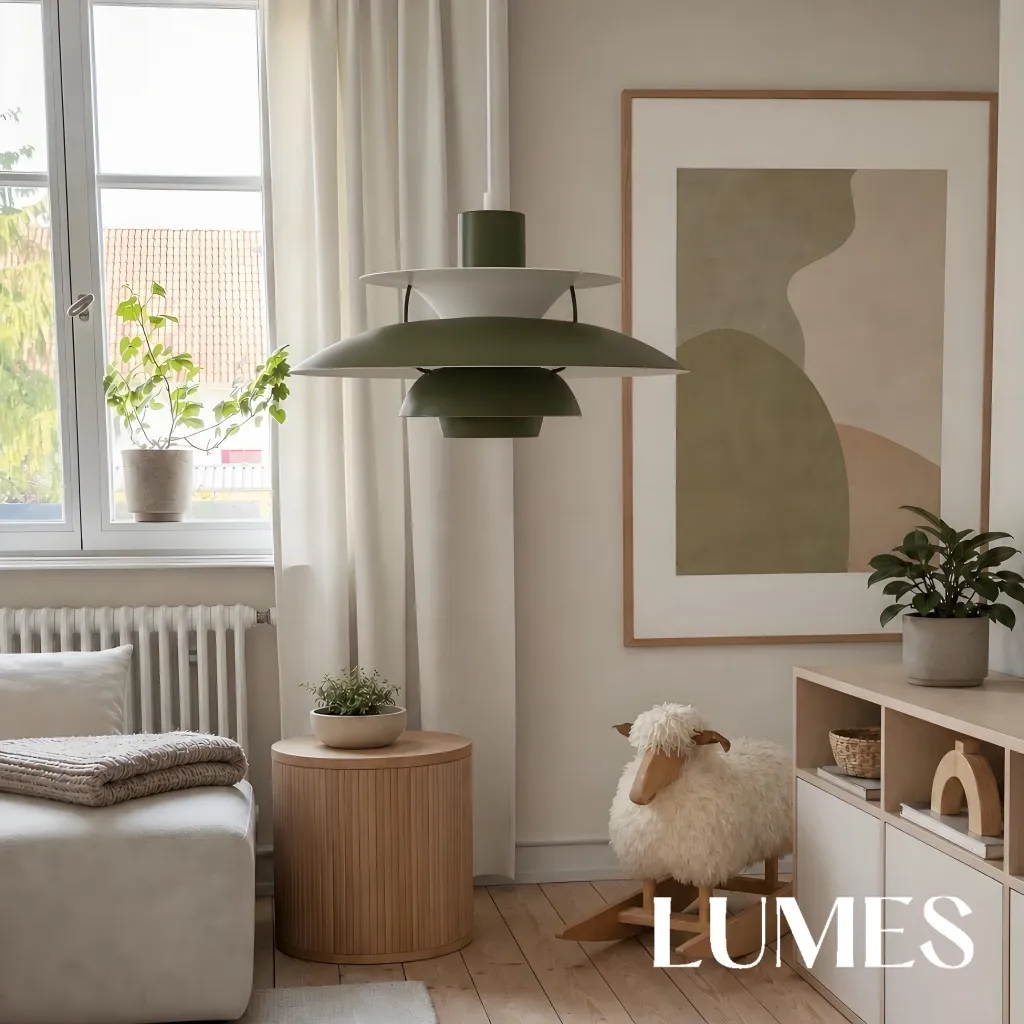
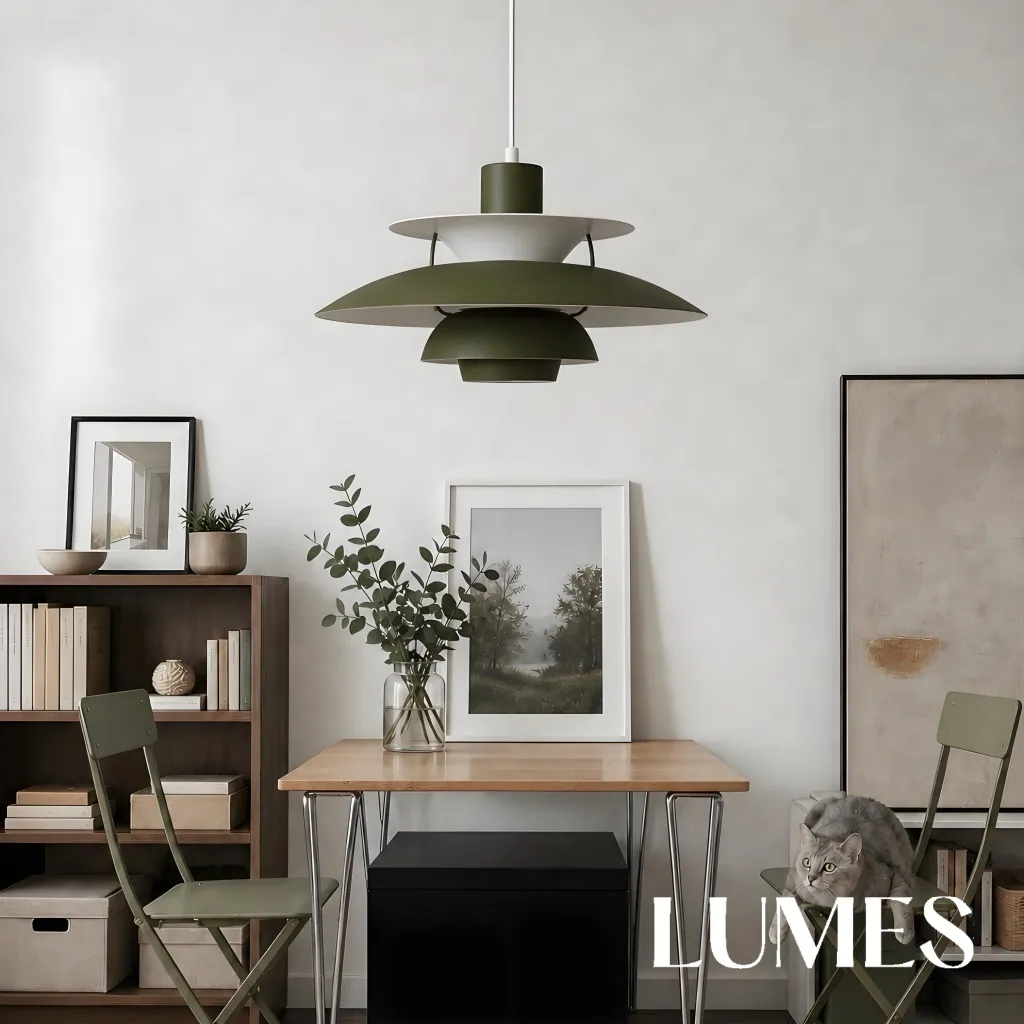
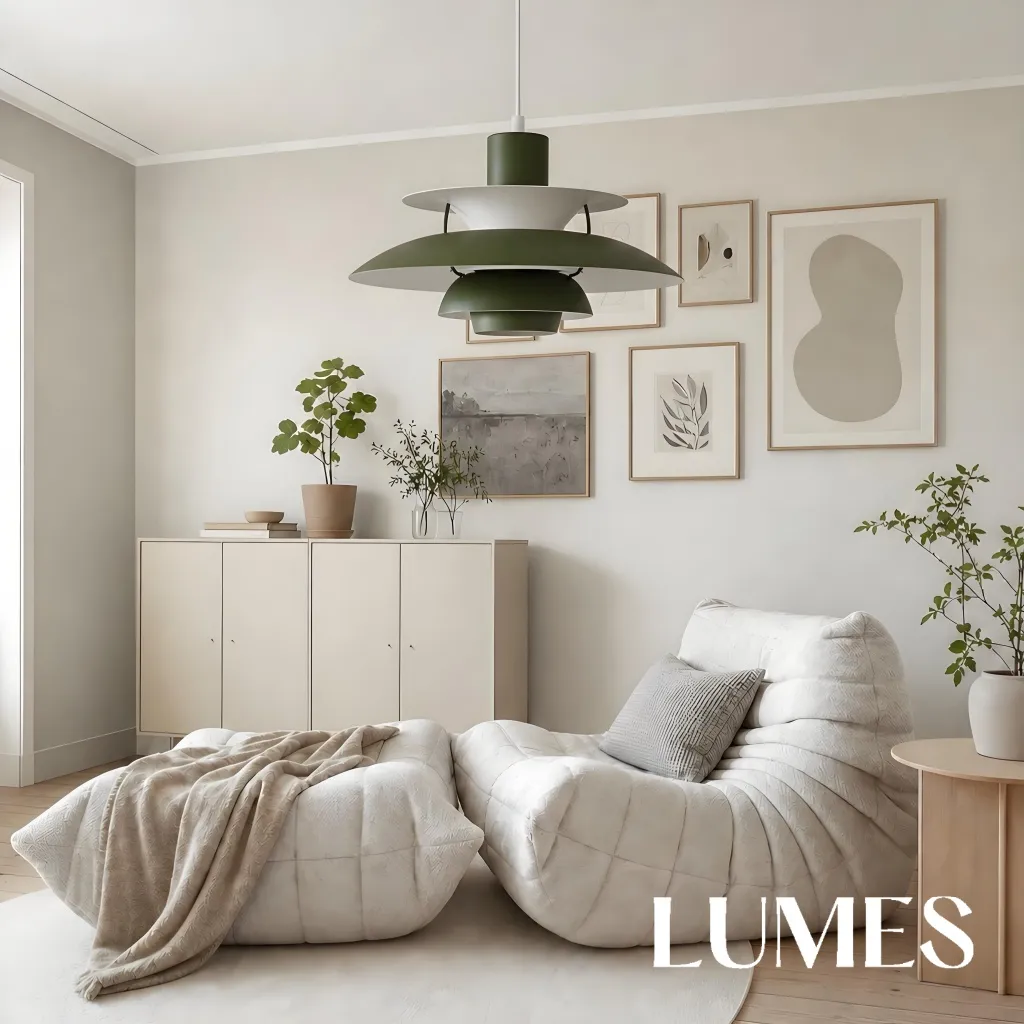
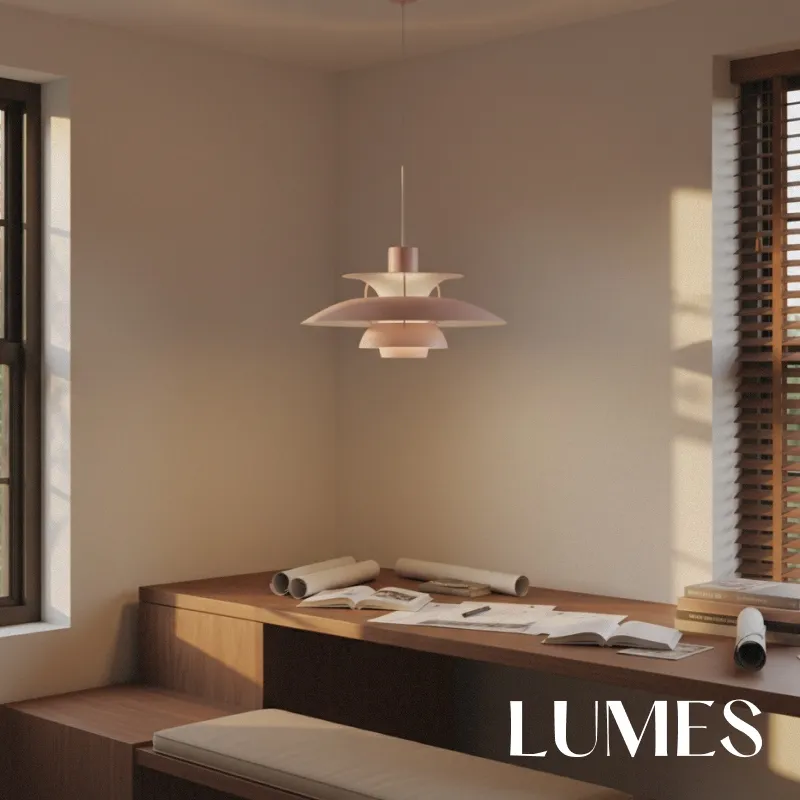
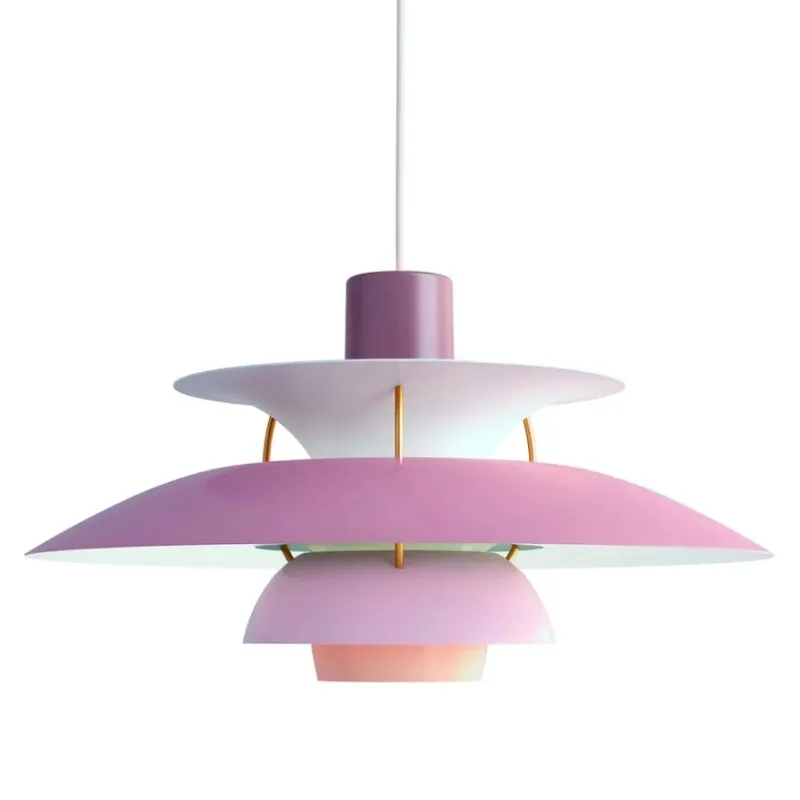
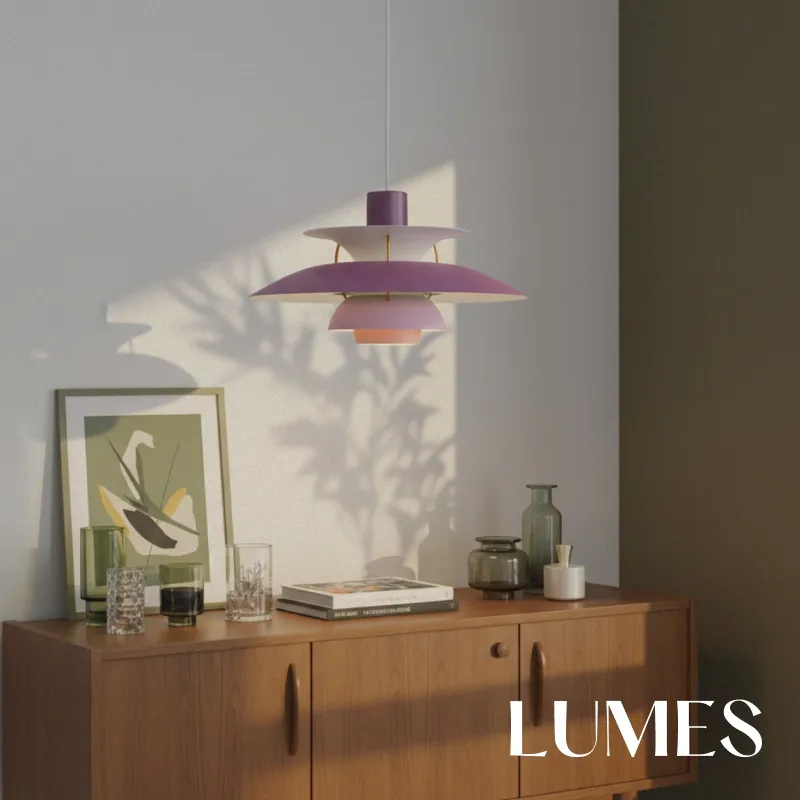
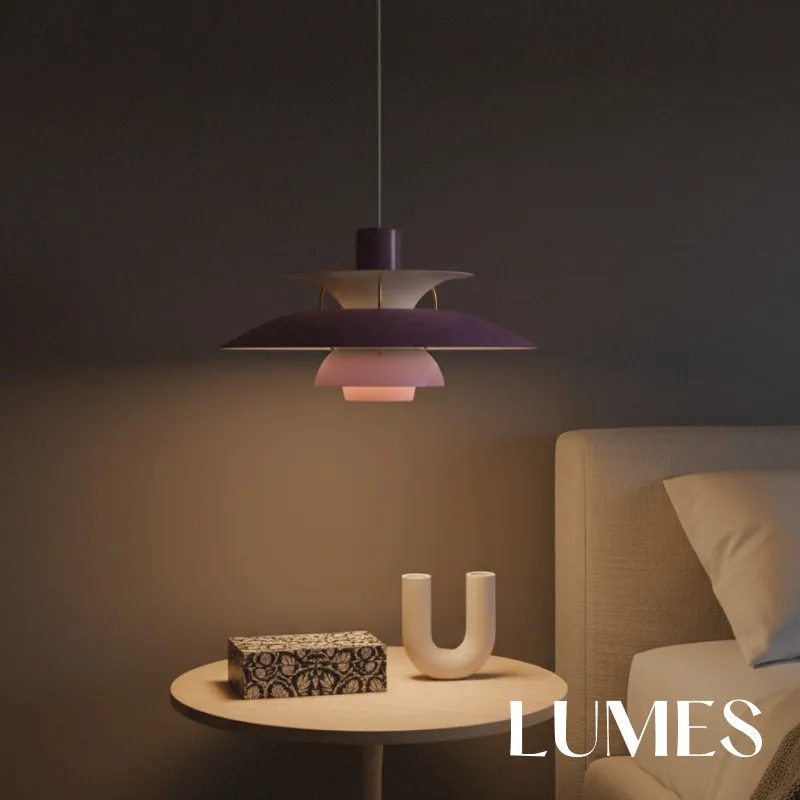
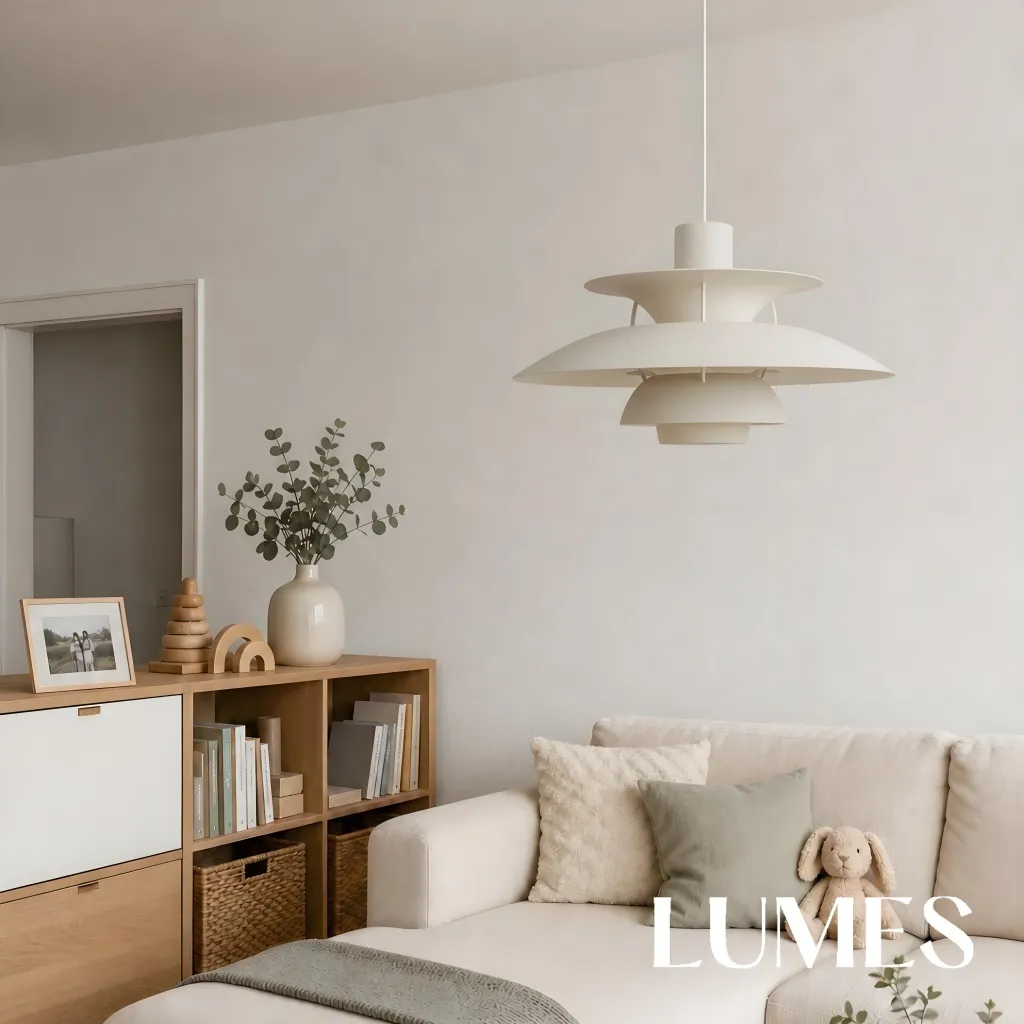
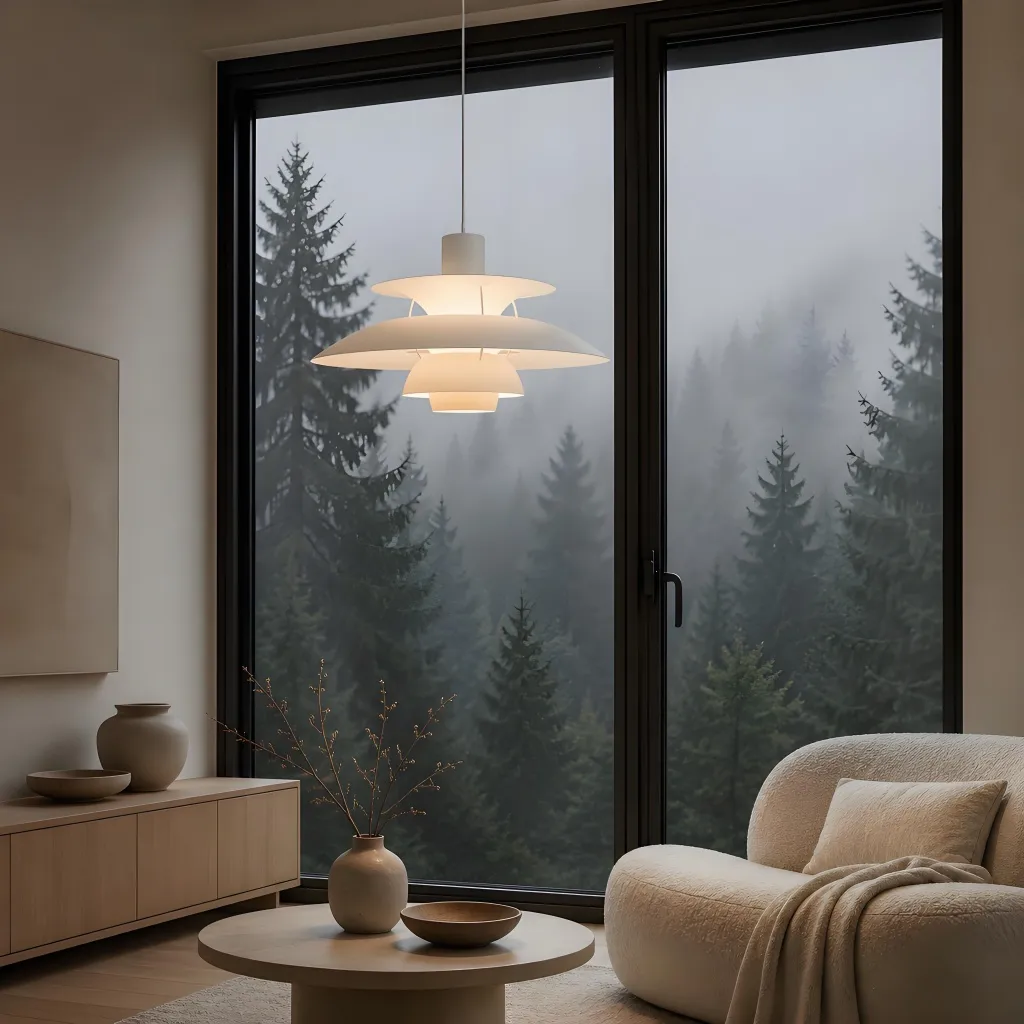
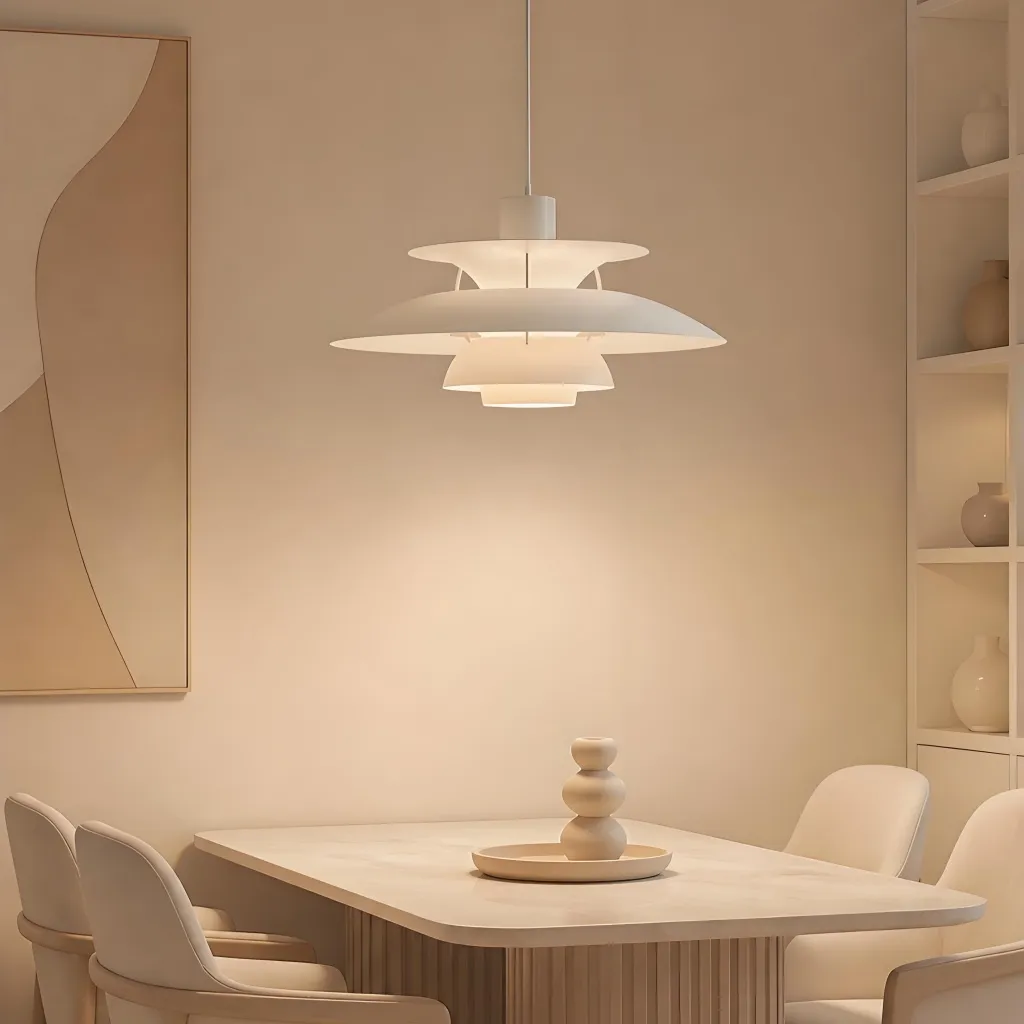
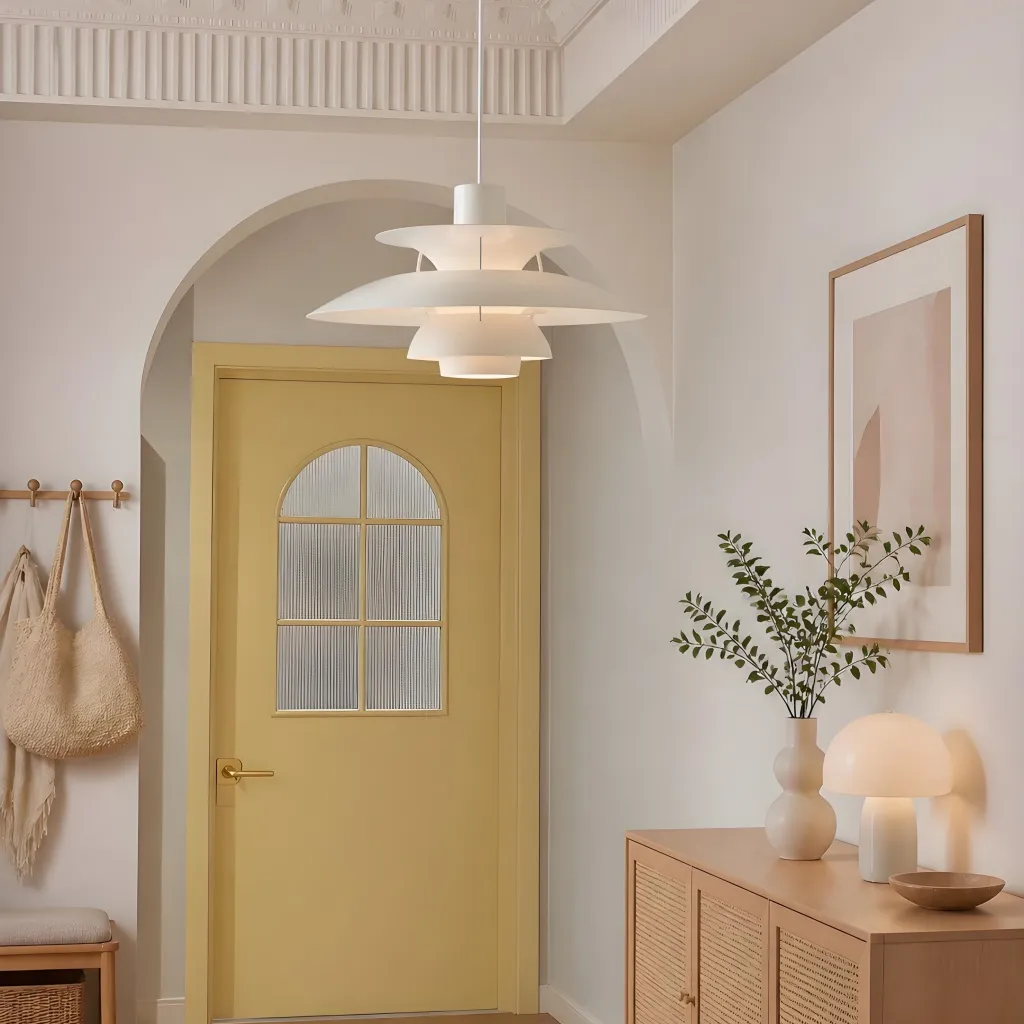
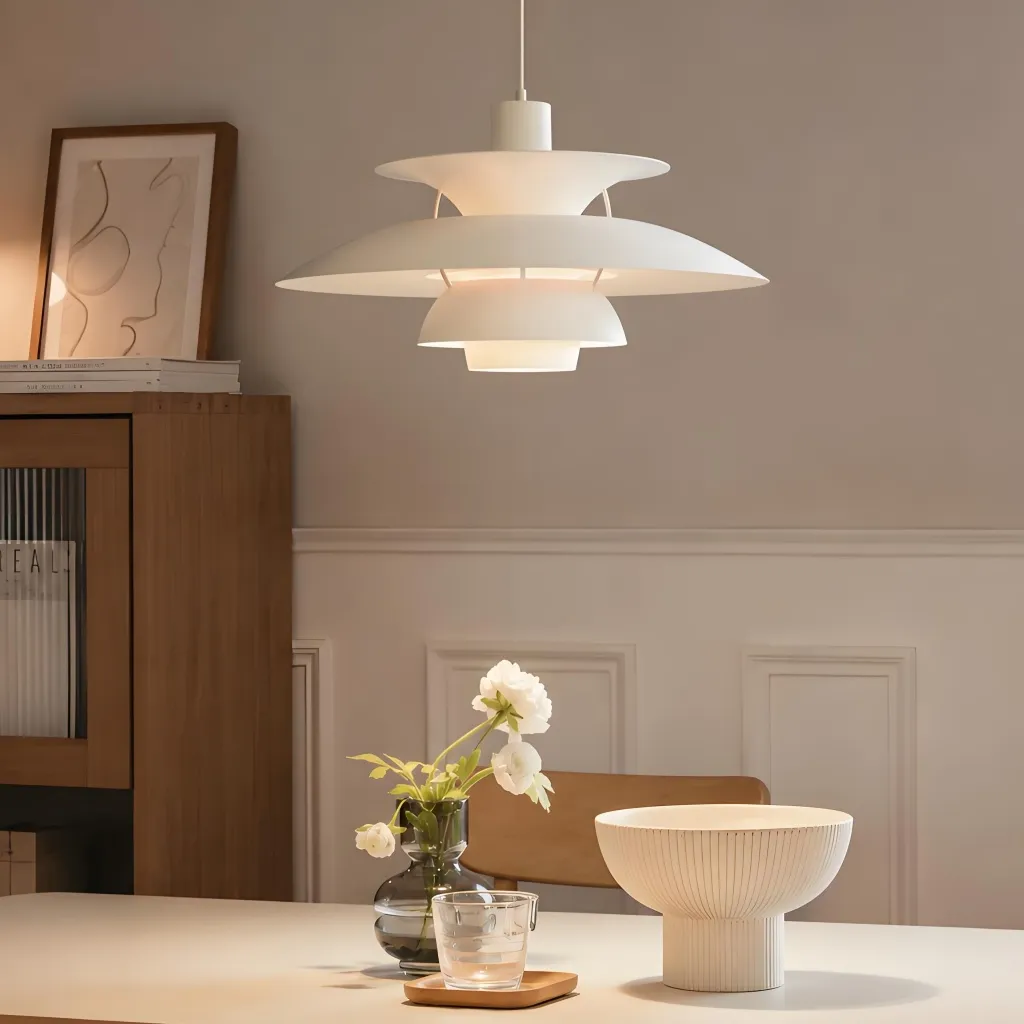
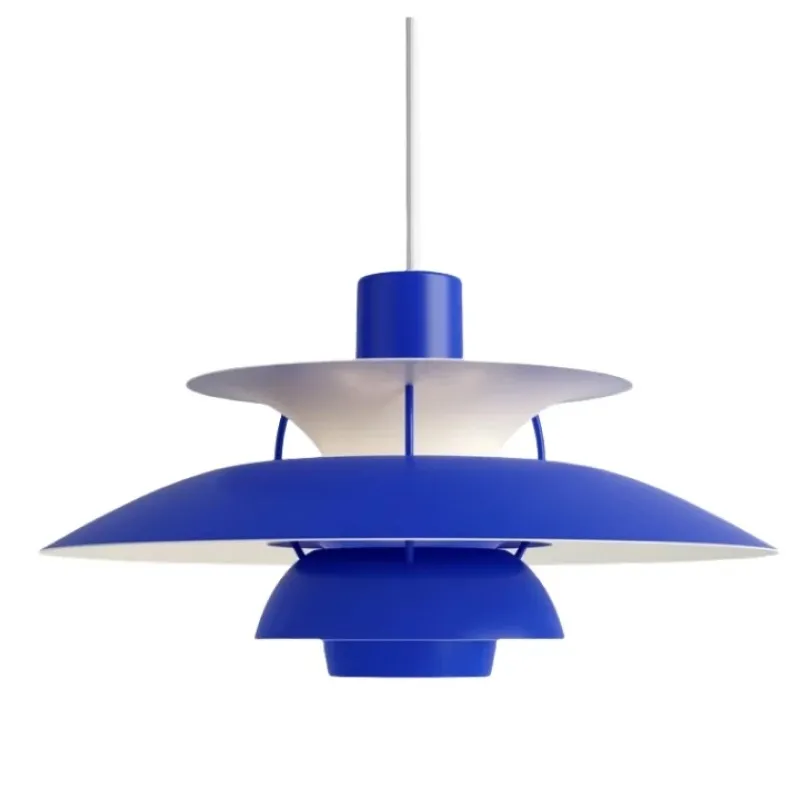
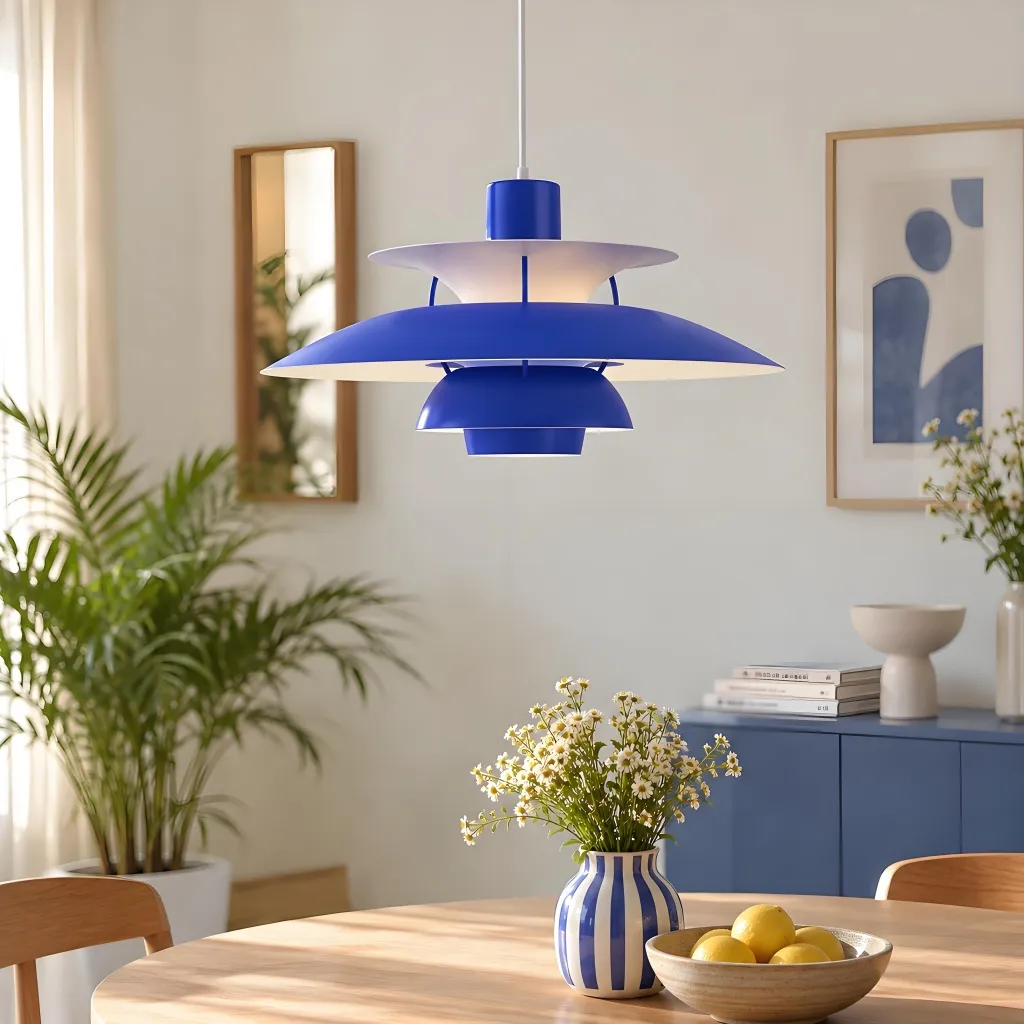
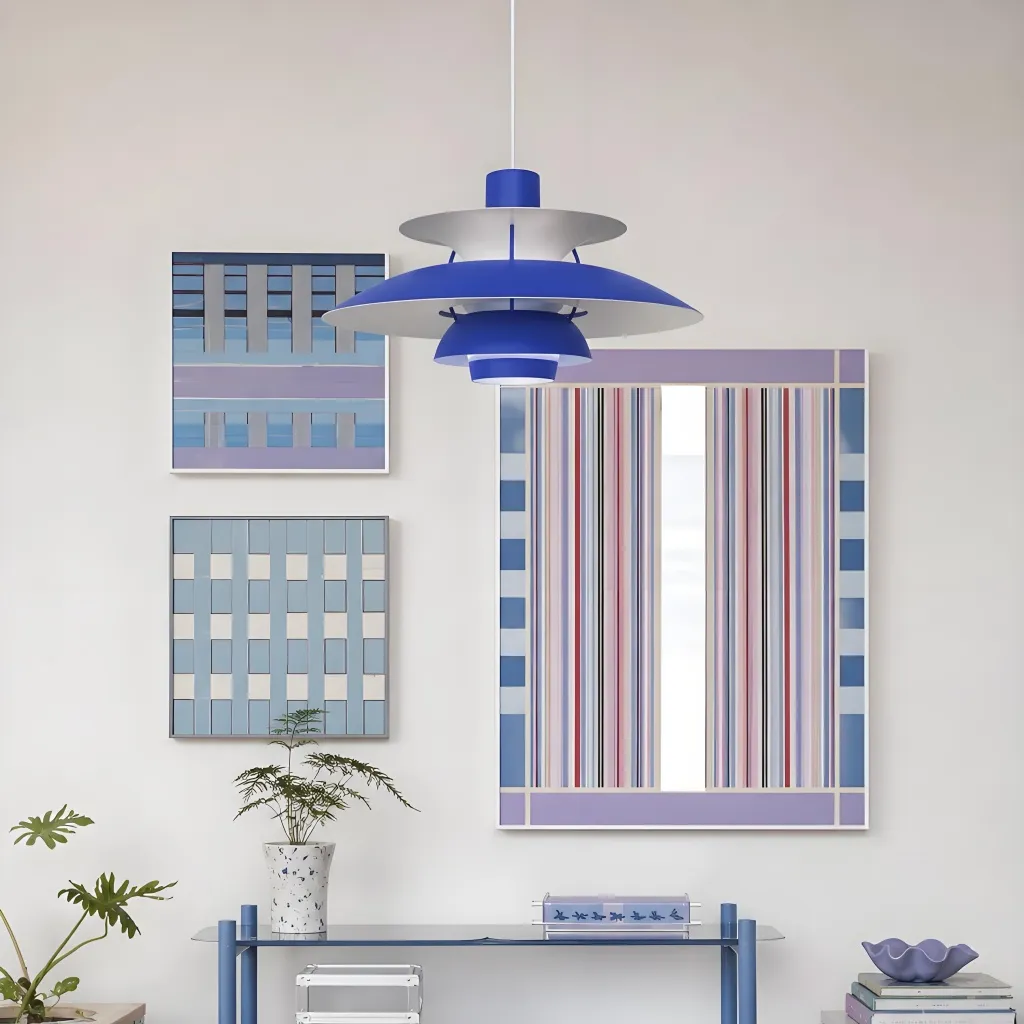
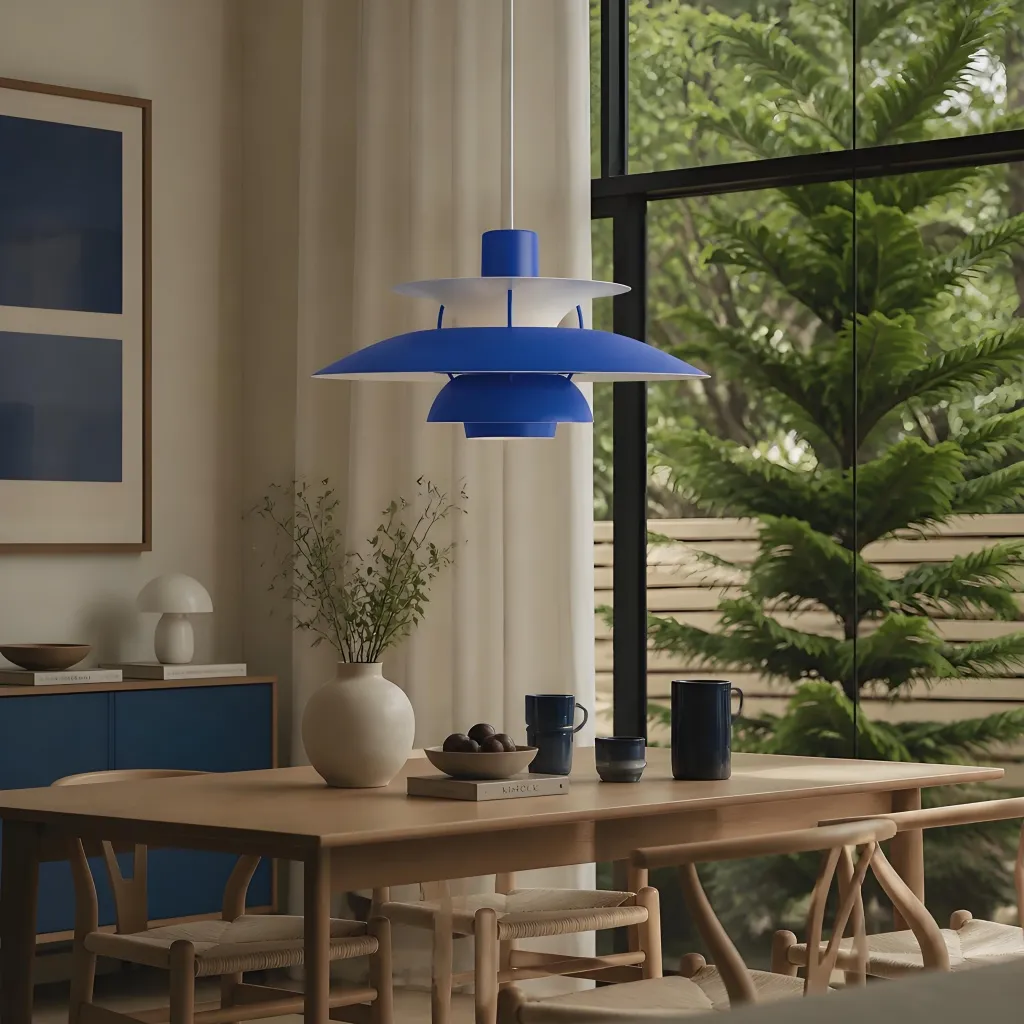
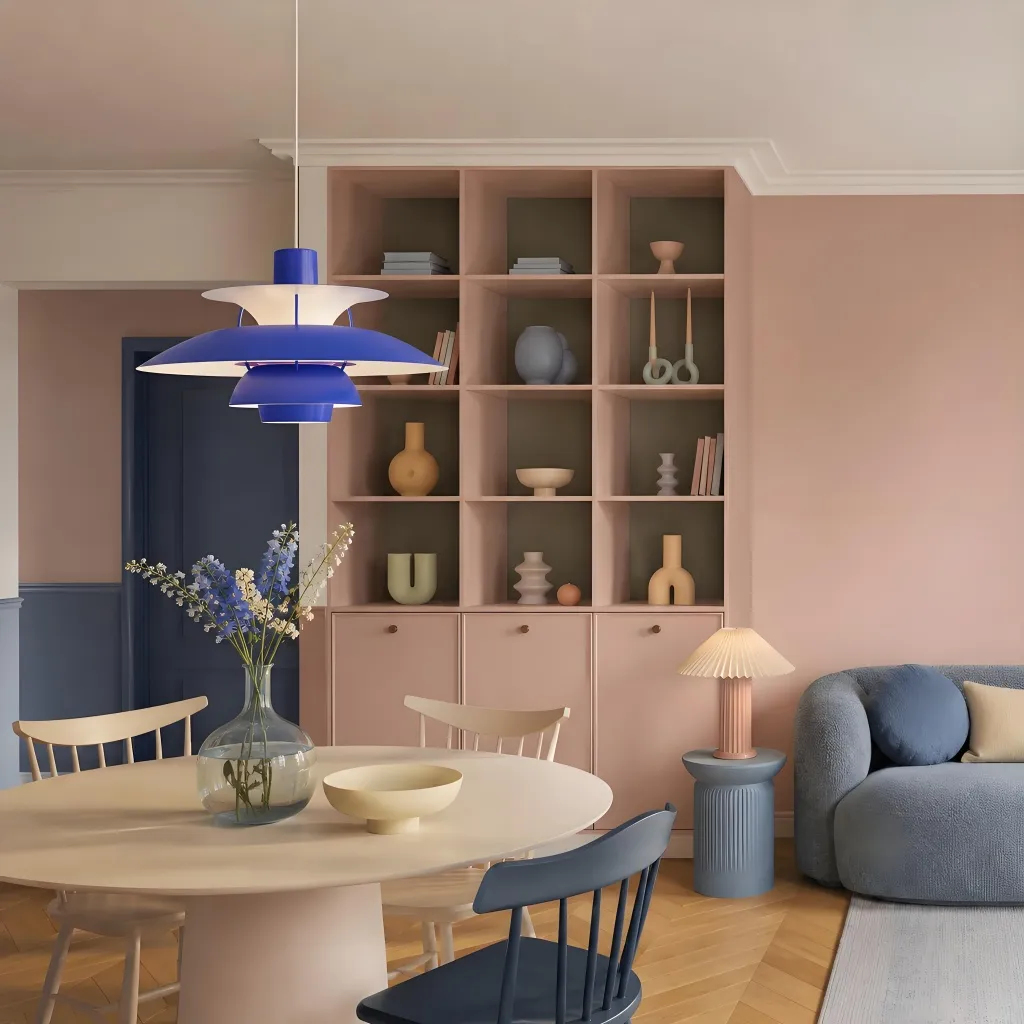
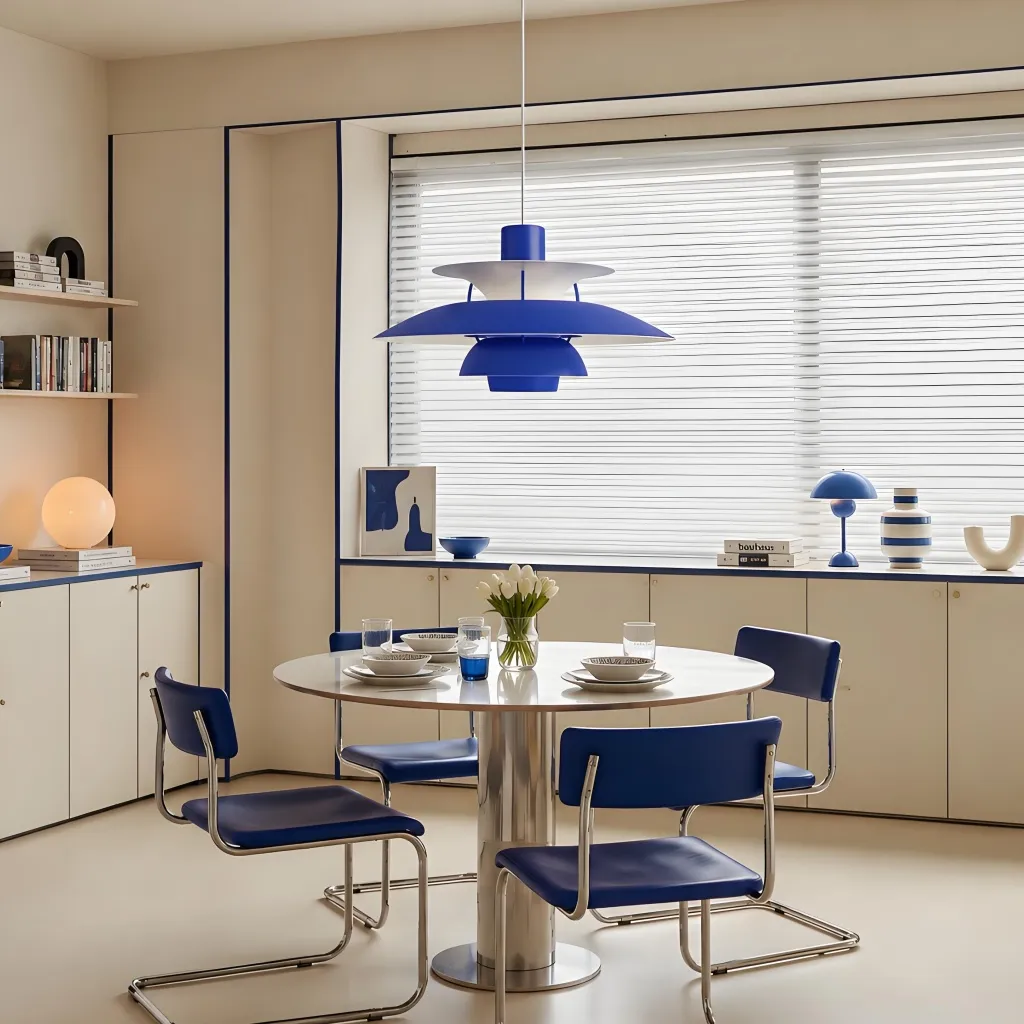
Review the Danish-inspired layered metal pendant light only after recording your table and ceiling measurements. Its layered profile can anchor a dining room, but exact finish, dimensions, cable details, bulb rating, and included hardware should come from the listing.
Check the current product details, then read What Size Pendant Light for a Dining Table? 30 cm vs 50 cm Buying Guide for diameter and Best Low-Glare Pendant Lights for Dining Rooms: What to Check Before Buying for eye-level shielding.
Common height mistakes
Do not measure from the floor to the bottom of the cable; measure to the bottom of the shade. Do not copy a staged photo without knowing the table height. Do not leave excess cable coiled visibly at the canopy, and do not assume a higher fixture automatically removes glare. Recheck the room with chairs pulled out and the table set for serving.
FAQ: dining pendant height
Is 75 to 90 cm a fixed rule?
No. It is a useful starting range. Adjust for shade depth, ceiling height, table use, and sightlines.
What if people are tall?
Begin near the upper end, then test standing and seated views before finalising the drop.
Can a pendant hang lower over a small round table?
Yes, if the diameter is modest, the bulb is shielded, and the fixture does not interrupt conversation or movement.
How do I plan a sloped ceiling?
Confirm that the canopy can sit level and the cable exits vertically at the table centre. Check the manufacturer's mounting instructions.
Should I install the ceiling point before buying?
Choose the size and suspension first, then confirm the point and mounting method. A qualified installer can verify existing wiring and support.