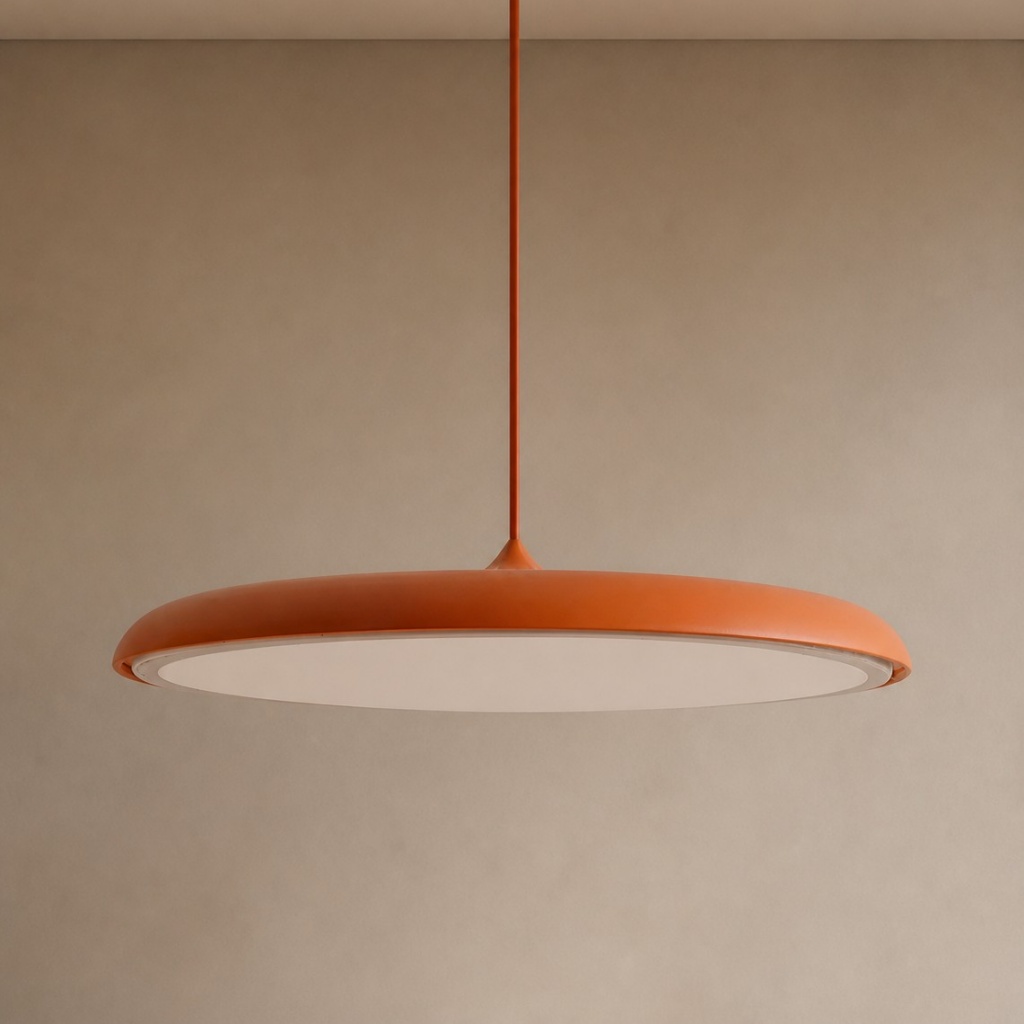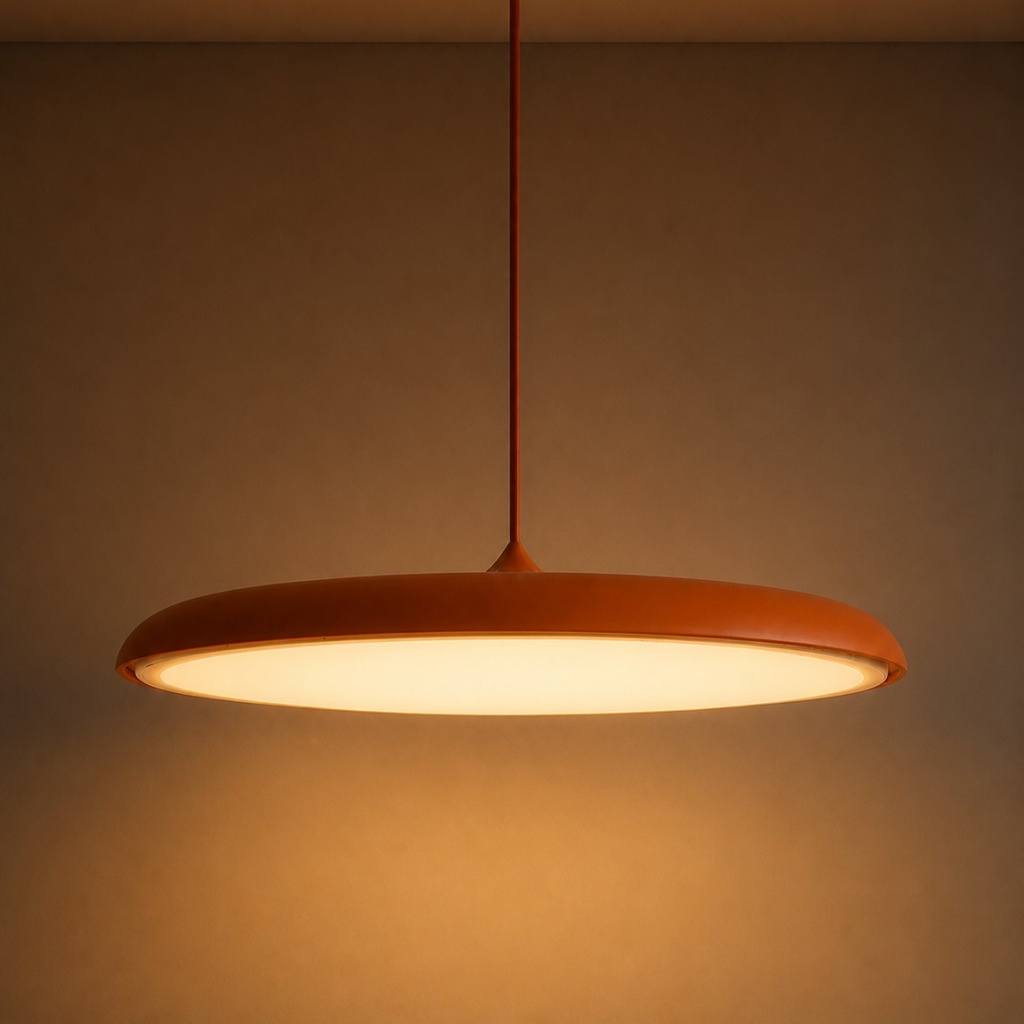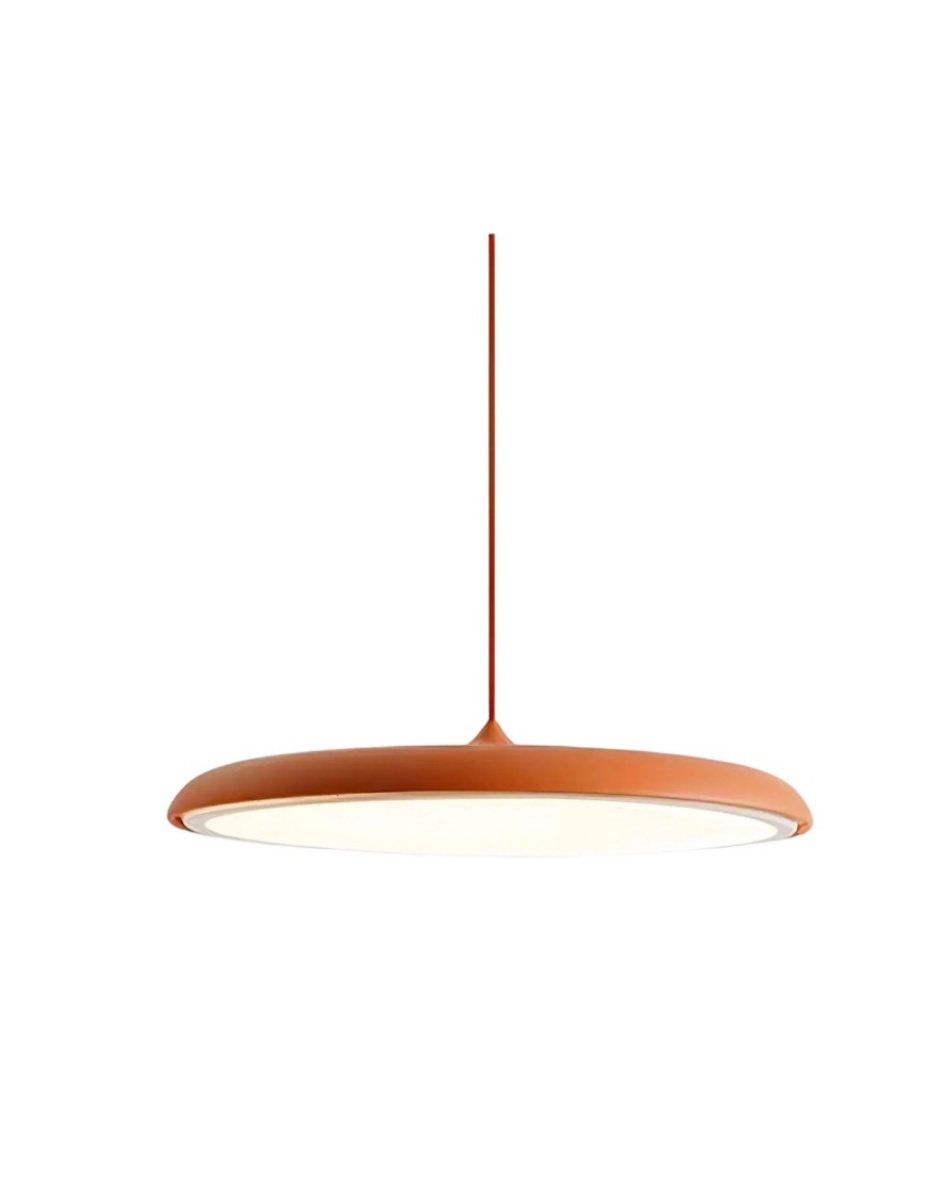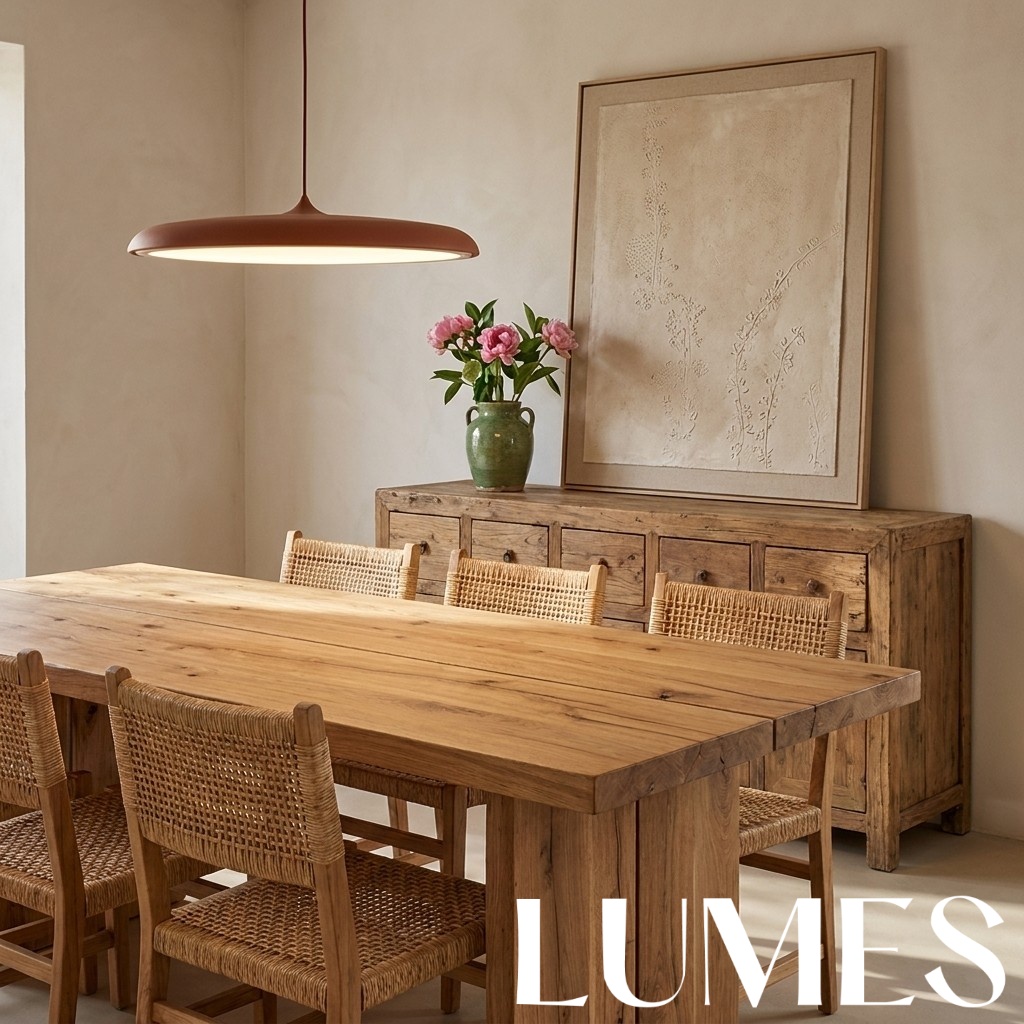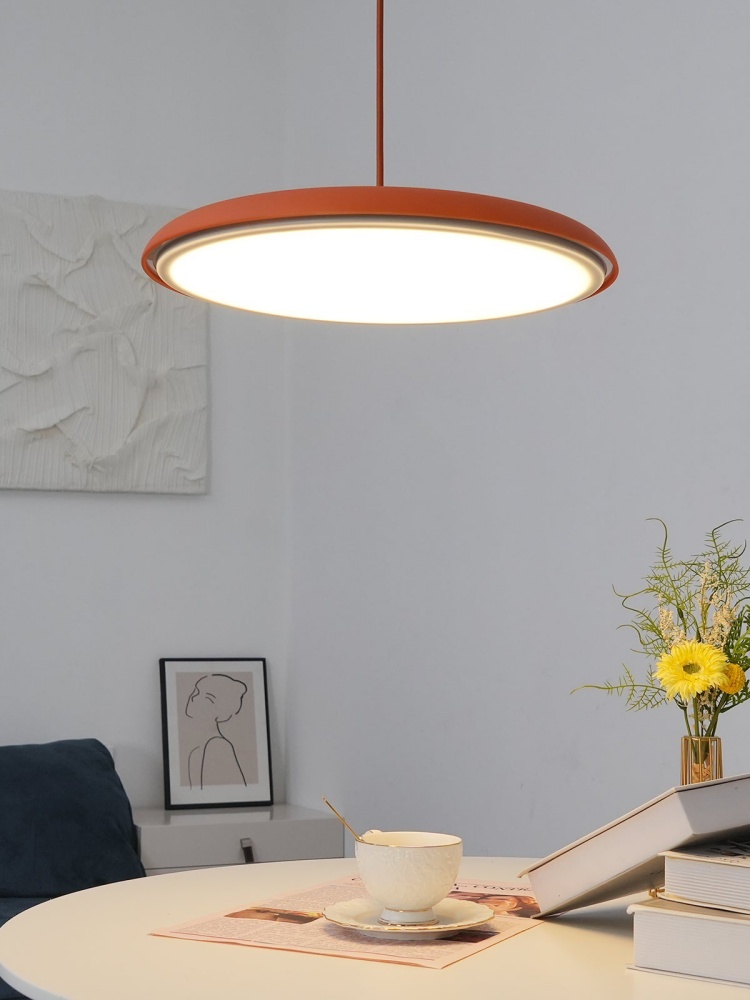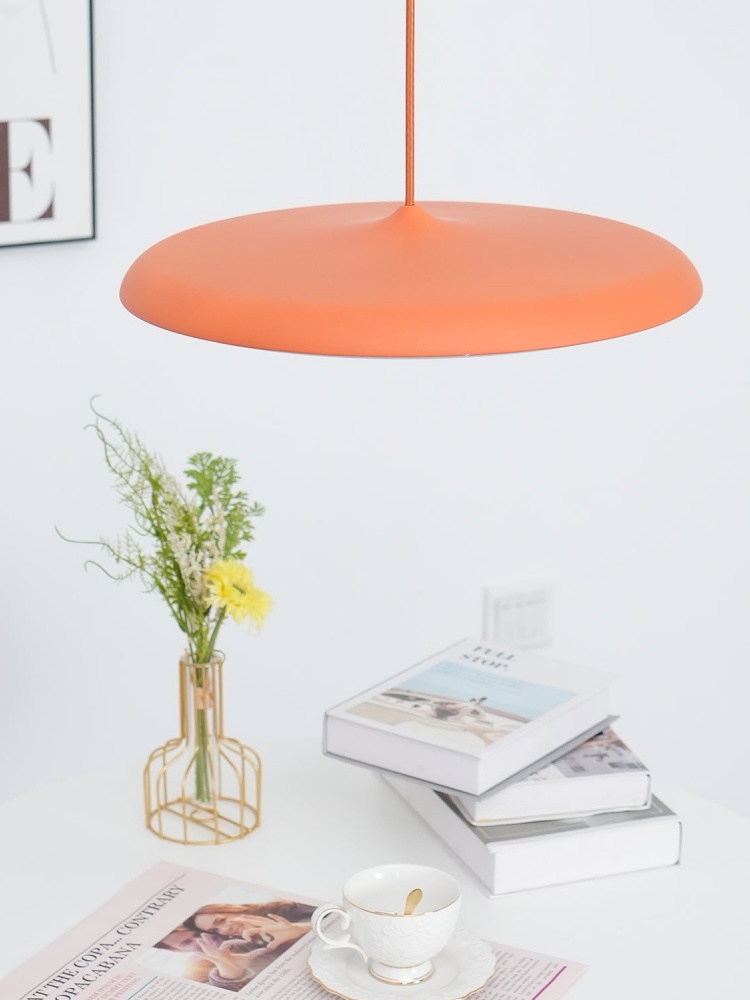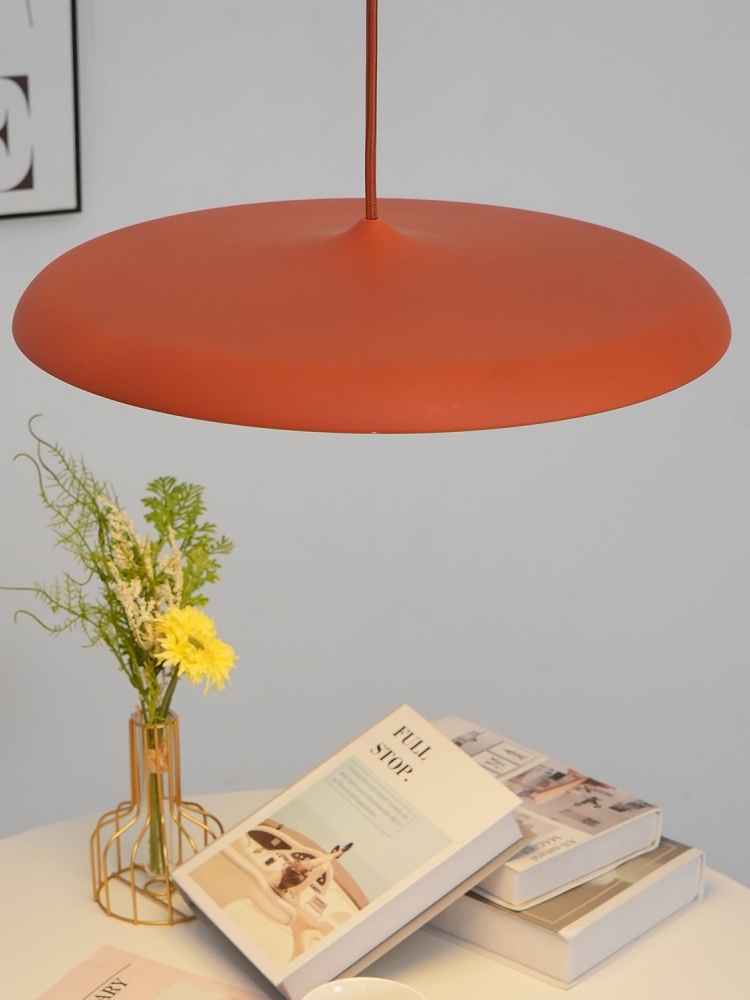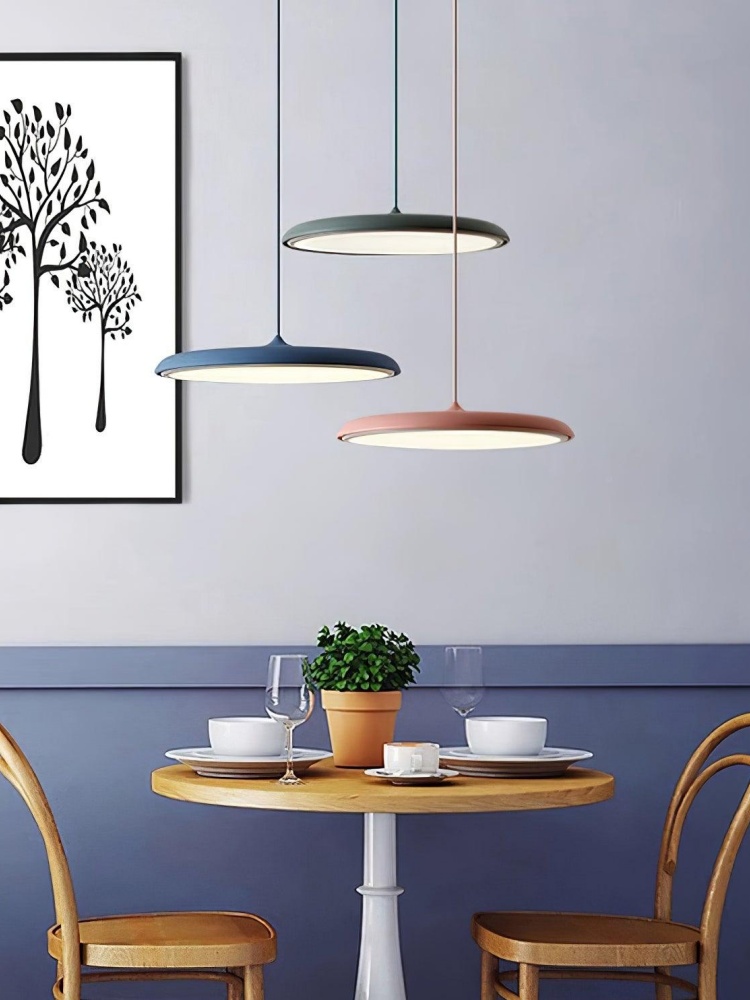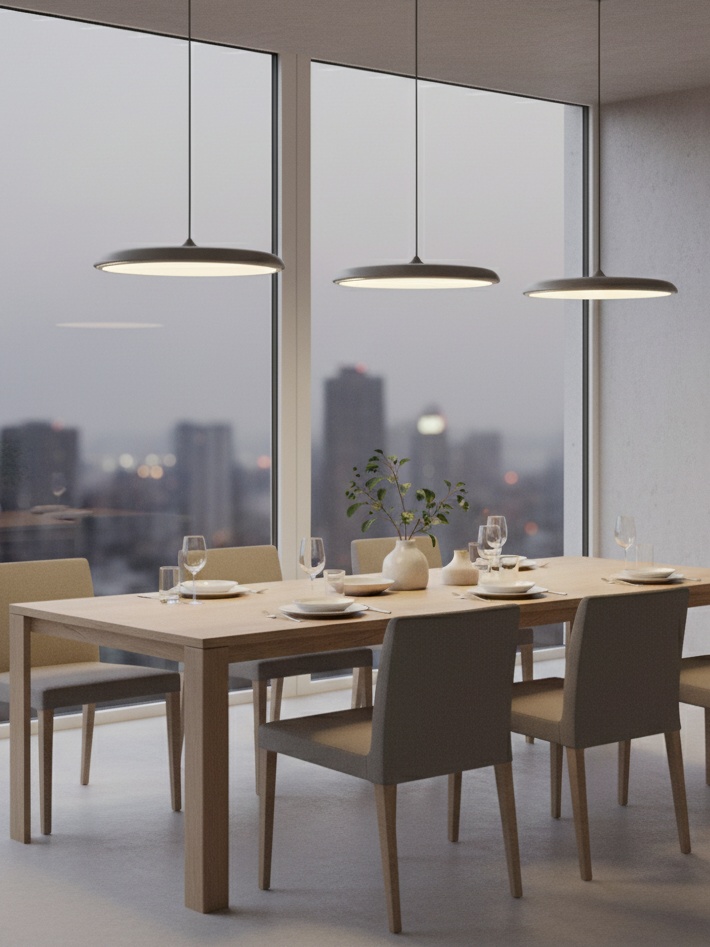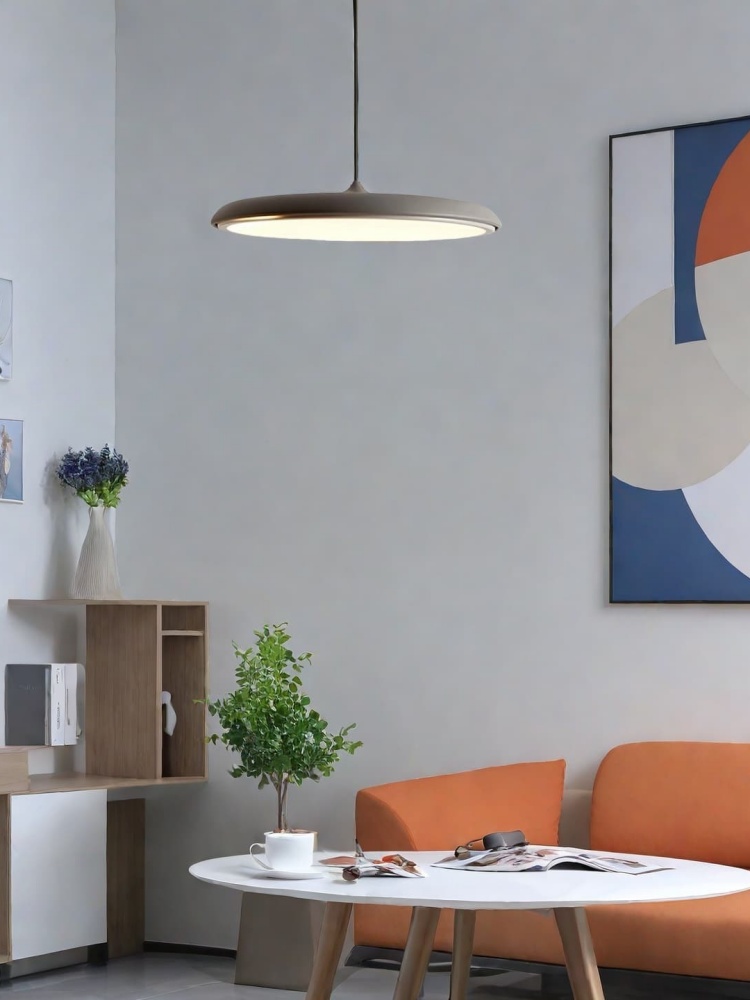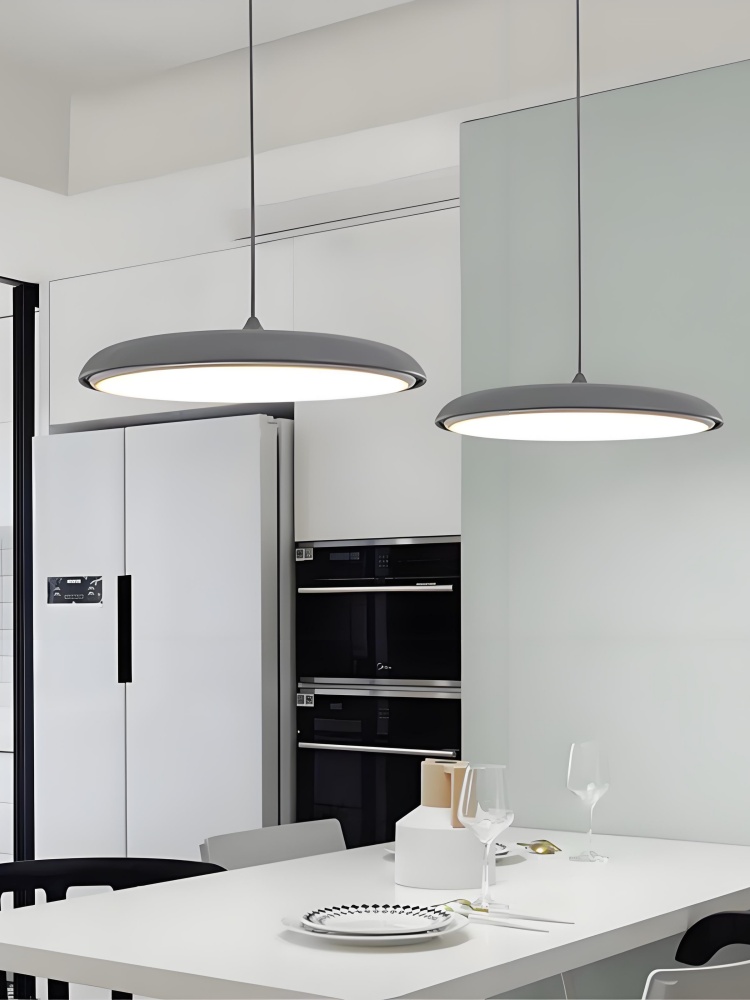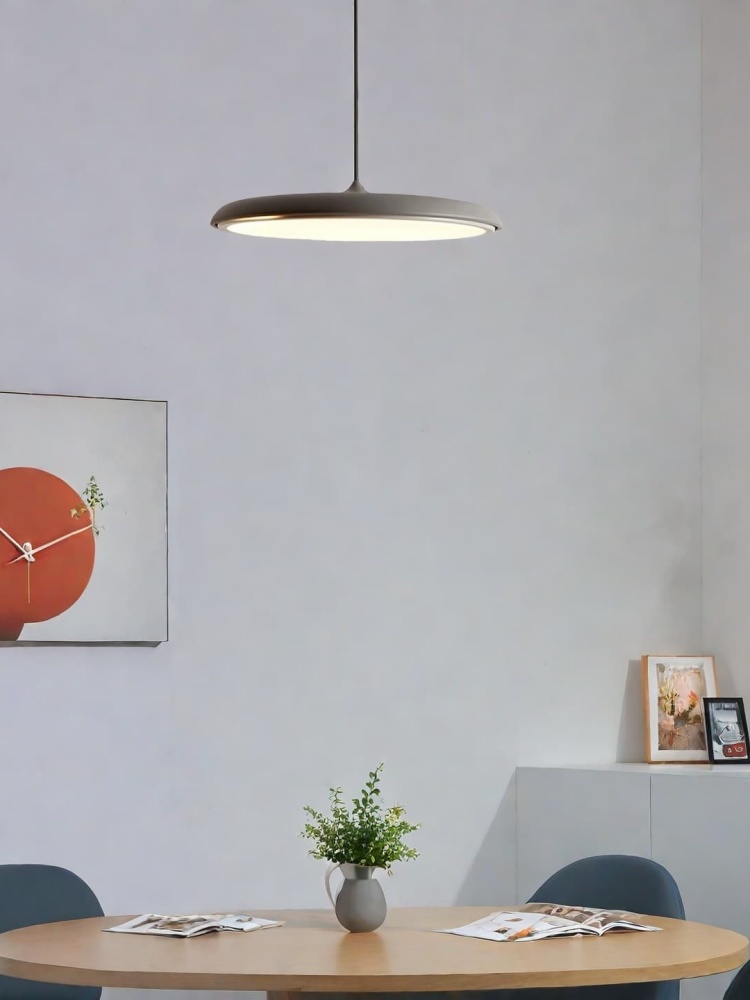



A pendant light can make a room feel considered before any other decorative change is made. The best results, however, come from more than choosing an attractive shape. Scale, hanging height, placement, material, brightness, and glare all affect whether the fixture supports the room or simply occupies the ceiling. This guide keeps the original designer-led approach while adding the practical checks needed before purchase and installation.
How to Choose Pendant Lighting at a Glance
Start with the room, not the fixture. Identify the surface or activity that needs light, measure the available width and height, then decide whether the pendant should create task focus, ambient glow, or both.
- Size: relate the widest part of the shade to the table, island, seating group, or open floor area below.
- Height: protect sightlines over furniture and head clearance in open walkways.
- Placement: centre the light on the real activity zone rather than automatically following the room centre.
- Light output: check delivered lumens, beam direction, colour temperature, glare control, and dimming compatibility.
- Material: choose a finish that works in daylight and responds well when illuminated at night.
Explore Pendant Lights by Size and Style
Choose the Right Size, Height, and Light Output
An undersized pendant can disappear above substantial furniture, while an oversized fixture can crowd sightlines and nearby cabinets. Instead of relying on one universal formula, compare three measurements: the width of the surface below, the widest part of the shade, and the clear space needed around the fixture.
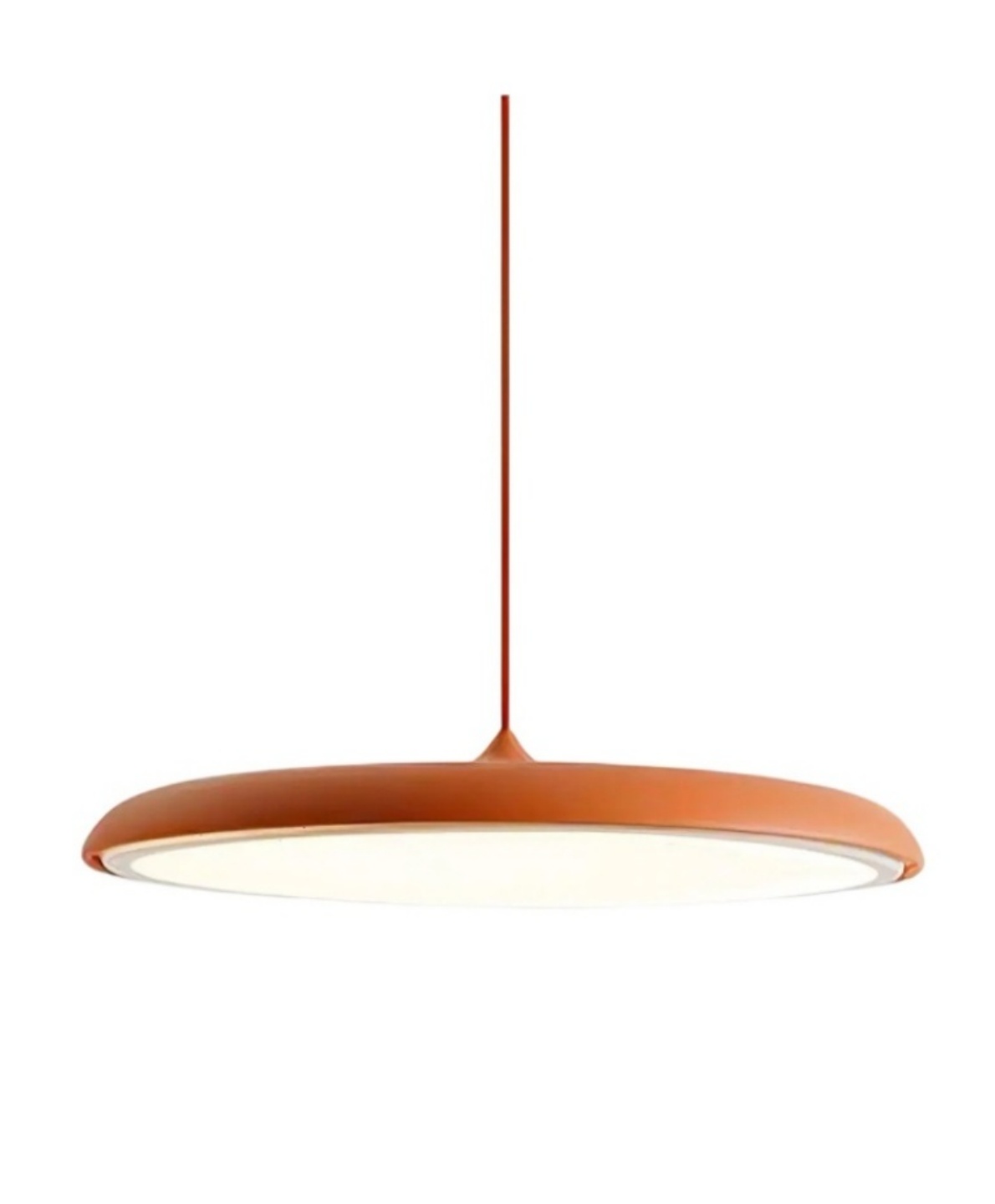
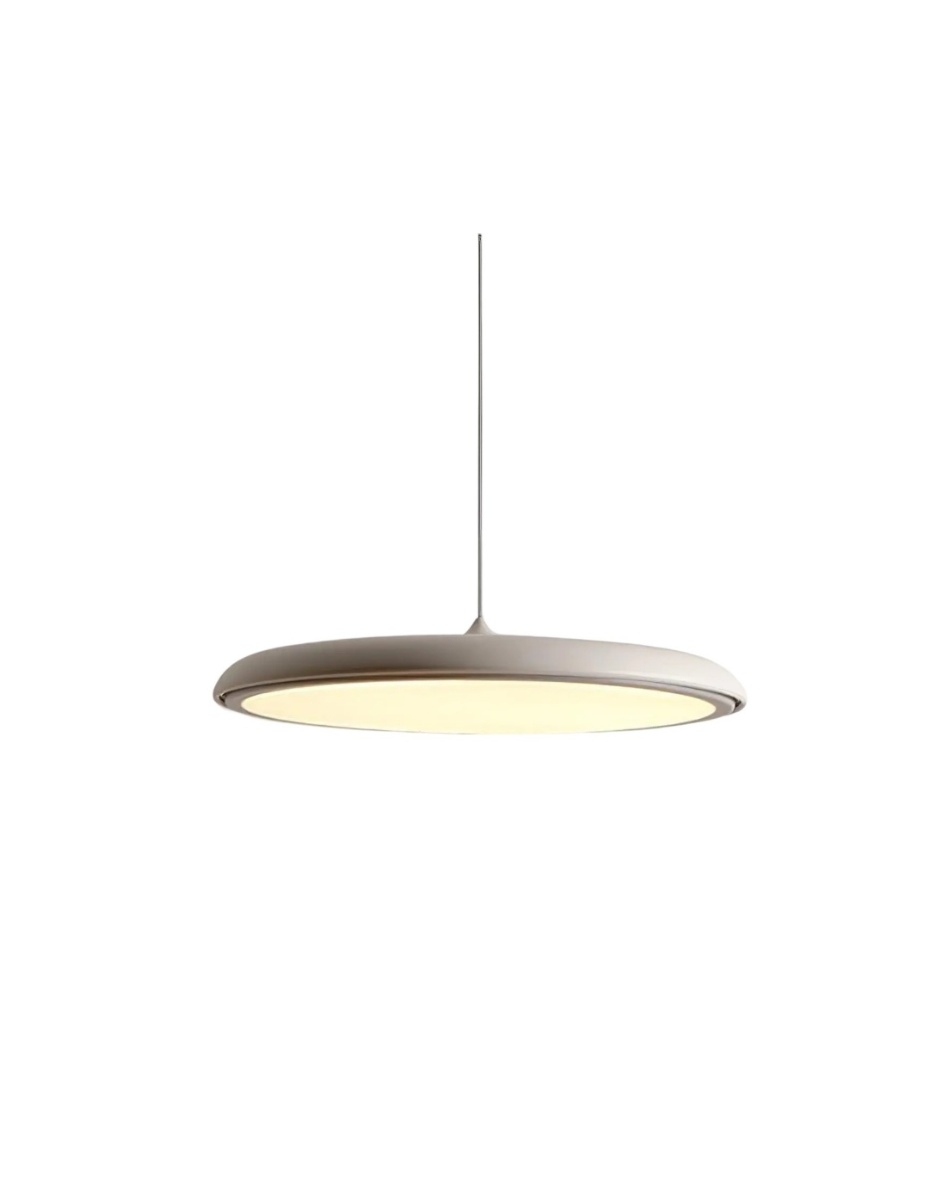
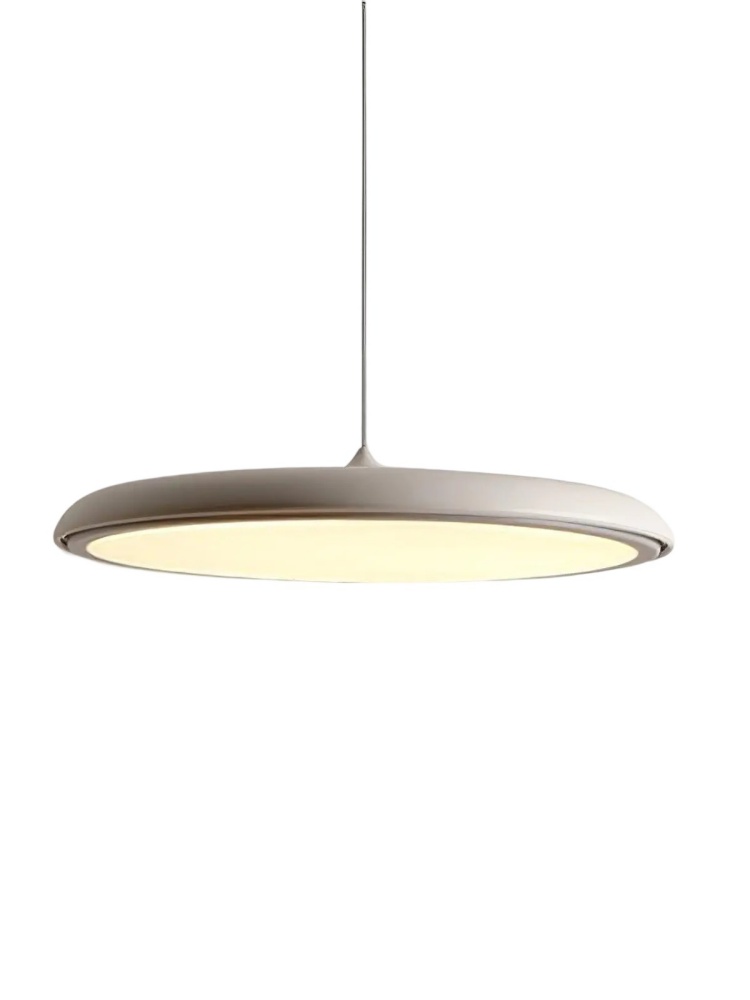
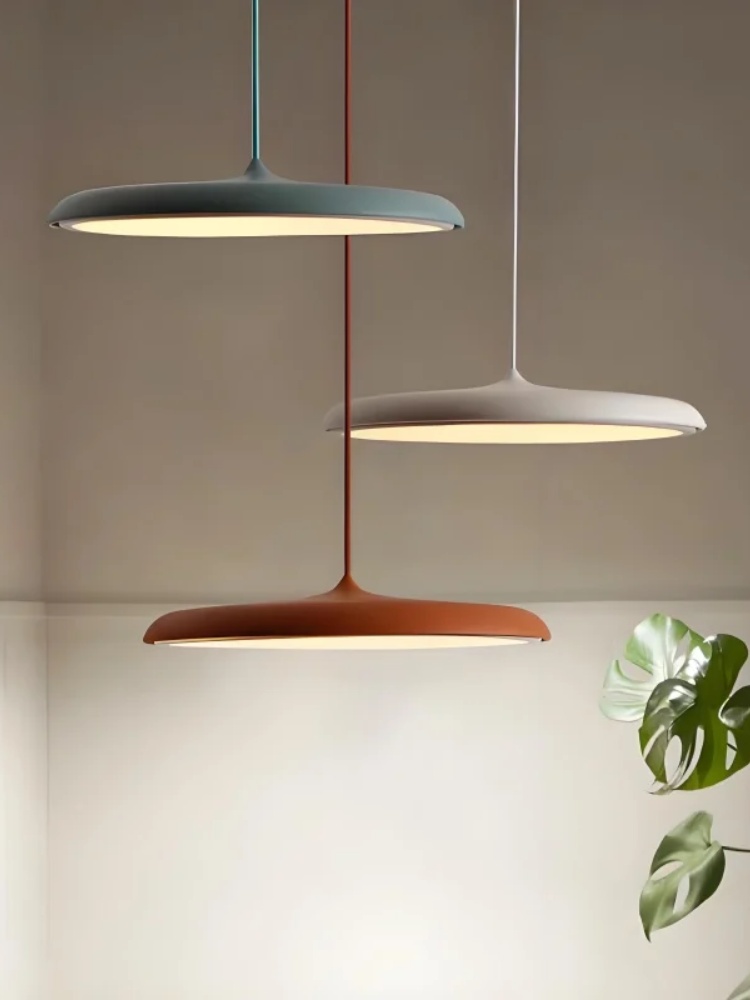
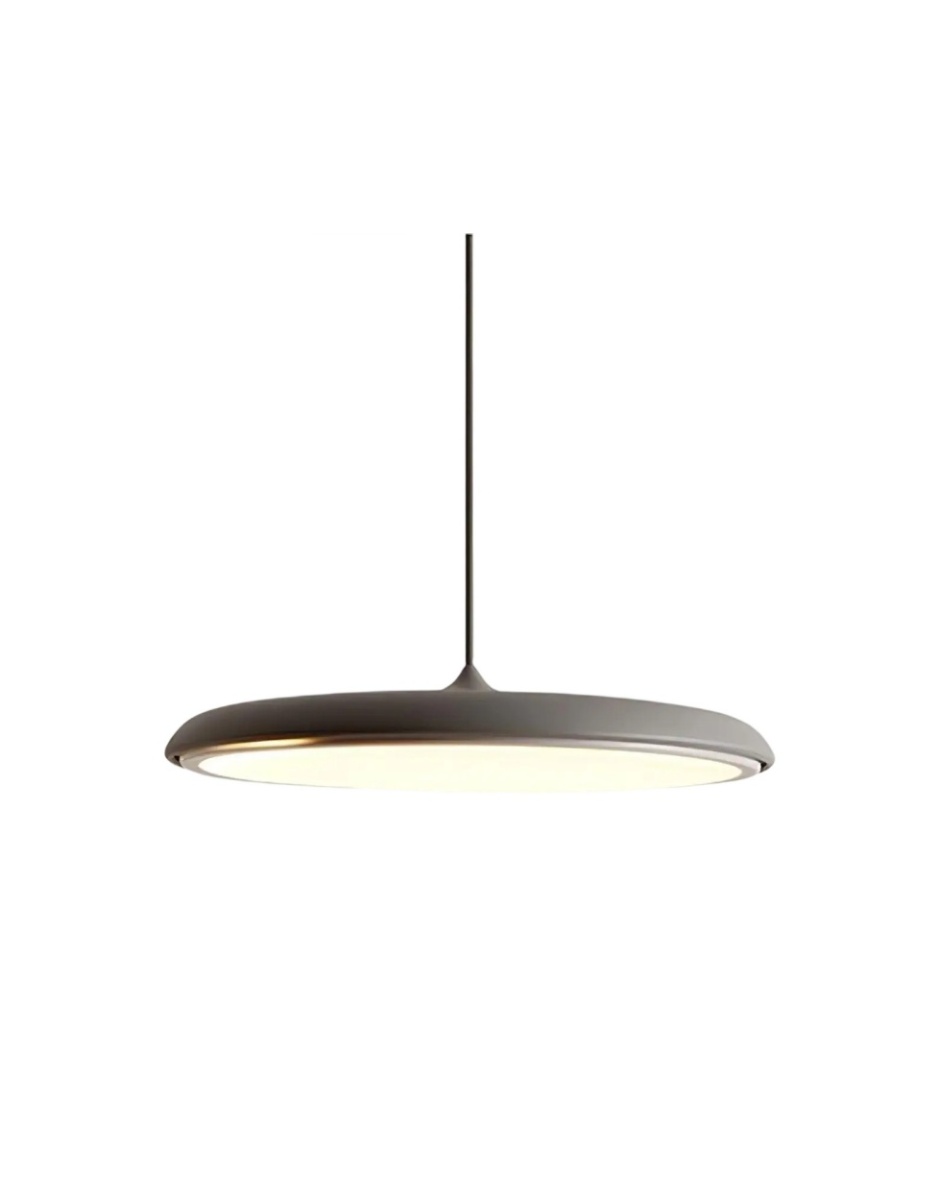
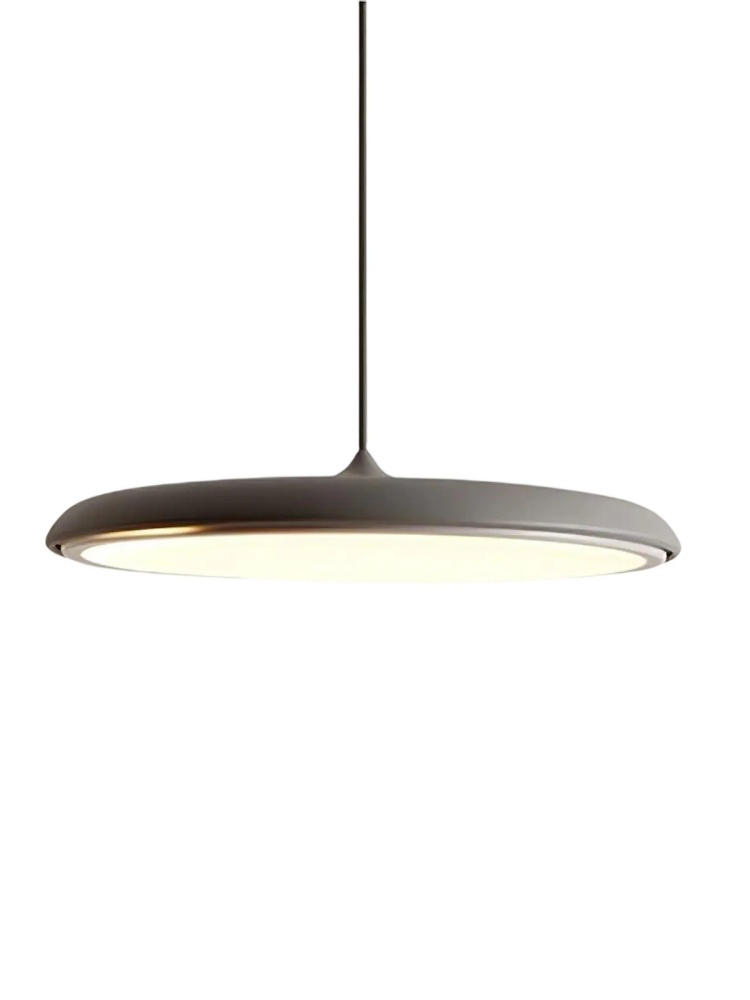
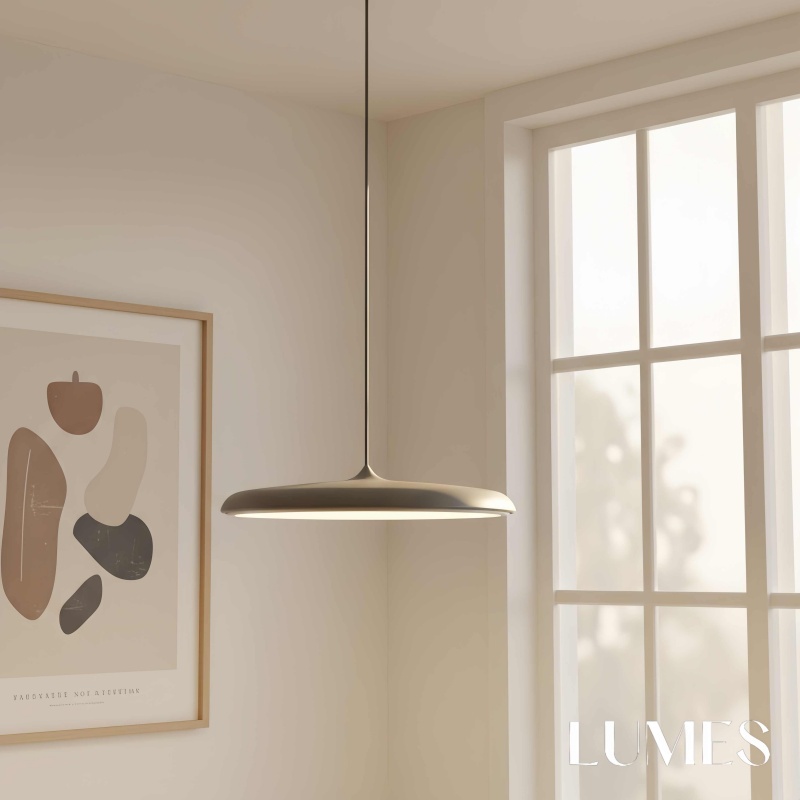
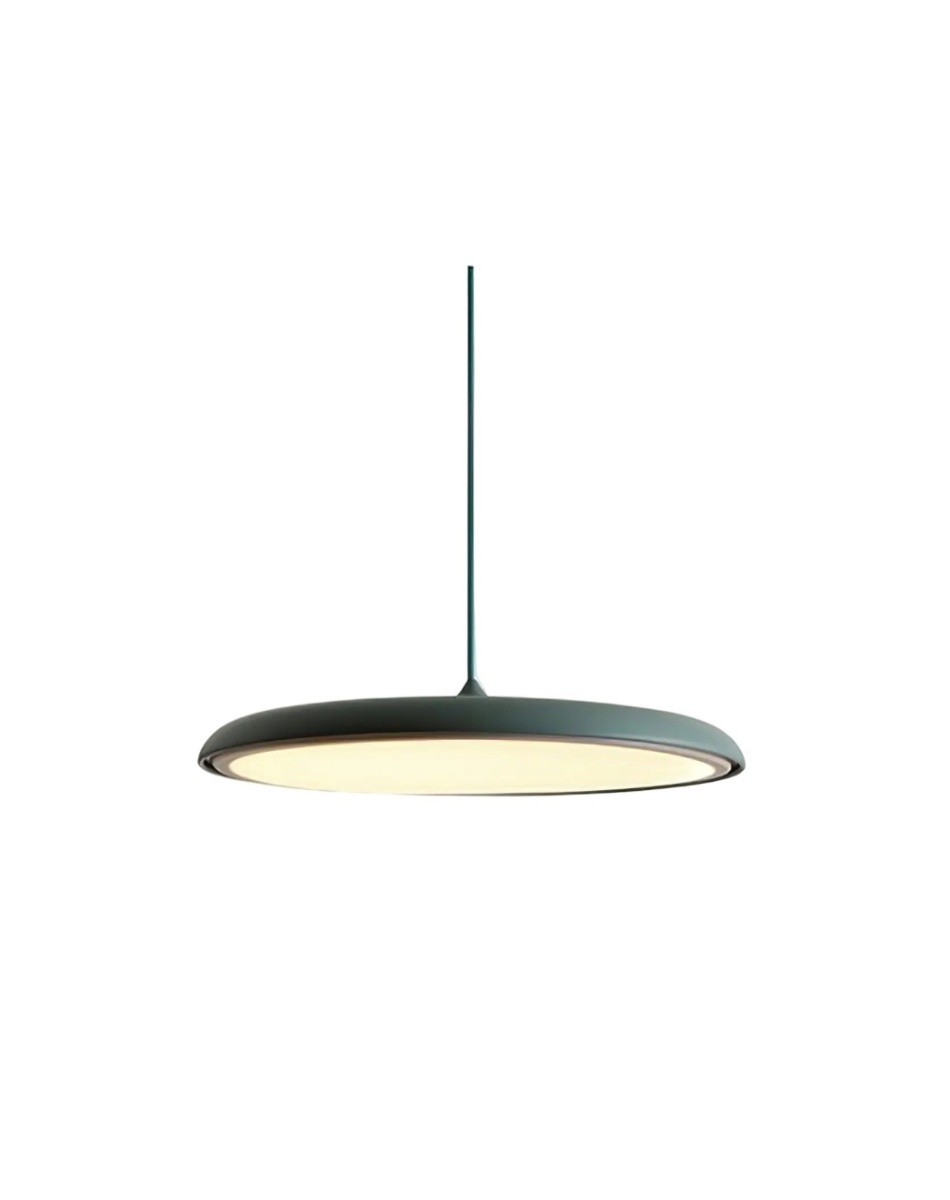
Perceived size also changes with the shade profile and finish. A broad, slim disc may look lighter than a deep dome with the same diameter, while a matte surface usually reads more quietly than polished metal or clear glass. Judge both the measured dimensions and the visual weight from normal room views.
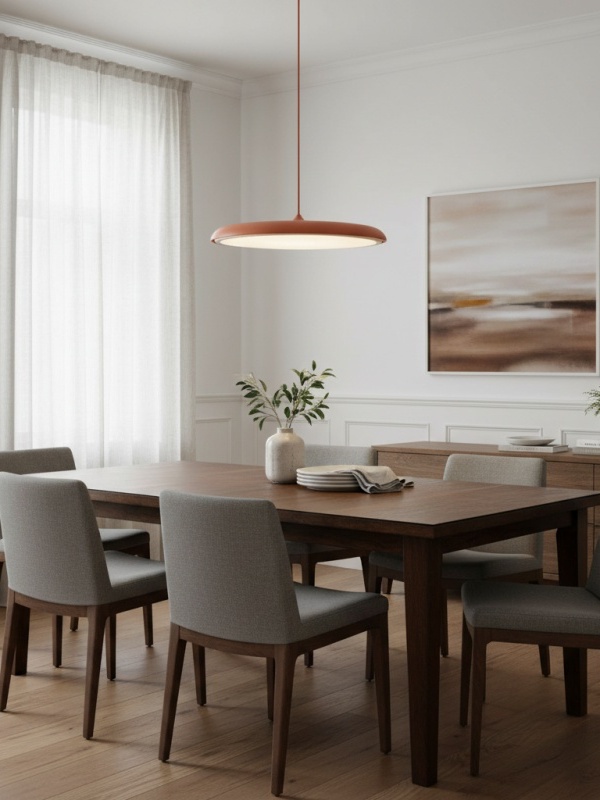
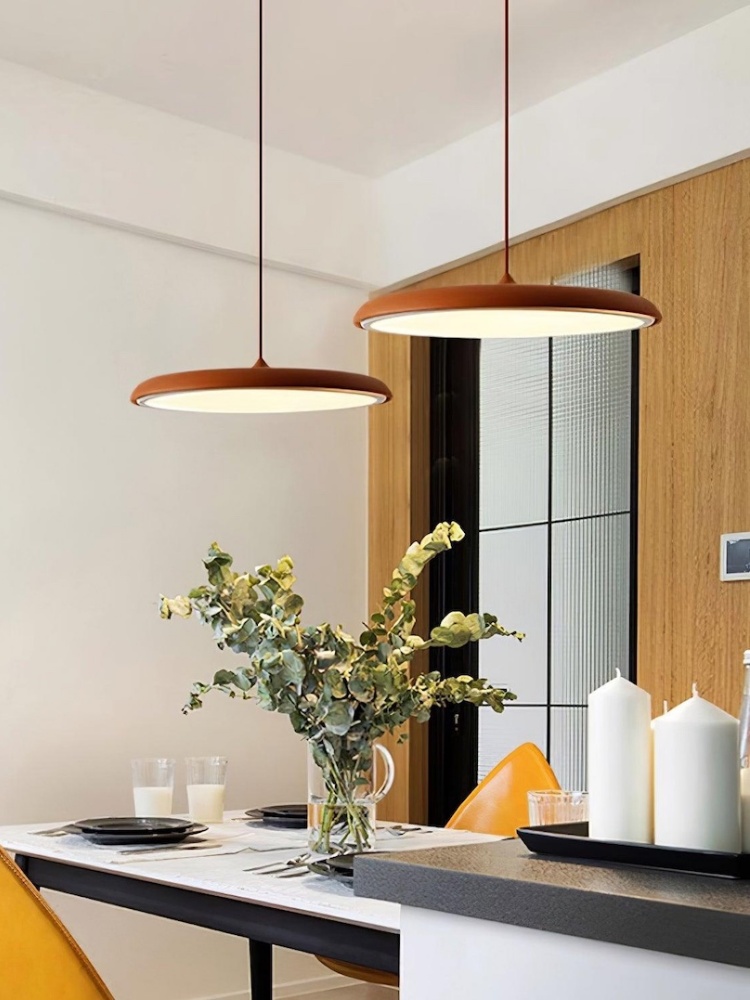
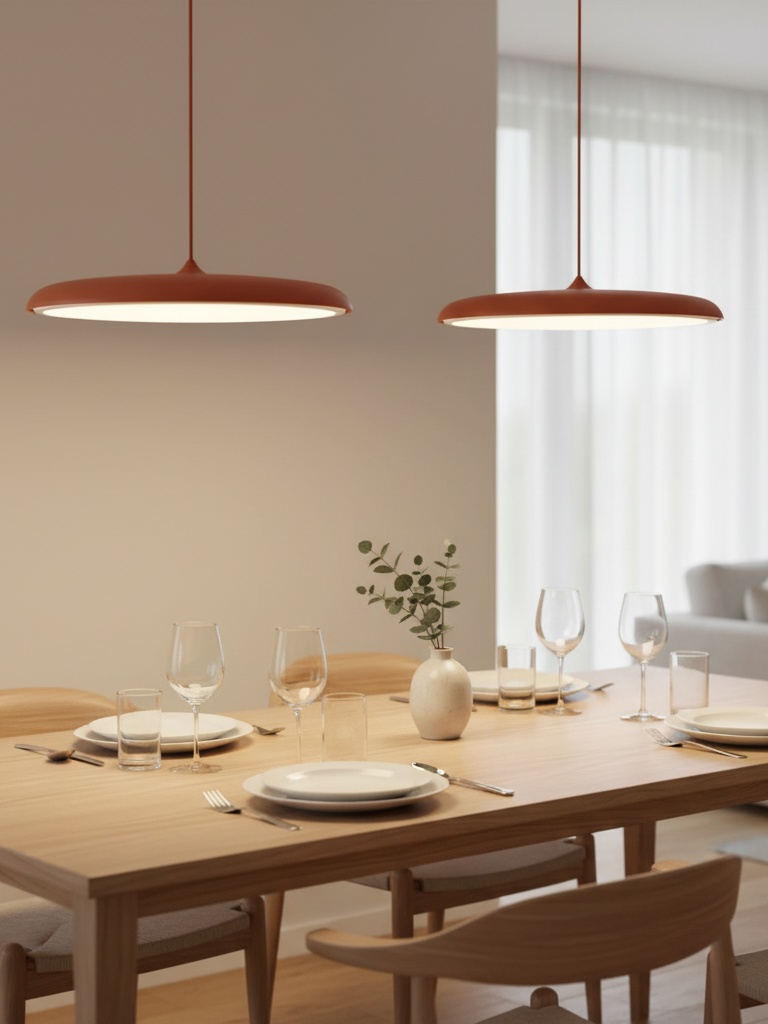
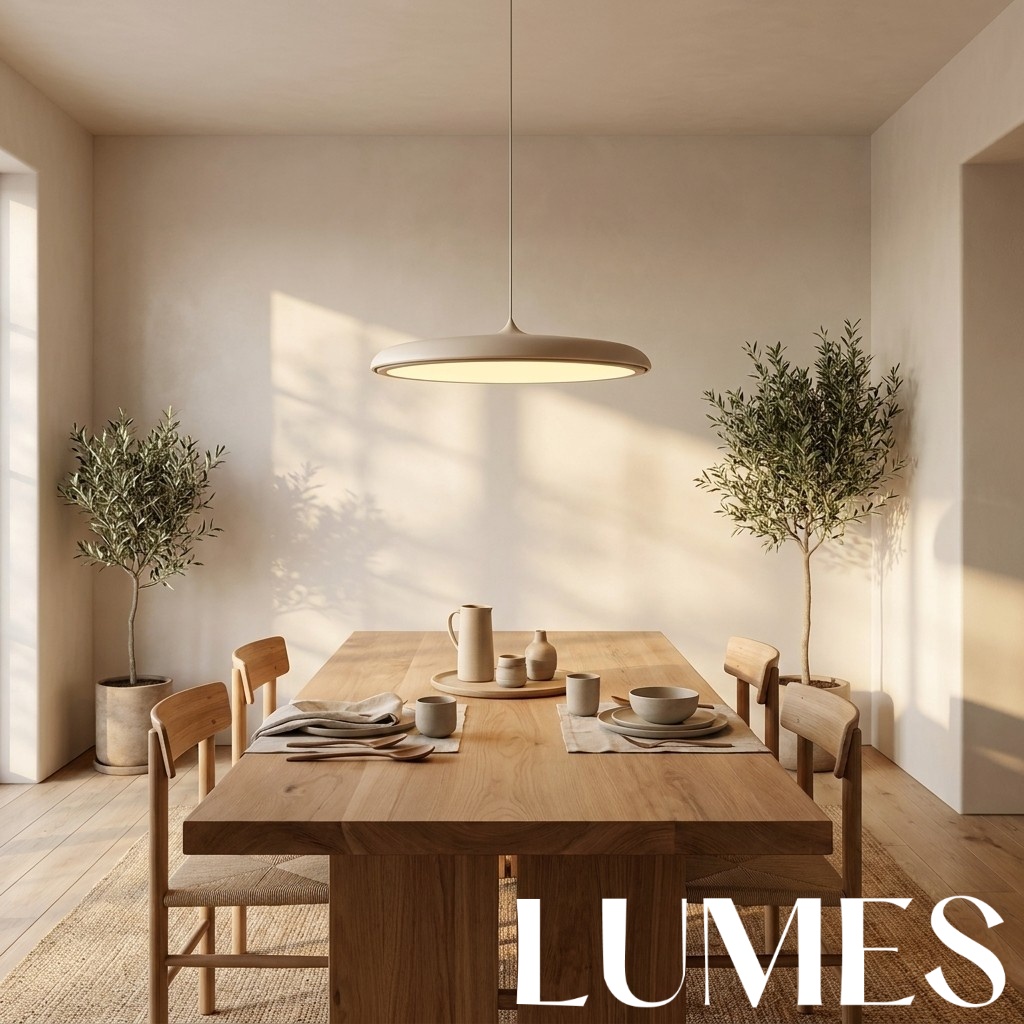
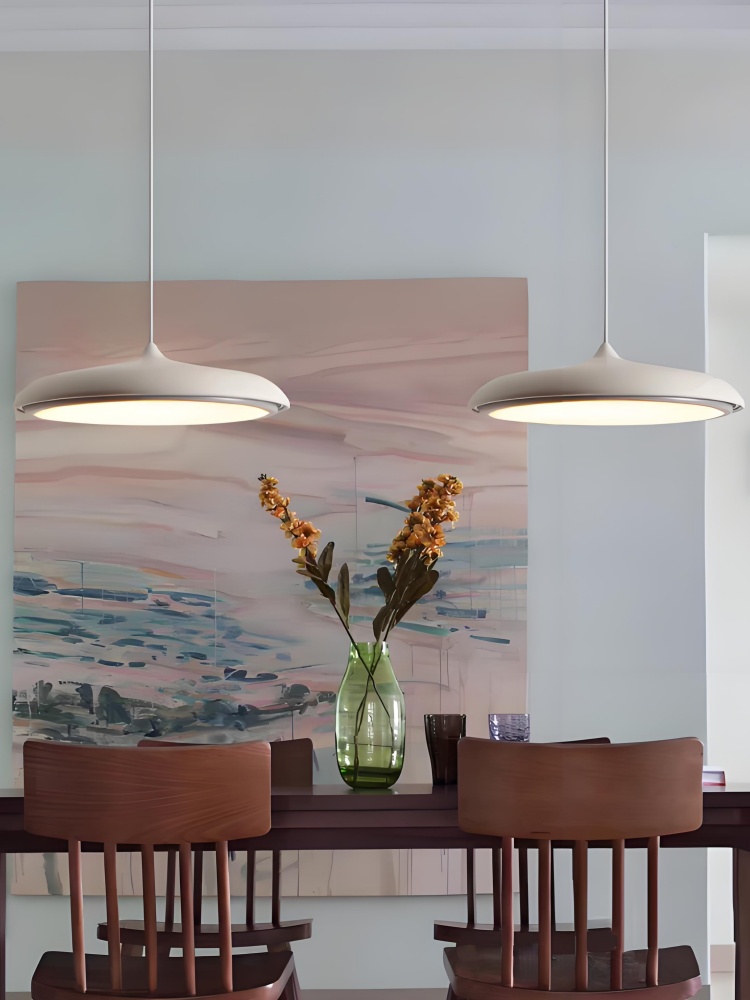
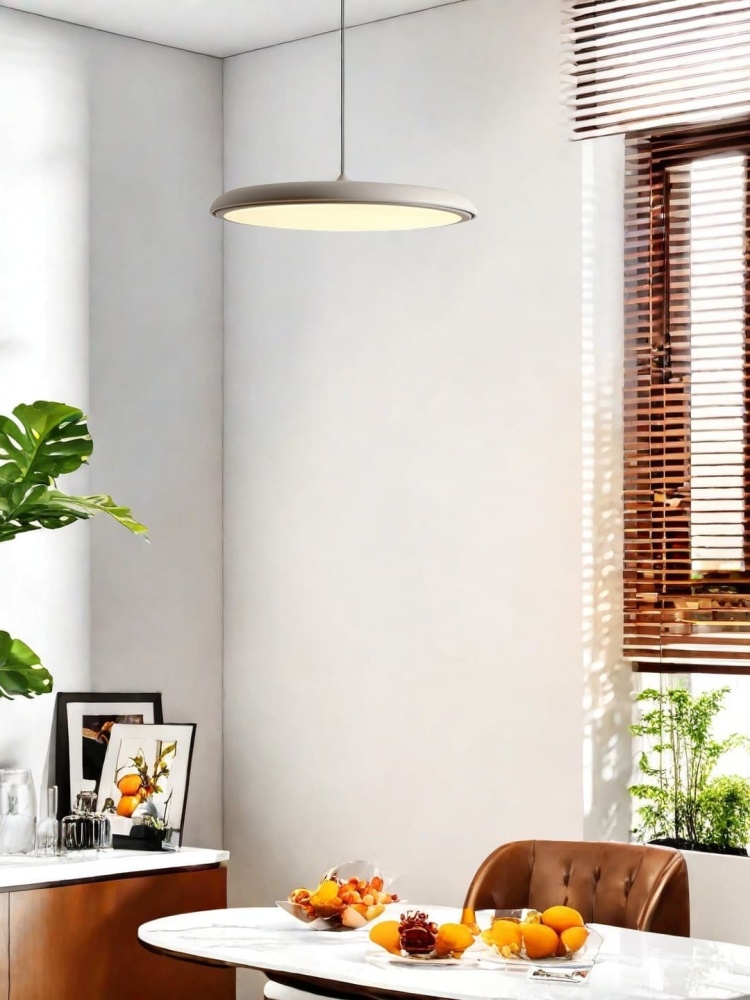
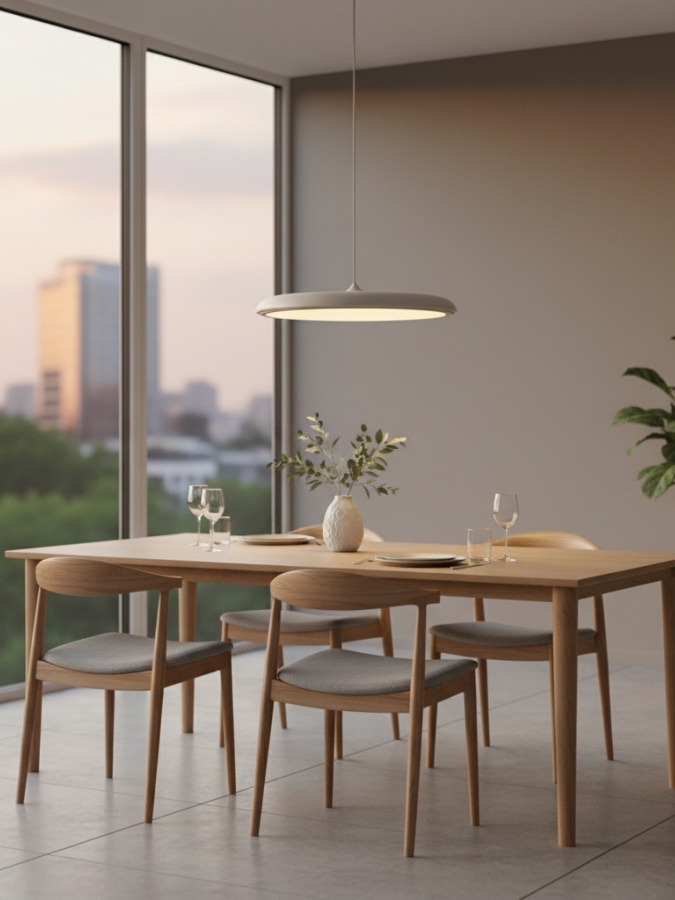
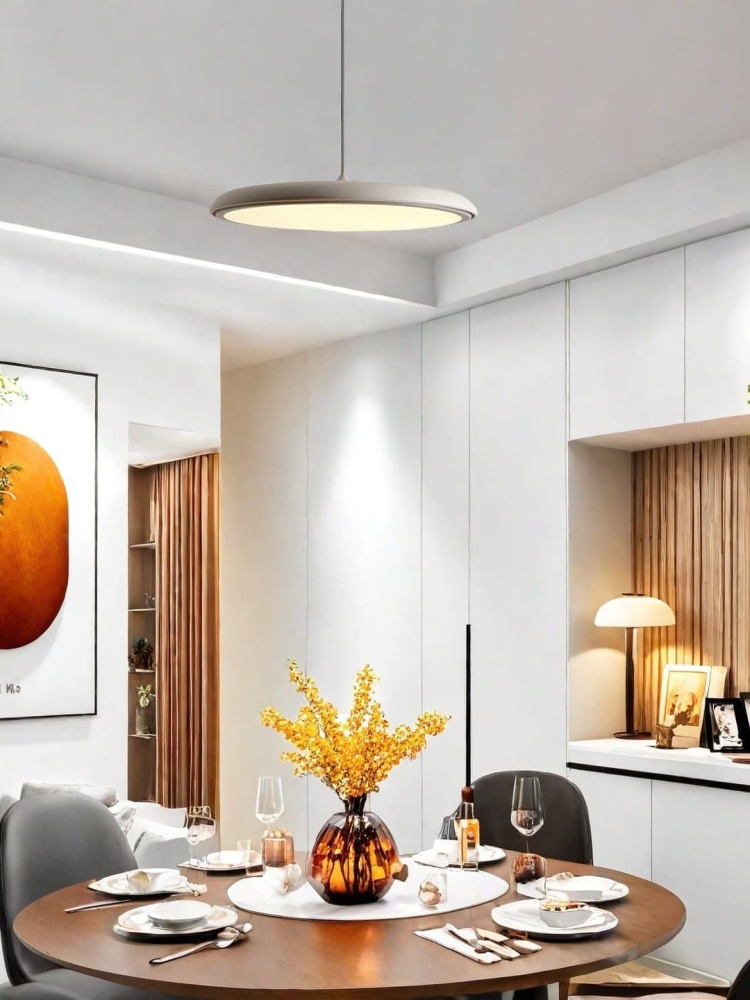
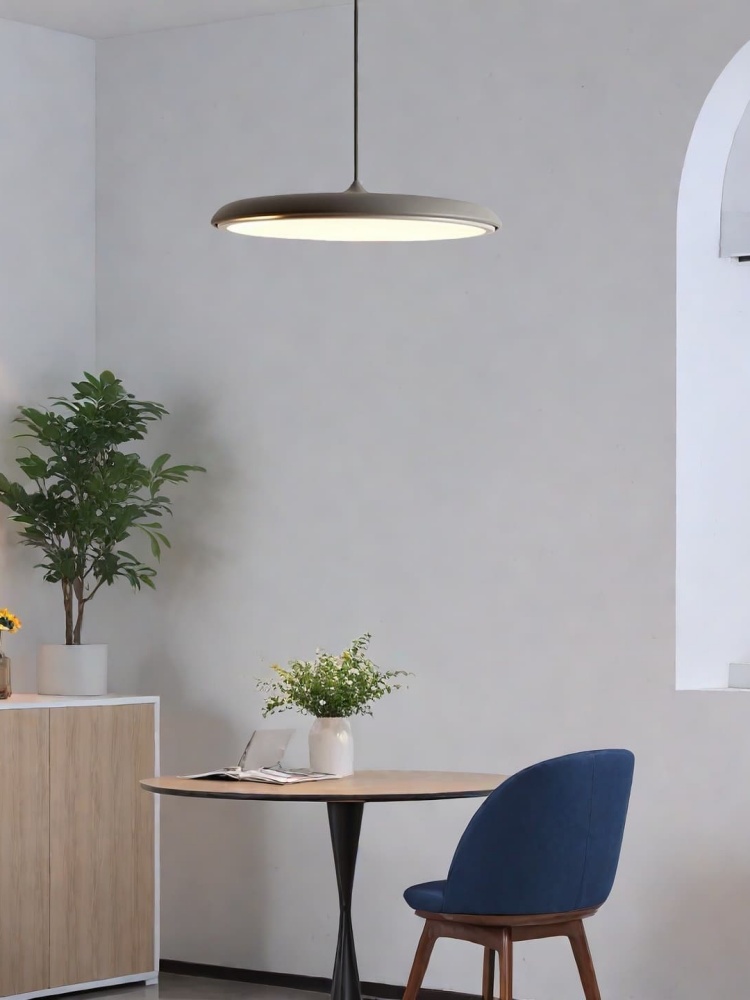
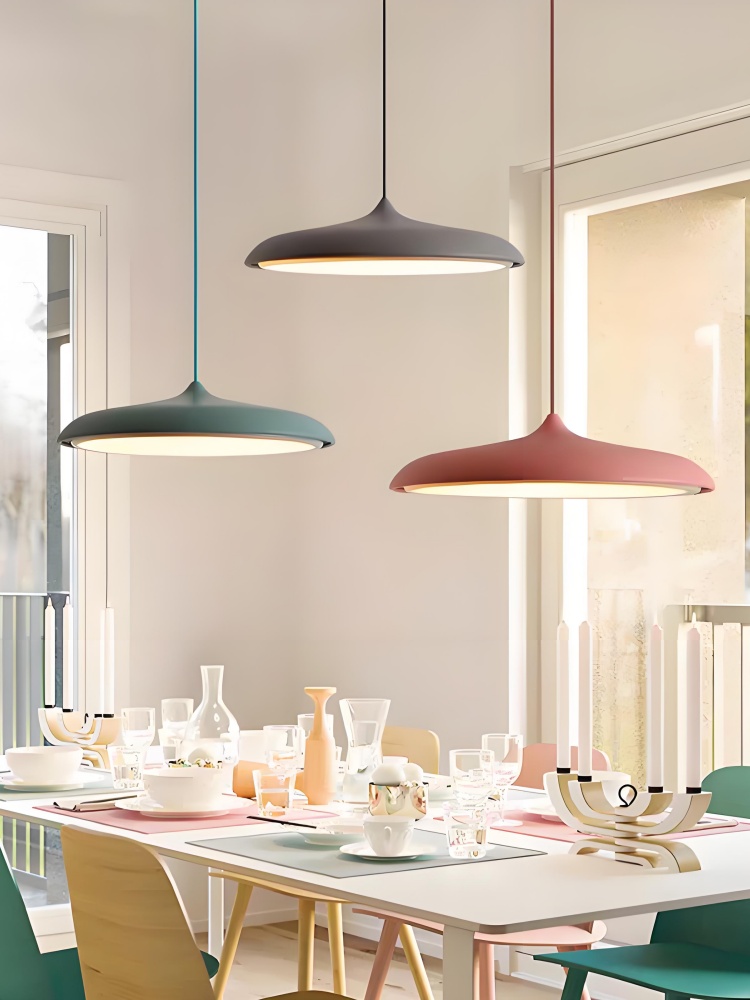
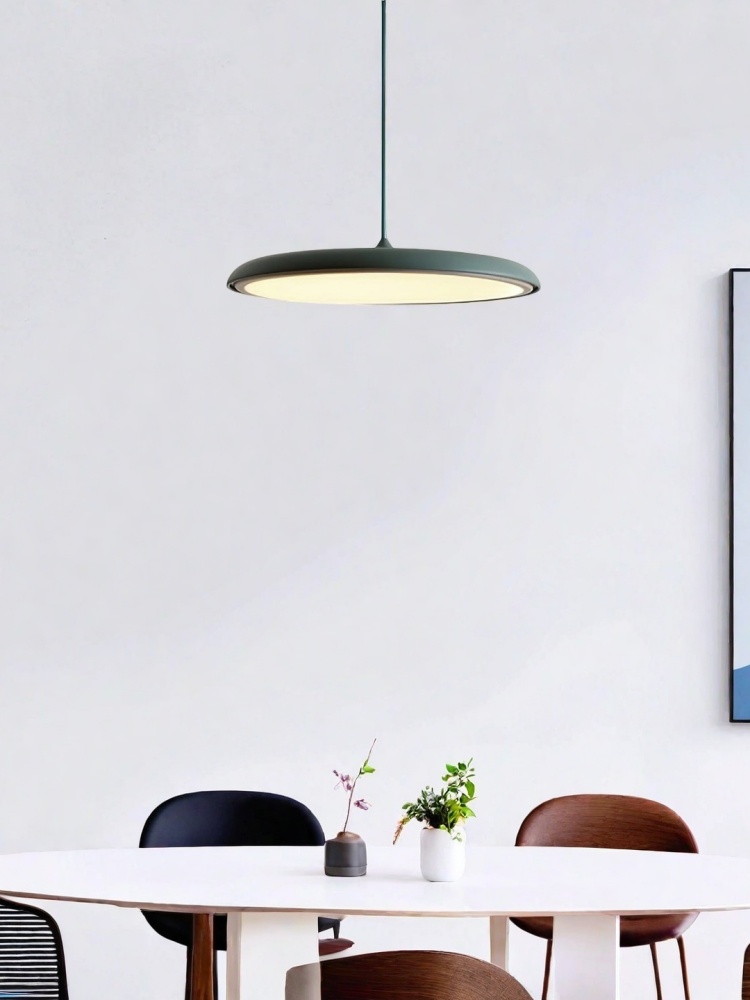
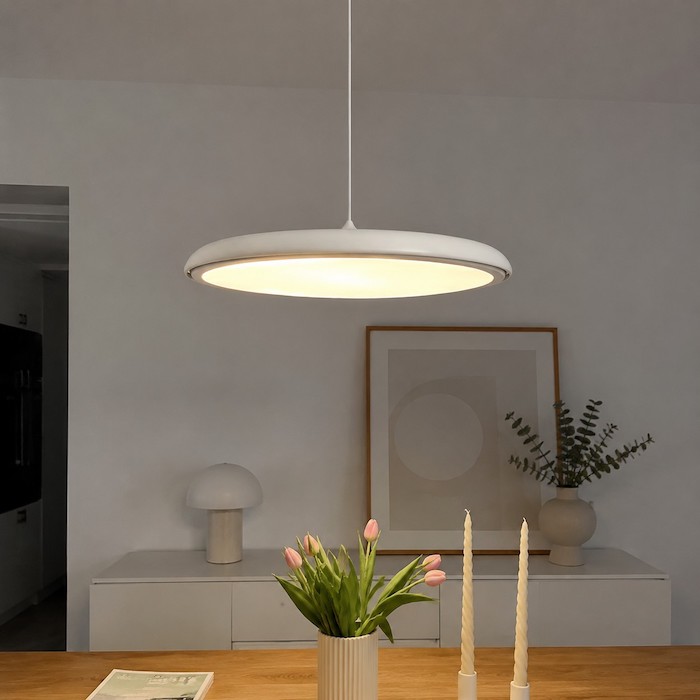
Over a dining table: keep the shade visually contained within the table edges. A useful starting point is to leave about 15 to 30 cm between the widest part of the pendant and each table edge. Long tables may suit a linear pendant or two smaller fixtures better than one compact light.
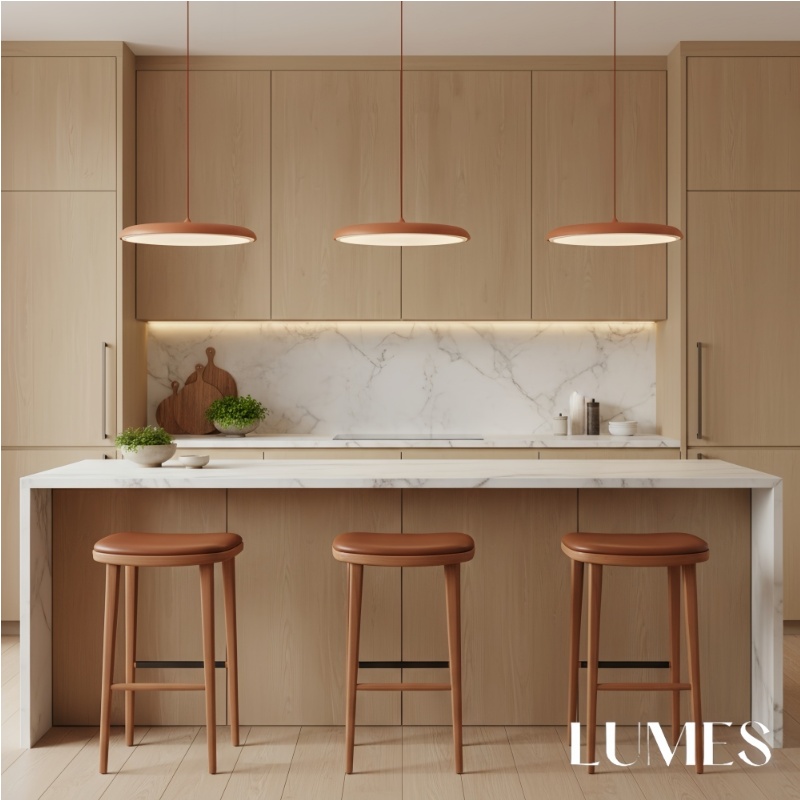
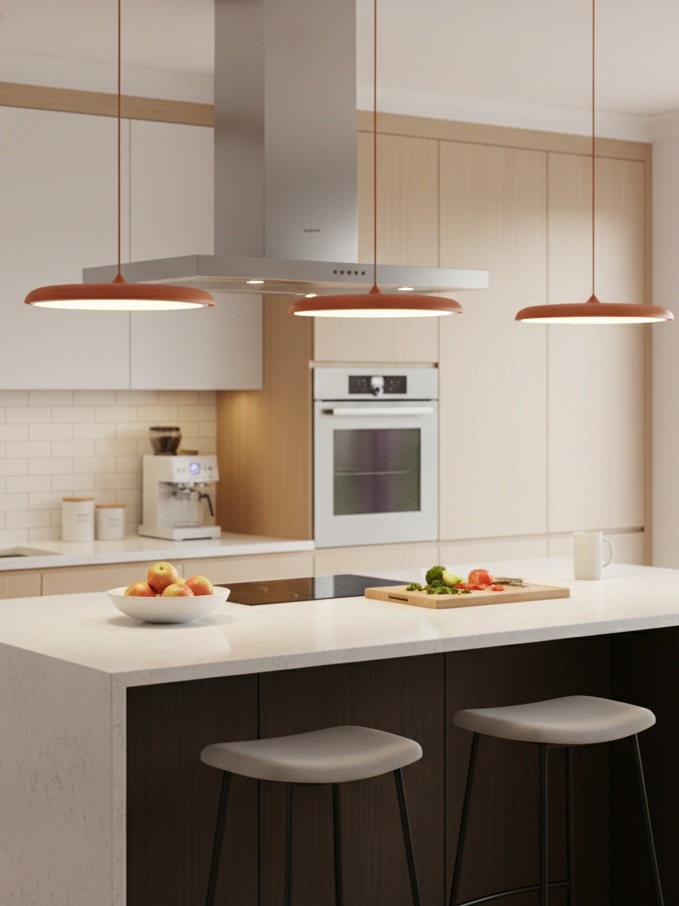
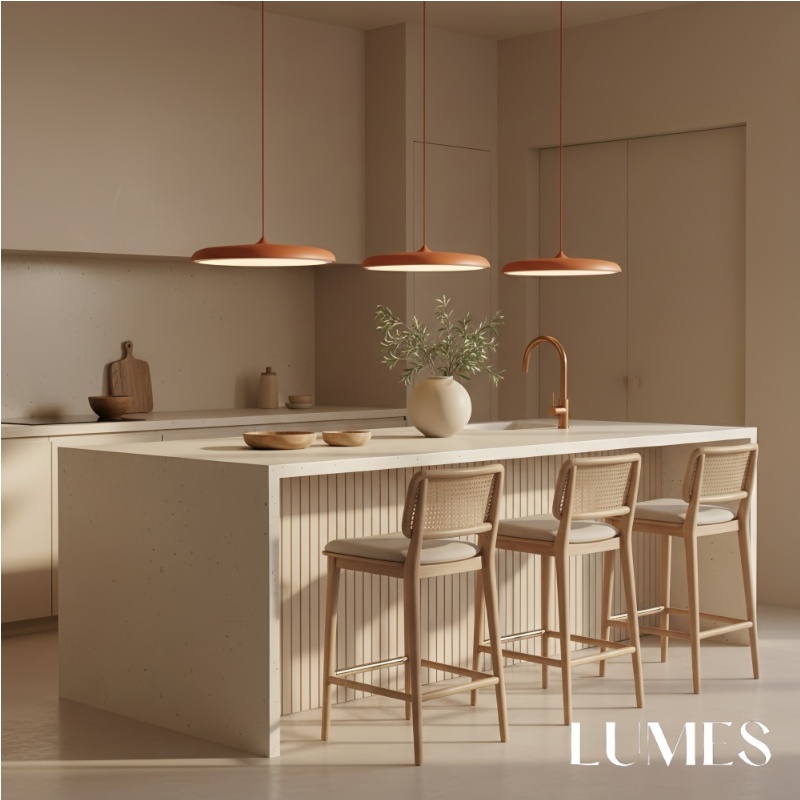
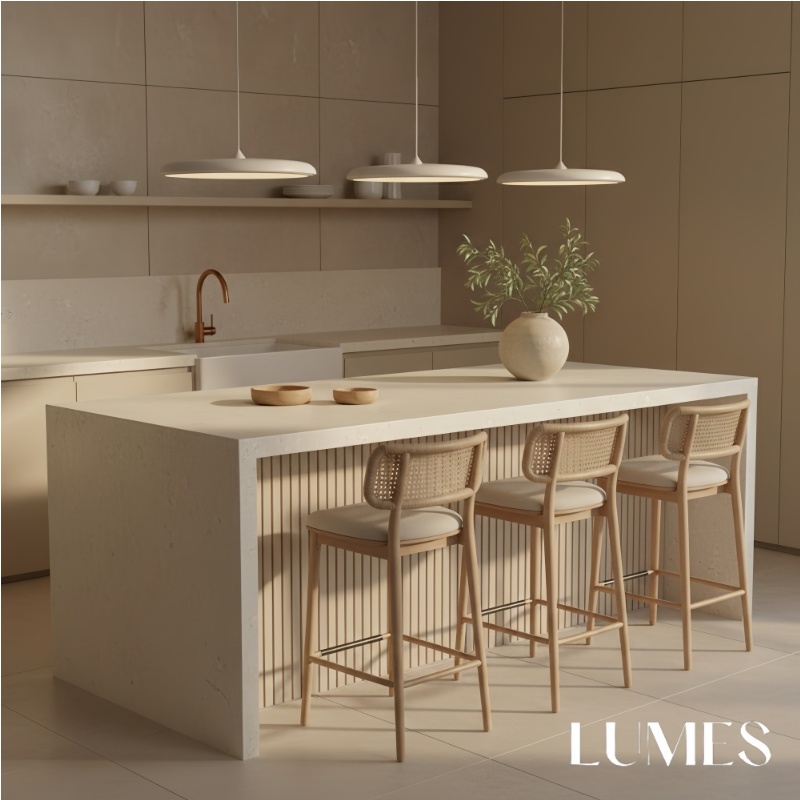
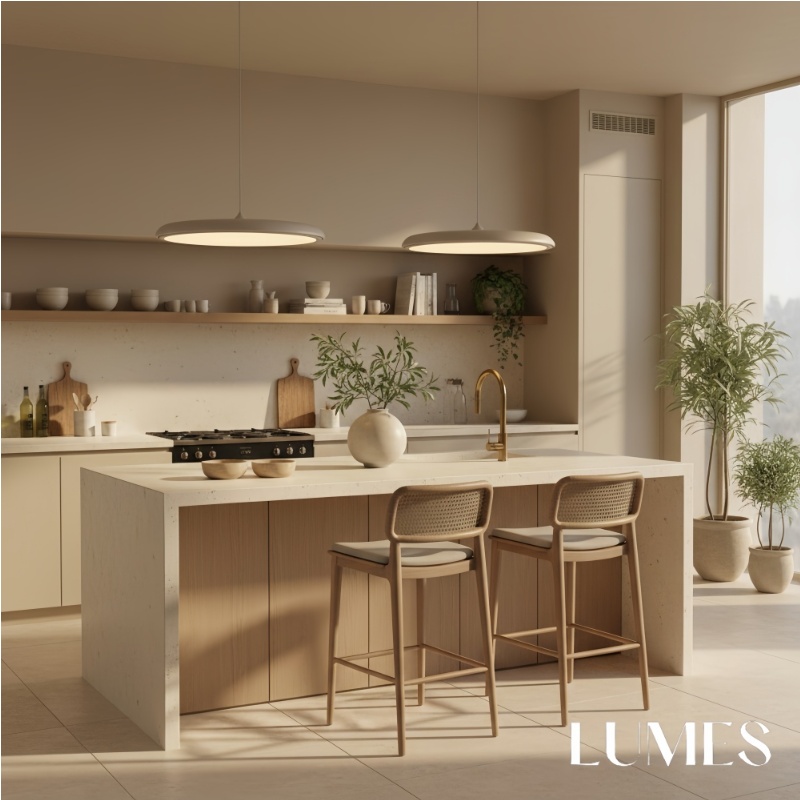
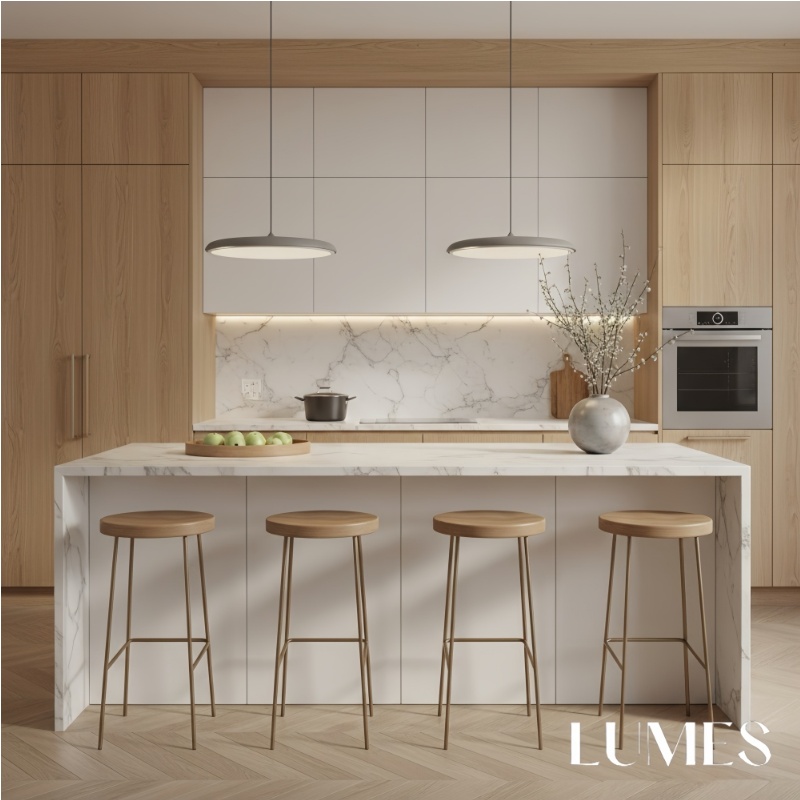
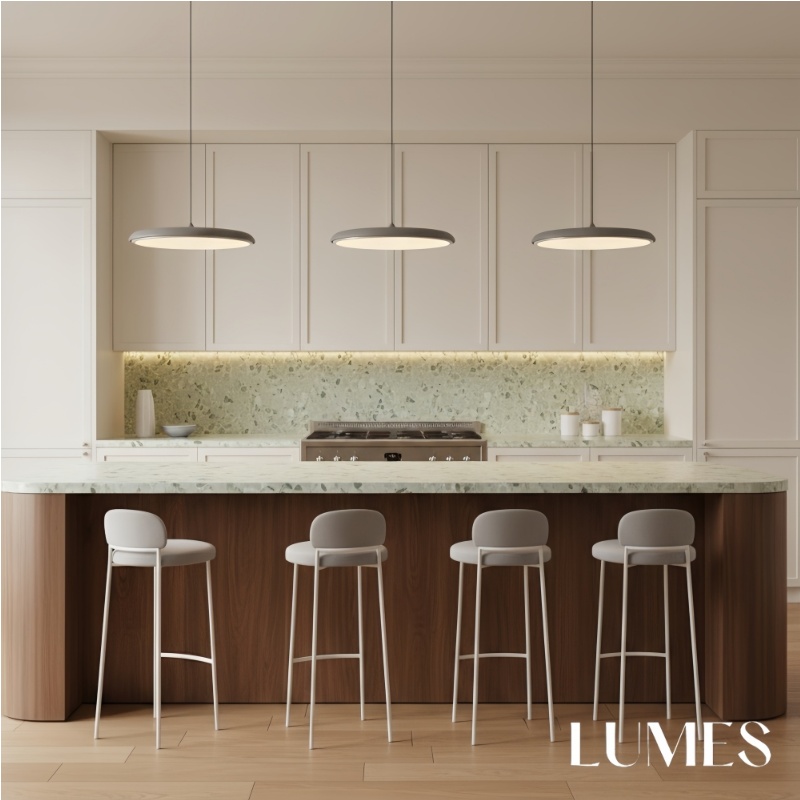
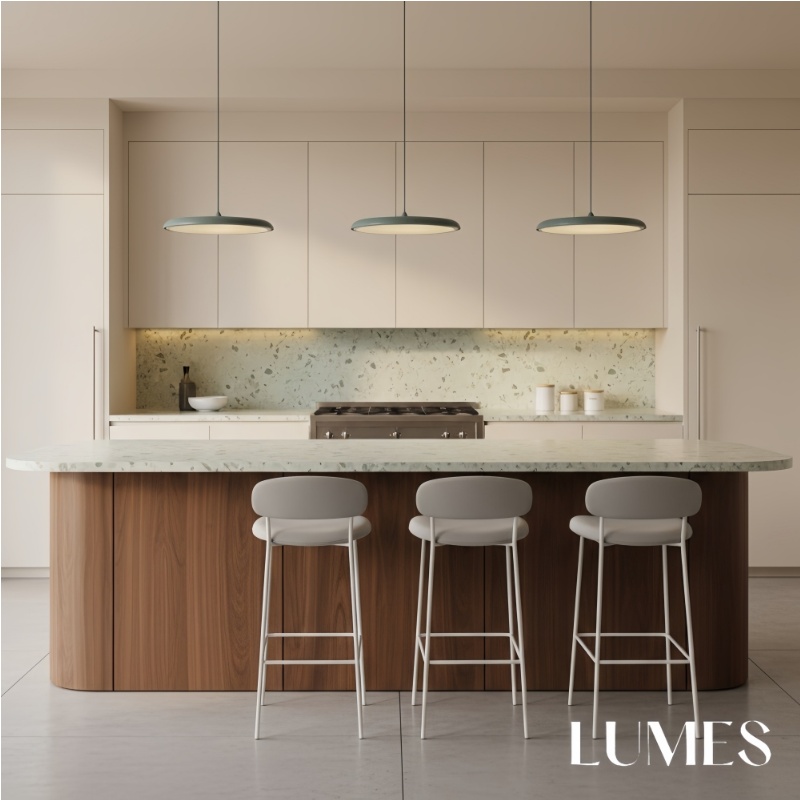
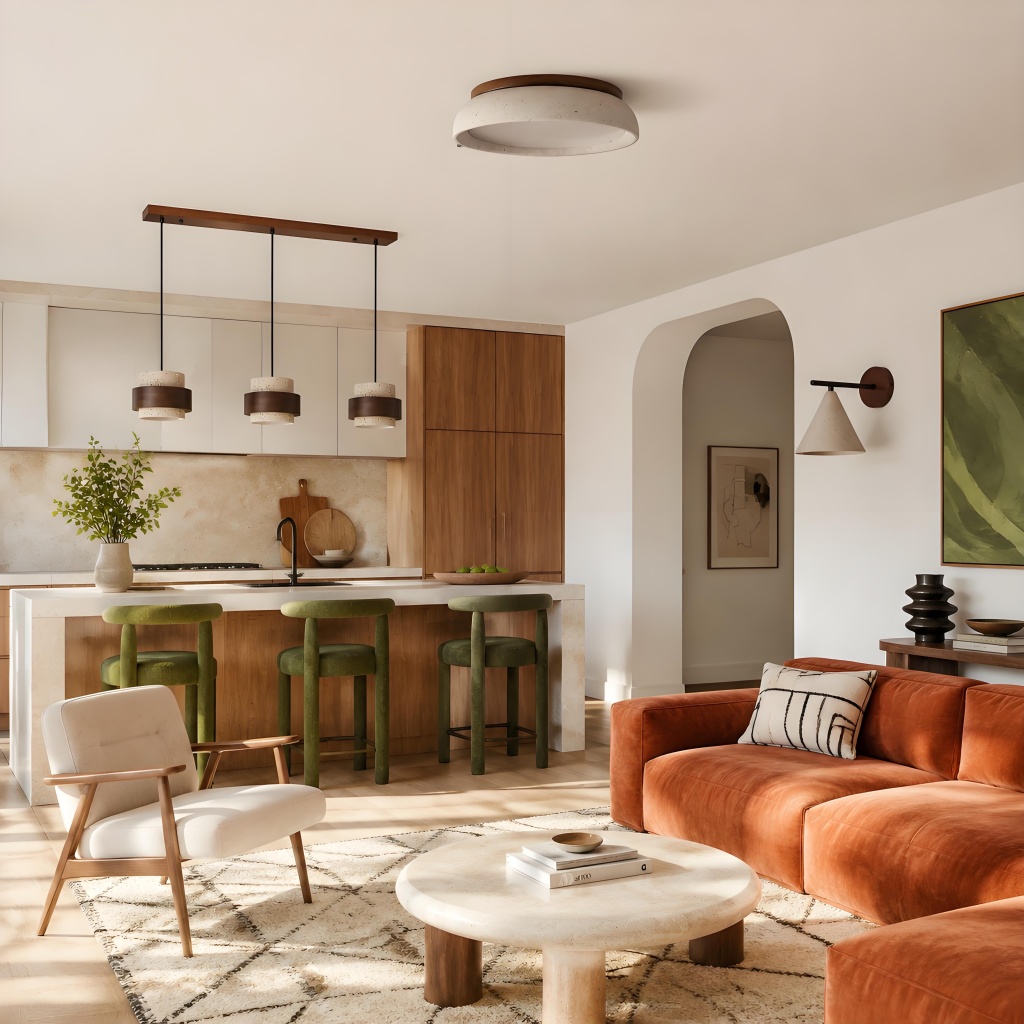
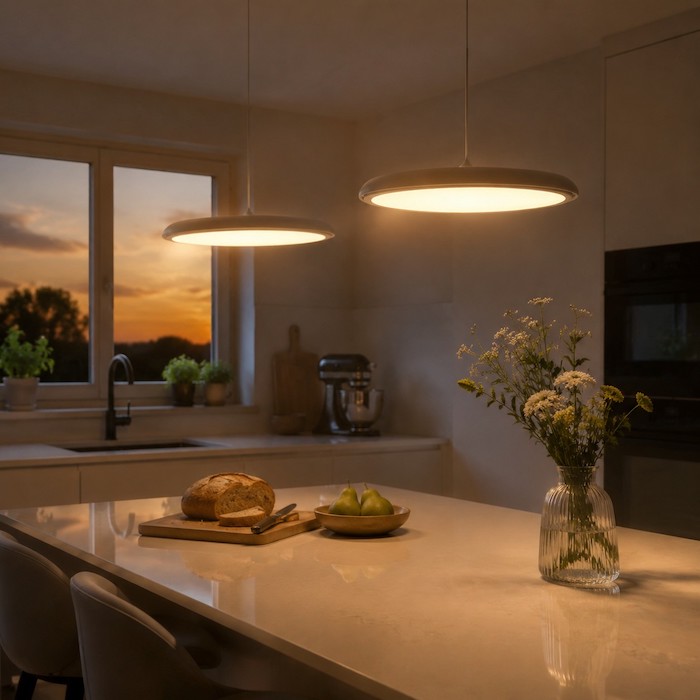
Over a kitchen island: leave roughly 30 to 45 cm from the island ends to the widest part of the outer pendants. When using several fixtures, measure from centre to centre and test the full arrangement with removable tape before drilling. For detailed island lengths, pendant diameters, and spacing layouts, use the Kitchen Island Pendant Light Size Guide.
Hanging height: over a table or island, begin around 75 to 90 cm above the surface, then adjust for shade depth, eye level, and ceiling height. In an open walkway, keep the bottom of the fixture at least about 200 cm above the floor and confirm clearance for taller household members.
Brightness: wattage does not describe useful light output. Compare lumens and the beam pattern, then consider how much light actually reaches the task surface. As a practical target, kitchen worktops often benefit from approximately 300 to 500 lux, while dining areas usually feel more comfortable with lower, dimmable light. A shielded source can deliver useful downward light without exposing a harsh bright point at seated eye level.
Integrated LEDs can support slim silhouettes, but do not assume every model is dimmable or flicker-free with every wall control. Confirm the driver, dimmer type, colour temperature, replaceability, and installation requirements for the exact variant before ordering.
Pendant Light Placement by Room
Pendant lighting works best when its placement follows a clear purpose. The ceiling point is a constraint, not always the correct visual centre. If furniture has moved, a compatible offset canopy, hook, track, or rewiring plan may be needed to place the shade over the actual activity zone.
Kitchen Islands
Align the group to the usable countertop rather than automatically centring it on a sink or hob. Two pendants often give a medium island a calmer rhythm than three small fixtures. On a long island, repeated pendants should create even coverage without pushing the outer shades beyond the countertop edges.
Dining Rooms
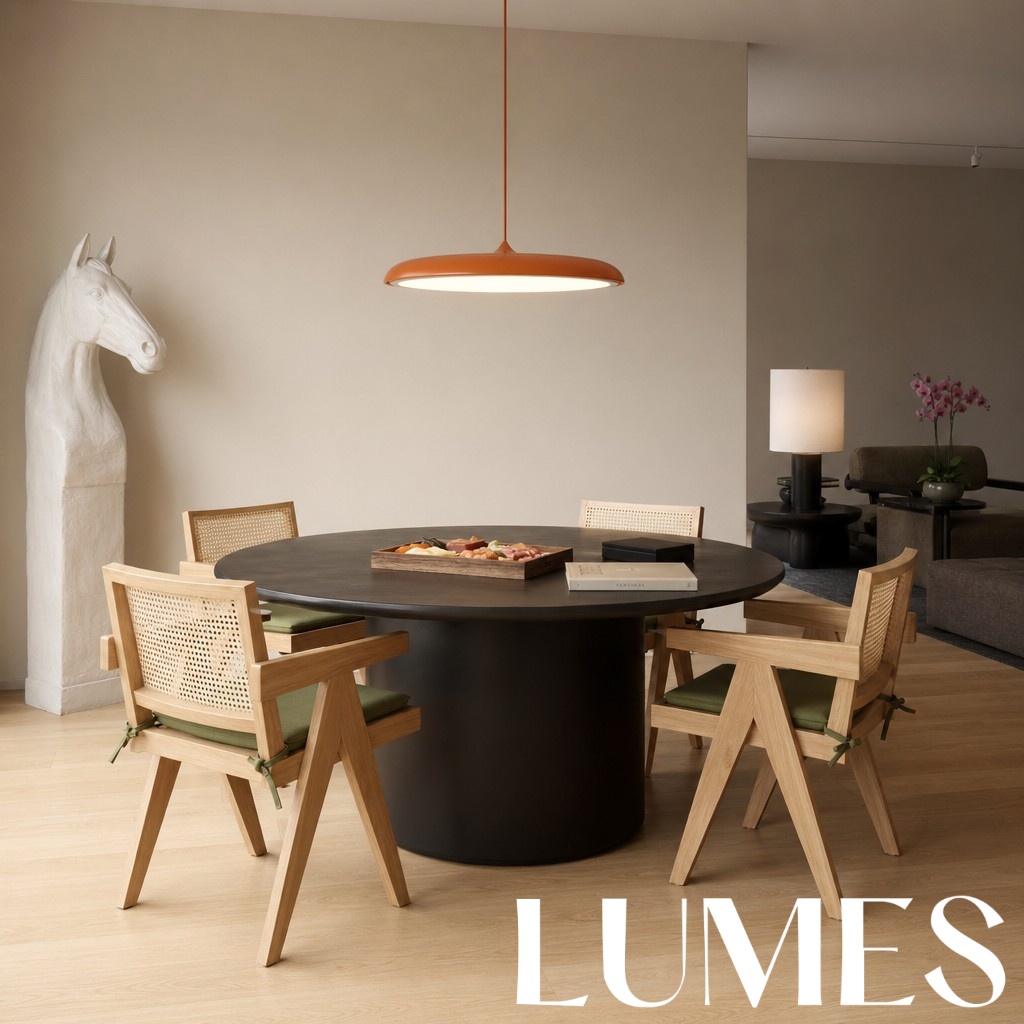
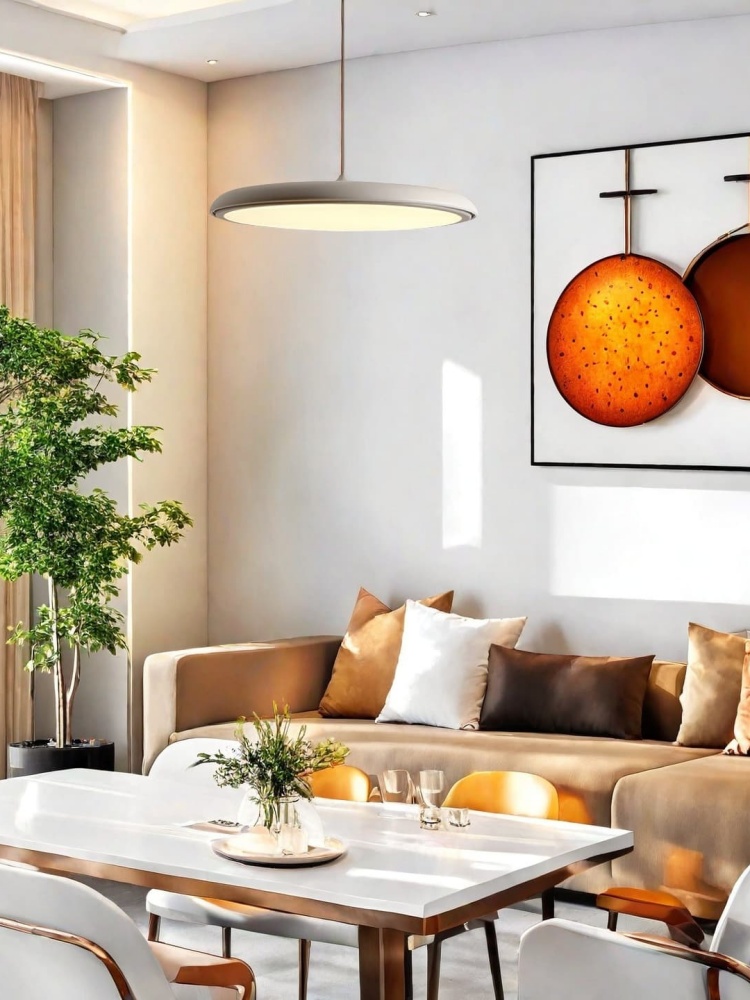
Use the table as the anchor. The pendant should define the gathering area without blocking faces across the table. A dimmer is especially valuable here because the same fixture may need brighter light for homework or serving and softer light for dinner.
Living Rooms and Reading Corners
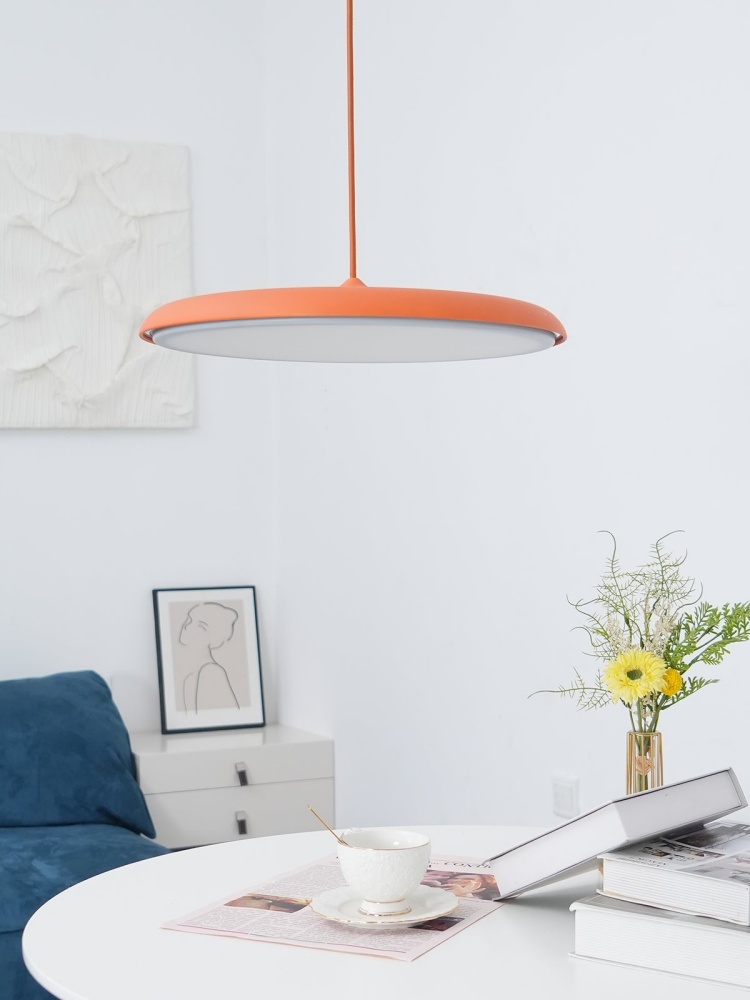
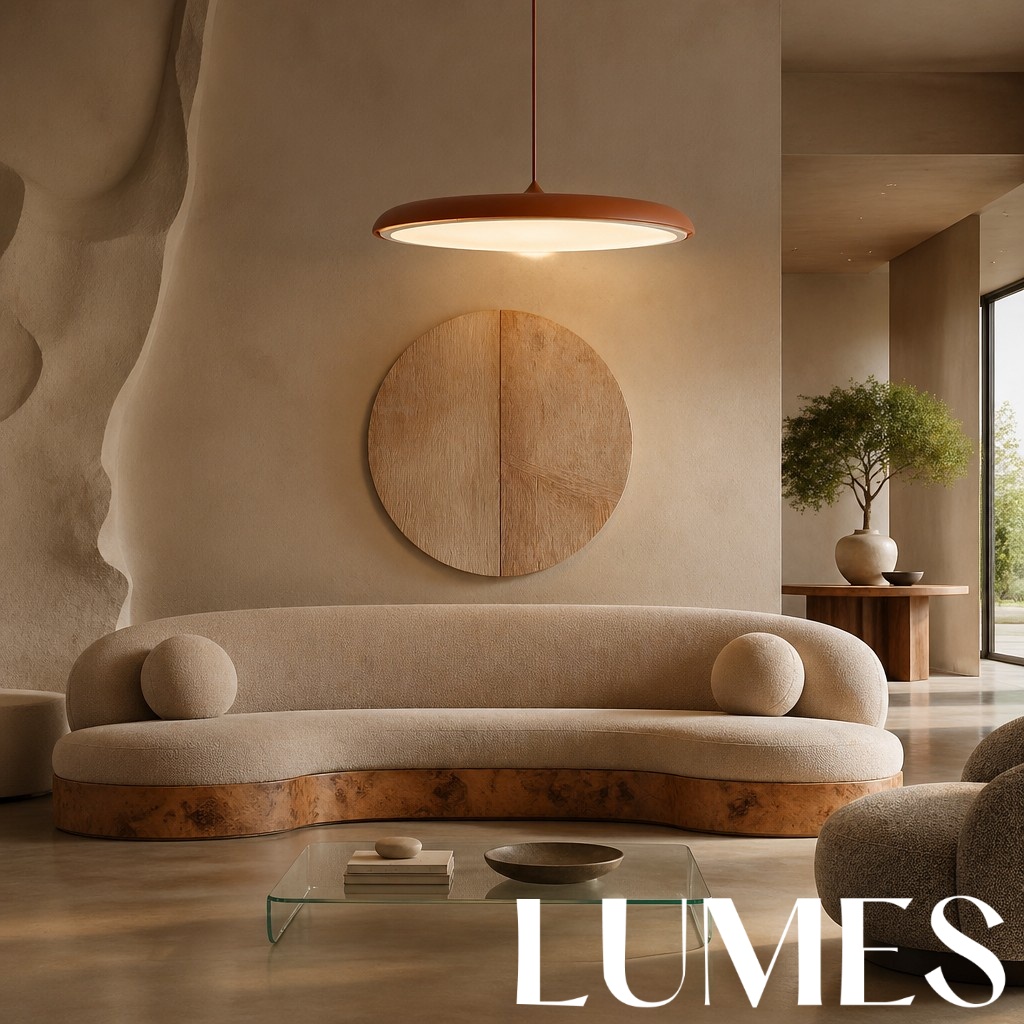
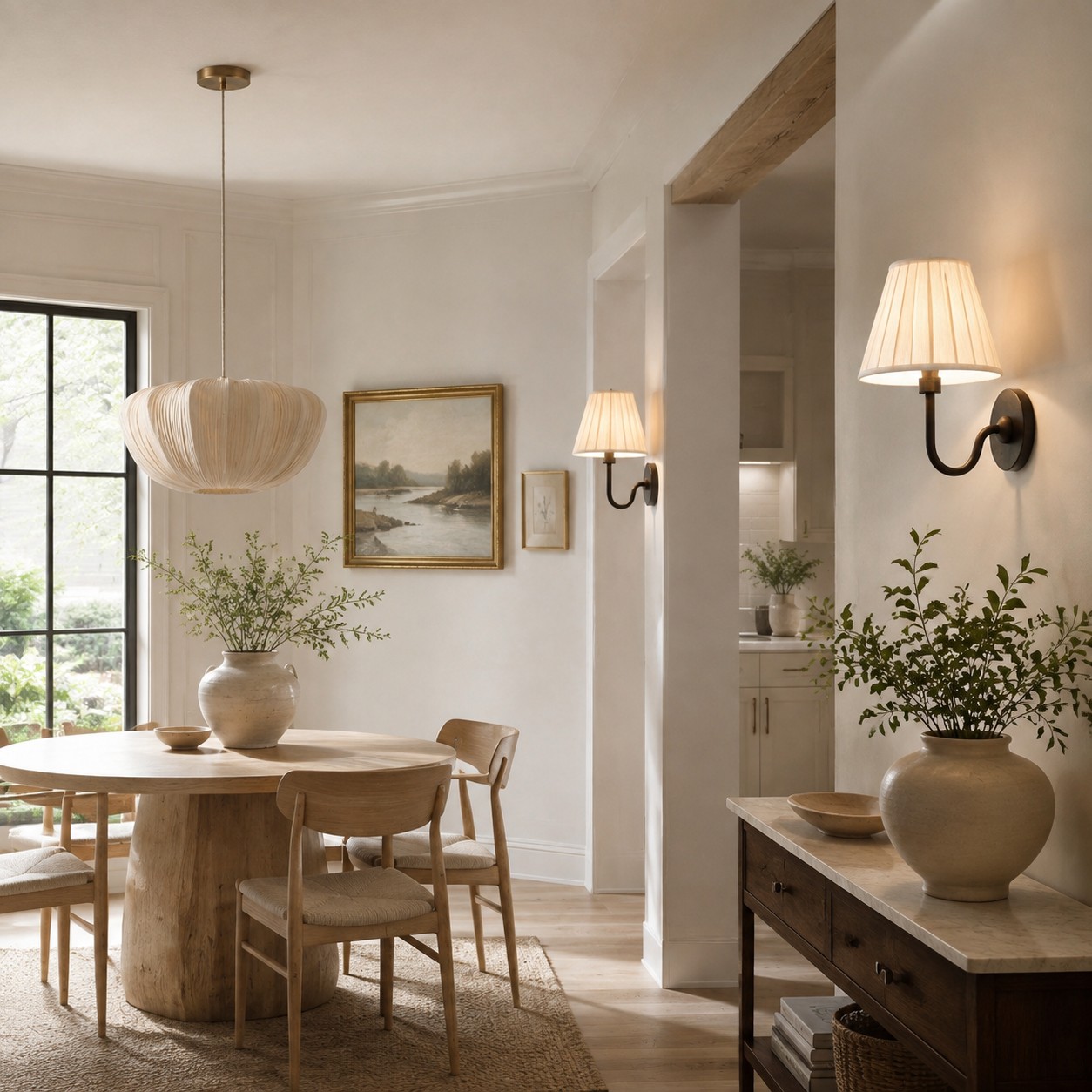
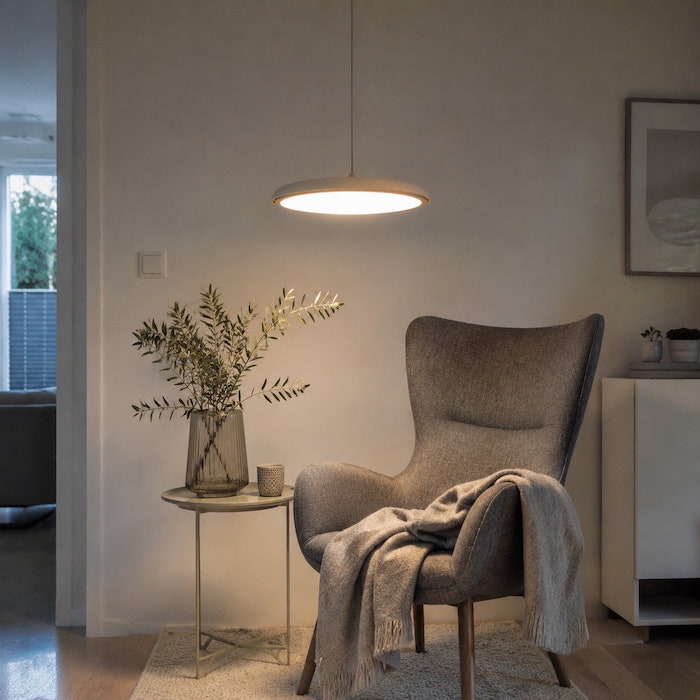
A low pendant beside an armchair can create an intentional reading zone, but it should sit outside the main walking route and keep the bright source out of the reader's direct view. In a larger living room, one sculptural pendant can establish the centre while wall lights and floor lamps provide the other lighting layers.
Bedrooms and Hallways
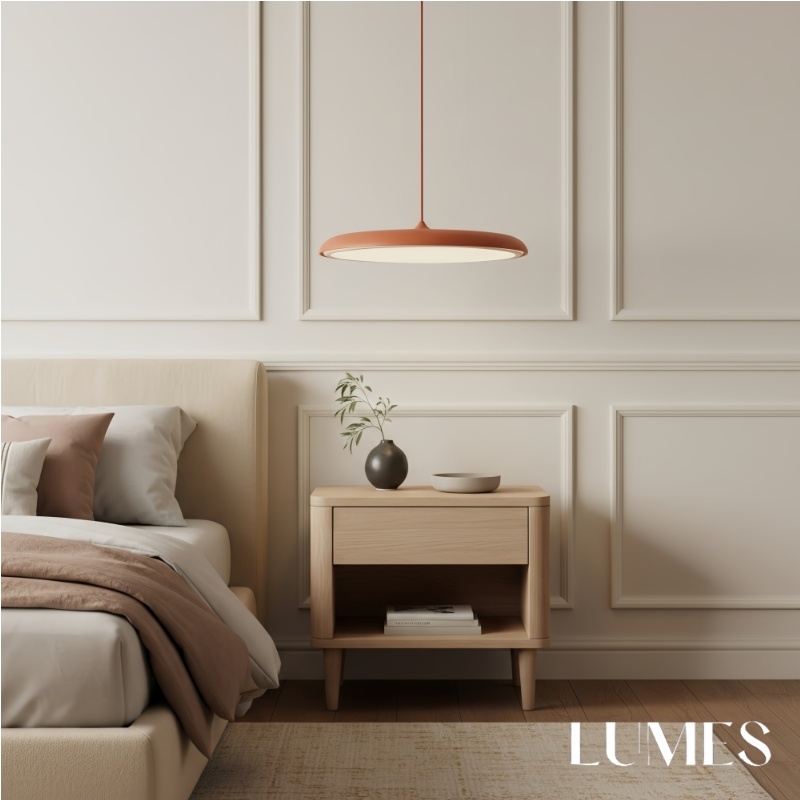
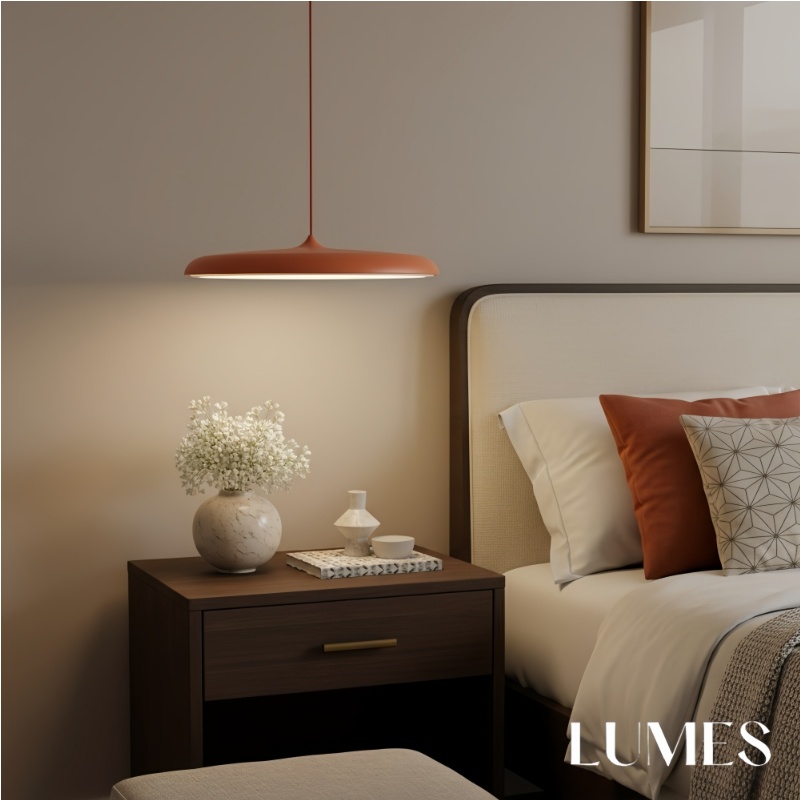
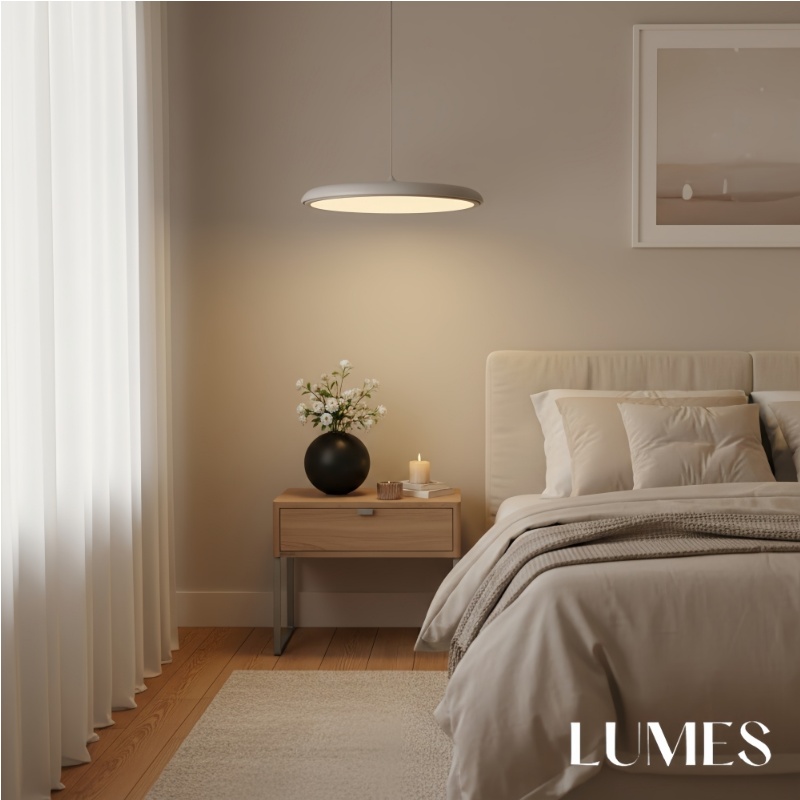
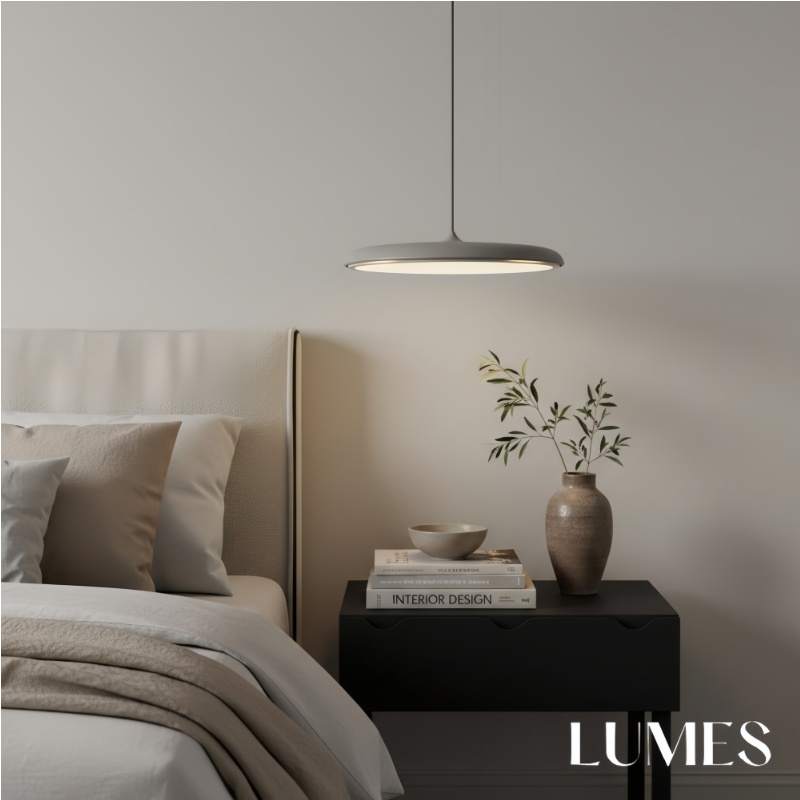
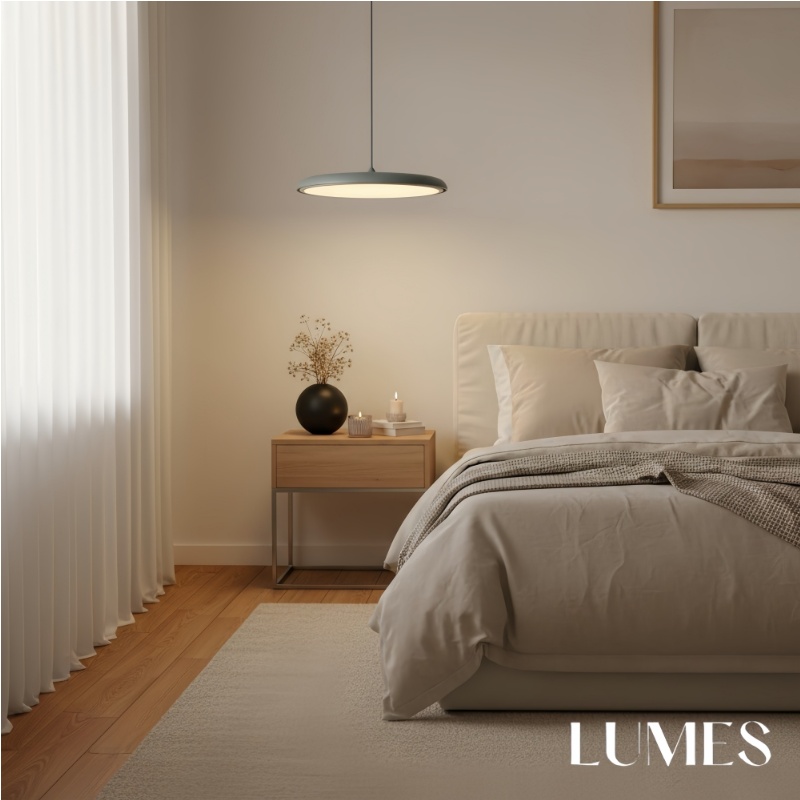
Bedside pendants free the nightstand and can frame the bed, but independent switches and comfortable reading light are essential. In hallways and entrances, prioritise head clearance, door swings, and a beam wide enough to reveal steps and thresholds rather than selecting only for visual impact.
Shop Pendant Lights for Every Room
Choose Materials, Finish, and Light Quality
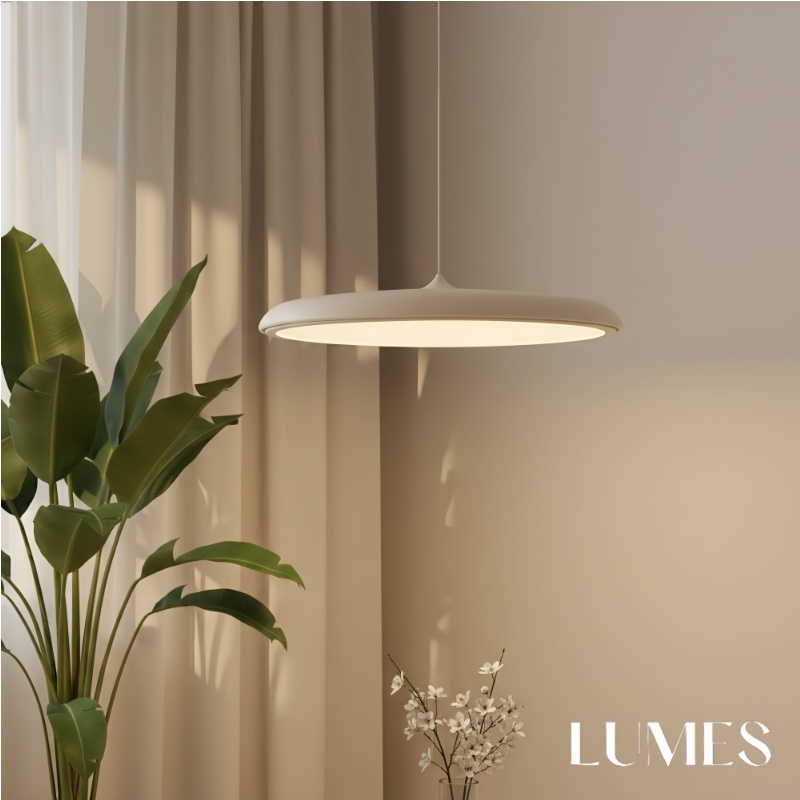
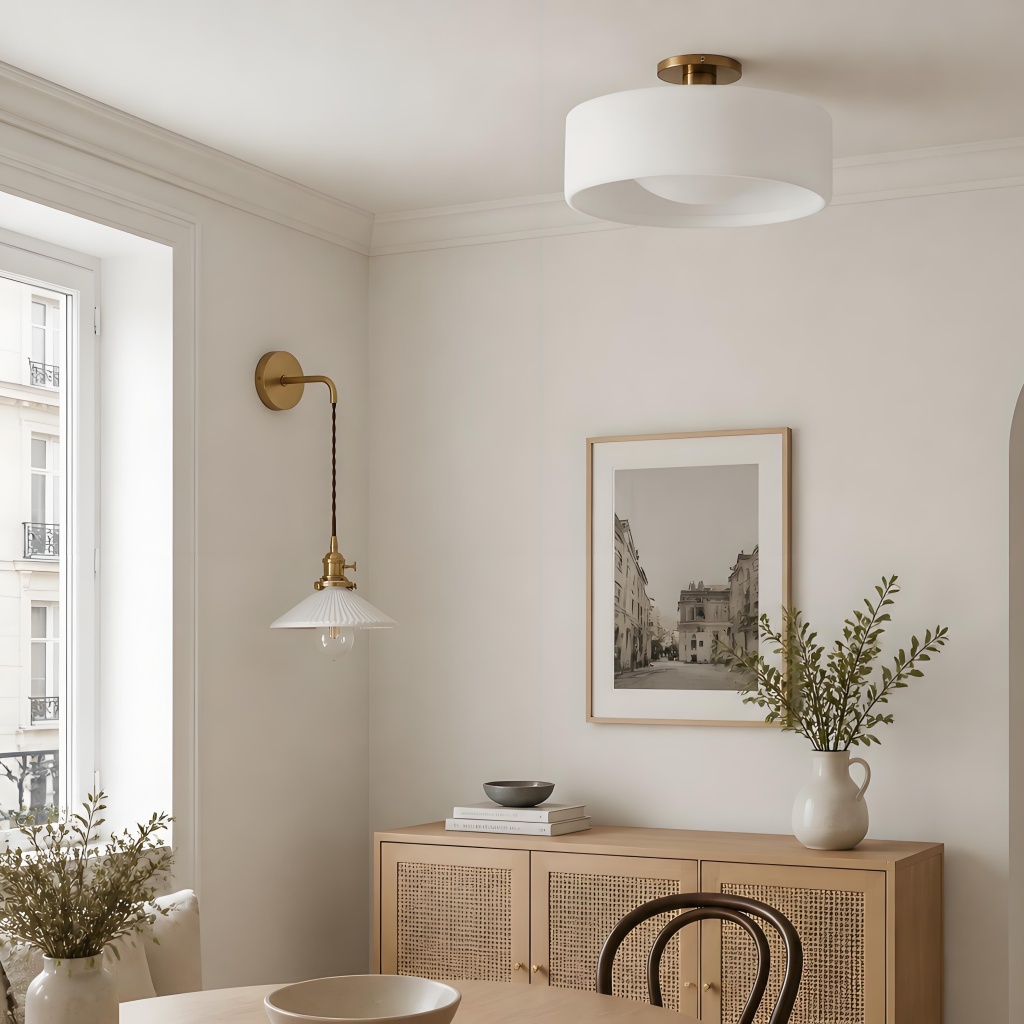
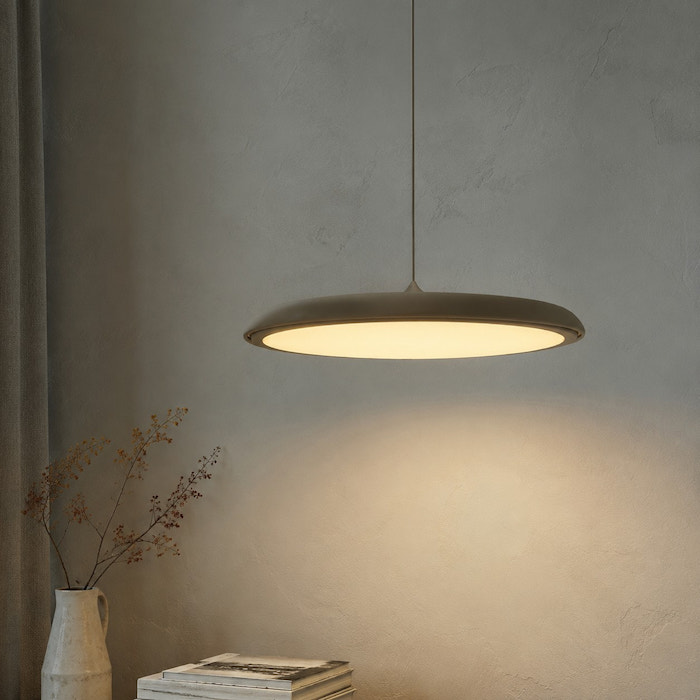
Designers treat a pendant as both a light source and a material object. Matte metal can quiet a reflective kitchen, glass can preserve openness in a compact room, fabric can soften a bedroom, and natural wood or stone can add tactile contrast to smooth walls and cabinetry.
Finish changes with light. Polished metal and clear glass may reflect windows, bulbs, and glossy cabinets, while a powder-coated or brushed surface usually produces a quieter effect. Review the fixture in daylight and after dark, and coordinate one or two details with the room rather than matching every handle and tap.
Light quality is equally important. Around 2700K creates a warmer residential mood; around 3000K can feel clearer for kitchens and contemporary rooms without becoming clinical. Also check colour rendering, diffuser quality, and glare from normal standing and seated positions. The shade should support faces, food, timber, textiles, and wall colours rather than washing them out.
Pendant light styles change, but the useful principles remain stable: choose a form that relates to the architecture, then verify that its size and beam suit the room. The internal guide Essential Pendant Lighting Trends provides additional style direction without replacing the practical measurements above.
Common Pendant Lighting Mistakes
Most disappointing installations fail because the fixture was chosen in isolation. Check these common problems before committing to the ceiling position:
- Choosing the shade before measuring: product close-ups hide scale. Mark the real diameter over the table or floor with tape.
- Hanging it too high or too low: too high disconnects the light from the furniture; too low blocks views and causes glare.
- Using lumens without considering the beam: a bright lamp can still leave the worktop dim if light spreads sideways or is heavily absorbed by the shade.
- Relying on one pendant for the whole room: combine task focus with quieter ambient, wall, or floor lighting where needed.
- Ignoring controls and installation: verify dimming compatibility, canopy size, cable length, ceiling support, and electrician requirements before purchase.
- Forgetting the unlit fixture: the pendant remains visible all day, so its material, colour, and scale must work when switched off.
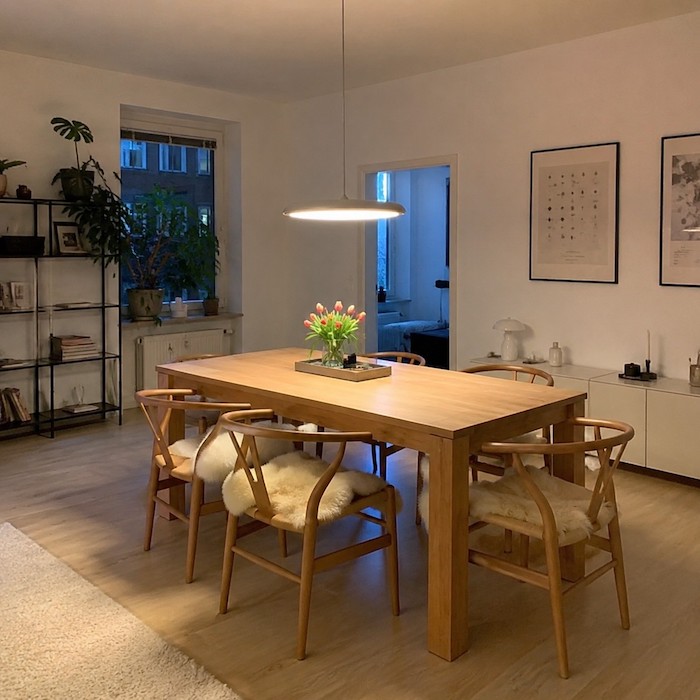
Designing a Room Around the Right Pendant Light
A designer-looking room is not created by making every object compete for attention. Decide what the pendant should lead: a dining table, an island, a conversation area, or an arrival view. Then let nearby materials and secondary lights support that hierarchy.
For Scandinavian, Dutch modern, and contemporary European interiors, clean lines and matte finishes can introduce structure without making the room feel formal. In traditional rooms, a simple modern pendant can provide contrast against mouldings, timber, or an older fireplace. The connection can come from colour temperature, proportion, or one repeated material rather than an exact style match.
Before ordering, photograph the room from the doorway and the main seated position. Add the proposed shade size to the image or mark it physically with tape. Confirm that the pendant improves both the activity surface and the room's overall balance. If it only looks convincing in a close-up product photograph, the decision is not ready.
Pendant Lighting FAQs
How big should a pendant light be?
Size the pendant against the surface or zone below it. Over a table, keep the widest part comfortably inside the table edges. In an open room, mark the proposed diameter with tape or cardboard and review it from the doorway before buying.
How high should a pendant light hang?
Over a dining table or kitchen island, 75 to 90 cm above the surface is a useful starting range. In an open walkway, keep the bottom approximately 200 cm or more above the floor, then adjust for household height and the fixture shape.
How bright should pendant lighting be?
Brightness depends on the task, shade, beam, and other lights in the room. Kitchen work surfaces often need around 300 to 500 lux, while dining spaces usually benefit from softer, dimmable light. Compare lumens and beam direction rather than wattage alone.
Can a pendant light be the only light in a room?
Sometimes in a very small space, but most rooms work better with layers. Use the pendant for the main focal or task area, then add wall, floor, cabinet, or accent lighting where circulation and background surfaces still feel dark.
Can a modern pendant work in a traditional room?
Yes. A simple modern shape can create useful contrast with historic details. Keep the scale appropriate and connect the pendant to the room through finish, colour temperature, or another repeated material.